
Selling Your Home Successfully in the Off-Season
Practical strategies to prepare, market, and legally protect your home sale when listing during the slower off-season months.
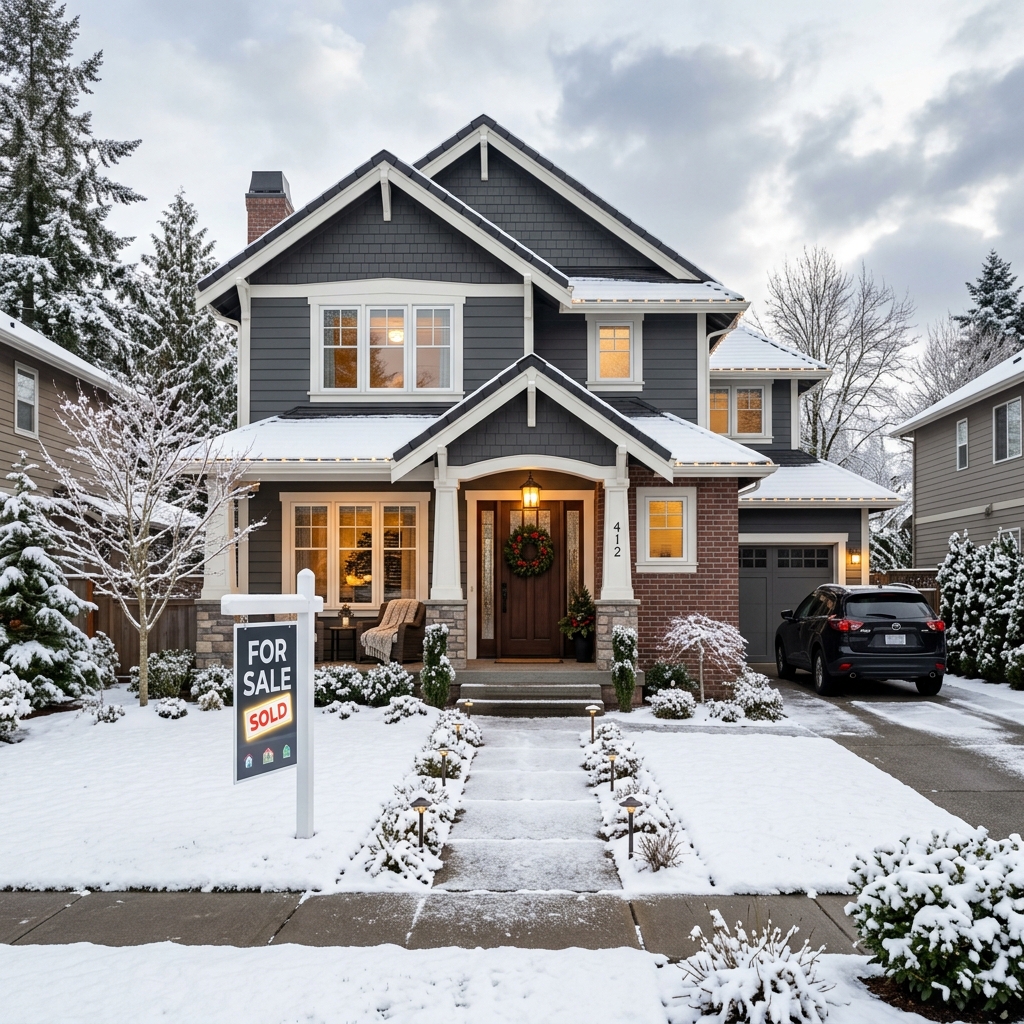
Listing a home when the market is quieter can feel risky, but the off-season often brings serious buyers, reduced competition, and opportunities for a smoother transaction if you prepare strategically. This guide explains how to get your property ready, collaborate effectively with a real estate agent, present your home attractively in colder or holiday-heavy months, and organize the legal documents needed for a confident sale.
Understanding Off-Season Home Selling
The “off-season” for home sales usually refers to late fall and winter, or any period when fewer buyers are actively searching. Weather, school schedules, and holidays shift attention away from housing, but motivated buyers still exist—and they tend to be more serious about closing. With fewer competing listings, a well-prepared home can stand out.
To succeed, you need to balance presentation, pricing, and legal readiness. That means planning ahead for shorter daylight hours, possible snow or rain, and holiday distractions, while still ensuring your property is easy to show and legally ready for an offer.
Planning Your Off-Season Strategy
Preparation starts well before your listing goes live. A clear plan helps you prioritize limited time and budget.
- Set realistic expectations: Off-season sales can take longer, and showing schedules may be more irregular. Patience is key.
- Monitor local market data: National trends matter less than what is happening in your neighborhood. Recent comparable sales (“comps”) provide pricing guidance.
- Align timing with life events: Consider school calendars, job changes, or holiday travel when choosing your listing date.
- Prepare for flexibility: Buyers with tight timelines may request last-minute showings or specific daylight viewing times.
Partnering Effectively With a Real Estate Agent
A knowledgeable real estate agent is especially valuable during slower months. Agents understand seasonal pricing patterns, know how to position your home online, and can advise on what changes will actually help your sale.
When interviewing potential agents, ask about their experience with off-season listings and how they adapt marketing strategies in winter or holiday periods.
| Agent Role | Off-Season Advantage |
|---|---|
| Pricing guidance | Helps avoid overpricing when fewer buyers are available, reducing the risk of a “stale” listing. |
| Listing exposure | Ensures your home appears in major online databases and the MLS, where most buyers begin their search. |
| Marketing and open houses | Plans open houses and targeted campaigns appropriate for weather and holiday schedules. |
| Offer and contract support | Guides you through offers, counteroffers, and the paperwork needed to finalize a sale. |
Clarify expectations in your listing agreement. Typical provisions describe how the agent will market your home, the commission structure, and how long the agreement lasts. Read this contract carefully and ask questions about any obligations that affect your ability to change strategy if the listing underperforms.
Preparing the Property: Cold-Weather and Holiday Considerations
Off-season buyers will evaluate your home with the same scrutiny as peak-season buyers, but they will also notice how the property functions in colder, darker, or wetter conditions. Small details can have a large impact on first impressions.
Enhancing Curb Appeal in Challenging Weather
Even in winter, the exterior is the first thing buyers see. Focus on making it safe, clean, and welcoming.
- Maintain walkways and steps: Keep paths free of ice, snow, mud, or leaves to reduce hazards and signal good maintenance.
- Highlight your entryway: Use durable welcome mats, clean door hardware, and subtle seasonal touches to create warmth.
- Improve visibility: Ensure the house number is easy to see and outdoor lighting works properly for evening showings.
- Manage landscaping: Trim shrubs, remove dead plants, and keep the lawn neat even if growth slows.
Holiday Decor: Striking the Right Balance
Decorations can make a home feel cozy, but they can also overwhelm the space or alienate buyers who do not celebrate specific holidays. Aim for neutral, minimal decor that enhances rather than dominates the rooms.
- Avoid oversized inflatables or loud light displays that distract from the property itself.
- Choose simple, tasteful decorations that complement your color scheme and furniture.
- Keep walkways and doorways clear of decor so buyers can move through easily.
- Remove highly personal or polarizing items that might prevent buyers from imagining their own lives in the home.
Staging and Interior Presentation for Shorter Days
Shorter daylight hours mean more showings take place in dim light. Strategic staging and lighting help buyers experience your home at its best.
Light, Warmth, and Comfort
Proper lighting and temperature can significantly affect how buyers feel during a showing.
- Maximize natural light: Schedule showings in the morning or early afternoon whenever possible and keep blinds or curtains open.
- Layer lighting: Use a combination of overhead lights, floor lamps, and table lamps to eliminate dark corners.
- Maintain a comfortable temperature: Keep the home warm enough that buyers feel at ease, especially in colder climates.
- Create a welcoming atmosphere: Subtle, pleasant scents and tidy surfaces suggest good care.
Decluttering and Deep Cleaning
Clutter and dirt stand out more when buyers spend extra time indoors due to weather. A thorough clean and thoughtful organization are non-negotiable.
- Remove non-essential furniture to make rooms feel larger.
- Pack away personal collections, excess toys, and off-season clothing.
- Clean windows, baseboards, tile grout, light switches, and other often-overlooked details.
- Consider professional carpet cleaning and repainting heavily used walls in neutral colors.
Being Flexible and Strategic With Showings
Because off-season buyers are fewer, it is important to accommodate their schedules. Restrictive showing rules can cause you to miss serious prospects.
- Keep an open calendar: Allow showings most days, especially when daylight is available.
- Prepare a quick tidy routine: Develop a checklist for rapidly cleaning surfaces, managing pets, and adjusting lighting before each showing.
- Plan for travel and holidays: Coordinate with your agent if you will be away, and enable secure access if needed.
- Monitor feedback: Ask your agent to collect comments from buyers and use them to refine staging or price if needed.
Legal and Document Preparation
Legal readiness helps you respond quickly when an interested buyer appears. Missing documents can delay or derail a sale. Organizing paperwork in advance is especially valuable when off-season buyers may need fast closings due to job moves or lease expirations.
Key Seller Documents
Exact requirements vary by state or country, but several categories of documents are commonly needed in residential transactions.
- Listing and agency agreements: Contracts detailing how your agent represents you and how they will market the property.
- Property disclosures: Forms describing known defects, past repairs, or environmental issues as required by law.
- Warranties and manuals: Documentation for appliances, HVAC systems, roofs, or windows that remain with the home.
- Inspection reports and repair records: Pre-sale inspection findings and receipts for completed work can increase buyer confidence.
- HOA materials: If applicable, association bylaws, dues information, and any special assessments.
Buyer Offer and Purchase Documentation
From the buyer’s side, a serious offer is usually accompanied by formal written documents. While formats differ, two commonly referenced items are:
- Intent to Purchase Real Estate: A document expressing the buyer’s serious interest and outlining basic proposed terms.
- Real Estate Purchase Agreement: A more detailed contract covering price, contingencies, closing date, and obligations of both parties.
Because these agreements are legally binding, consulting a real estate attorney or relying on standardized forms approved by local authorities can reduce the risk of misunderstandings.
Handling Slow Activity: Adjusting or Pausing Your Listing
Despite careful planning, some off-season listings attract limited attention. If you are not receiving reasonable offers, it may be wise to reconsider your strategy rather than leaving the home on the market indefinitely.
- Reassess pricing using fresh comparable sales, especially if market conditions have changed.
- Update photos to reflect current weather or improved staging.
- Modify description and marketing tactics in consultation with your agent.
- If activity remains minimal, consider temporarily removing the listing and relaunching closer to peak season with new photos and renewed interest.
Frequently Asked Questions (FAQs)
Is selling a home in the off-season a bad idea?
Not necessarily. While fewer buyers may be looking, those who are active often have strong reasons to move and may be more serious about making offers. With good preparation and realistic pricing, off-season sales can be successful.
How should I price my home in the off-season?
Work with your agent to review recent comparable sales and current inventory. Overpricing in a slow market can lead to extended days on market and a perception that something is wrong with the property. Competitive pricing supported by data is usually more effective.
Do I need a pre-sale home inspection?
A pre-sale inspection is not always mandatory, but it can be helpful in identifying issues before buyers see the property. Addressing major problems early can reduce negotiation friction and surprises later.
How much holiday decor is too much?
Choose simple, neutral decor and avoid anything that obstructs walkways, dominates rooms, or might feel excessive to someone who does not share your traditions. The goal is to add warmth, not to become the main focus of the showing.
What if I receive no offers during the off-season?
If your listing generates little interest, revisit price, photos, and staging with your agent. As a last resort, you may temporarily remove the property from the market and relist in the next active season with updated marketing materials.
References
- Getting Your House Ready To Sell During the Off-Season — Rocket Lawyer. 2023-05-01. https://www.rocketlawyer.com/real-estate/home-ownership/buy-or-sell-property/legal-guide/getting-your-house-ready-to-sell-during-the-off-season
- Before Putting a Home Up For Sale — National Association of Realtors. 2022-08-15. https://www.nar.realtor/news/tools/client-education/handouts-for-sellers/before-putting-a-home-up-for-sale
- How to Prepare Your House for Sale: Checklist + Staging Tips — Opendoor. 2023-09-10. https://www.opendoor.com/articles/how-to-prepare-your-house-for-sale
- How Should I Prepare My House Before Selling It? — FastExpert. 2023-06-20. https://www.fastexpert.com/advice/how-should-i-prepare-my-house-before-selling-it-65/
- 4 Tips for Buying a Home During the Off-Season — AmeriHome Mortgage. 2022-11-30. https://www.amerihome.com/4-tips-for-buying-a-home-during-the-off-season/
- Thinking About Selling in the Off-Season? Here’s What You Need to Know — HAR. 2023-10-05. https://www.har.com/blog_131845_thinking-about-selling-in-the-off-season-heres-what-you-need-to-know
Similar Articles








Read full bio of medha deb


