
Voices of Survival: Reforming the Texas Foster Care Crisis
Former youth and advocates demand urgent reforms to a broken welfare system.
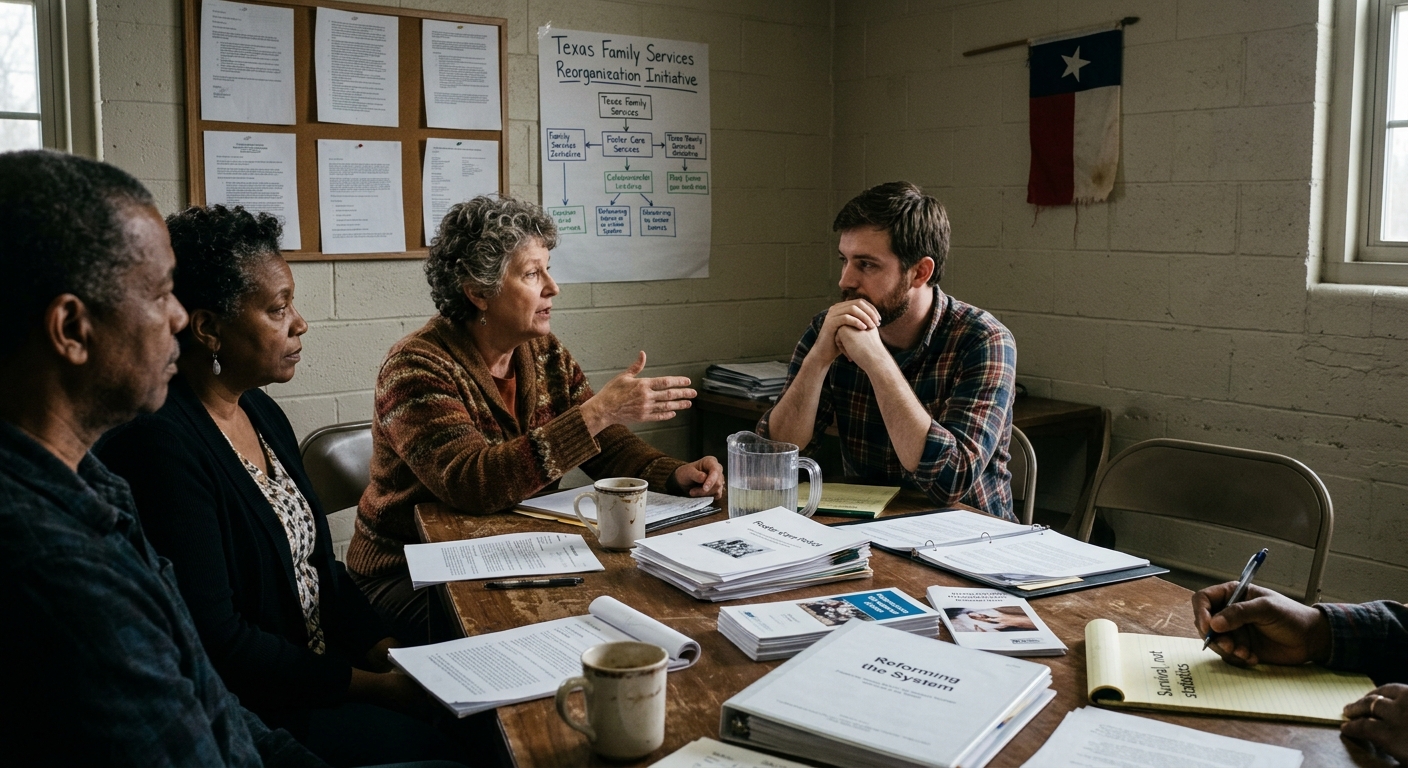
The Broken Promise of State Guardianship
When vulnerable children are removed from abusive, neglectful, or severely unstable environments, the state assumes the profound responsibility of becoming their protector. The overarching goal of any child welfare agency is to ensure safety, promote healing, and quickly secure a stable, permanent home. In Texas, however, thousands of minors who enter the foster care system find themselves trapped in a secondary cycle of trauma. The legal and moral promise of a safe haven is frequently shattered by systemic negligence, chronic placement shortages, and bureaucratic inertia.
Recent testimonies and public advocacy efforts from former foster youth who spent their formative years in the custody of the Texas Department of Family and Protective Services (DFPS) highlight a grim reality: for many, the system intended to save them ultimately inflicted profound harm. These survivors are now utilizing their lived experiences to demand a comprehensive overhaul of a system that routinely allowed physical violence, extreme overmedication, and institutional neglect to occur under the state’s watch.
Examining M.D. v. Abbott: A Landmark Legal Battle
To understand the current push for structural reform in Texas, one must look at the expansive legal war that has raged in federal courts for more than a decade. In 2011, the national advocacy organization Children’s Rights, alongside private legal partners, filed a sweeping class-action lawsuit known as M.D. v. Abbott. The plaintiffs argued that Texas was systematically violating the constitutional rights of the children placed in its permanent managing conservatorship (PMC)—the long-term foster care designation for youth whose parents’ rights have been terminated but who have not been adopted.
A major turning point in this litigation occurred in 2015 when U.S. District Judge Janis Graham Jack issued a scathing ruling declaring the state’s foster care system unconstitutional. In her comprehensive 255-page opinion, she determined that children were being shuttled through a broken apparatus where “rape, abuse, psychotropic medication, and instability are the norm.” The court noted that children were often leaving state custody far more psychologically and physically damaged than when they entered it.
Since that ruling, the state of Texas has faced multiple contempt hearings and the imposition of heavy daily fines for failing to adequately implement court-ordered reforms, particularly concerning the timely investigation of abuse allegations within state-run or state-licensed facilities. In October 2024, the legal landscape shifted again when the Fifth Circuit Court of Appeals vacated a recent contempt order and reassigned the case to a new judge, citing judicial conduct issues. Despite these procedural maneuvers, the underlying substantive failures documented over thirteen years of litigation remain a pressing crisis requiring immediate legislative and administrative intervention.
The Placement Crisis and the Dangers of Congregate Care
One of the most immediate and dangerous symptoms of the state’s failing child welfare infrastructure is the severe shortage of safe, licensed foster family homes. As the number of youth requiring out-of-home care outpaces the availability of qualified foster parents, the state has increasingly relied on high-density residential treatment centers and group homes, collectively known as “congregate care.”
While some specialized residential facilities offer necessary therapeutic environments for youth with acute psychiatric needs, mass institutionalization inherently limits the individualized attention required for childhood development. Former residents of these facilities frequently testify to environments characterized by a lack of adult supervision, rampant child-on-child violence, and the inappropriate use of psychotropic medications as a method of chemical restraint rather than psychiatric treatment.
Furthermore, the placement shortage has led to a highly controversial phenomenon known as “Children Without Placement” (CWOP). When standard foster homes or residential facilities reach capacity, caseworkers are forced to house children in unregulated, ad-hoc environments. This has included having children sleep on cots in CPS office buildings, extended stay motels, or unlicensed shadow facilities. In these environments, children are essentially warehoused without access to formal education, structured therapy, or consistent medical care, exposing them to staggering levels of risk and instability.
Caseworker Burnout: An Administrative Collapse
The structural failures of the foster care system cannot be entirely blamed on a lack of policy; they are intrinsically tied to an ongoing workforce crisis. Child Protective Services caseworkers serve as the primary lifeline for youth in state custody. They are tasked with monitoring the health, safety, educational progress, and emotional well-being of the children on their dockets. However, the system places impossible expectations on these professionals.
Ballooning caseloads, extensive bureaucratic paperwork, secondary trauma, and non-competitive compensation have resulted in catastrophic turnover rates within the agency. When caseworkers carry dockets that double or triple the nationally recommended standards, diligent oversight becomes impossible. Routine check-ins are missed, signs of abuse within foster homes go unnoticed, and critical interventions are delayed. The constant rotation of caseworkers also strips foster youth of any semblance of stability; many children report having dozens of different caseworkers during their time in care, meaning no single adult possesses a comprehensive understanding of their medical or psychological history.
Transitioning to Community-Based Care
In response to the mounting legal pressure and public outcry, Texas legislators have initiated a multi-year effort to decentralize the child welfare system through a model known as Community-Based Care (CBC). Rather than managing all placements and case management from a centralized state agency in Austin, the CBC model shifts the responsibility to local, private non-profit contractors.
The theory behind this privatization effort is that local entities are better positioned to recruit foster families within their specific communities, tailor services to regional needs, and reduce the number of youth placed hundreds of miles away from their home counties. While the implementation of CBC in select regions has shown some promising initial data regarding localized placement stability, critics caution that shifting administrative duties to private contractors does not automatically eradicate the root issues of funding deficits, workforce shortages, or systemic accountability.
State-Run Care vs. Community-Based Care
| System Characteristic | Traditional State-Run Care | Community-Based Care (CBC) |
|---|---|---|
| Management | Centralized under the state agency (DFPS). | Decentralized to regional private non-profits. |
| Placement Distance | Youth frequently placed far outside their home counties due to state-wide bed searches. | Prioritizes keeping youth in their original communities and school districts. |
| Resource Allocation | Standardized budget applied uniformly across all Texas regions. | Flexible funding allowing contractors to build community-specific therapeutic networks. |
| Accountability | Direct state oversight and federal court monitoring (via M.D. v. Abbott). | State monitors the performance metrics of the private contractors. |
The Devastating Aftermath of Aging Out
The failures of the foster care system extend far beyond a child’s eighteenth birthday. Youth who “age out” of the system—meaning they reach legal adulthood without ever being reunited with their biological parents or placed with an adoptive family—face a stark and unforgiving transition into independence. Without the safety net of a family, these young adults encounter immense structural barriers.
Statistical outcomes for former foster youth are deeply concerning. Within a few years of exiting the system, a disproportionate percentage of these individuals experience severe housing instability, chronic homelessness, and prolonged unemployment. Because educational continuity is routinely disrupted by constant placement changes, foster youth are significantly less likely to graduate from high school or pursue higher education compared to their peers. Furthermore, the unresolved trauma and prolonged institutionalization dramatically increase the likelihood of substance abuse, mental health crises, and involvement with the criminal justice system. The state’s failure to provide adequate therapeutic intervention during their formative years ultimately shifts the social and economic burden to the adult social safety net.
Voices of Advocacy: A Demand for Comprehensive Change
Despite the immense hurdles they face, young adults who have navigated this labyrinth are refusing to remain silent. By stepping forward in federal courtrooms, speaking at legislative hearings, and organizing through non-profit advocacy groups, survivors are transforming their trauma into powerful political leverage. They emphasize that statistical reports and legal briefs cannot capture the true terror of being a voiceless child in a dangerous group home.
Their advocacy focuses on a central, unifying message: youth input must be prioritized in policy creation. For decades, the child welfare system has been designed by bureaucrats and legal scholars who lack lived experience within the system. Current reform movements are heavily emphasizing the creation of youth advisory boards, ensuring that those who actually survived state custody have a direct hand in auditing facilities, drafting the foster care bill of rights, and training new caseworkers.
The Road to Meaningful Reform: Actionable Policy Needs
Fixing a deeply entrenched crisis requires more than piecemeal legislation; it demands a holistic, aggressively funded approach. Child welfare experts, legal advocates, and former youth outline several non-negotiable steps to stabilize the system:
- Strict Caseload Caps: Implementing and enforcing strict legal limits on the number of cases a single worker can manage, ensuring they have the time to perform thorough, meaningful investigations and home visits.
- Aggressive Foster Family Recruitment: Reallocating funds to better financially and emotionally support licensed foster families, reducing the burnout that causes good families to leave the system.
- Eliminating Unlicensed Placements: Ending the practice of housing children in CPS offices and hotels by expanding emergency shelter capacities and investing in specialized therapeutic homes for high-needs youth.
- Oversight of Psychotropic Medications: Establishing independent medical review boards to strictly monitor and approve the prescription of powerful psychiatric drugs to minors in state care.
- Comprehensive Transition Support: Extending robust housing subsidies, free college tuition programs, and guaranteed medical coverage for youth who age out of the system up to age 25.
The state possesses a profound moral imperative to rectify these institutional failures. Every day that the system operates in crisis mode, another child’s future is compromised. Reforming the child welfare infrastructure is not merely a legal obligation mandated by a federal court; it is the fundamental duty of a society to protect its most vulnerable citizens.
Frequently Asked Questions (FAQs)
What is the M.D. v. Abbott lawsuit?
M.D. v. Abbott is a landmark federal class-action lawsuit filed in 2011 on behalf of children in Texas’s long-term foster care system. The suit successfully argued that the state was violating the constitutional rights of foster youth by subjecting them to unreasonable risks of harm, abuse, and neglect. It resulted in a federal judge declaring the system unconstitutional and ordering sweeping, court-monitored reforms.
What does it mean for a child to “age out” of foster care?
Aging out occurs when a young person reaches the legal age of adulthood (typically 18, though some states offer extended care up to 21) while still in the custody of the state child welfare system. Because they were never reunited with biological family or legally adopted, they are discharged from state care and forced to navigate adult independence, often without familial support or adequate financial resources.
What is Community-Based Care (CBC)?
Community-Based Care is a decentralized child welfare model currently being rolled out in Texas. Instead of the state government directly managing foster homes and placements, regional private non-profit organizations are contracted to build local networks of care. The goal is to keep children closer to their home communities and allow for more flexible, community-specific therapeutic interventions.
How do placement shortages affect foster youth?
When there are not enough licensed foster families, children are often placed in large, institutional group homes or residential treatment centers. In severe crisis scenarios, the state has been forced to temporarily house youth in unlicensed settings such as office buildings or motels, a dangerous practice referred to as Children Without Placement (CWOP).
How can the public support child welfare reform?
The public can drive change by becoming licensed foster or adoptive parents, volunteering as Court Appointed Special Advocates (CASA) to represent a child’s best interests in court, mentoring older youth transitioning out of care, and voting for state legislators who prioritize funding for child welfare agencies and mental health infrastructure.
References
- Opinion in M.D. by Stukenberg v. Abbott, No. 24-40248 — United States Court of Appeals for the Fifth Circuit. 2024-10-11. https://www.ca5.uscourts.gov/
- M.D. v. Abbott Case Summary and Legal Documents — Children’s Rights. 2024-10-21. https://www.childrensrights.org/class_action/m-d-v-abbott/
- Community-Based Care — Texas Department of Family and Protective Services (DFPS). 2024-01-01. https://www.dfps.texas.gov/Child_Protection/Foster_Care/Community_Based_Care/
- Foster Care Statistics and Research — Child Welfare Information Gateway, U.S. Department of Health & Human Services. 2023-11-01. https://www.childwelfare.gov/
Similar Articles








Read full bio of medha deb


