
Public Shaming on Social Media: DUI, Privacy and the Law
How a California proposal to post DUI arrestees on Facebook raises complex questions about privacy, due process and modern policing.
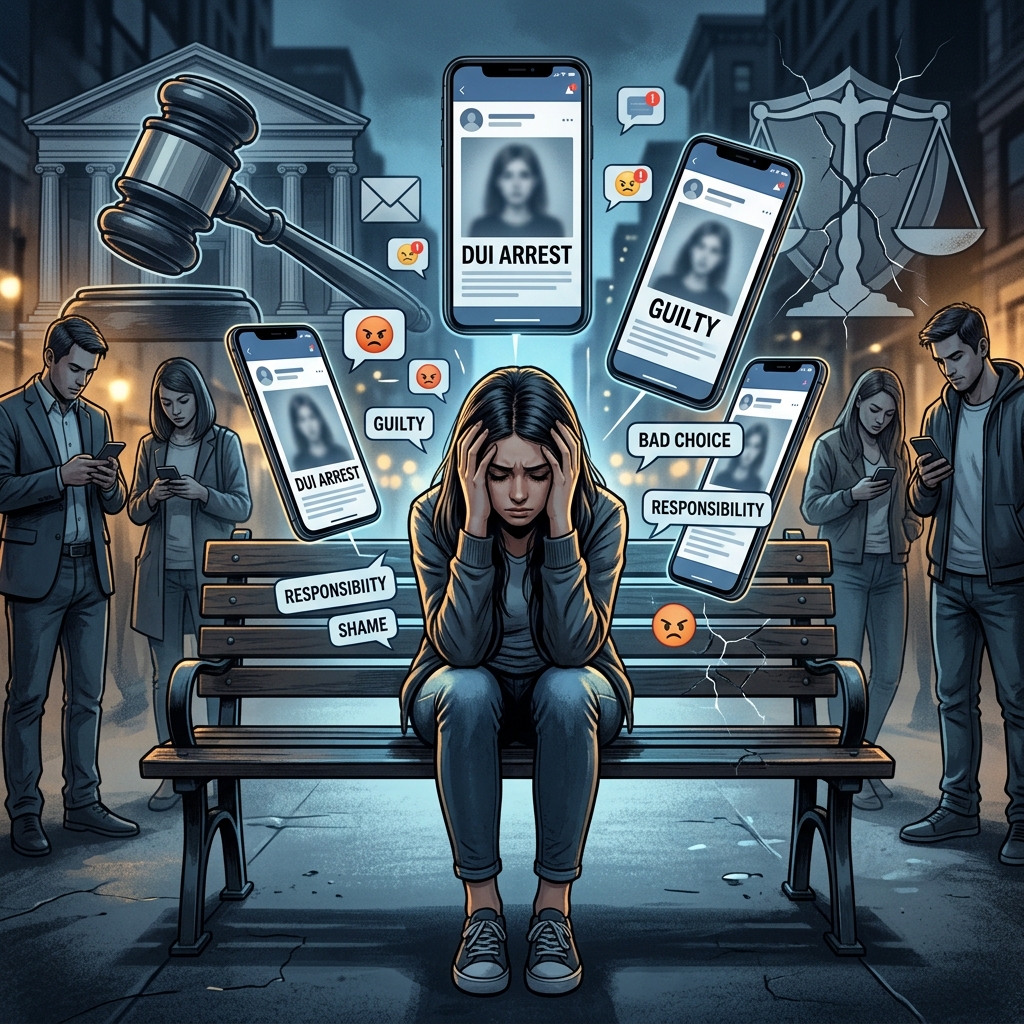
Across the United States, police departments increasingly use social media to communicate with residents, warn about dangers, and highlight enforcement efforts. One controversial trend is the idea of posting DUI arrestees and mugshots on Facebook as a way to deter drunk driving and inform the public.
A California town’s consideration of such a policy illustrates how fast-moving technology can collide with long-standing principles of privacy, fairness, and due process. While the goals of reducing impaired driving and protecting the community are widely supported, the methods used to achieve those goals can raise difficult legal and ethical questions.
From Bulletin Boards to Newsfeeds: How Police Use Social Media
Law enforcement agencies have always shared basic arrest and incident information, often through printed reports or local media. The shift to Facebook and similar platforms dramatically changes the scale and permanence of that disclosure.
- Speed and reach – A single post can reach thousands of local residents instantly, and can be shared far beyond the original jurisdiction.
- Permanence – Unlike a newspaper clipping that fades from view, digital posts can remain searchable and accessible for years unless actively removed.
- Interactivity – Comment sections allow citizens to express support, criticism, or mockery, turning official posts into community conversations.
In the California example, the proposal focused specifically on repeat DUI arrests, reflecting a belief that public visibility could help identify and discourage habitual offenders. The question is not whether police may communicate at all, but how, how much, and in what format.
Why Target DUI on Social Media?
Driving under the influence remains a major public safety concern. National data show thousands of deaths yearly in crashes involving alcohol-impaired drivers. In California, public agencies regularly emphasize that DUI is not limited to alcohol and includes drugs and certain medications.
Policymakers and police leaders often cite several motivations for posting DUI information online:
- Deterrence – The fear of public exposure may discourage some people from driving impaired, especially repeat offenders who know they are at risk of arrest.
- Community awareness – Residents can see that enforcement is active, checkpoints are operating, and impaired driving is being treated as a serious offense.[10]
- Transparency – Showing arrest data can reassure the public that DUI laws are being enforced consistently and that resources such as traffic safety grants are being used.
Supporters often frame these posts as extensions of existing practices. Mugshots and arrest logs were historically public records that could be obtained from a police station or courthouse. Social media simply increases accessibility. Critics respond that the degree of accessibility matters enormously for real-world consequences.
Public Records vs. Public Shaming
Under U.S. law, most arrest records are considered public information, although specific details can be restricted by statute. Courts have recognized that public access to criminal justice data promotes accountability and allows scrutiny of police and prosecutorial actions.
However, there is a crucial difference between:
| Traditional Public Record | Social Media Publication |
|---|---|
| Requires proactive request or physical visit | Delivered directly to users’ feeds without any request |
| Limited local reach | Potentially global audience through shares and reposts |
| Context provided by full record or docket | Often reduced to a photo, name, and short description |
| Disappears from everyday view over time | Remains searchable online, affecting jobs, housing, and reputation |
When a city council considers a Facebook page dedicated to DUI arrests, they are not merely affirming that records are public. They are choosing to actively amplify those records and give them a lasting digital footprint, which blurs the line between transparency and public shaming.
Due Process and the Presumption of Innocence
Perhaps the most sensitive issue is the timing of social media posts. Arrest does not equal conviction. The U.S. legal system is built on the presumption of innocence and the right to a fair trial.
Publishing a person’s photo and name immediately after arrest can potentially undermine those principles:
- Public perception – Many readers interpret a mugshot as proof of guilt, even though charges may later be dropped or reduced.
- Jury pool concerns – Highly publicized posts in smaller communities can influence potential jurors’ impressions of a defendant before trial.
- Long-term impact – Even if a case is dismissed, the online record may remain, leaving the individual with reputational harm that outlasts the legal process.
Legal advocates often argue that if such posts are used at all, they should be limited to convictions, not mere arrests, and should include clear disclaimers about the status of the case. That approach reflects an attempt to reconcile public access with core due process values.
Privacy Expectations in the Digital Age
Courts have generally held that individuals have reduced privacy expectations when it comes to information contained in public records. However, modern technology raises new questions about how those records are distributed and reused. A practice that was once obscure—such as a single line in a paper arrest log—can become highly visible and enduring once posted on Facebook.
Key privacy concerns include:
- Secondary use of data – Once posted, information can be scraped, republished on private websites, or used in commercial background checks, compounding the impact beyond the original police purpose.
- Context collapse – A single image and caption lacks nuance; viewers may not see mitigating facts, such as a borderline blood alcohol level or questions about the stop.
- Disproportionate harm – For some individuals, especially those in sensitive professions, a DUI arrest posted online can effectively function as a long-term penalty beyond any court sentence.
These concerns are not about eliminating public information altogether, but about calibrating how that information is presented so that it serves public safety without creating unnecessary, lifelong stigma.
Potential Legal Risks for Cities and Police Departments
While police departments may have the authority to publish arrest information, they must consider potential legal liabilities associated with social media posting. Several areas of risk are commonly discussed in legal commentary and case analysis:
- Defamation claims – If posts include inaccurate information or imply guilt beyond the facts, individuals may assert that their reputation was unlawfully harmed.
- Privacy and publicity torts – Certain jurisdictions recognize causes of action when private facts are publicly disclosed in a way that is highly offensive and not of legitimate public concern.
- Equal protection concerns – Selective posting (for example, only certain categories of offenders or only certain neighborhoods) could be challenged as discriminatory or arbitrary.
- Policy inconsistency – Without clear guidelines, decisions about whom to post and when can vary from case to case, inviting legal scrutiny.
To mitigate these risks, many legal experts recommend written social media policies that address what is posted, how long it remains online, how corrections are issued, and how individuals may request removal or updates if charges are dropped.
Does Public Posting Reduce DUI? Evidence and Uncertainties
Supporters of Facebook posting often claim that public exposure will deter future drunk driving. However, rigorous evidence on the specific impact of online shaming is limited. Traffic safety research more clearly supports other interventions, such as sobriety checkpoints, license suspensions, ignition interlocks, and targeted enforcement campaigns.[10]
Available insights suggest:
- Traditional deterrence works – Visible enforcement, checkpoints, and consistent penalties can significantly reduce alcohol-related crashes.[10]
- Education campaigns help – Public messaging that clarifies legal standards and consequences (including that DUI involves drugs as well as alcohol) can change behavior.
- Public shaming is less studied – While some individuals may be deterred by fear of embarrassment, others may see online posting as an accepted risk or may not expect to be caught.
Given the limited empirical data, many policy debates center on ethical considerations rather than proven effectiveness. Cities must weigh potential deterrence benefits against the substantial personal and social costs for those who are publicly named.
Economic and Social Consequences for Individuals
DUI charges already carry significant financial and practical penalties. In California, estimates suggest that a first-time DUI can result in combined fines, fees, and associated costs reaching tens of thousands of dollars, even before factoring in lost income.
Adding public Facebook exposure can intensify those impacts:
- Employment – Employers may search social media and discover the arrest, leading to disciplinary action or difficulty finding future work.
- Housing – Landlords and property managers may view arrest posts as a red flag during tenant screening.
- Social relationships – Friends, family, and community members can instantly see the arrest information, potentially leading to stigma or isolation.
Some policymakers view these consequences as part of a justified deterrent. Others argue that once penalties reach a certain level, they cease to function as proportionate punishment and instead produce lasting social exclusion.
Alternatives to Public Shaming Policies
Communities concerned about impaired driving have a range of evidence-based strategies that do not rely primarily on public posting of arrests. These include:
- Checkpoint programs – Sobriety checkpoints funded by traffic safety grants have been shown to reduce alcohol-related crashes by increasing the perceived risk of detection.[10]
- Targeted restrictions for repeat offenders – Proposals such as limiting alcohol sales to individuals with multiple DUI convictions focus intervention on those at highest risk.
- Treatment and monitoring – Court-ordered treatment, ignition interlock devices, and regular monitoring can address underlying substance use issues.
- Positive community campaigns – Encouraging designated drivers, ride-share use, and community reporting of suspected impaired drivers can create a culture of shared responsibility.
By emphasizing these approaches, cities can pursue public safety goals with less reliance on policies that risk blurring into digital shaming.
Designing Responsible Social Media Policies
For jurisdictions that decide to use social media for DUI-related updates, several practical safeguards can help align practice with legal and ethical standards:
- Post incident-level information rather than individual identities – For example, reporting the number of DUI arrests during a weekend campaign without naming or showing photos.
- Limit posts to convictions – When identities are shared, doing so after a judicial finding reduces the risk of mischaracterizing an unproven allegation.
- Set expiration or removal policies – Automatically removing older posts after a defined period can reduce long-term digital stigma.
- Provide context and disclaimers – Clarify that an arrest is a charge, not a conviction, and provide information about legal rights.
- Offer correction mechanisms – Allow individuals to request updates or removal if charges are dismissed or expunged.
A transparent, written policy can help demonstrate that the goal is legitimate public safety, not humiliation, and can provide a framework for consistent decision-making.
Frequently Asked Questions (FAQ)
Is it legal for police to post DUI arrest information on Facebook?
In many jurisdictions, arrest information is a public record, and police may legally share it, including on social media. However, departments must comply with state privacy laws and avoid inaccurate or misleading content that could expose them to defamation or other claims.
Do social media posts about DUI arrests violate the presumption of innocence?
Posting names and photos immediately after arrest can conflict with the spirit of the presumption of innocence, even if it does not directly violate a specific statute. The risk is that the public may treat the arrest as proof of guilt, which can influence reputations and, in some cases, potential jurors.
Can a person ask for a DUI Facebook post to be removed?
Policies vary widely. Some departments treat posts as historical records and do not remove them, while others allow updates or removal if charges are dismissed or expunged. Individuals often must directly contact the issuing agency to request changes, and there is typically no automatic right to removal.
Does public posting of DUI arrests reduce drunk driving?
There is strong evidence that enforcement, checkpoints, and legal penalties reduce impaired driving, but there is limited specific research on the deterrent effect of social media posting alone.[10] The practice’s effectiveness remains largely a matter of debate.
How can communities balance safety and privacy in DUI enforcement?
Communities can focus on proven strategies such as checkpoints, treatment, monitoring, and targeted measures for repeat offenders, while using social media primarily for education, statistics, and non-identifying updates. Clear policies, limited use of names and photos, and time-limited posts can help balance safety with respect for individual rights.[10]
References
- Impaired Driving — National Highway Traffic Safety Administration (NHTSA). 2024-01-01. https://www.nhtsa.gov/risky-driving/impaired-driving
- Facebook “Shaming” of Drunk Drivers Weighed in Calif. City — CBS News. 2011-04-21. https://www.cbsnews.com/news/facebook-shaming-of-drunk-drivers-weighed-in-calif-city-may-post-dui-mug-shots/
- Calif. City Considers DUI Mug Shots on Facebook — The Seattle Times. 2011-04-21. https://www.seattletimes.com/business/calif-city-considers-dui-mug-shots-on-facebook/
- DUI Doesn’t Just Mean Booze – Traffic Safety Campaign — California Office of Traffic Safety (referenced via Glendale Police Department). 2021-08-21. https://www.facebook.com/GlendalePD/posts/4435725859821070
- Repeat DUI Offenders and Alcohol Sales Restriction Proposal — Senator Anna Caballero. 2023-01-19. https://www.facebook.com/senatorcaballero/posts/1298174168788648
- Average Cost of a First-Time DUI in California — City of Lathrop Police Services (citing California estimates). 2020-02-02. https://www.facebook.com/cityoflathroppd/posts/887002150758263
- DUI/DL Checkpoint Public Notice — Greenfield Police Department / California Office of Traffic Safety. 2026-04-17. https://www.facebook.com/greenfieldcapolice/posts/1277664341217428
Similar Articles








Read full bio of Sneha Tete




