
Protecting Students From Bullying and Harassment
How schools, families, and communities can work together to stop bullying, uphold civil rights, and keep every student safe.
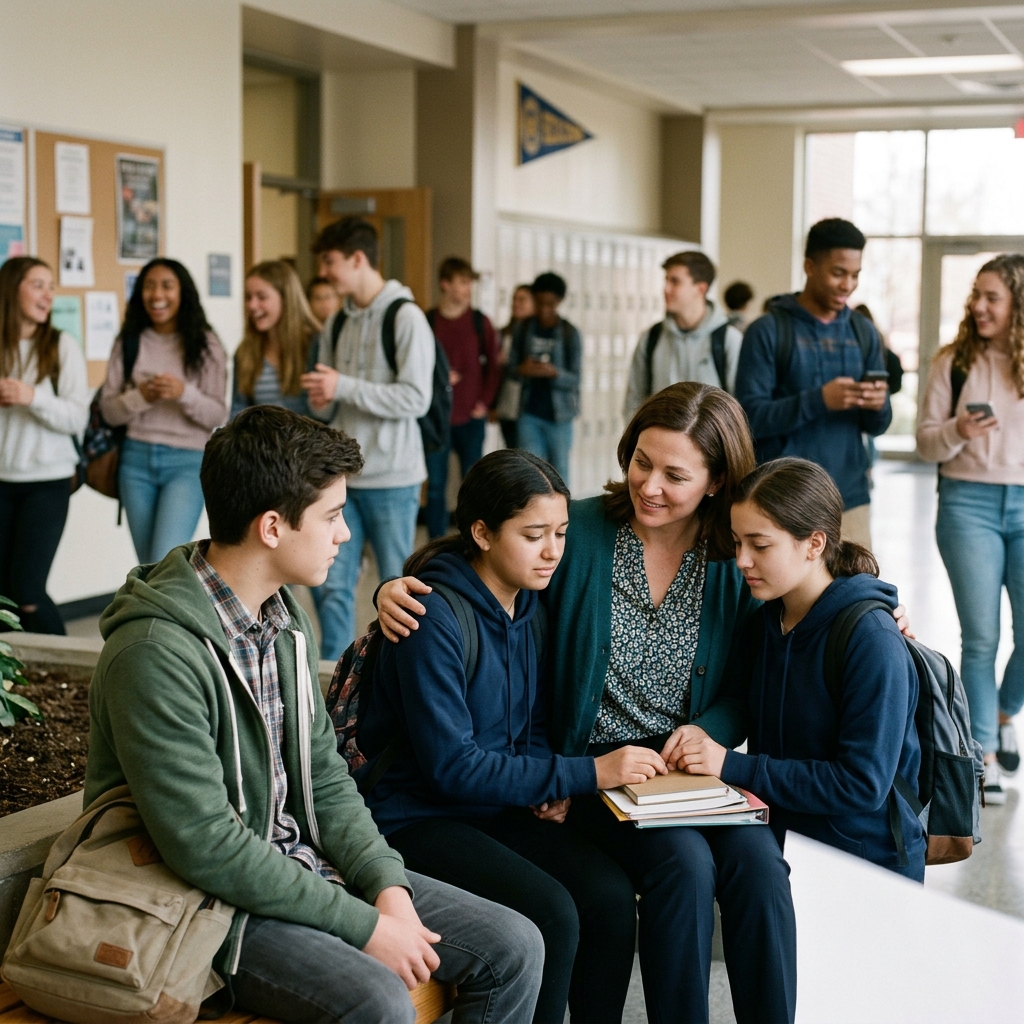
Every student is entitled to a safe place to learn. In the United States, federal and state laws require schools to address bullying and harassment, especially when it targets students because of protected characteristics such as race, disability, or sex. Beyond legal obligations, schools and families share a moral duty to prevent harm, respond quickly when it occurs, and support students so they can focus on learning rather than fear.
This article explains what bullying and harassment look like in K–12 settings, what rights students have, how schools and parents should respond, and practical steps anyone can take to help protect young people at school and online.
1. Understanding Bullying, Harassment, Intimidation, and Retaliation
Bullying and harassment are related but not identical. Knowing the difference helps families and schools decide what rules apply and what remedies are available.
1.1 Core definitions
| Term | Typical Features |
|---|---|
| Bullying | Repeated, intentional behavior that harms, humiliates, or intimidates a student, often involving a power imbalance (physical strength, popularity, or social status). |
| Harassment | Unwelcome conduct based on a protected characteristic (such as race, color, national origin, sex, disability, or religion) that is severe, persistent, or pervasive enough to limit a student’s ability to participate in or benefit from school. |
| Intimidation | Acts or threats that create fear, pressure, or a hostile climate, even if there is no physical contact, and that interfere with a student’s sense of safety. |
| Retaliation | Any punishment or adverse treatment against a student for reporting bullying or harassment, assisting with an investigation, or asserting their rights. |
Harassment that targets students because of race, color, national origin, sex (including sexual orientation and gender identity), or disability can violate federal civil rights laws enforced by the U.S. Department of Education and the U.S. Department of Justice. When bullying overlaps with this kind of discrimination, schools have heightened legal duties to act promptly and effectively.
1.2 Forms of bullying students may experience
Bullying can occur in many ways, both in person and online. Students, parents, and staff should watch for patterns of conduct such as:
- Physical bullying – hitting, tripping, pushing, spitting, damaging or stealing belongings.
- Verbal bullying – name-calling, taunting, threats, or repeated comments meant to shame or humiliate.
- Social or relational bullying – spreading rumors, encouraging others to exclude someone, or manipulating friendships to isolate a student.
- Cyberbullying – sending hurtful messages, posting humiliating photos or videos, impersonating someone online, or organizing group attacks via social media, text, or gaming platforms.
Although a single incident may not automatically meet a legal definition of bullying or harassment, early intervention is important. Patterns often begin with smaller acts that escalate over time if no one intervenes.
2. Students’ Right to a Safe and Supportive School Environment
All students have the right to attend school without being threatened, humiliated, or excluded because of who they are. School districts must adopt and implement policies that protect students from bullying, harassment, and retaliation, and that clearly explain how to report concerns.
2.1 Legal protections and civil rights
Depending on the circumstances, bullying and harassment may violate several federal civil rights laws, including:
- Title VI of the Civil Rights Act – prohibits discrimination based on race, color, or national origin in schools that receive federal funds.
- Title IX of the Education Amendments – prohibits discrimination based on sex, including sexual harassment, gender-based harassment, and harassment of LGBTQ+ students.
- Section 504 and the ADA – prohibit disability-based discrimination and require schools to address disability-related bullying that limits a student’s access to education.
States also adopt detailed laws that define harassment, intimidation, and bullying and require school districts to have policies, training, and reporting systems. In some states, schools must publicly post their anti-bullying policies and incident reporting procedures.
2.2 What schools are required to do
While specific obligations vary by state, most school districts are expected to:
- Maintain a written anti-bullying and anti-harassment policy that applies to all students and staff.
- Designate a compliance officer or coordinator responsible for overseeing investigations and ensuring policy enforcement.
- Provide clear instructions to students, staff, and parents on how to report suspected bullying or harassment, including anonymous options.
- Respond promptly to reports with an impartial investigation and take steps to stop the conduct, prevent recurrence, and address its effects.
- Protect students from retaliation when they report or participate in a complaint process.
- Offer appropriate support services for impacted students, such as counseling and academic accommodations.
3. Recognizing Warning Signs and Documenting Incidents
Students do not always disclose bullying right away. Adults should monitor for changes in behavior and gather information carefully when concerns arise.
3.1 Possible warning signs in students
Students who are being targeted may show one or more of the following indicators:
- Unexpected fear or reluctance about going to school or riding the bus.
- Frequent, unexplained physical complaints such as headaches or stomachaches.
- Sudden drops in grades, concentration, or class participation.
- Changes in sleep or eating patterns, or heightened anxiety and irritability.
- Unexplained injuries, damaged personal items, or missing belongings.
- Social withdrawal, loss of friends, or spending much more time alone.
Each sign can have multiple causes, so adults should calmly ask open questions rather than assume. Still, repeated or severe changes warrant prompt attention.
3.2 How families and students can document bullying
Accurate records strengthen any report submitted to the school or a government agency. Families and students can:
- Write down who was involved, what happened, where it occurred, and when (date and time) for each incident.
- Note whether the conduct involved slurs or comments tied to race, disability, sex, religion, or other protected traits, since this can trigger civil rights protections.
- Save copies or screenshots of online messages, posts, or images related to cyberbullying, including dates and usernames.
- Record who at the school was notified and the school’s response (emails, meeting notes, or letters).
Students should be reassured that documenting is not tattling; it is a way to help adults understand what is happening and respond effectively.
4. Reporting Bullying and Harassment: Step-by-Step
When bullying or harassment occurs, families and students should use the school’s reporting process first whenever it is safe to do so. If the response is inadequate, other options—including district or federal complaints—may be available.
4.1 Using school and district procedures
Most districts direct reports to be made to a teacher, counselor, principal, or designated compliance officer. A thorough report typically includes:
- Names of the students involved and any witnesses.
- Dates, locations, and descriptions of the conduct.
- Copies of written or digital evidence (texts, social media posts, photos).
- Information about how the incidents have affected the student (emotional distress, academic impact, avoidance of school activities).
In some jurisdictions, districts must provide an incident reporting form and publish it online, along with contact details for the responsible administrator. Families may submit reports in writing or electronically; keeping a copy is crucial.
4.2 Escalating concerns beyond the school
If the conduct involves discrimination or if the local response is ineffective, additional steps may include:
- Filing a district-level complaint using the school board’s formal process, often through a uniform complaint or grievance procedure.
- Submitting a civil rights complaint to the U.S. Department of Education’s Office for Civil Rights or the U.S. Department of Justice when the bullying appears to be based on race, color, national origin, sex, or disability.
- Contacting a state education agency or state school safety office for guidance and oversight.
Deadlines may apply to external complaints, so families should check timelines carefully and seek legal advice if needed.
5. What Effective School Responses Should Look Like
When schools learn about bullying or harassment, they must act quickly to protect students and restore a safe learning climate. An effective response is both immediate and long-term.
5.1 Immediate steps to protect the student
Right after a report, school officials should:
- Ensure the targeted student is safe, which may include adult supervision in certain areas or temporary schedule adjustments.
- Communicate with the student and family about what is being done and how the student can seek help during the school day.
- Take reasonable steps to separate the accused student from the target while maintaining fairness to both parties.
- Address urgent needs for counseling, mental health support, or medical care.
5.2 Conducting a fair investigation
Good investigations aim to understand what happened and how to prevent it from happening again. Common elements include:
- Prompt interviews with the student who reported, the alleged aggressor, and witnesses.
- Review of any written or digital evidence supplied by students and families.
- Documentation of findings, conclusions, and actions taken.
- Assessment of whether the conduct is linked to a protected characteristic, triggering civil rights obligations.
Students should not be required to confront the aggressor directly as a condition of being heard. The process should be respectful and private.
5.3 Remedies, discipline, and supports
Depending on severity, schools may use a combination of educational and disciplinary responses. Options can include:
- Behavioral interventions, counseling, or social skills training for the involved students.
- Restorative approaches when appropriate and voluntary, focusing on accountability and repairing harm.
- Disciplinary sanctions according to the school’s code of conduct for severe, persistent, or dangerous behavior.
- Academic adjustments, safety planning, or schedule changes that prioritize the impacted student’s access to education, not the aggressor’s convenience.
Schools also should monitor whether the harassment stops and whether any retaliation occurs. If problems persist, additional or revised measures are needed.
6. Building a Culture That Prevents Bullying
While strong policies and investigations are necessary, the most effective protection comes from a school-wide culture that makes bullying unacceptable and supports positive relationships.
6.1 Preventive strategies for schools
Research and practice suggest that comprehensive bullying prevention programs share several features:
- Clear, consistently enforced rules about how students should treat one another.
- Visible adult supervision in hallways, cafeterias, playgrounds, and online spaces that the school controls.
- Regular, age-appropriate education for students on recognizing bullying, standing up safely, and reporting concerns.
- Annual training for staff on policies, reporting procedures, and how to intervene early when they see warning signs.
- Data collection on incidents to identify patterns and evaluate whether prevention efforts are working.
6.2 How families and communities can help
Parents and caregivers play a vital role in both prevention and response. Helpful actions include:
- Talking regularly with children about their school day and friendships, not only when problems arise.
- Modeling respectful behavior and discouraging the use of slurs or stereotypes at home.
- Encouraging children to report bullying they experience or witness and assuring them it is not their fault.
- Partnering with schools on parent education workshops, safety committees, or anti-bullying campaigns.
- Working with community organizations, faith groups, or youth programs to promote inclusion and respect beyond the classroom.
7. Special Considerations: Cyberbullying and Vulnerable Groups
Certain forms of bullying pose distinct challenges and require tailored responses. Cyberbullying can follow students anywhere, and some groups—including students with disabilities and students of color—experience disproportionate rates of bullying and harassment.
7.1 Cyberbullying and digital safety
Because so much of students’ social life now occurs online, harmful conduct can quickly spread to large audiences. Schools and families should:
- Teach students how to use privacy settings and block or report abusive accounts.
- Encourage them not to forward or share harmful content targeting others.
- Ask students to save and document digital evidence before deleting or blocking, since records can help schools or platforms respond.
- Coordinate with social media companies or service providers when content violates platform rules or needs to be removed.
Many school districts treat cyberbullying as a policy violation when it substantially disrupts the school environment or interferes with a student’s education, even if some of the conduct occurs off campus.
7.2 Protecting students who face discrimination
Bullying that targets students because of race, disability, national origin, sex, religion, or other protected traits can be both emotionally devastating and legally significant. Advocacy organizations emphasize that schools must identify and respond to this conduct as discrimination, not just general misbehavior.
For these students, appropriate responses may include:
- Ensuring the school’s investigation explicitly addresses the discriminatory aspects of the conduct.
- Reviewing whether additional supports or accommodations are needed for students with disabilities whose services or progress have been affected by bullying.
- Offering culturally competent counseling and outreach to families.
- Providing staff with training on implicit bias, cultural responsiveness, and how to prevent disparate discipline outcomes while enforcing anti-bullying rules.
8. Frequently Asked Questions
8.1 Does every conflict between students count as bullying?
No. Disagreements, isolated teasing, or mutual arguments are not always bullying. Bullying usually involves repeated behavior, harm or humiliation, and often a power imbalance. However, even one serious incident can be harmful and should be reported so adults can respond.
8.2 Can my child report bullying anonymously?
Many school districts provide anonymous reporting options, such as hotlines, online forms, or written drop boxes. While anonymous reports can sometimes limit how much detail the school can verify, they are still important and must be taken seriously.
8.3 What if the bullying happens after school or off campus?
Schools may still have authority to act when off-campus conduct substantially disrupts the school environment or interferes with a student’s ability to learn, including some forms of cyberbullying. Families should still notify the school and provide documentation.
8.4 Can a student be disciplined for making a false claim?
Students should not be punished simply because a report cannot be proven. However, if a student knowingly makes a false allegation to harm someone else, schools may treat that as misconduct. Clear policies help distinguish good-faith reports from deliberate falsehoods.
8.5 What if the school does nothing or the bullying continues?
Families may escalate concerns to district administrators, school boards, state education agencies, or federal civil rights offices. Keeping detailed records of incidents and school responses is critical. Legal advice or advocacy support may also be helpful in persistent or severe cases.
References
- Harassment, Bullying, and Retaliation — U.S. Department of Education, Office for Civil Rights. 2014-10-21. https://www.ed.gov/laws-and-policy/civil-rights-laws/harassment-bullying-and-retaliation
- Harassment, Intimidation, and Bullying (HIB) — Washington Office of Superintendent of Public Instruction. 2022-08-01. https://ospi.k12.wa.us/student-success/health-safety/school-safety-center/harassment-intimidation-and-bullying-hib
- StopBullying.gov — U.S. Department of Health and Human Services. 2023-09-15. https://www.stopbullying.gov/
- Know Your Rights: Bullying and Discrimination — California Rural Legal Assistance. 2023-05-10. https://crla.org/get-help/k-12-education/bullying-and-discrimination/know-your-rights-bullying-and-discrimination
- Bullying Prevention and Reporting – School Safety — San Jacinto Unified School District. 2021-07-01. https://www.sanjacinto.k12.ca.us/apps/pages/index.jsp?uREC_ID=1958091&type=d&pREC_ID=2075840
- Bullying & Harassment — Colorado Office of School Safety. 2022-11-01. https://oss.colorado.gov/bullying-harassment
- Anti-Bullying and Harassment in Schools — NAACP. 2014-07-23. https://naacp.org/resources/anti-bullying-and-harassment-schools
Similar Articles








Read full bio of medha deb




