
Parole: 5 Key Reforms To Improve Public Safety And Reentry Now
How parole and release systems can prioritize rehabilitation, fairness, and successful reentry.
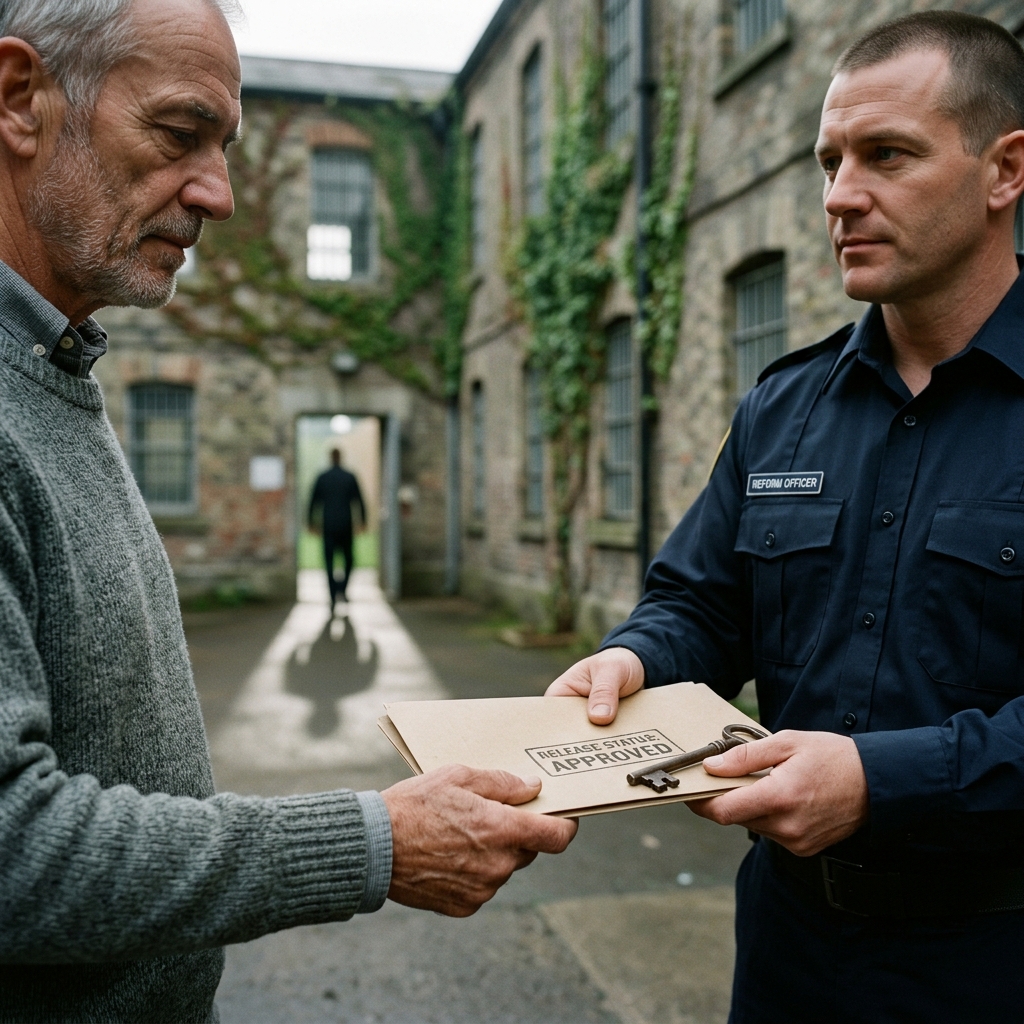
Parole is one of the most important parts of a fair correctional system because it gives people a chance to finish their sentences in the community under supervision instead of remaining in prison until the very end of their term. When designed well, it can reward progress, reduce unnecessary incarceration, and support a safer return to society.
Why parole exists
The basic purpose of parole is to balance accountability with rehabilitation. A person may have been sentenced to prison, but if they demonstrate growth, follow the rules, and no longer pose the same risk, release under supervision can serve both public safety and justice. Parole also recognizes that people usually return home eventually, so release should be managed in a way that prepares them for life outside prison rather than waiting until the last possible day.
In many systems, parole serves as a transition point. Instead of moving abruptly from a highly controlled prison environment to total freedom, a person is released with conditions, support, and oversight. That structure can make reentry more stable and can reduce the chance of failure after release.
How the process works
Parole decisions are typically made by a parole authority or parole board, which reviews whether a person is ready for supervised release. The review often considers the original offense, time served, institutional behavior, rehabilitation efforts, and plans for housing, work, and community support. If release is granted, the person usually must follow conditions such as maintaining employment, avoiding new criminal activity, meeting with supervision officers, and complying with treatment or other requirements.
Those conditions are meant to structure the return home, but they can also become barriers if they are too rigid or disconnected from real life. A supervision model works best when it is practical, proportionate, and focused on helping people succeed rather than setting them up to fail.
Where parole systems fall short
Although parole was intended to be a central feature of the justice system, many modern systems use it too sparingly or inconsistently. Some boards rely heavily on the offense itself while giving too little weight to rehabilitation, age, maturity, time served, or evidence of readiness for release. When decision-making is overly cautious or opaque, parole can become less a tool for assessment and more a routine extension of punishment.
Another problem is that people may be supervised and returned to prison for technical violations rather than new crimes. Missed appointments, paperwork issues, curfew errors, or struggles with transportation and housing can trigger harsh consequences even when public safety is not at stake. That approach can keep people trapped in the system and undermine the very purpose of release.
What a stronger model looks like
A better parole system treats release as a meaningful part of the sentence, not as an afterthought. It asks whether the person has changed, whether the community can support a successful return, and whether supervision conditions are likely to help rather than hinder progress. This approach does not eliminate accountability; instead, it uses accountability in a more purposeful way.
Key features of a more effective system include:
- Clear and transparent criteria for release decisions
- Regular review that emphasizes rehabilitation and readiness
- Conditions tailored to the person’s actual risks and needs
- Support for housing, work, treatment, and family reunification
- Limited use of incarceration for technical violations
These reforms can improve fairness and make supervision more productive. They also help ensure that prison stays are not longer than necessary for people who have already demonstrated change.
Release, supervision, and public safety
Public safety is often presented as the main reason to limit parole, but supervision can itself be a public safety strategy when it is smart and targeted. A person returning home usually needs stable housing, legitimate income, healthcare, and connection to family or community support. Conditions that promote those basics can reduce the chance of reoffending more effectively than long incarceration alone.
By contrast, over-supervision can create the opposite effect. When people are burdened with unrealistic reporting requirements or punishments for minor mistakes, they may lose jobs, fall behind on obligations, and become more unstable. A system that is strict in the wrong ways may increase risk rather than reduce it.
The role of reentry preparation
Parole works best when it is connected to reentry planning before the person leaves prison. That means helping people line up housing, medical care, identification documents, job training, family contact, and treatment where needed. Release without preparation often shifts the burden entirely to the individual, even when the system knows the first weeks after release are the most difficult.
Well-designed release policies also recognize that success depends on the broader environment. If a person returns to a community with few jobs and unstable housing, the parole process needs to account for those realities. Supportive supervision can help bridge that gap by connecting people to resources instead of simply monitoring them from a distance.
Common policy questions
| Policy issue | Why it matters | Better practice |
|---|---|---|
| Release criteria | Determines who gets a fair chance at parole | Use transparent standards that value growth and readiness |
| Supervision rules | Affects whether release is manageable | Set only conditions that are necessary and realistic |
| Violations | Can send people back to prison for minor missteps | Reserve incarceration for serious, repeated, or dangerous conduct |
| Reentry support | Shapes long-term success after release | Connect people to housing, work, and treatment early |
What reform can accomplish
Reforming parole and release policy can reduce unnecessary prison time, lower correctional costs, and make the justice system more credible. It can also improve trust by showing that the state is willing to recognize change and respond proportionately. People who have served substantial time and demonstrated improvement should have a realistic path home.
At the same time, reform should not be confused with leniency. A well-functioning system still evaluates risk, still enforces conditions, and still protects communities. The difference is that it uses those tools with discipline, consistency, and a focus on outcomes.
Frequently asked questions
What is parole?
Parole is the supervised release of a person from prison before the maximum sentence date, usually subject to conditions set by a parole authority.
How is parole different from release at the end of a sentence?
Parole happens before the full prison term is completed, while end-of-sentence release occurs after the sentence has been served in full.
Why do some people criticize parole boards?
Critics say boards may focus too much on the original offense and too little on rehabilitation, making release decisions inconsistent and overly punitive.
Can parole help public safety?
Yes. When supervision is targeted and realistic, it can support housing, employment, treatment, and accountability in ways that reduce risk.
Why are technical violations a concern?
Because they can lead to reincarceration for non-criminal mistakes, even when the person has not committed a new offense and does not pose a new threat.
Moving toward a more workable system
A modern parole system should do more than decide who gets out. It should help determine how a person returns, what support they need, and what level of supervision is actually useful. That means making release decisions more transparent, reducing unnecessary incarceration, and treating reentry as a public responsibility rather than a private burden.
When parole is used thoughtfully, it can honor accountability while creating a real chance for people to rebuild their lives. That is not only a fairness issue; it is also a practical strategy for communities that want safer, more stable outcomes.
References
- Parole – Wikipedia — Wikipedia. 2026-07-09. https://en.wikipedia.org/wiki/Parole
- Beyond the Prison Gates: The State of Parole in America — Office of Justice Programs, National Criminal Justice Reference Service. n.d.. https://www.ojp.gov/ncjrs/virtual-library/abstracts/beyond-prison-gates-state-parole-america
- Why Parole Matters — Restore Justice Foundation. n.d.. https://restorejustice.org/learn/why-parole-matters/
- United States Parole Commission — U.S. Department of Justice. n.d.. https://www.justice.gov/doj/organization-mission-and-functions-manual-united-states-parole-commission
- State Trends – Overlooked: How Parole Boards Shape Lives and Communities — Council of State Governments Justice Center. n.d.. https://projects.csgjusticecenter.org/overlooked/state-trends/
- Parole in perspective: A deep dive into discretionary parole systems — Prison Policy Initiative. n.d.. https://www.prisonpolicy.org/reports/parole.html
Similar Articles








Read full bio of Sneha Tete




