
One-Ring Phone Scams: How They Work and How to Stop Them
Learn how one-ring phone scams trick you into calling back, trigger hidden charges, and the practical steps you can take to avoid becoming a victim.
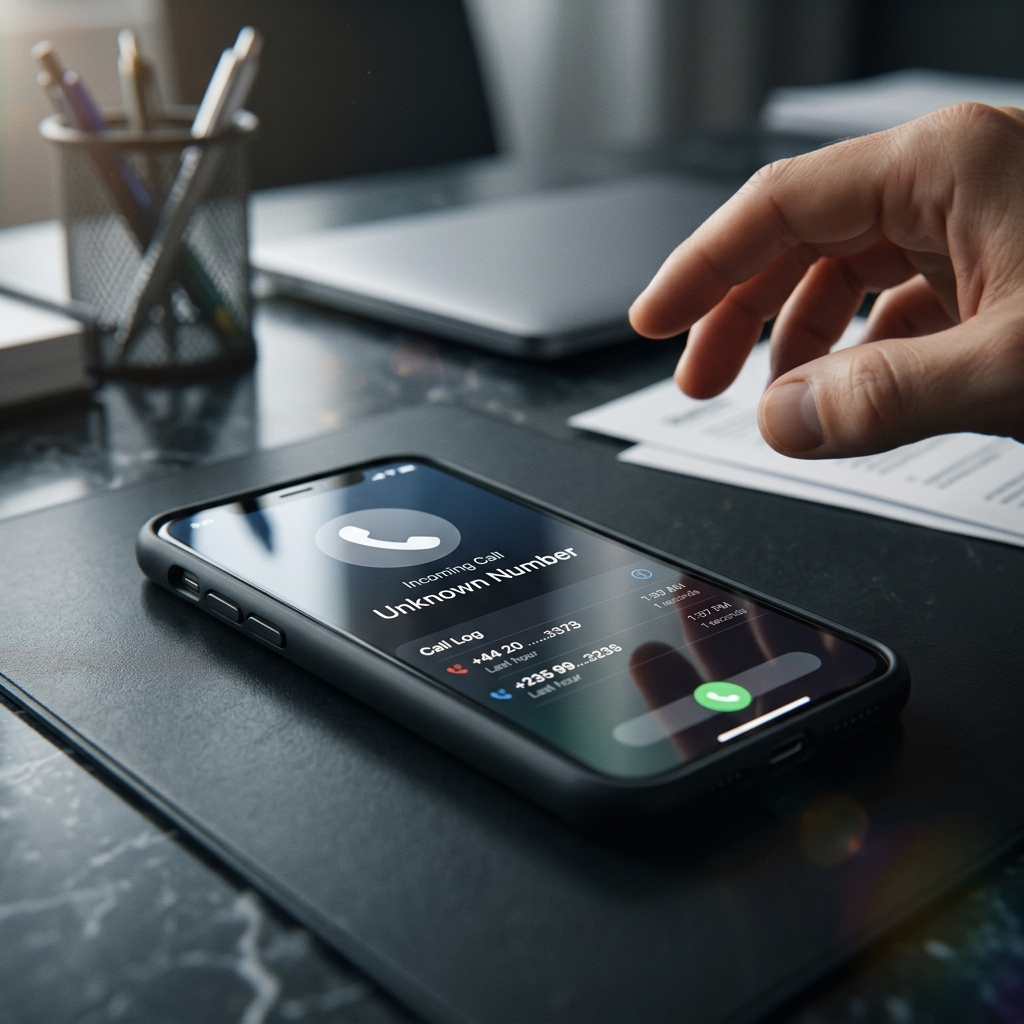
One-ring phone scams, also known as “Wangiri” scams, are a simple but costly type of telephone fraud that prey on a victim’s curiosity and impulse to return missed calls. These scams can quietly rack up large international or premium-rate charges in just a few minutes, leaving you with an unexpected bill and little recourse if you do not act quickly.
This guide explains what one-ring scams are, how scammers make money from them, the warning signs to watch for, and the specific actions you can take to protect yourself, your family, and your organization.
What Is a One-Ring Phone Scam?
A one-ring phone scam is a scheme in which fraudsters use automated systems to dial thousands of numbers, letting each call ring once before hanging up. The goal is to leave a missed call notification that tempts you to call back. When you do, you are quietly connected to a high-cost international or premium-rate number, and charges begin immediately.
Key characteristics of one-ring scams include:
- The call usually rings only once and disconnects automatically.
- The number often appears unfamiliar or may look similar to your local area code.
- If you call back, you are connected to an international or premium-rate service that charges high per-minute fees.
Because the scam relies on a single ring and a missed call, many people do not realize they have been targeted until they see their phone bill.
How the Scam Operates Step by Step
Although the scam looks simple from the victim’s perspective, it is highly automated and optimized to reach as many people as possible.
- Automated dialers place calls
Scammers use auto-dialing technology to call long lists of phone numbers in rapid succession. These systems can cycle through thousands of numbers in minutes, maximizing the chance that some recipients will call back. - The system hangs up after one ring
The dialer is configured to disconnect after a single ring or very short time, ensuring the call appears as a missed call on your device. This helps bypass voicemail and saves the scammers from paying for a longer connection. - You see a missed call and call back
The scam counts on human curiosity. Many people assume a call that rang once was urgent or accidental and return it quickly. By calling back, they initiate the expensive connection themselves. - You are connected to an expensive number
The callback is routed to a high-cost international or premium-rate service, often with area codes that resemble domestic numbers, such as some Caribbean or African codes that resemble U.S. area codes. Charges begin immediately. - Delays and scripts keep you on the line
Recorded messages, music, or a person pretending to need help may keep you from hanging up, increasing the time you stay on the call and the fees you incur. - Scammers share in the revenue
Fraudsters receive a cut of the per-minute and connection charges collected by the service, making even brief calls profitable at scale.
Why One-Ring Scams Can Be So Costly
Charges from one-ring scams typically come from international toll calls or numbers that carry a premium service fee. Depending on your phone plan, this can result in sizable charges for a call you did not intend to make.
| Type of Charge | Typical Impact | Who Receives the Money |
|---|---|---|
| International connection fee | One-time fee just for connecting the call | Phone carrier and service operator |
| Per-minute international rate | High per-minute cost, especially to certain countries | Phone carrier and international service provider |
| Premium-rate service charge | Additional surcharge on top of normal rates | Premium service operator and fraudsters |
According to consumer protection organizations, scam calls, including one-ring schemes, have contributed to billions of dollars in losses in recent years, with many victims unaware of how the charges originated.
Common Warning Signs You Are Being Targeted
Recognizing the early signs of a one-ring scam is the easiest way to protect yourself. Several red flags stand out across documented cases.
- Calls from unfamiliar or foreign-looking area codes
Many one-ring calls originate from international area codes that resemble domestic codes, particularly from Caribbean and West African countries. - Only one ring, then silence
The call disconnects almost immediately, often before you can answer, but leaves a missed call notification. - Repeated short calls in quick succession
Your phone may ring once several times in a short period, each time from a similar or slightly different number, increasing the temptation to return one of them. - No voicemail or legitimate message
A legitimate caller usually leaves a voicemail or follows up with a text. One-ring scams almost never leave a clear message. - A “+” sign appearing when you dial back
When calling an unknown number, the presence of a “+” sign before the area code indicates an international call, which often carries high rates.
Who Is Most at Risk?
Anyone with a mobile or landline phone can be targeted, but some groups face higher risk because they are more likely to answer or return unfamiliar calls:
- Older adults who may be less familiar with modern phone scams or international billing practices.
- Busy professionals who routinely return missed calls for work and may not examine the number closely.
- Caregivers and parents who worry missed calls could be emergencies and call back quickly.
- Small business owners who rely on phone calls for new customers and inquiries.
Education and clear household or workplace policies about how to handle unknown calls can significantly reduce the risk for these groups.
Practical Ways to Protect Yourself
Preventing one-ring scam losses requires a mix of personal habits and technical safeguards. Consumer protection agencies and phone providers recommend several best practices.
Adopt Safer Calling Habits
- Do not return calls from unknown numbers that ring once – when in doubt, let it go. If it is important, the caller will usually leave a message.
- Pause before calling back – take a moment to examine the number, and search the area code or full number online to see if others have reported it as a scam.
- Watch for the “+” symbol and unusual codes – if the dialer shows a “+” before the number or an unfamiliar country/area code, hang up immediately.
Use Tools from Your Phone Provider
- Ask to block international or premium-rate calls if you rarely need them, particularly on phones used by children or older family members.
- Enable scam-blocking and caller ID services offered by many carriers to identify or block known suspicious numbers before they reach you.
- Set account alerts so that unusual calling patterns or high international charges trigger a notification from your provider.
Take Advantage of Call-Blocking Apps
Dedicated call-blocking apps and services can help filter out suspected scam calls using shared blacklists and machine learning. While not perfect, they reduce the number of one-ring calls that reach your phone.
- Install reputable call-filtering apps from trusted developers.
- Regularly update the app so it has the latest scam patterns and number lists.
- Report any one-ring numbers you receive so others benefit from your experience.
What to Do If You Called Back
If you realize you have returned a one-ring call, acting quickly can limit financial damage and help authorities track the scam.
Immediate Steps
- Hang up as soon as you suspect a scam – do not stay on the line, even if you are curious or the message asks you to wait.
- Note the number, time, and length of the call – these details will be useful when you contact your provider or file a complaint.
- Check your call log and bill – review recent activity for unfamiliar numbers or unexpected international charges.
Contact Your Phone Company
Reach out to your telephone or mobile provider as soon as possible to explain what happened.
- Ask for an explanation of the charges and whether they can be removed or reduced.
- Request blocks on international or premium-rate calls if appropriate.
- Inquire about additional fraud alerts or protective features you can enable.
Report the Scam to Authorities
Regulators encourage consumers to report unwanted calls, including one-ring scams, so they can identify patterns and take enforcement action.
- In the United States, you can submit a complaint about suspicious phone charges to the Federal Communications Commission (FCC), which oversees interstate and international communications.
- You can also report the scam to the Federal Trade Commission (FTC), which investigates deceptive and unfair business practices, including phone fraud.
- If you have suffered significant financial loss or the scam is part of a broader fraud (such as identity theft), consider notifying local law enforcement as well.
Protecting Families, Seniors, and Workplaces
Because one-ring scams scale quickly, a single vulnerable household or office line can be targeted multiple times. Proactive education and policies can reduce the risk for groups.
For Households and Caregivers
- Explain to family members, especially older relatives, what one-ring scams are and why they should never call back unfamiliar one-ring numbers.
- Consider limiting international calling capability on phones used by those who may be more vulnerable to scams.
- Agree on a strategy for emergencies, such as using known contact numbers, so family members feel less pressure to return unknown calls.
For Employers and Organizations
- Communicate a clear policy about not returning missed calls from unknown international or suspicious numbers on company phones.
- Encourage employees to report one-ring activity to IT or security teams so that patterns can be monitored and numbers can be blocked.
- Work with your telecom provider to set appropriate limits and alerts for international and premium-rate calls from corporate lines.
Frequently Asked Questions About One-Ring Scams
Are one-ring scams illegal?
Yes. One-ring schemes are considered a form of telephone fraud in many jurisdictions, particularly when they are designed to mislead consumers into incurring unauthorized or unexpected charges. Consumer protection and communications regulators can take action against operators involved in such schemes.
Can I get my money back after a one-ring scam?
Recovery is not guaranteed, but you may be able to dispute charges with your phone company if you act quickly and clearly explain that the call was fraudulent. Some carriers may reduce or remove charges as a courtesy, especially for first-time incidents.
Is it safe to answer the call instead of calling back?
In many documented cases, the scam relies primarily on you returning the call rather than answering it. However, answering unknown calls can expose you to other scams, including social engineering, so authorities generally recommend avoiding or letting unfamiliar numbers go to voicemail.
Are only mobile phones targeted?
No. Both mobile and landline numbers can be targeted by one-ring scams. Any number that can place outgoing calls and be billed for them is potentially vulnerable.
Do scam-blocking apps stop all one-ring calls?
No tool can block every scam call, but reputable call-filtering services can significantly reduce the volume of suspicious calls you receive by using shared reports, carrier data, and pattern recognition. They should be used alongside safe calling habits.
Key Takeaways
- One-ring scams exploit curiosity by generating missed calls and hoping you will call back.
- Calling back can trigger international or premium-rate charges that quickly add up.
- Never call back unfamiliar one-ring numbers; verify area codes and use online resources if you are unsure.
- Use tools and features from your phone provider, such as call blocking, international restrictions, and fraud alerts.
- Report suspicious calls to your carrier and relevant regulators to help protect others.
References
- What Is The One Ring Scam? – How Does It Work? — SEON. 2023-04-18. https://seon.io/resources/dictionary/one-ring-scam/
- Understanding the One Ring Scam — Chapman University Information Systems & Technology. 2025-08-05. https://blogs.chapman.edu/information-systems/2025/08/05/understanding-the-one-ring-scam/
- One Ring Scam — Montgomery County Police Department. 2022-06-10. https://www.montgomerycountymd.gov/montgomery-county-police-department/how-do-i/frauds-scams/one-ring-scam
- Identify And Prevent One-Ring Call Scams — True Link Financial. 2023-07-14. https://www.truelinkfinancial.com/blog/the-one-ring-call-scam
- One Ring Phone Scams — Federal Trade Commission (FTC) Video Transcript. 2014-02-11 (still cited by FTC as consumer guidance). https://www.youtube.com/watch?v=MWz33PfSG5o
- One-Ring Call Scams — AT&T Cyber Aware. 2022-09-01. https://about.att.com/pages/cyberaware/ar/wangiri
Similar Articles








Read full bio of Sneha Tete




