
Nevada Felony Evading Police: Injury, Death and Legal Defense
Understand how Nevada treats felony evading police that causes death or bodily harm, and what defenses and legal options may be available.
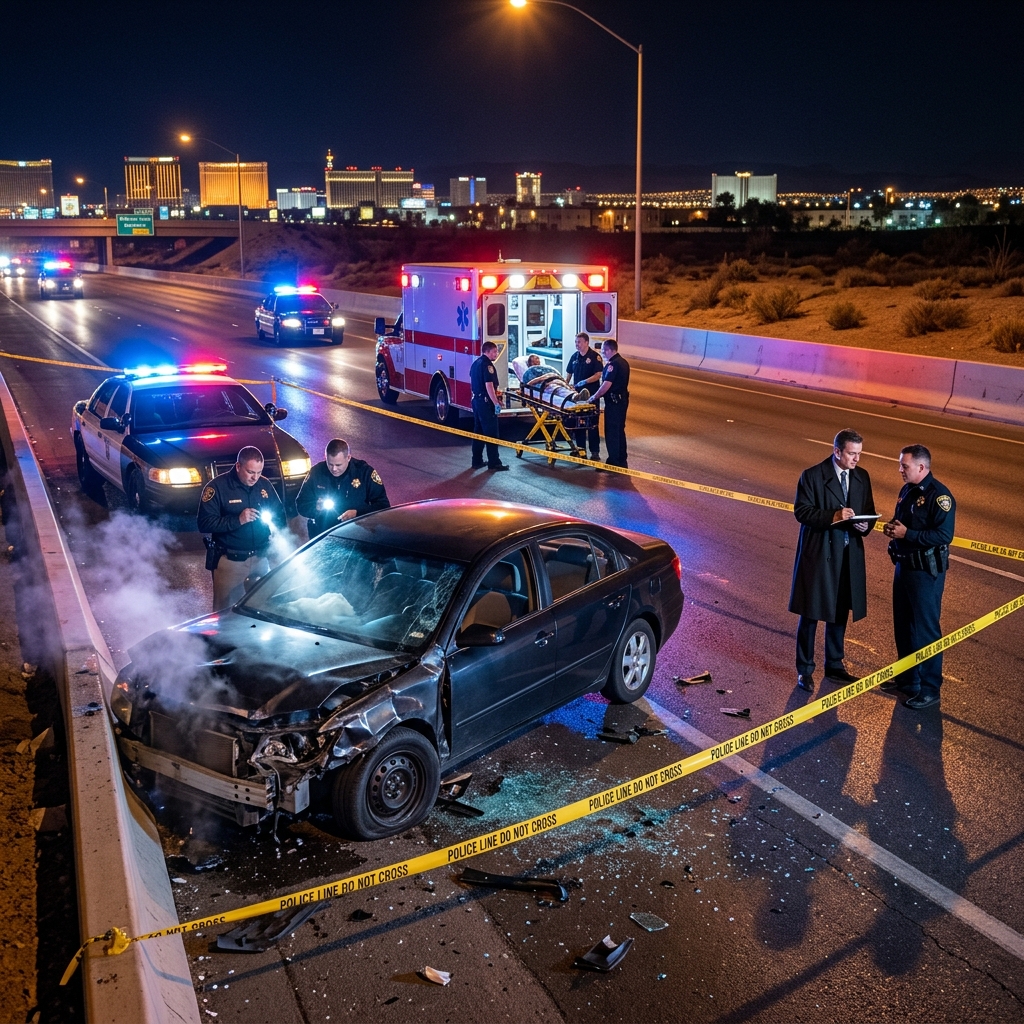
Failing to stop for law enforcement in Nevada can turn into a serious felony if someone is injured or killed during the attempt to flee. Understanding when ordinary evading becomes a felony, what prosecutors must prove, and how penalties work is essential for drivers, victims, and anyone facing these charges.
Overview: From Simple Evasion to Serious Felony
Under Nevada law, a driver who willfully refuses to stop or attempts to flee after a police officer signals them to pull over commits a criminal offense. If that flight results in property damage, endangerment, bodily harm, or death, the offense can escalate to a category B felony with substantial prison time and fines.
- Misdemeanor evading: Willfully refusing to stop or fleeing after a lawful signal to stop, without injury or damage.
- Felony evading with damage/endangerment: Flight that causes property damage or endangers people or property.
- Felony evading causing injury or death: Flight that proximately causes bodily harm or death to another person.
This progression means the same basic conduct—refusing to stop—can carry dramatically different consequences depending on what happens during the pursuit.
Legal Foundation: NRS 484B.550 Explained
The primary statute governing evading police in Nevada is NRS 484B.550, titled “Stop required upon signal of peace officer.” The law sets out both the basic offense and the circumstances that make it a felony.
Key Elements of Basic Evading
To establish the misdemeanor form of evading, prosecutors generally must show that:
- The person was driving a motor vehicle on a highway or public-access premises.
- A peace officer in a readily identifiable vehicle signaled the driver to stop.
- The signal included a flashing red lamp and siren that the driver could reasonably perceive.
- The driver wilfully failed or refused to stop, or otherwise fled or attempted to elude the officer.
Importantly, the law does not require the driver to agree that the stop was justified. Even if the driver believes the officer is mistaken, they must stop and contest the stop later through legal channels rather than fleeing.
When Evading Becomes a Felony
Evading becomes more serious when the driver’s conduct creates danger or causes harm. NRS 484B.550 sets out two critical felony scenarios:
| Scenario | Legal Classification | Typical Penalties |
|---|---|---|
| Property damage or endangerment during evasion | Category B felony | 1–6 years in prison; up to $5,000 fine; or both. |
| Bodily harm or death caused during evasion | Category B felony | 2–20 years in prison; up to $50,000 fine; or both. |
In both situations, the prosecution must show that the driver’s conduct during evasion was the proximate cause of the harm, meaning the harm was closely and reasonably connected to the decision to flee.
What Counts as “Bodily Harm” or “Substantial Bodily Harm”?
When evading police results in physical injury, courts look to Nevada’s definitions of bodily harm and, in some contexts, substantial bodily harm. While NRS 484B.550 refers to bodily harm generally, other Nevada statutes define substantial bodily harm in detail to guide sentencing and enhancements.[10]
- Bodily harm: Any physical injury, from minor injuries to serious trauma, that can be linked to the evasion.
- Substantial bodily harm: Bodily injury that creates a substantial risk of death, leads to serious permanent disfigurement, causes long-term loss or impairment of a bodily organ or member, or results in prolonged physical pain.[10]
These distinctions become important when evading overlaps with other crimes such as DUI causing injury or death, where substantial bodily harm may trigger mandatory minimum sentences and additional penalties.[10]
Felony Evading vs. DUI Causing Injury or Death
In practice, a driver can face both evading charges and driving under the influence (DUI) charges if they were impaired and fled from law enforcement. Nevada has a separate statute, NRS 484C.430, that addresses DUI resulting in substantial bodily harm or death.
- Felony evading causing injury/death: Focuses on the decision to flee and the resulting harm.
- DUI causing injury/death: Focuses on driving while impaired and causing injury or death through negligence or unlawful acts.
DUI causing substantial bodily harm or death carries mandatory prison terms of 2 to 25 years and other significant consequences such as license revocation and fines. By contrast, felony evading causing bodily harm or death generally carries 2 to 20 years and up to $50,000 in fines.
When both statutes apply, courts can impose consecutive sentences, meaning the defendant serves one term after the other, dramatically increasing total incarceration time.
Penalties and Collateral Consequences
Felony evading that causes death or bodily harm is among the more serious traffic-related offenses in Nevada. The penalties extend beyond prison and fines.
Criminal Penalties
- Prison term: Between 2 and 20 years for felony evading causing bodily harm or death.
- Fines: Up to $50,000, plus restitution to victims where appropriate.
- Felony record: Permanent felony conviction that can severely limit employment, housing, and licensing opportunities.
For lesser felony evading (endangerment or property damage only), the prison range is 1 to 6 years and fines up to $5,000.
Civil and Administrative Fallout
Beyond criminal sentencing, defendants and victims may face:
- Civil lawsuits: Victims of injury or family members of deceased persons may seek damages for medical expenses, pain and suffering, and wrongful death.
- Driver’s license consequences: Serious offenses often trigger license suspension or revocation, especially when combined with DUI.
- Insurance impacts: Convictions for evading and related offenses can lead to policy cancellation or sharply higher premiums.
These collateral consequences underline why felony evading charges must be handled strategically and promptly.
How Prosecutors Build Felony Evading Cases
To secure a conviction for felony evading causing injury or death, prosecutors typically combine statutory elements with evidence from the pursuit and crash scene.
Core Proof Requirements
While each case is unique, the prosecution typically aims to establish:
- The officer’s vehicle and signals (red lamp and siren) met statutory requirements.
- The defendant recognized or reasonably should have recognized the officer’s signal to stop.
- The defendant willfully chose to flee or failed to stop, indicating intent to evade.
- The evasion was the proximate cause of the collision, injury, or death.
Evidence may include dashboard camera recordings, body camera footage, eyewitness testimony, accident reconstruction reports, and expert opinions on causation.
Proximate Cause and Foreseeability
Proximate cause requires more than simple factual connection. Prosecutors must show that the harm was a reasonably foreseeable result of the evasion. For example:
- High-speed flight through busy intersections can make serious collisions foreseeable.
- Driving against traffic, ignoring signals, or weaving through lanes increases foreseeability of harm.
Defense attorneys often challenge proximate cause by arguing that other factors, such as the behavior of another driver, road conditions, or law enforcement tactics, broke the causal chain.
Common Defenses to Felony Evading Charges
Even when harm occurs, not every incident legally qualifies as felony evading. Several defenses may be available depending on the facts.
Questioning the Initial Signal and Identification
- Inadequate signal: If the officer did not use both a flashing red lamp and siren, or if the vehicle was not readily identifiable as law enforcement, the basic evading element may fail.
- Visibility issues: Weather, traffic, or obstacles may prevent the driver from noticing the signal.
Evidence such as video footage, witness testimony, and expert analysis on visibility can be critical in these defenses.
Lack of Willful Intent
Felony evading requires proof that the driver willfully refused to stop or attempted to flee. Defense strategies may include:
- Showing the driver attempted to find a safe place to pull over rather than flee.
- Demonstrating confusion, medical emergency, or panic rather than deliberate evasion.
If jurors doubt that the driver intentionally tried to evade, felony charges may be reduced or dismissed.
Challenging Causation and Degree of Harm
- Causation: Arguing that the injury or death was primarily caused by another driver or unrelated factors, not by the evasion.
- Extent of harm: Disputing claims of bodily harm or substantial bodily harm with medical records and expert testimony.[10]
Success on these issues can mean the difference between a misdemeanor, a lower-level felony, or full acquittal.
Why Legal Representation Is Crucial
Because felony evading involving injury or death exposes defendants to long prison terms and large fines, experienced criminal defense counsel is almost always necessary.
Role of a Defense Attorney
- Assessing whether the officer’s actions complied with statutory requirements and constitutional limits.
- Evaluating video and accident evidence to reconstruct events and challenge prosecution narratives.
- Negotiating with prosecutors for charge reductions, plea agreements, or alternative sentencing.
- Advising on collateral issues such as immigration consequences, professional licenses, and civil liability.
In some cases, attorneys may coordinate with experts in accident reconstruction, medicine, and police practices to provide a more complete defense.
Practical Tips to Avoid Evading Charges
Although the law focuses on punishment after evasion occurs, understanding basic safety and compliance can help drivers avoid ever facing these charges.
- Stop promptly and safely: When you see red lights and hear a siren from a marked police vehicle, signal and pull over to a safe location as soon as practical.
- Communicate clearly: If you must drive a short distance to reach a safe shoulder or parking lot, use turn signals and reduce speed to show you are complying, not fleeing.
- Remain calm: Emotional reactions and panic can lead to poor decisions; complying calmly with lawful orders reduces risk.
- Challenge later, not on the road: If you believe a stop is unlawful, document the interaction and seek legal advice rather than refusing to stop.
These steps not only improve safety but also make it easier to defend against allegations of evasion if misunderstandings arise.
Frequently Asked Questions (FAQs)
Is evading police always a felony in Nevada?
No. Basic evading—willfully failing to stop or fleeing after a lawful signal, without damage, endangerment, or injury—is a misdemeanor under NRS 484B.550. It becomes a category B felony only when the flight causes property damage, endangers people or property, or results in bodily harm or death.
What is the maximum prison sentence for felony evading causing death?
For felony evading that proximately causes the death or bodily harm of another person, Nevada law allows a sentence of up to 20 years in state prison and a fine up to $50,000.
Can someone be charged with both DUI and felony evading for the same incident?
Yes. If a driver was impaired and fled from law enforcement, causing injury or death, prosecutors may bring both felony evading charges under NRS 484B.550 and DUI causing substantial bodily harm or death charges under NRS 484C.430. Each statute focuses on different conduct, and penalties can stack.
Does it matter if the driver thought the stop was illegal?
Generally, no. The evading statute focuses on whether the driver willfully refused to stop after a lawful signal, not on the driver’s opinion of the stop’s legality. Disputes about the legality of the stop are usually resolved in court, not on the roadway.
How is “substantial bodily harm” proven?
Prosecutors rely on medical records and expert testimony to show that the injury created a substantial risk of death, caused serious permanent disfigurement or loss of function, or resulted in prolonged physical pain.[10] These facts are often contested by defense experts.
When to Consult a Nevada Criminal Defense Lawyer
Anyone investigated for or charged with evading police—especially when injury or death is involved—should seek legal counsel quickly. Early intervention can help:
- Protect constitutional rights during questioning and evidence collection.
- Preserve crucial evidence such as surveillance footage or witness accounts.
- Shape negotiations with prosecutors before charges or sentencing recommendations are finalized.
Victims and families can also benefit from legal advice to understand their rights in both the criminal case and any civil claims arising from the incident.
References
- Nevada Revised Statutes § 484B.550 – Stop required upon signal of peace officer — Nevada Legislature. 2025-01-01. https://www.law.justia.com/codes/nevada/chapter-484b/statute-484b-550/
- Felony Eluding Police Resulting in Death or Injury – Nevada Law — De Castroverde Criminal & Injury Lawyers. 2023-06-01. https://702defense.com/nrs/484b-550-evading-police/felony-evading/
- NRS 484C.430 – Driving under the influence causing substantial bodily harm or death — Nevada Legislature (cited via summary)
- DUI Causing Injury or Death Lawyer in Las Vegas, NV — Goodman Law Group. 2023-01-15. https://www.goodmanlawgroup.com/dui-defense-attorney/dui-causing-injury-or-death/
- Substantial Bodily Harm Enhancements — Las Vegas Criminal Defense Attorney. 2022-09-10. https://www.lvnvlawfirm.com/practice-areas/lv-criminal-law-center/violent-crimes/substantial-bodily-harm-enhancements/
Similar Articles








Read full bio of Sneha Tete




