
Neighbor-Friendly Fencing: Law, Etiquette, and Smart Design
Learn how to plan, build, and maintain a fence that respects property laws, honors good neighbor etiquette, and enhances your outdoor space.
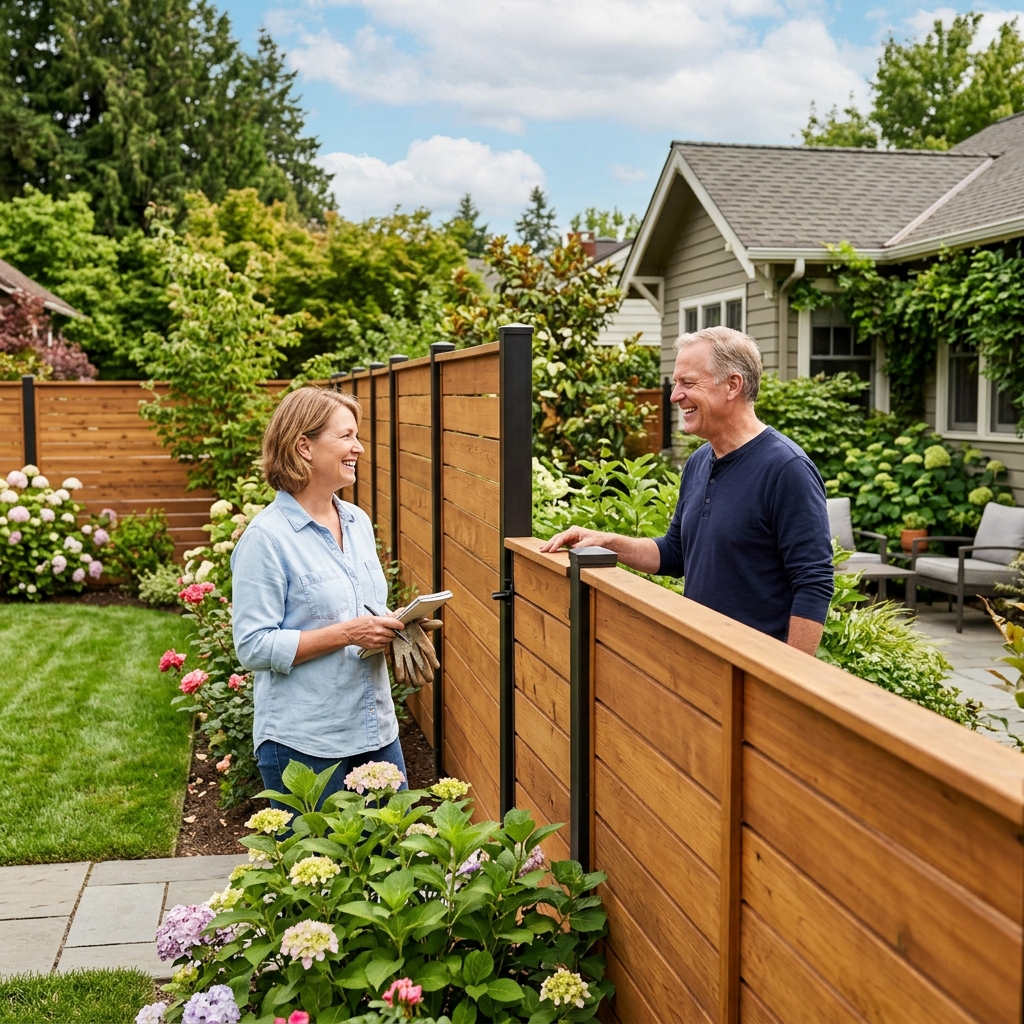
Adding a fence can improve privacy, security, and curb appeal, but it can also trigger conflict if you ignore property lines, local rules, or basic neighborly etiquette. This guide explains how to plan and build a fence that complies with the law, respects your neighbors, and still meets your needs.
Understanding Why Fences Cause Neighbor Problems
Fences sit right at the edge of your property, where your rights meet your neighbor’s rights. Because they are highly visible and often affect light, views, and access, they are a common source of complaints and disputes. Many local governments report that boundary and fence issues are among the most frequent neighbor conflicts handled by mediators and housing departments.
The good news is that most problems can be avoided with careful planning and open communication long before any posts go into the ground.
Step One: Confirm Property Lines Before You Build
Before choosing materials or hiring a contractor, you need to know exactly where your land begins and ends. Building on or over a neighbor’s property line can lead to legal action, orders to remove the fence, or costly boundary lawsuits.
- Review official surveys: Check your property survey or plat map, often attached to your deed or available through your local land records office.
- Locate markers: Look for metal stakes or pins installed by surveyors, which typically mark corners and sometimes midpoints of property boundaries.
- Hire a surveyor if needed: If you are unsure or your markers are missing, a licensed surveyor can perform a new survey and produce a clear map.
- Respect the boundary: In many jurisdictions, placing structures directly on or over the property line requires the consent of both owners.
Doing this work up front protects you from later accusations that your fence encroaches on someone else’s land.
Know the Legal Ground Rules: Codes, Permits, and HOAs
Local law often sets limits on fence height, location, and design. Ignoring these rules can result in fines or orders to modify or remove the fence.
- Check zoning and building codes: Many cities and counties regulate maximum height (for example, lower limits in front yards and higher limits in rear yards) and may restrict certain materials in residential zones.
- Look up setback requirements: Some codes require fences to be set back a few feet from property lines or sidewalks, especially near street corners for visibility and safety.
- Obtain permits where required: Some communities require a fence permit or inspection, particularly for tall privacy fences or pools.
- Review HOA guidelines: Homeowners’ associations often have additional rules about fence styles, colors, and placement to keep the neighborhood visually consistent.
Consult your local planning or building department, and, if applicable, your HOA documents, before you sign a contract or buy materials.
Fence Etiquette: How to Be a Thoughtful Neighbor
Legal compliance is only half the story. Good etiquette helps you avoid strained relationships and tense conversations. Etiquette experts emphasize that neighbors should talk before significant home projects, especially those affecting shared boundaries.
Talk Before You Build
Inform neighbors early, ideally before finalizing your design:
- Give a friendly heads-up: Explain what you plan to build, why, and roughly when the work will happen.
- Invite questions and input: While you’re not required to follow their preferences, listening and considering their concerns can prevent resentment.
- Discuss tricky features: Talk through any shared trees, existing structures, or drainage issues that intersect the fence line.
Offer the Better-Looking Side
In many areas, there is a convention that the more attractive, smooth side of a fence faces outward toward neighbors or public streets.
- Place posts on your side: This often results in a cleaner look for your neighbor and follows common fence etiquette.
- Use double-sided designs: “Good neighbor” fences are designed to look finished on both sides, reducing aesthetic complaints.
Limit Construction Impacts
Consider how your project will affect others while work is underway:
- Noise and timing: Schedule loud work during reasonable daytime hours, avoiding early mornings or late evenings when possible.
- Parking and access: Keep heavy equipment and contractor vehicles off neighboring driveways and lawns, and ensure they do not block access.
- Lights and visibility: Aim any security or flood lights away from your neighbor’s windows and doors to avoid glare.
Design Choices: Balancing Privacy, Aesthetics, and Harmony
Your fence should meet your practical needs without feeling hostile or overbearing to others. Thoughtful design helps you balance privacy with neighborhood character.
Material and Style Options
Different materials send different signals and have distinct maintenance and cost profiles.
| Material | Privacy Level | Neighborhood Impact | Maintenance |
|---|---|---|---|
| Wood (solid panels) | High | Can feel imposing if very tall; warm and traditional | Moderate to high (painting or sealing) |
| Wood (picket or spaced) | Medium | Friendly look, often seen in front yards | Moderate |
| Vinyl | High | Clean appearance; style varies by color and texture | Low (washing as needed) |
| Chain-link | Low | Functional; may be viewed as less attractive in residential areas | Low |
| Living fence (hedges, shrubs) | Medium to high | Soft, natural boundary; can enhance neighborhood greenery | Moderate (pruning and watering) |
Height and Openness
Height and density directly affect how a fence feels:
- Front yards: Lower, more open fences (like pickets) preserve views and neighborhood openness and are often required by zoning codes.
- Backyards: Taller privacy fences are more acceptable, especially to block busy roads or close houses.
- Living fences and screens: Shrubs, trellises, and lattice panels with vines can provide privacy with a softer, more welcoming appearance.
Special Situations: Shared Fences, Trees, and Unfriendly Views
Some fence projects raise extra questions, especially when they connect to existing structures or involve shared natural features.
Connecting to a Neighbor’s Existing Fence
If your neighbor already has a fence along the boundary, you have options:
- Build independently: Install your fence close to, but fully on your side of the line, without physically attaching to your neighbor’s structure.
- Request permission to attach: Ask before tying into their posts or panels. If they agree, discuss cost-sharing and materials.
- Coordinate an upgrade: Propose replacing the existing fence with a new one that benefits both properties, possibly splitting costs.
Trees on or Near the Boundary
Trees can complicate fence placement. In many areas, owners have duties to avoid damaging a shared or neighboring tree, and disputes over cutting roots or branches can escalate.
- Identify ownership: Trees that sit directly on a property line may be treated as jointly owned, requiring agreement for major changes.
- Work around roots: Adjust post placement or use alternative foundations to avoid significant root cutting when possible.
- Discuss pruning plans: Talk through any branch trimming required for the fence project to avoid surprise damage claims.
Managing Unpleasant Views
If your primary goal is blocking unsightly views or heavy traffic, consider combinations of structures rather than a single solid wall:
- Layered privacy: Combine a modest-height fence with shrubs, trellises, or arbors for enhanced screening.
- Target “hot spots”: Use tall panels or plantings only where visibility is worst, keeping other areas more open.
- Movable screens: Portable panels or planters with tall grasses can provide flexible privacy near patios or decks.
Cost, Maintenance, and Responsibility
Before building, think about who will pay for the fence, who will maintain it, and how you will handle repairs.
- Who pays: If you initiate the project entirely on your own property, you typically bear the full cost. If both owners agree that a shared fence benefits them, they may choose to split expenses.
- Maintenance duties: Clarify who will stain, clean, or repair the fence and how often, especially for shared structures.
- Access to the other side: Consider how you will reach the neighbor-facing side if you need to repair or paint it later; obtain permission before entering their yard.
Some states have “boundary fence” statutes that address shared fences between rural or agricultural properties. These rules can influence cost-sharing and maintenance obligations, particularly where livestock is involved.
Preventing and Handling Disputes
Even well-planned projects can lead to misunderstandings. A calm, informed approach helps you resolve issues without escalating to lawsuits.
Preventive Strategies
- Document agreements: If you and your neighbor decide to share costs or maintenance, write down the terms in a simple signed note or email exchange.
- Use reputable contractors: Work with licensed professionals familiar with local codes and accustomed to checking property lines.
- Keep records: Save surveys, permits, contractor agreements, and correspondence, in case questions arise later.
What if Your Neighbor Ob…Similar Articles
Similar Articles








Read full bio of Sneha Tete


