
Navigating Marriage Licenses: A Practical Legal Guide
Learn the legal steps, documents, fees, and timelines involved in securing a marriage license before your wedding day.
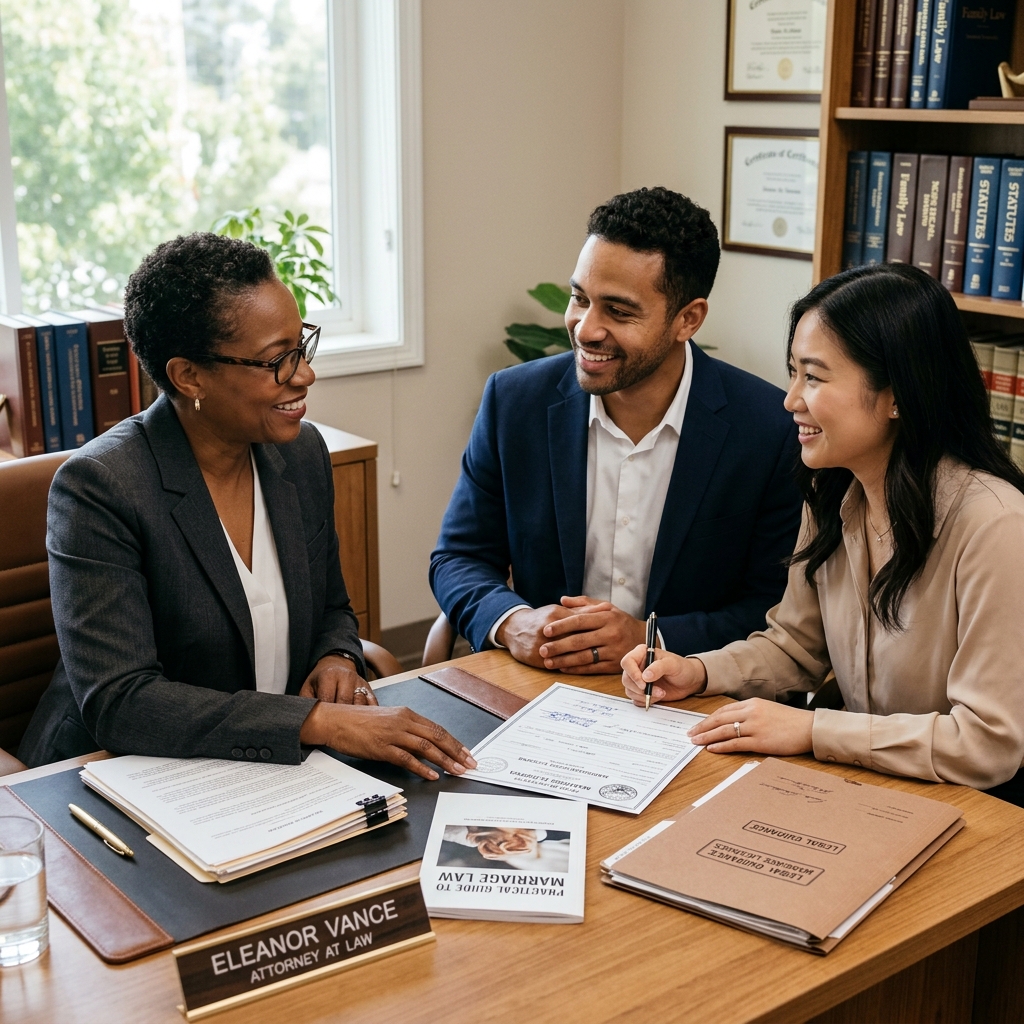
Before you can legally marry, most jurisdictions require you to obtain a marriage license from a government office, often the county or city clerk. A marriage license is the official authorization to marry, and without it, your wedding ceremony may not be recognized by the law. This guide explains how marriage licenses work, what you need to apply, common waiting periods and expiration rules, and what happens after the ceremony.
What a Marriage License Does and Why It Matters
A marriage license is a legal document issued by a government authority that grants you permission to enter into a civil marriage. It is typically obtained before the ceremony and returned to the issuing office after it has been signed by the couple, the officiant, and witnesses. The information on the license is later used to create your official marriage record and any certified copies you may need.
- Legal authorization: Confirms that you meet legal requirements (age, capacity, not currently married) to marry.
- Vital record: Forms the basis for your marriage certificate, which is part of public vital records in most jurisdictions.
- Proof for other processes: Certified copies of your marriage record are used for name changes, immigration filings, tax matters, and benefits.
Because a marriage license intersects with multiple areas of law, including family law, property, and taxation, securing it properly ensures your marriage is recognized and enforceable in court if issues arise later.
Where You Apply: Residency and Location Rules
The office that issues marriage licenses is usually defined by state or local law. In many U.S. states, couples apply with the county clerk or a similar vital records office. These offices also tend to handle birth certificates, death certificates, and other life event records.
Typical Rules on Where to Apply
Laws vary by state, but common rules include:
- Residents: If at least one of you lives in the state, you usually apply in the county where that person resides, and the license is valid statewide.
- Nonresidents: If neither of you lives in the state, you may be required to apply in the county where the ceremony will take place, and the license may be valid only in that county.
- Multiple counties: If you live in different counties within the same state, either county may be able to issue the license.
These residency rules exist so local officials can verify who you are and ensure compliance with state law. Checking the official website of your county or city clerk before applying will tell you which rules apply to your situation.
Age Requirements and Special Rules for Minors
Virtually all jurisdictions impose minimum age requirements for marriage to protect minors. In many U.S. states, the default minimum age to marry without special consent is 18.
Common Age Thresholds
- 18 and older: Usually may apply and marry without parental or judicial consent.
- Under 18: Often require written consent from a parent or legal guardian, and may require the parent to appear in person with identification.
Some jurisdictions have tightened or eliminated under‑18 marriage options due to concerns about forced or early marriages. Always review current local law, as requirements can change through legislation and court decisions.
Documents and Information You Will Need
Clerk’s offices verify identity, age, and residency using official documents. Having the right paperwork ready can prevent delays and rescheduling.
Core Identification Documents
- Photo ID: A valid driver’s license or state ID to prove identity and residency.
- Birth certificate: Original certified birth certificates may be required to confirm age and parent information.
- Passport: For applicants born outside the country or who lack a birth certificate, a valid passport may be accepted, often with translation requirements.
Additional Information Commonly Requested
- Full legal names of both parties.
- Current addresses and county of residence.
- Dates of birth.
- Social Security numbers (where applicable).
- Intended married name, if one party plans to change their name after marriage.
Clerk offices typically reject hospital birth certificates and informal documents because they lack the legal security and verification standards required for vital records. When in doubt, contact the office in advance and confirm what documents they will accept.
Fees, Waiting Periods, and License Expiration
Marriage licenses involve modest fees, which are usually set by statute or local ordinance. Fees are often lower for state residents and higher for nonresidents, reflecting policy choices and administrative costs.
Typical Fee Structures
| Applicant Status | Common Fee Range (USD) | Notes |
|---|---|---|
| State residents | Approximately $20 | Often a base fee set by state law. |
| Nonresidents | Approximately $30 | Frequently higher than resident fee. |
| Waiting period waiver | Additional fee | Used when couples need the license immediately. |
| Certified copies | Separate per‑copy fee | Charged when ordering official copies after the ceremony. |
Waiting Periods Between Application and Issue
Many jurisdictions enforce a brief waiting period between application and issuance of the license. This period is often around three days, though it varies.
- Waiting periods are intended to provide a cooling‑off time and give officials time to verify information.
- Some areas allow you to pay an extra fee for an immediate issue or waiver of the waiting period.
License Expiration
Marriage licenses do not last indefinitely. Once issued, they must be used within a set number of days. Many places set an expiration around 30–33 days from the application date, after which you would need to reapply and pay again.
- Plan your ceremony date with the license validity window in mind.
- Avoid applying too early, or the license may expire before your wedding.
- Avoid applying too late, or you may not receive the license in time if processing is slow.
How to Apply: Step‑by‑Step Overview
While the exact process depends on your jurisdiction, many clerk offices follow a similar sequence. Below is a generalized framework based on common U.S. county practices.
- Review official instructions: Visit your county or city clerk’s official website to read the latest requirements, hours, and options (in‑person, online, or virtual appointment).
- Gather documentation: Collect photo IDs, birth certificates or passports, and any required supporting records.
- Complete the application: Fill out the marriage application online or in person, providing all requested information.
- Schedule visit if needed: Many offices require you to appear in person to finalize the license, even if you started online.
- Pay the fees: Submit payment by approved methods (some offices do not accept personal checks).
- Observe waiting period: Wait the required number of days before the license can be issued, unless you qualify and pay for a waiver.
- Pick up the license: Retrieve the license in person, bringing all required identification for verification.
Throughout this process, accuracy matters. Mistakes in names, dates, or addresses can cause delays or create inconsistencies in later records.
Using the License at Your Wedding Ceremony
Once you have the license, the next step is to use it correctly at the ceremony so that the marriage can be recorded. Laws generally require an authorized officiant and at least two witnesses, though specific numbers may vary.
Responsibilities at the Ceremony
- The couple: Bring the marriage license to the ceremony and present it to the officiant before or immediately after the vows.
- The officiant: Confirm that the license is valid, complete required fields (date, time, place of marriage), and ensure signatures are obtained from both spouses and witnesses.
- Witnesses: Sign the license to attest that the ceremony took place.
The license is typically not the same as the decorative certificate that some officiants provide. The legal license is a specific government‑issued form that must be completed and returned.
After the Ceremony: Recording and Certified Copies
Once the ceremony is complete and the license is signed, the document must be returned to the issuing office to be recorded. This step is crucial for creating your official marriage record.
Returning the License
- Many states require the completed license to be filed within a set time, often around ten days after the ceremony.
- Some jurisdictions allow either the officiant or the couple to mail or deliver the license in person.
Once recorded, the clerk’s office can issue certified copies of your marriage record. These copies carry official seals and are accepted as legal proof of marriage.
Obtaining Certified Copies
- You may request certified copies in person, by mail, or online, depending on local policies.
- Each certified copy usually involves a separate fee.
- Processing times can vary; some offices provide same‑day service for in‑person requests, while mail or online orders take longer.
These copies are often required for name changes with government agencies, financial institutions, and employers, as well as for immigration or social benefits applications.
Common Mistakes to Avoid
Because marriage licenses involve formal legal procedures, small oversights can cause significant inconvenience. Awareness of frequent pitfalls helps couples avoid unnecessary stress.
- Applying too late: Failing to consider waiting periods and processing times can leave you without a valid license on your wedding day.
- Ignoring residency rules: Applying in the wrong county or state can lead to invalid or restricted licenses.
- Missing signatures: If the officiant or witnesses forget to sign, the license may not be accepted for recording.
- Not returning the license: Leaving the signed license in a drawer instead of filing it means no official record exists, despite the ceremony.
- Using unofficial documents: Presenting hospital birth certificates or non‑certified copies may delay approval because they do not meet legal standards.
Frequently Asked Questions (FAQs)
1. Do both partners have to appear in person to apply?
Many clerk offices prefer or require both applicants to appear in person at some stage of the process, especially for signing and verifying identity. However, some jurisdictions allow only one partner to pick up the license after an online application, or offer virtual appointments. Always check your local rules in advance.
2. Is an online application enough to get my license?
No. Online applications typically start the process but do not replace in‑person verification. Even if you complete an application online and receive a confirmation number, you usually must visit the office with proper identification before receiving the physical license.
3. Can we get married immediately after applying for a license?
In jurisdictions that impose a waiting period, you may need to wait a specified number of days between application and issuance of the license. Some places allow you to pay an additional fee to waive or shorten that waiting period, subject to legal limits.
4. What happens if the license expires before our ceremony?
If your license expires, you generally must reapply and pay the fee again to obtain a new license. The expired license cannot be used to solemnize a marriage, and any ceremony conducted without a valid license may not be legally recognized.
5. Why do we need certified copies if we already have the original license?
The original license is typically retained or recorded by the clerk’s office and is not used for routine legal transactions. Certified copies of your marriage record are official documents with seals and signatures that third parties accept as proof of marriage for name changes, benefits, and legal matters.
References
- Marriage License – St. Joseph County — St. Joseph County Government. 2024-01-02. https://stjosephcountymi.gov/government/county-clerk/marriage-license/
- Marriage License | Oakland County, MI — Oakland County Clerk/Register of Deeds. 2023-09-15. https://www.oakgov.com/government/clerk-register-of-deeds/life-events-services/marriage-license
- Marriage Licenses – Wayne County, Michigan — Wayne County Clerk. 2023-11-08. https://www.waynecountymi.gov/Government/Elected-Officials/Clerk/General-Office/Marriage-Licenses
- Wayne County Online Marriage Application — Wayne County eVitals System. 2023-11-08. https://evitals.waynecounty.com/OnlineFiling/Michigan_Common/MarriageApplication
- Marriage Licenses | Washtenaw County, MI — Washtenaw County Clerk/Register of Deeds. 2024-02-20. https://www.washtenaw.org/marriage-licenses
- Getting Married in Oakland County? Step-by-Step Instructions for Obtaining a Marriage License — Oakland County Blog. 2023-05-19. https://oaklandcountyblog.com/2023/05/19/getting-married-in-oakland-county-step-by-step-instructions-for-obtaining-a-marriage-license/
- Metro Detroit Marriage License and Name Change Process — Mike Staff Productions. 2022-09-10. https://mikestaff.com/wedding-ideas/marriage-license-and-name-changes/
Similar Articles








Read full bio of medha deb


