
LGBTQ+ Youth and the Child Welfare Crisis
Examining the systemic struggles of LGBTQ+ youth in foster care systems.
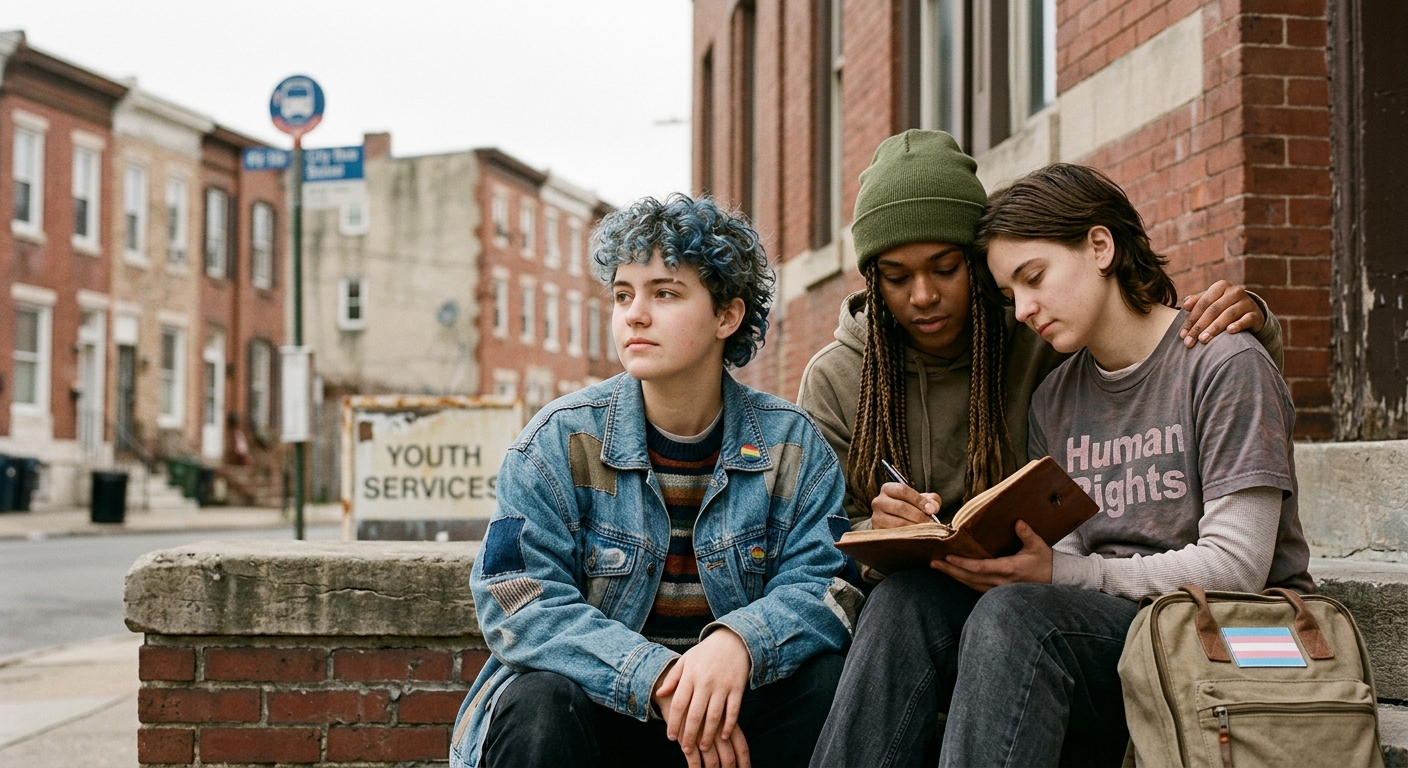
Protecting the Vulnerable: The Systemic Crisis Facing LGBTQ+ Youth in State Care
The core mandate of the government’s child welfare system is to protect young people from environments of abuse, neglect, and severe familial dysfunction. When the state takes a child into custody, it assumes a profound, legal obligation to act in that child’s best interest and ensure their safety. However, for a significant and vulnerable demographic, this foundational promise remains distressingly unfulfilled. Lesbian, gay, bisexual, transgender, and queer or questioning (LGBTQ+) youth find themselves trapped in a systemic crisis. Rather than providing a sanctuary, the foster care network frequently subjects these young individuals to secondary trauma, institutional discrimination, and profound instability.
The unique challenges they face—ranging from deep-rooted family rejection to a lack of affirming legal protections—highlight an urgent need for structural transformation. This exploration delves into the disproportionate representation of queer youth in state care, the ongoing legal battles concerning religious exemption laws, the critical necessity of comprehensive demographic data collection, and the specific policy reforms required to establish a truly equitable safety net.
The Staggering Reality: Overrepresentation in State Custody
The disproportionate presence of queer and transgender youth in the child welfare apparatus is a stark indicator of broader societal and familial failures. Research consistently demonstrates that this demographic represents a drastically outsized portion of the foster care population. According to an extensive study published in the journal Pediatrics, which analyzed data from hundreds of thousands of adolescents, more than 30 percent of youth residing in foster care identify as LGBTQ+ . When compared to the broader population, these figures signify a crisis of systemic overrepresentation.
Additionally, a landmark analysis conducted by the Williams Institute at the UCLA School of Law found that there are 1.5 to 2 times as many LGBTQ+ youth living in out-of-home care compared to their heterosexual and cisgender peers . The primary pipeline forcing these young people into the system is family rejection. The process of coming out, or simply existing authentically as a gender-diverse or queer person, frequently triggers hostility from unsupportive guardians. This rejection can escalate into severe emotional abuse, physical violence, or ultimate abandonment, pushing the adolescent into homelessness and subsequent state intervention . Unlike children removed solely for generalized parental neglect, queer youth often enter the system carrying the specific, acute trauma of being ousted for their fundamental identity. Consequently, their healing requires targeted, identity-affirming support that the current system is overwhelmingly ill-equipped to provide.
Pervasive Discrimination and Placement Instability
Upon entering the child welfare system, LGBTQ+ youth often discover that the hostility they fled at home is mirrored by the institutions designed to protect them. The foster care experience for these young people is frequently characterized by what advocates refer to as severe placement instability. Because there is a critical shortage of affirming foster homes, caseworkers are often forced to place queer adolescents in households that openly condemn their identities. When conflicts inevitably arise from these ideological or religious clashes, the youth is uprooted and moved to a new placement, perpetuating a cycle of rejection and instability .
Furthermore, the lack of welcoming family placements disproportionately funnels LGBTQ+ youth into congregate care facilities, such as group homes and residential treatment centers. Congregate care is inherently restrictive and often lacks the individualized emotional support found in a family setting. Within these facilities, queer and transgender adolescents frequently face intense bullying from peers and, distressingly, discrimination from staff members. Transgender youth, in particular, suffer in sex-segregated facilities that refuse to acknowledge their gender identity, leading to forced misgendering, restrictive clothing policies, and an increased risk of targeted harassment . This institutionalized discrimination exacerbates mental health struggles, resulting in higher rates of depression, anxiety, and suicidal ideation compared to non-LGBTQ+ youth in care.
The Legal Battleground: Statutory Protections Versus Exemption Laws
The rights of LGBTQ+ youth in state care are currently caught in a volatile legal and legislative crossfire. While some jurisdictions are actively moving to codify non-discrimination policies, a significant number of states have implemented legislative barriers that explicitly harm these vulnerable adolescents. Most prominently, the proliferation of religious exemption laws has created a state-sanctioned license to discriminate within the publicly funded child welfare system .
Religious exemption laws allow private, faith-based child welfare agencies that receive taxpayer funding to deny services to individuals if doing so would conflict with their sincerely held religious beliefs. In practice, this means that an agency can legally refuse to place a foster child with an otherwise highly qualified same-sex couple. More alarmingly, these agencies can refuse to support a youth’s LGBTQ+ identity, deny them access to gender-affirming healthcare, or actively subject them to harmful conversion practices. By narrowing the already limited pool of prospective foster parents, these exemption laws directly harm the children who are languishing in group homes waiting for a loving family. The legal tension between honoring First Amendment religious liberties and enforcing the state’s parens patriae duty to protect vulnerable children continues to be a hotly contested issue in both federal and state courts, leaving the safety of queer youth hanging in the balance.
Systemic Invisibility: The Imperative of SOGIE Data Collection
One of the most significant barriers to reforming the child welfare system is the historical lack of accurate data. A system cannot address a disparity it refuses to measure. For decades, state and federal child welfare agencies have failed to systematically collect demographic data regarding Sexual Orientation, Gender Identity, and Expression (SOGIE) . Because LGBTQ+ youth are often rendered statistically invisible within agency databases, it becomes incredibly difficult for policymakers to allocate appropriate funding, track placement outcomes, or demonstrate the urgent need for specialized services.
Implementing mandatory SOGIE data collection is a fundamental step toward accountability. However, this process must be executed with extreme care. Given the risks of outing a child to a hostile biological family member, an unsupportive judge, or an abusive foster parent, SOGIE data collection requires stringent confidentiality protocols. Caseworkers must be extensively trained on how to ask these sensitive questions in a trauma-informed manner, ensuring that the youth understands how their information will be utilized and protected. When collected safely, SOGIE data allows agencies to match young people with affirming families from the outset, dramatically reducing placement disruptions.
A Blueprint for Meaningful Systemic Reform
Protecting the rights and well-being of LGBTQ+ youth in state custody requires a comprehensive, multi-faceted approach to systemic reform. Incremental changes are insufficient; the system demands a radical shift toward active affirmation. The following pillars are essential for creating an equitable child welfare environment:
- Comprehensive Non-Discrimination Protections: Comprehensive non-discrimination laws must be enacted at the federal level. Every state must explicitly prohibit discrimination on the basis of sexual orientation and gender identity for both youth in care and prospective foster or adoptive parents. Taxpayer dollars must never fund agencies that refuse to prioritize the best interests of a child over institutional prejudices.
- Targeted Recruitment of Affirming Families: Agencies must prioritize the aggressive recruitment and retention of LGBTQ+-affirming resource families. This involves targeted outreach to the local LGBTQ+ community, recognizing that queer adults often possess a unique capacity to understand and support youth facing identity-based trauma.
- Specialized Caregiver and Staff Training: Mandatory, ongoing cultural competency training must be required for all individuals interacting with youth in care. This includes social workers, foster parents, group home staff, judges, and guardians ad litem. Training must move beyond basic tolerance to focus on actionable affirming behaviors, such as utilizing correct pronouns and supporting healthy adolescent identity development.
- Access to Specialized Healthcare: Youth must be guaranteed access to specialized healthcare. This includes trauma-informed mental health services provided by culturally competent therapists, as well as unimpeded access to medically necessary gender-affirming care for transgender and non-binary adolescents.
Frequently Asked Questions (FAQ)
Why are LGBTQ+ youth so overrepresented in the foster care system?
The primary driver of overrepresentation is family rejection. When youth come out or are discovered to be LGBTQ+, many face severe hostility from their families. This can lead to emotional and physical abuse, being kicked out of the home, or running away to escape a toxic environment, ultimately resulting in their entry into the state child welfare system.
What does SOGIE mean, and why is it important in child welfare?
SOGIE stands for Sexual Orientation, Gender Identity, and Expression. Collecting SOGIE data is crucial because it allows child welfare agencies to understand the specific demographics of the youth they serve. Accurate data helps agencies allocate resources, track disparate outcomes, and ensure that youth are matched with affirming and supportive foster placements.
How do religious exemption laws harm foster youth?
Religious exemption laws allow state-funded foster care and adoption agencies to refuse services based on their religious beliefs. This harms youth by severely limiting the pool of available foster parents, as these agencies often reject qualified same-sex couples. It also means that LGBTQ+ youth placed within these agencies may be denied affirming care, subjected to hostility, or placed in restrictive congregate care settings.
How can individuals support LGBTQ+ youth currently in state care?
Individuals can support these youth by becoming affirming foster parents or mentors. Additionally, advocating for state and federal policies that prohibit discrimination and mandate SOGIE training for child welfare staff can drive systemic change. Donating to or volunteering with advocacy groups focused on LGBTQ+ rights and foster care reform is also highly impactful.
Conclusion
The child welfare system was designed to be a final safety net for the most vulnerable members of society. Yet, for LGBTQ+ youth, it often functions as a secondary site of trauma and marginalization. Addressing this crisis requires an unwavering commitment to systemic reform, from dismantling discriminatory legal exemptions to mandating comprehensive, affirming care practices. The lives and futures of thousands of young people depend on the willingness of lawmakers, agencies, and communities to transform the system into one that not only protects but actively celebrates every child’s authentic identity.
References
- LGBTQ Youths Are Over-Represented, Have Poorer Outcomes in Child Welfare System — The University of Texas at Austin. 2019-02-11. https://news.utexas.edu/2019/02/11/lgbtq-youths-are-over-represented-have-poorer-outcomes-in-child-welfare-system/
- LGBTQ Youth in Unstable Housing and Foster Care — American Academy of Pediatrics. 2019-03-01. https://publications.aap.org/pediatrics/article/143/3/e20174211/37326/LGBTQ-Youth-in-Unstable-Housing-and-Foster-Care
- Sexual and Gender Minority Youth in Foster Care — Williams Institute at UCLA School of Law. 2014-08-15. https://williamsinstitute.law.ucla.edu/publications/sgm-youth-in-foster-care/
- YES State of Knowledge Sheet 2- LGBTQ+ Youth Experiences in the Child Welfare System — Yale Law School. 2023. https://law.yale.edu/sites/default/files/area/center/schell/yes_state_of_knowledge_sheet_2_-_experiences.pdf
- Kids Pay The Price: How Discriminatory Adoption and Foster Care Laws Harm Children — Movement Advancement Project. 2018-02-01. https://www.lgbtmap.org/file/kids-pay-the-price.pdf
Similar Articles








Read full bio of medha deb


