
Legal Strategies for Geek Culture Marketing
Master compliant marketing to geek audiences: authenticity, IP respect, and regulatory savvy for business growth.
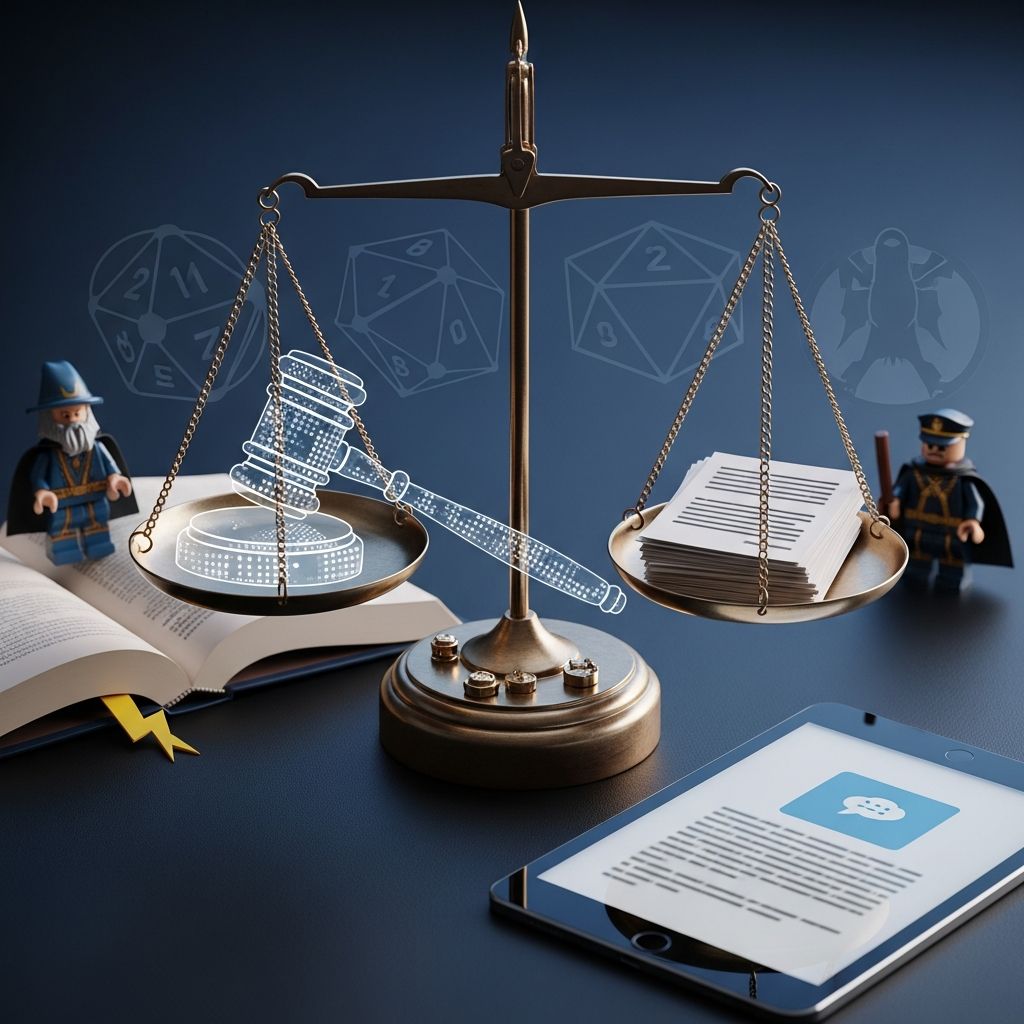
Geek culture, encompassing gaming, sci-fi, comics, and tech fandoms, offers small businesses a vibrant market of passionate consumers. However, tapping into this demographic requires navigating intellectual property laws, advertising regulations, and endorsement rules to avoid costly disputes. This guide outlines practical, compliant approaches to engage geek audiences effectively while minimizing legal exposure.
Understanding the Rise of Geek Demographics
Geek interests have transitioned from niche hobbies to mainstream powerhouses, driving billions in consumer spending. Fans invest deeply in merchandise, events, and digital content, creating loyal customer bases for savvy brands. Businesses must recognize this shift: authenticity resonates, but superficial attempts often backfire legally and reputationally.
- Geek spending on gaming alone exceeds $180 billion annually worldwide, per industry reports.
- Fandom events like Comic-Con draw millions, amplifying brand visibility.
- Digital platforms amplify geek voices, where one misstep can lead to viral backlash.
To succeed, prioritize genuine connections over gimmicks, always grounding campaigns in legal compliance.
Core Legal Foundations for Geek-Targeted Campaigns
Effective geek marketing hinges on respecting creators’ rights while leveraging public domain elements and fair use. Key laws include the Lanham Act for trademarks, Copyright Act for creative works, and FTC guidelines for truthful advertising.
| Legal Area | Key Rule | Geek Marketing Application |
|---|---|---|
| Trademarks | Prevent consumer confusion | Avoid using logos like Marvel heroes without license |
| Copyright | Protects original expressions | Parody fan art may qualify as fair use; direct copies do not |
| FTC Endorsements | Disclose paid promotions | #Ad for streamer partnerships |
| Right of Publicity | Controls name/image use | No unauthorized celebrity cosplay endorsements |
Consulting these ensures campaigns build trust rather than lawsuits.
Building Authentic Partnerships with Influencers
Influencers in gaming streams, cosplay, and fandom blogs hold sway over geek communities. Legal engagement demands clear contracts and disclosure.
- Draft Detailed Agreements: Specify content scope, usage rights, payment, and termination. Include non-disclosure clauses for exclusive previews.
- Ensure FTC Compliance: Require #sponsored or #ad tags in all posts. The FTC mandates clear, conspicuous disclosures to prevent deception.
- Vet Partners: Review past controversies; avoid those with IP infringement histories.
For example, brands collaborating with Twitch streamers on game promotions must secure game publisher approvals to avoid secondary liability. This approach fosters long-term alliances while shielding against claims.
Safeguarding Intellectual Property in Promotions
Geek marketing thrives on references to beloved franchises, but IP infringement invites cease-and-desist letters. Strategies include:
- Leverage Parody and Fair Use: Transformative works, like satirical memes, often qualify under 17 U.S.C. § 107. Courts assess purpose, nature, and market impact.
- License Officially: For direct uses, negotiate with rights holders via platforms like Warner Bros. Consumer Products.
- Create Original Content: Develop in-universe inspired items, e.g., ‘space adventurer’ apparel avoiding Star Wars trademarks.
Register your own trademarks early—USPTO filings protect brand elements like custom geek merch logos.
Navigating Contests, Giveaways, and Events
Geek fans love competitions tied to lore quizzes or cosplay contests. Legally structure them with:
- Official Rules: Detail eligibility, entry methods, prizes, and odds. Comply with state sweepstakes laws prohibiting consideration (e.g., purchase requirements).
- Tax Reporting: Issue 1099 forms for prizes over $600; inform winners of obligations.
- Venue Agreements: For convention booths, secure permits and insurance against liability.
Digital giveaways on Discord or Reddit require privacy policies under CCPA/GDPR, detailing data use.
Advertising Regulations and Truthful Claims
Promising ‘ultimate gamer setup’ demands substantiation. FTC’s Guides Against Deceptive Advertising require evidence for performance claims.
- Testimonials must reflect typical results; disclose atypical outliers.
- Avoid comparative ads without proof, e.g., ‘better than Brand X’ needs data.
- Environmental claims like ‘eco-friendly geek merch’ follow FTC Green Guides.
Monitor user-generated content (UGC) contests for compliance, moderating IP-violating entries.
Risk Mitigation and Best Practices
Proactive steps reduce exposure:
- Conduct Clearance Searches: Use USPTO TESS and Google for prior marks.
- Insurance Coverage: Media liability policies cover IP claims.
- Legal Audits: Review campaigns pre-launch with attorneys specializing in entertainment law.
- Monitor and Respond: Set alerts for trademark mentions; address disputes promptly.
Small businesses benefit from joining alliances like the Interactive Entertainment Merchants Association for guidance.
Case Studies in Compliant Geek Marketing
Successful brands exemplify balance:
- Nintendo’s Nostalgia Drops: Re-releases leverage owned IP, with clear licensing for merch collabs.
- Uniqlo x Anime: Official partnerships with creators ensure authenticity and legality.
- Duolingo’s Meme Strategy: Original, viral content avoids IP issues while engaging fandoms.
Contrast with failures: Unauthorized fan film tie-ins leading to DMCA takedowns highlight perils.
Global Considerations for Expanding Reach
Geek culture spans borders, but laws vary. EU’s GDPR mandates consent for data in EU fan contests; China’s IP regime requires local registration.
- Adapt disclosures for platforms like TikTok (ByteDance rules).
- Harmonize with international treaties like Berne Convention.
Local counsel prevents cross-border pitfalls.
Frequently Asked Questions (FAQs)
Can I use superhero names in my product descriptions?
No, unless licensed. Descriptive terms like ‘heroic strength’ are safer; direct names infringe trademarks.
What disclosures are needed for paid geek influencer posts?
FTC requires clear #ad or ‘sponsored’ at post start. Stories need ‘Paid partnership with [brand]’ tag.
Is fan art on my site legal?
If sold, likely not—obtain artist licenses and check underlying IP. Display for promotion may invoke fair use.
How do I run a legal cosplay contest?
Post full rules online, no purchase entry, age-appropriate eligibility, and winner selection criteria.
What’s the penalty for IP infringement in marketing?
Up to $150,000 per willful copyright violation; treble damages for trademarks. Injunctions halt campaigns.
Emerging Trends and Future-Proofing
AI-generated geek art and metaverse events introduce new challenges. Monitor USPTO AI guidelines and secure virtual trademarks. Web3/NFT promotions demand securities law compliance if investment-like.
Stay agile: Annual legal reviews adapt to evolving fandoms like VR gaming and AI companions.
References
- Endorsement Guides — Federal Trade Commission. 2023-06-01. https://www.ftc.gov/business-guidance/resources/ftcs-endorsement-guides-what-people-are-asking
- Trademark Manual of Examining Procedure — United States Patent and Trademark Office. 2024-10-15. https://tmep.uspto.gov
- Copyright Basics — U.S. Copyright Office. 2023-03-20. https://www.copyright.gov/circs/circ01.pdf
- Guides for the Use of Environmental Marketing Claims — Federal Trade Commission. 2012-10-01 (authoritative, unchanged). https://www.ftc.gov/legal-library/browse/guides/use-environmental-marketing-claims-green-guides
- Lanham Act (15 U.S.C. § 1051 et seq.) — U.S. Congress. 1946 (ongoing). https://uscode.house.gov/view.xhtml?path=/prelim@title15/chapter22&edition=prelim
Similar Articles








Read full bio of Sneha Tete


