
Legal Options for Dealing With Noisy Neighbors
Learn practical steps and legal tools to handle excessive noise from neighbors, protect your peace at home, and understand your rights under noise and nuisance laws.
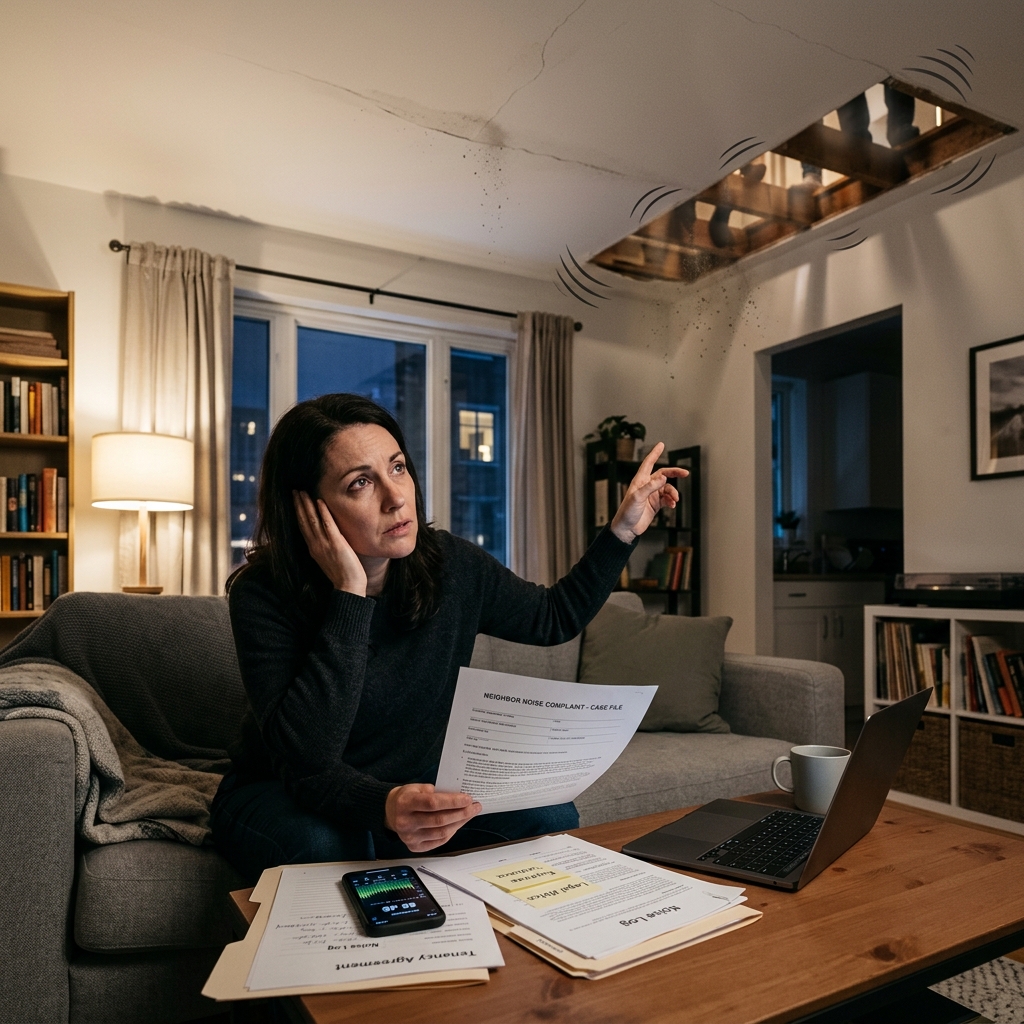
Persistent noise from next door can quickly turn a comfortable home into a stressful place. While occasional sound is part of normal community life, ongoing loud music, barking dogs, late-night parties, or industrial noise can rise to the level of a legal problem. This guide explains how noisy neighbor laws work, what steps to take before involving authorities, and which legal remedies may be available if the noise does not stop.
Understanding Noise Laws and Your Basic Rights
Most people have a legal interest in the quiet enjoyment of their home. Local governments typically protect this interest through noise ordinances and nuisance laws that restrict unreasonable or excessive noise, especially during nighttime hours. These rules vary by city, county, and state, but they generally share common features.
Common Elements of Local Noise Ordinances
Local noise regulations often set standards for when and how loud noise can be. They may be enforced by police, code enforcement offices, or public health departments, depending on the jurisdiction.
- Quiet hours: Many communities limit loud noise at night, often starting around 10 p.m. and ending early in the morning.
- Decibel limits: Some ordinances specify maximum sound levels (measured in decibels) at the property line, with lower limits during nighttime.
- Location-based rules: Residential areas usually have stricter limits than commercial or industrial zones.
- Activity exemptions: Certain activities, like emergency work or limited daytime construction, may be exempt within defined hours.
- Enforcement mechanisms: Violations can result in warnings, citations, fines, or, in serious cases, criminal charges.
Noise vs. Legal Nuisance
Not every annoying sound violates the law. For noise to be considered a legal nuisance, it typically must be excessive or unreasonable, interfere substantially with your ability to use and enjoy your property, and persist after you ask the neighbor to stop. Courts look at both the nature of the noise and how long it continues.
| Type of Noise Issue | Likely Legal Treatment |
|---|---|
| Occasional loud party once every few months | May violate ordinance during quiet hours, but nuisance claim unlikely unless frequent and extreme |
| Daily high-volume music late at night | More likely to violate noise ordinances and support a private nuisance claim |
| Short daytime construction sounds | Often allowed within limits; may be exempt under local rules |
| Constant industrial humming above decibel limits | May trigger enforcement action and provide grounds for nuisance or zoning-based claims |
Practical First Steps Before You Involve Authorities
Legal action is usually a last resort. Many noise disputes can be resolved through direct communication and informal problem-solving. Starting with these steps can preserve neighbor relationships and show authorities that you tried reasonable measures first.
Talk to Your Neighbor Calmly
The first step is often a simple, respectful conversation.
- Approach your neighbor in person at a neutral time, not while you are angry or the noise is at its worst.
- Explain specifically what you are experiencing (for example, “music after midnight” or “dog barking early every morning”).
- Describe how the noise affects you, such as disrupted sleep or difficulty working from home.
- Ask if they can adjust their behavior, move speakers, change routines, or take other practical measures.
Many people are unaware of how far sound travels or how disruptive it is until someone tells them.
Provide a Written Reminder of Rules
If conversation does not help, a polite written note can reinforce your concerns and create a record.
- Mention the dates and times when the noise has been a problem.
- Refer to any relevant local noise ordinance or community rules, if you know them.
- State clearly that you are asking for a change, not trying to cause trouble.
- Keep a copy of your letter or email for your records.
Mediation as a Collaborative Solution
Community or private mediation can help when you and your neighbor cannot agree but both wish to avoid formal complaints. A mediator is a neutral third party who helps you discuss the problem, explore compromise, and reach a written agreement.
- Mediation is usually faster and less expensive than court.
- It can be especially helpful when you plan to live near each other for a long time.
- Some cities or non-profit organizations offer low-cost or free mediation services.
Knowing and Documenting the Noise Problem
If informal efforts fail, thorough documentation becomes crucial. Clear evidence makes it easier for authorities, landlords, or courts to understand the severity of the issue.
Keep a Detailed Noise Log
A written log helps show patterns and frequency.
- Record date, start and end times, and type of noise (music, machinery, barking, etc.).
- Note how loud it seems and where you are in your home when you hear it.
- Write how the noise affects you: loss of sleep, inability to study or work, headaches, or stress.
Use Audio or Video Evidence Carefully
Short recordings can support your claims as long as you respect privacy rules in your area.
- Capture the sound from inside your own property, such as near a window or wall.
- Avoid filming private spaces where your neighbor has a reasonable expectation of privacy.
- Label each file with the date and time.
Understand Decibel Readings and Local Limits
In communities that set explicit decibel limits, measuring sound levels can strengthen your complaint. Some people use decibel meter apps or devices to show that noise exceeds legal thresholds.
- Check your local government’s guidance to see if specific decibel limits apply in your area.
- Measure near your property line or the interior of your home, as local rules may specify where readings should be taken.
- Record readings at different times, especially during quiet hours, to show patterns.
Involving Landlords, HOAs, and Building Management
If you rent or live in a community with shared rules, your landlord, property manager, or homeowners’ association (HOA) may have responsibilities and powers to address noise problems.
Renters and Lease Agreements
Many leases include clauses requiring tenants to avoid disturbing neighbors.
- Review your lease for any language about “quiet enjoyment,” “disturbances,” or specific noise limits.
- Report recurring noise to your landlord or property manager in writing, including dates, times, and any evidence.
- Ask what steps they can take, such as warnings, fines, or in serious cases, eviction for repeat violations.
Homeowners’ Associations and Community Rules
HOAs often have covenants, conditions, and restrictions that address noise in shared communities.
- Obtain a current copy of your HOA’s rules and identify any sections dealing with noise.
- Submit a formal complaint according to HOA procedures, attaching your noise log and recordings.
- Request written confirmation of how the HOA will investigate and enforce rules.
Filing Official Noise Complaints With Authorities
When private efforts and management intervention fail, you may choose to file an official complaint. Depending on your area, this could be with law enforcement, code enforcement, or a public health department.
Contacting Police or Local Law Enforcement
In many places, police respond to noise violations, especially during restricted hours.
- Use non-emergency numbers unless the noise is part of a more serious incident.
- Call while the noise is occurring, so officers can hear it or measure it themselves.
- Describe the history of the problem and mention any attempts you made to resolve it directly.
Working With Public Health or Code Enforcement Agencies
Some cities assign noise enforcement to public health or code departments rather than police.
- Submit a complaint through official channels, such as online forms, phone lines, or email.
- Provide detailed information: location, type of noise, frequency, and supporting evidence.
- Understand that agencies may start with warnings and education before issuing fines or citations.
Potential Outcomes of an Official Complaint
Responses to noise complaints vary by jurisdiction, but common actions include:
- Informal warnings or notices explaining local noise rules.
- Orders to adjust or reduce noise-generating activities.
- Citations or fines, sometimes reaching significant amounts for repeated violations.
- In rare cases, criminal charges for serious or persistent disturbances of the peace.
When You Can Sue for Excessive Noise
If official complaints and other remedies fail, you may consider legal action in civil court. Lawsuits are typically based on private nuisance or related claims.
Elements of a Private Nuisance Claim
While exact legal tests vary by state, courts often require several elements for a successful nuisance claim based on noise:
- Unreasonable noise: The sound must be excessive compared with ordinary community standards.
- Source of the noise: The neighbor, or their property use, must be the cause.
- Substantial interference: The noise significantly disrupts your use and enjoyment of your home.
- Failure to stop: You asked the neighbor to reduce or stop the noise, and they did not.
Relief You Can Request From the Court
Courts can offer different types of remedies if they find that excessive noise amounts to a legal nuisance.
- Monetary damages: Compensation for lost sleep, health impacts, or other harm, depending on the evidence presented.
- Injunctions: Orders requiring the neighbor to stop or limit the noise, sometimes with specific conditions.
- Abatement orders: In some cases, courts may direct physical changes, such as moving equipment or installing barriers.
Small Claims Court for Limited Disputes
For modest claims, small claims court can be an accessible option.
- Filing fees are generally lower, and lawyers are often not required.
- You can request monetary damages and, in some jurisdictions, limited injunctive relief.
- Bringing clear evidence—logs, recordings, copies of complaints, and any official findings—is essential to demonstrate the problem.
Special Types of Noise: Pets, Businesses, and Short-Term Rentals
Some noise sources raise unique legal questions. Excessive barking, commercial operations, or frequent vacation rentals may be covered by specialized rules in addition to general ordinances.
Animal Noise and Barking Dogs
Many cities have specific regulations for barking dogs and other animal-related noise.
- Check whether your local ordinance explicitly addresses persistent animal noise.
- Talk to your neighbor about training, indoor housing, or limited outdoor hours.
- If problems continue, you may report issues to animal control, public health, or law enforcement depending on your area.
Noise From Businesses or Industrial Sites
Commercial or industrial noise may involve zoning laws in addition to noise ordinances.
- Confirm whether the business is operating in a properly zoned location.
- Document how and when the noise affects nearby residences.
- File complaints with the local agency that oversees both zoning and noise, which may be different from residential enforcement.
Short-Term Rentals and Frequent Parties
Short-term rentals can generate repeated party noise. Many cities now regulate these rentals with licensing, occupancy limits, and specific rules on disturbances.
- Identify whether the property is registered as a short-term rental under local law.
- Submit complaints through both the city and any platform-specific channels if available.
- Provide evidence showing the recurring nature of the problem.
Balancing Legal Action With Neighbor Relations
Noise disputes are not only legal matters; they are also interpersonal challenges. Even if you have strong legal grounds, you may prefer solutions that reduce conflict and maintain livable relationships.
- Consider the long-term: Think about how you will feel seeing your neighbor after complaints or court actions.
- Weigh costs and benefits: Legal proceedings can be time-consuming and emotionally draining.
- Explore compromises: Adjusting hours of noisy activity, moving equipment, or improving soundproofing may satisfy both sides.
Frequently Asked Questions About Noisy Neighbor Laws
1. Do I always need to talk to my neighbor before filing a complaint?
In most cases, it is wise to speak with your neighbor first. Direct communication often resolves misunderstandings and shows authorities or courts that you attempted reasonable steps before seeking formal intervention.
2. What if my city does not list exact decibel limits in the ordinance?
Some laws use terms like “excessive,” “unreasonable,” or “disturbing the peace” rather than specifying decibel numbers. In those areas, enforcement may rely on officer observations, neighbor complaints, and context, such as time of day and type of neighborhood.
3. Can I be anonymous when I file a noise complaint?
Policies on anonymity differ. Some agencies allow confidential complaints, while others may need your information for follow-up or court proceedings. Check your local agency’s rules to understand privacy options and potential trade-offs.
4. Is one loud night enough to support a nuisance lawsuit?
A single incident is unlikely to justify a nuisance claim unless it is extreme. Nuisance law typically focuses on ongoing or repeated disturbances that materially interfere with your property rights. However, a single serious event might still violate a noise ordinance and lead to enforcement action.
5. Should I hire a lawyer for a noisy neighbor dispute?
Many noise issues can be resolved without an attorney through communication, mediation, or small claims court. If the problem is severe, involves substantial damages, or affects property value, consulting a lawyer experienced in nuisance or real estate disputes may be helpful.
References
- What Can You Legally Do About a Neighbor’s Noise? — FindLaw. 2023-05-10. https://www.findlaw.com/realestate/neighbors/what-to-do-about-a-neighbor-s-noise-faqs.html
- Neighbor Law: Noise & Nuisances — Texas State Law Library. 2024-03-01. https://guides.sll.texas.gov/neighbor-law/noise-and-nuisances
- Can I Sue My Neighbor for Excessive Noise? — Super Lawyers. 2022-11-15. https://www.superlawyers.com/resources/real-estate/real-estate-disputes/can-i-sue-my-neighbor-for-excessive-noise/
- Neighbors and Noise FAQ — Anthem My EAP Colorado. 2021-09-01. https://www.anthemeap.com/my-eap-colorado/find-legal-support/resources/landlords-and-property-management/legal-assist/neighbors-and-noise-faq
- Noise Complaints — City and County of Denver, Public Health Investigations. 2024-02-01. https://www.denvergov.org/Government/Agencies-Departments-Offices/Agencies-Departments-Offices-Directory/Public-Health-Environment/Public-Health-Investigations/Healthy-Families-Healthy-Homes/Noise-Program/Noise-Complaints
Similar Articles








Read full bio of medha deb


