
Practical Legal Guide to Dealing With Noisy Neighbors
Understand your rights, local laws, and step-by-step options for resolving neighbor noise problems before they escalate to court.
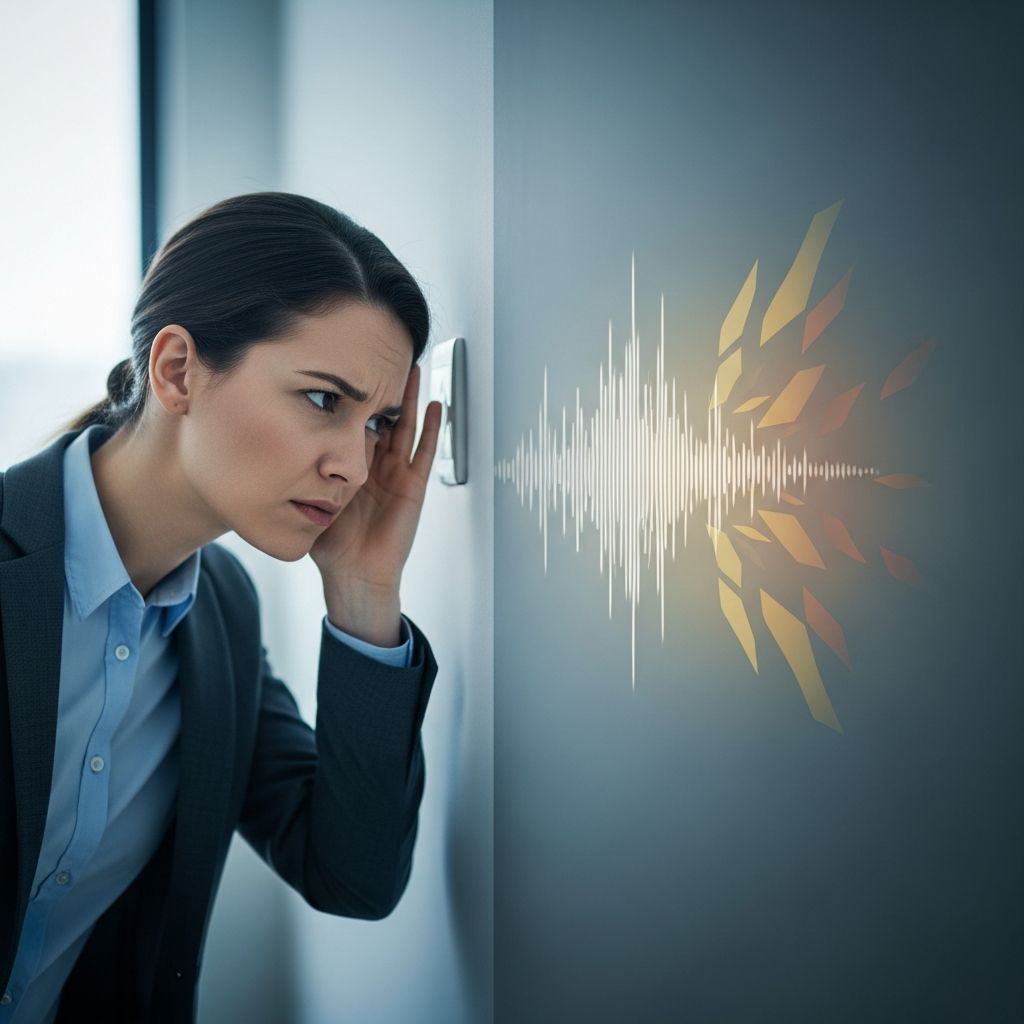
Noise from a nearby apartment, house, or business can quickly turn home life into a daily stressor. This guide explains your legal rights, the role of local noise laws, and the practical steps you can take to address excessive noise from neighbors before, and if necessary through, the legal system.
Understanding Your Right to Quiet Enjoyment
Most tenants and property owners have a legal right to quiet enjoyment of their homes, which generally means the ability to reasonably use and enjoy the property without substantial interference from others.
This right typically comes from one or more of the following:
- Lease provisions promising quiet enjoyment of the rental unit
- Local noise and nuisance ordinances adopted by cities or counties
- State laws on disorderly conduct, disturbing the peace, or nuisance
- Homeowners’ association (HOA) covenants, conditions, and restrictions (CC&Rs)
Quiet enjoyment does not guarantee absolute silence. It protects you from unreasonable or excessive interference, such as very loud music at night or repeated disturbances that make normal life at home difficult.
Step 1: Identify the Type, Timing, and Impact of Noise
Before reacting, take a clear look at what you are experiencing. This will help you communicate effectively and, if needed, support a complaint or legal claim.
Key questions to ask yourself
- What kind of noise? (Music, parties, machinery, barking dogs, shouting, renovation work, etc.)
- How often? (Occasional, nightly, weekends only, continuous)
- What time of day? (Late at night, early morning, normal business hours)
- How loud? (Audible through walls, causing you to wake up, preventing work or rest)
- How long has this been going on? (Days, weeks, months)
- How does it affect you? (Lost sleep, anxiety, inability to study or work from home)
Courts and enforcement agencies assess noise in context, considering what is reasonable for the neighborhood (for example, downtown nightlife versus a quiet residential suburb).
Step 2: Check Local Rules and Agreements
Many noise problems can be resolved by pointing to clear written rules. Always verify what applies in your area before escalating the situation.
Local noise ordinances
Most municipalities adopt noise ordinances that:
- Set specific quiet hours (often late night to early morning)
- Limit maximum decibel levels for residential areas
- Restrict certain activities at night (construction, amplified music, etc.)
These ordinances are often enforced by local code enforcement, public health departments, or law enforcement, depending on the jurisdiction.
State laws on noise and nuisance
States may also regulate noise as a form of nuisance or disturbing the peace. For example, California’s Penal Code section 415 makes it a crime to willfully create loud and unreasonable noise to disturb another person’s peace. Many states have similar provisions addressing recurring or extreme disturbances.
Lease terms and building rules
If you rent, your lease likely includes:
- A clause granting you quiet enjoyment of your unit
- Rules against disturbing other tenants or creating a nuisance
- House rules or building policies about music, parties, and pets
Landlords are often obligated to address serious, ongoing noise violations by other tenants once they are notified, and failure to act may amount to a breach of the lease in some jurisdictions.
HOA covenants and condominium bylaws
In communities with HOAs or condo associations, CC&Rs and bylaws commonly:
- Limit noise levels and specify quiet hours
- Provide fines or other penalties for repeated violations
- Authorize the board to enforce rules and mediate disputes
Step 3: Document Every Incident Carefully
Thorough documentation greatly increases your chances of success with landlords, associations, government agencies, or courts. Good records show that the problem is real, serious, and ongoing.
What to include in your noise log
- Date and time of each disturbance
- Type of noise and its duration
- Where you were (living room, bedroom, yard)
- How the noise affected you (woke you up, interrupted work, caused headaches)
- Any steps you took (called neighbor, emailed landlord, contacted police)
Additional supporting evidence
- Recordings of the noise (audio or video), if legally permitted in your jurisdiction
- Photographs of loud equipment, large parties, or speakers near shared walls
- Witness statements from other neighbors affected by the same noise
- Copies of complaints filed with building management, HOA, or authorities
| Field | Example Entry |
|---|---|
| Date & Time | April 4, 11:45 p.m. – 2:15 a.m. |
| Type of Noise | Loud bass-heavy music and shouting |
| Location | Heard clearly in bedroom with windows closed |
| Impact | Prevented sleep before early work shift; felt anxious and exhausted next day |
| Action Taken | Knocked on neighbor’s door at 12:10 a.m.; no response. Emailed landlord at 8:00 a.m. with details. |
Step 4: Talk to Your Neighbor First (If Safe to Do So)
Many people are unaware of how far sound travels through walls or into nearby yards. Calm, respectful communication is often the quickest and least expensive way to solve the problem.
Tips for a constructive conversation
- Choose a time when you are calm and the noise is not happening.
- Speak in person if you feel safe; otherwise, send a polite written message.
- Describe the problem factually: frequency, time of day, and impact on you.
- Use “I” statements, such as “I am having trouble sleeping,” instead of accusations.
- Suggest reasonable solutions (lower volume after a certain hour, moving speakers).
- Follow up in writing to create a record if the issue continues.
If you believe approaching the neighbor would be unsafe or has already escalated into hostility, skip direct contact and move to the next step.
Step 5: Involve Landlords, Property Managers, or HOAs
When informal efforts fail, the next step is usually to contact the person or entity responsible for enforcing building or community rules.
For renters
Landlords and property managers often have a legal duty to address serious noise problems caused by other tenants when they are notified. In many places, if they fail to act, renters may have remedies that can include lease termination or damages for breach of the covenant of quiet enjoyment.
When contacting your landlord or manager:
- Explain the history of the problem and your attempts to resolve it directly.
- Provide copies of your noise log and any recordings.
- Cite relevant lease provisions or house rules, if available.
- Request a written response with a timeframe for follow-up.
For owners in HOA or condo communities
If you live in a community governed by an HOA or condo association:
- Review the CC&Rs and any published noise or nuisance policies.
- Submit a written complaint to the board or management company.
- Attach your documentation and reference specific rule violations.
- Ask how the board plans to enforce its rules and when you can expect an update.
Step 6: Filing Formal Noise Complaints
If private efforts and internal enforcement do not resolve the issue, you may consider a formal complaint with government or law enforcement agencies.
Non-emergency noise complaints
Depending on your area, you might report ongoing noise to:
- The city or county code enforcement office
- A municipal noise control, environmental health, or public works department
- A local non-emergency police or sheriff line
Many localities give more weight to complaints supported by:
- Multiple reports from different neighbors
- Documented patterns of repeated violations
- Evidence that the noise clearly violates published ordinances
When police involvement may be appropriate
Law enforcement may respond when noise is extreme, occurs during prohibited hours, or is part of other problematic behavior (fights, threats, suspected illegal activity). In some jurisdictions, repeated or willful noise violations can lead to citations, fines, or in limited cases criminal charges under disturbing-the-peace statutes.
Step 7: Mediation and Alternative Dispute Resolution
If direct conversation and reports to landlords or agencies have not fully resolved the issue, mediation can be a productive middle ground between informal talks and a lawsuit.
Community or court-connected mediation programs typically:
- Provide a neutral third party to facilitate discussion
- Allow both sides to explain their concerns in a structured environment
- Help neighbors agree on practical, enforceable solutions
- Cost less and create less hostility than full court proceedings
Step 8: Legal Claims and Lawsuits Against Noisy Neighbors
If the noise is severe, long-lasting, and resistant to other solutions, legal action may be an option. Laws vary by jurisdiction, so consulting a local attorney is important.
Private nuisance claims
Excessive neighbor noise is often addressed through a private nuisance claim. To prevail, you typically must show:
- The neighbor created or allowed substantial and unreasonable noise
- The noise interfered with your use and enjoyment of your property
- You attempted to resolve the issue or asked them to stop
- You suffered harm, such as sleep loss, reduced property enjoyment, or financial loss
Possible remedies in court
- Injunctions: Court orders requiring the neighbor to reduce or stop the noise.
- Monetary damages: Compensation for harm such as lost wages, medical costs related to stress, or reduced rental value.
- Small claims actions: A lower-cost option to seek limited monetary damages without a lawyer in many jurisdictions.
Courts will heavily weigh your documentation, efforts to settle the dispute, and any official records (police reports, code citations, HOA fines) in deciding whether the noise was legally unreasonable and what relief is appropriate.
Special Situations: Pets, Businesses, and Short-Term Rentals
Persistent pet noise
Barking dogs and other loud pets are a frequent source of complaints. Many cities have specific rules on prolonged barking or pet-related nuisance. Local animal control agencies often enforce these provisions and may issue warnings, citations, or, in extreme cases, remove animals.
Commercial sources of noise
Nearby bars, restaurants, manufacturing sites, or event venues may be subject to stricter licensing rules and environmental noise regulations. Complaints about business noise often go to zoning, licensing, or environmental health departments, in addition to any general noise control office.
Short-term rentals and frequent parties
Noise from short-term rentals can be complicated because guests change frequently. Many cities now regulate short-term rentals, and some require hosts to respond quickly to complaints. Landlords and HOAs may also restrict or condition short-term rental use in their properties.
Preventive Strategies When Choosing a Home
While not every noise problem is predictable, you can reduce your risk by taking a few steps before signing a lease or buying property.
- Visit the property at different times of day and on weekends to gauge typical noise.
- Ask about building construction (concrete vs. wood frame) and any soundproofing measures.
- Review lease clauses, house rules, or HOA documents for clear noise policies.
- Speak with existing residents about their experience with noise and management responsiveness.
Frequently Asked Questions About Noisy Neighbors
Q: How do I know if my neighbor’s noise is legally “unreasonable”?
A: Reasonableness depends on factors like volume, frequency, time of day, neighborhood character, and how the noise affects daily life. Authorities and courts compare the situation to what a typical person would tolerate in a similar setting, guided by local ordinances and case law.
Q: Should I call the police the first time my neighbor is noisy?
A: For non-emergencies, it is usually better to start with polite communication and, if needed, your landlord or HOA. Police involvement may be appropriate for repeated, extreme, or late-night violations, or when you feel unsafe approaching the neighbor.
Q: Can I break my lease because of noisy neighbors?
A: In some jurisdictions, if a landlord fails to address serious, ongoing noise that violates your right to quiet enjoyment after proper notice, you may have options such as lease termination or seeking damages. This is fact-specific, and it is advisable to consult a local attorney or tenant clinic.
Q: Do I need a lawyer to sue a noisy neighbor?
A: For limited monetary claims, small claims court often allows you to represent yourself. For more complex cases or when seeking an injunction, consulting an attorney can help you evaluate your chances of success and gather the right evidence.
Q: What should I avoid doing when dealing with a noisy neighbor?
A: Avoid retaliatory noise, threats, or harassment, which can create legal problems for you. Focus on calm communication, thorough documentation, and lawful channels such as landlords, HOAs, mediation, and formal complaints.
References
- Can I Sue My Neighbor for Excessive Noise? — Super Lawyers / Thomson Reuters. 2023-05-10. https://www.superlawyers.com/resources/real-estate/real-estate-disputes/can-i-sue-my-neighbor-for-excessive-noise/
- The Law of Noise Protection in California — Stimmel, Stimmel & Smith, P.C. 2019-07-01. https://www.stimmel-law.com/en/articles/law-noise-protection-california
- What Are Your Rights Regarding Noisy Neighbors? — ACE California Law. 2022-08-15. https://acecalifornialaw.com/what-are-your-rights-regarding-noisy-neighbors/
- Noisy Neighbors and Noise Ordinance Laws — Nolo. 2022-04-05. https://www.nolo.com/legal-encyclopedia/neighbors-noise-faq.html
- Here’s How to Deal With Even the Noisiest Neighbors — Goulston & Storrs PC. 2021-03-18. https://www.gdblaw.com/resources/heres-how-deal-even-noisiest-neighbors
- Practical Tips and Resources for California Tenants Dealing with Noisy Neighbors — Tenant Law Group, PC. 2020-11-02. https://tenantlawgroupsf.com/practical-tips-and-resources-for-california-tenants-dealing-with-noisy-neighbors/
Similar Articles








Read full bio of medha deb


