
Landlord Heating Duties: A Tenant’s Legal Guide
Understand when landlords must provide heat, what counts as adequate heating, and how tenants can enforce their rights safely and effectively.
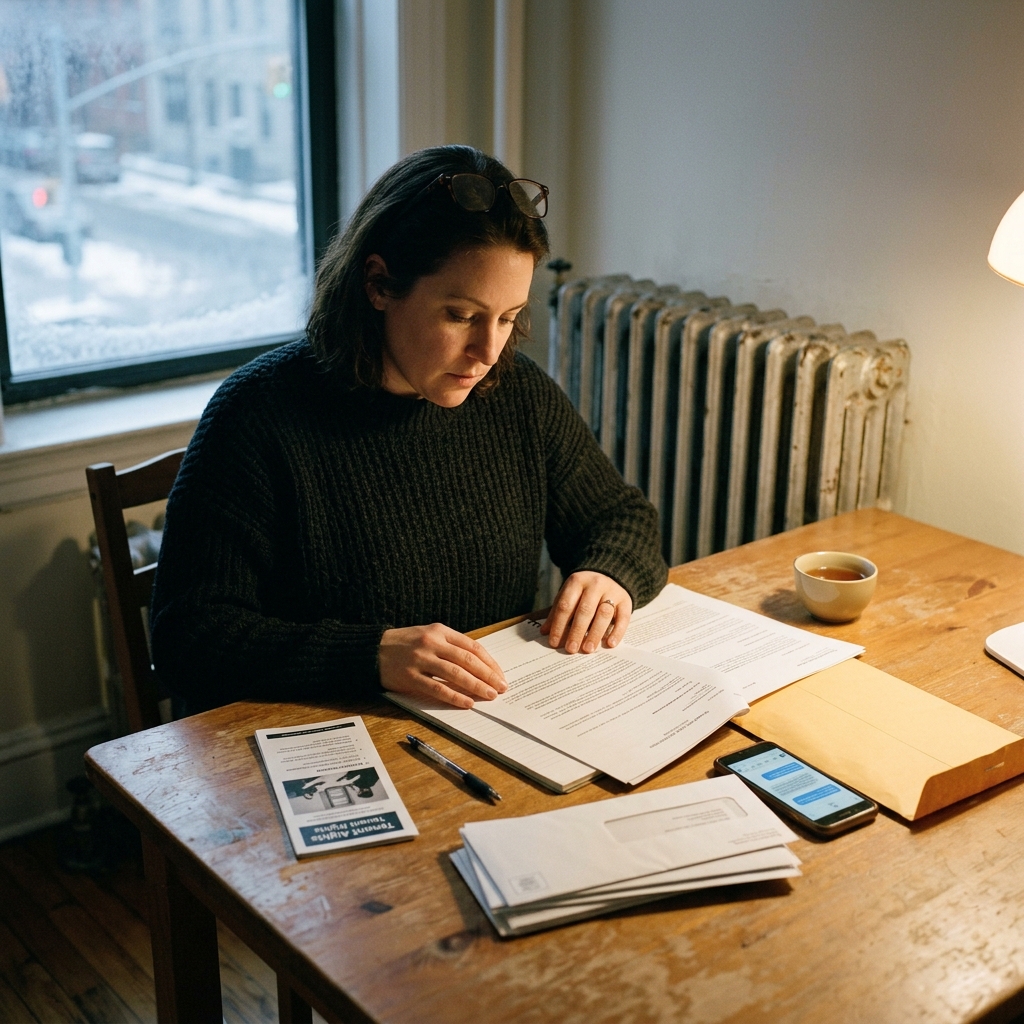
In most parts of the United States, providing safe, working heat is not just good practice for landlords; it is a legal requirement and a core part of what makes a rental home habitable. When temperatures drop, tenants have the right to live in a home that can be heated to a reasonable level, and laws in many states set specific minimum temperatures and heating seasons.
This guide explains how heating requirements typically work, highlights examples from several states, and outlines practical steps tenants can take if their rental is uncomfortably or dangerously cold.
Why Heating Is a Legal Habitability Requirement
Most landlord–tenant laws in the U.S. are built around a basic principle: a rental home must be safe and livable. This is often referred to as the “warranty of habitability.” Adequate heating is one of the most important components of habitability, especially in colder climates.
- Health and safety concerns – Prolonged exposure to cold indoor temperatures can increase the risk of respiratory illness, cardiovascular stress, and hypothermia, especially among children, older adults, and people with chronic health conditions.
- Structural and property damage – Inadequate heat can lead to frozen pipes, moisture problems, and mold growth, which pose further health and safety risks and can damage the property itself.
- Legal duty – Many states explicitly list lack of heat as a condition that can render a dwelling legally “uninhabitable,” triggering enforcement actions and remedies for tenants.
Because of these risks, state and local codes typically require landlords to install heating equipment and maintain it in good working order, rather than leaving tenants to rely on temporary or unsafe devices.
Common Elements of Heating Laws
While the details vary by state and city, heating regulations tend to share several key features.
Minimum Indoor Temperature Standards
Many jurisdictions specify the minimum temperature that a heating system must be capable of maintaining inside the home. For example, regulations often require that landlords provide heat able to maintain temperatures in the high 60s or around 70°F in living areas.
- Typical daytime requirements: around 68–70°F in habitable rooms.
- Typical nighttime requirements: slightly lower, but still generally above 60–64°F.
- Measurement point: some codes specify that temperature is measured a few feet above the floor in the center of a room, to ensure a consistent standard.
These standards are designed to provide a reasonable level of comfort and safety, not luxury conditions. As long as the heating system can reliably reach the required temperature, the landlord is usually considered to be meeting their duty.
Defined Heating Seasons
In colder regions, law or regulation may define an official “heating season” during which these minimum temperature standards apply and heat must be available.
- Some states specify start and end dates, such as mid‑September to late May.
- Others require heat whenever outdoor temperatures fall below a certain level or when it is reasonably necessary.
- Local boards of health may have authority to adjust dates for the heating season depending on regional climate.
Even outside the formal heating season, extreme weather may still trigger obligations under general habitability rules if the rental becomes unsafe without heat.
Safe, Approved Heating Equipment
Laws not only require landlords to provide heat; they also regulate what types of heating equipment are acceptable.
- Permanent, installed systems – Many codes require a permanent, fixed heating system (such as central heating, boilers, or built‑in heaters) rather than relying solely on portable space heaters.
- Approved devices – Heating appliances generally must comply with applicable building and mechanical codes and be of an approved type.
- Ventilation and combustion safety – Unvented fuel‑burning heaters are often prohibited because they can release dangerous gases or increase fire risk.
Tenants should never be asked to heat their home using unsafe methods such as an oven or stove, which can create serious carbon monoxide and fire hazards.
Hot Water Requirements
Hot water is frequently regulated alongside heat, and many jurisdictions require landlords to provide continuous access to hot water at a minimum temperature.
- Typical minimum hot water temperature: at least around 110–120°F at taps.
- Year‑round obligation: hot water must normally be available throughout the year, not only during the heating season.
Loss of hot water, like loss of heat, is usually treated as a serious maintenance issue that can affect habitability.
Examples of State Heating Requirements
The best way to understand how heating laws work in practice is to look at specific examples. The following summaries illustrate typical rules in several states.
| State | Minimum Indoor Temperature | Heating Season / Timing | Key Notes |
|---|---|---|---|
| California | Usually must be able to maintain about 70°F in habitable rooms. | Heat required whenever necessary to meet habitability standards; not limited to fixed dates. | Permanent heating system required; lack of heat can render a unit substandard under state housing law. |
| Massachusetts | At least 68°F during the day and 64°F at night. | Generally from September 15 to May 31, with limited local variation. | Heating requirements are part of the state sanitary code; indoor temperatures should not exceed 78°F. |
| New Jersey | Common local standard is minimum 68°F when outdoor temperatures drop below 55°F. | Often from October 1 to May 31, depending on jurisdiction. | Landlords typically must maintain both heat and hot water; violations can result in fines. |
| New York State | State property maintenance rules and local codes require adequate heat; specific temperatures are set by regulation and local law. | State rules define a heat season for covered buildings and require heat during those months. | Landlords must provide heat and make timely repairs; tenants can seek help from housing departments and advocacy groups. |
These examples show that while precise numbers differ, the general pattern is consistent: landlords must supply a reliable heating system capable of maintaining a defined minimum indoor temperature, at least during colder months.
What Counts as “Adequate” Heat?
From a legal perspective, heating is considered adequate when it meets statutory requirements and keeps the dwelling reasonably comfortable and safe.
Key Indicators of Adequate Heating
- The heating system can reach and sustain the required minimum temperature across all habitable rooms, not just one area.
- The equipment is in good repair and functions reliably without frequent breakdowns.
- The system complies with local building and safety codes and is properly installed and vented.
- Tenants are not forced to rely solely on portable space heaters to meet minimum temperature standards.
In contrast, heating may be legally inadequate if radiators are cold for long periods, the furnace repeatedly fails, or parts of the unit remain much colder than required even when the thermostat is set correctly.
Space Heaters: Helpful but Not a Substitute
Portable space heaters can be useful as a temporary measure while waiting for repairs, but in many jurisdictions they are not considered a sufficient replacement for a permanent heating system.
- Space heaters may supplement but should not be the only source of heat in a rental unit.
- Landlords generally cannot meet habitability obligations merely by providing a plug‑in heater instead of fixing a central system.
- Tenants should follow safety guidelines—keeping heaters away from flammable materials and never leaving them unattended—to avoid fire risks.
If a landlord offers space heaters while arranging repairs, that may be reasonable in the short term. However, long‑term reliance on temporary devices can raise legal concerns.
Tenant Steps When the Heat Is Not Working
When a rental home is too cold and the heating system is not functioning properly, tenants should respond promptly, both for safety and to protect their rights. The steps below are commonly recommended in many jurisdictions.
1. Contact the Landlord Quickly
- Notify the landlord or property manager as soon as you notice a heating problem.
- Use multiple channels if necessary—phone, text, email—but include at least one written request so there is a clear record.
- Describe the issue, how long it has been occurring, and any impacts (for example, specific rooms staying below a certain temperature).
Many laws treat loss of heat as an urgent repair need, and landlords are expected to respond promptly.
2. Document Conditions
Detailed documentation can be very helpful if you later need to involve inspectors or seek legal remedies.
- Keep copies of all communication with the landlord, including dates and times of calls or messages.
- Use an indoor thermometer to record temperatures in different rooms at various times of day.
- Take photos or videos showing thermostats, radiators, or other equipment if they are clearly malfunctioning.
Thorough records help establish a pattern and can confirm that temperatures fall below required standards.
3. Request Timely Repairs
After reporting the problem, tenants can reasonably expect the landlord to arrange repairs within a prompt timeframe. Because heat is critical to habitability, long delays may be unacceptable.
- Follow up if you do not receive a response within a short period, especially during cold weather.
- Ask when a technician will inspect the system and obtain a clear timeline for repair.
- If repairs are complex, landlords may need to provide temporary measures such as safe space heaters or alternative accommodation.
4. Contact Local Code or Health Authorities
If a landlord fails to act, tenants often have the right to involve local enforcement agencies. These agencies can investigate complaints, inspect the property, and order landlords to fix problems.
- Reach out to your city or county building code enforcement office, housing department, or board of health.
- File a formal complaint; this can typically be done by phone, online, or in writing.
- Inspectors may visit the property to measure temperatures and examine the heating equipment.
Enforcement agencies can issue citations, impose fines, or declare a unit substandard if the landlord does not provide required heat.
5. Seek Legal Advice Before Withholding Rent
Some jurisdictions allow tenants to withhold rent or pay for repairs and deduct the cost from rent in severe cases. However, these remedies can carry legal risk if not done correctly.
- Consult with a local legal aid organization or attorney before withholding rent or arranging your own repairs.
- Learn the specific rules in your state, including notice requirements and limits on repair‑and‑deduct options.
- Consider less risky options first, such as code enforcement or mediation.
Acting without legal guidance can sometimes trigger eviction proceedings, even when tenants are responding to genuine habitability issues.
Safety Tips: What Tenants Should Avoid
While it is important to stay warm, certain methods of heating a home can be dangerous and should be avoided.
- Never use an oven or stove for space heating. Gas ranges can release carbon monoxide, and open oven doors pose serious fire risks.
- Be cautious with fuel‑burning space heaters. Unvented heaters can be prohibited and may create toxic fumes or fire hazards if used improperly.
- Check smoke and carbon monoxide detectors. Ensure alarms are working, especially if you are using any fuel‑burning appliances.
- Do not block vents or radiators. Obstructing heating elements can reduce efficiency and increase fire risk.
If indoor conditions become dangerously cold and your health or safety is in immediate danger, contacting emergency services may be appropriate.
Frequently Asked Questions about Landlord Heating Duties
Do landlords always have to provide heat?
In many states, landlords are legally required to provide heating systems capable of maintaining specified minimum temperatures in rented homes. In practice, this means that in most conventional residential rentals, landlords must provide heat. However, the exact requirements and exceptions depend on state and local law.
Can a landlord meet their obligations with just a space heater?
Typically no. Many building and housing codes require a permanent, installed heating system, and portable space heaters alone do not satisfy these standards. Space heaters may be a short‑term supplement while repairs are underway but are rarely sufficient as the sole heating source.
Is air conditioning required in the same way as heat?
Heat and air conditioning are treated differently. In many jurisdictions, heat is mandatory for habitability, while air conditioning is not required unless specified in a lease or local ordinance. Tenants should check their lease and local rules to see whether cooling is covered.
What can I do if my landlord ignores my heating complaints?
Document the problem, submit written maintenance requests, and then contact local building code enforcement or health authorities if the landlord does not act. These agencies can inspect the property, issue orders, and in some cases impose penalties. Seeking advice from tenant advocacy groups or legal aid services is also recommended.
Can loss of heat make my rental legally “uninhabitable”?
Yes. In several states, lack of required heat is explicitly listed as a condition that can make a dwelling substandard or uninhabitable under housing codes. When a unit is deemed uninhabitable, tenants may have additional legal remedies, including potential rent reductions or relocation in some circumstances.
References
- Heating Regulations for Landlords in New Jersey — Mobile Steam. 2023-10-01. https://mobilesteam.com/heating-regulations-for-landlords-new-jersey/
- Cal. Code Regs. tit. 25, § 34 – Heating — Cornell Legal Information Institute. 2024-01-01. https://www.law.cornell.edu/regulations/california/25-CCR-34
- California Housing Law and Regulations: Healthy Homes Provisions — National Center for Healthy Housing. 2007-09-09. https://nchh.org/resource-library/HH_Codes_CA_9-9-07.pdf
- Massachusetts Law About Winter Heating — Mass.gov. 2023-11-15. https://www.mass.gov/info-details/massachusetts-law-about-winter-heating
- Tenant Rights: Home Heat — New York State Children's Environmental Health Centers (NYSCHECK). 2022-12-01. https://nyscheck.org/RXP/NYS/rx_english_TenantRightsHeat_NYS_WEB.pdf
- Tenant Rights: Heating Requirements in California — KQED. 2023-12-14. https://www.kqed.org/news/11970546/rental-home-getting-cold-this-winter-what-you-can-legally-ask-of-your-landlord
- Stay Safe in the Cold: What Renters Should Do When the Heat Isn't Working — Los Angeles County Department of Consumer and Business Affairs. 2023-01-20. https://dcba.lacounty.gov/newsroom/cold2023/
Similar Articles








Read full bio of Sneha Tete


