
Growing Cannabis in a Rental Home: What Tenants Need to Know
A practical legal guide for renters who want to grow cannabis at home while avoiding lease violations, eviction risks, and federal law problems.
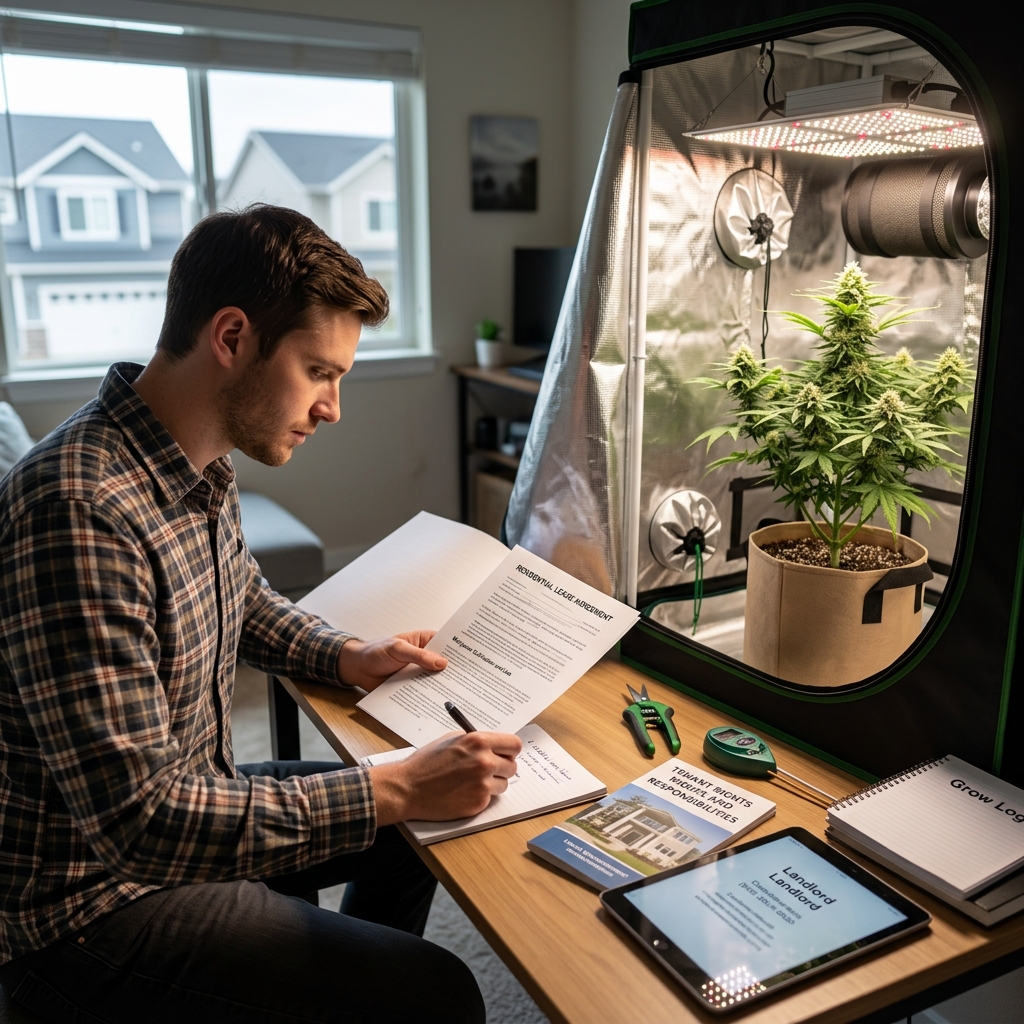
As more places in the United States and elsewhere legalize cannabis, renters face a confusing question: is it legal to grow cannabis in a rental unit and, if so, under what conditions? Cannabis laws blend state rules, federal prohibition, and private lease agreements, which means the answer is rarely simple and often depends on where you live and what you signed.
This guide explains how state cannabis laws, federal law, and landlord policies interact, and what tenants should do before setting up a home grow. It is general information, not legal advice, but it will help you recognize the main issues and questions to raise with a lawyer or your landlord.
1. The Legal Puzzle: State Cannabis Laws vs. Federal Prohibition
To understand cannabis in rentals, start with the basic legal framework. In many states, adults can legally use or grow cannabis under state law, but cannabis remains illegal under federal law.
Under the Controlled Substances Act, marijuana is classified as a Schedule I controlled substance, which means federal law treats possession, cultivation, and distribution as criminal activity, regardless of state legalization. This federal status affects housing in several ways, especially when federal money is involved.
At the same time, a growing number of states allow adults to possess and consume cannabis, and many permit limited home cultivation for personal use. For example:
- Some states let adults grow a small number of plants at home, subject to age, security, and non-visibility requirements.
- Home-grown cannabis is typically restricted to personal use; selling it without a license is illegal even where home cultivation is allowed.
The key takeaway: what state law allows, federal law may still prohibit. For renters, this becomes crucial when landlords rely on federal rules or receive federal housing subsidies.
2. Why Your Lease Matters More Than You Think
Even if state law allows cannabis cultivation at home, your lease agreement can place stricter limits on how you use the property. A residential lease is a private contract, and landlords generally have wide discretion to set rules as long as they do not discriminate against protected classes or violate housing law.
Landlords may:
- Ban smoking of any substance, including cannabis and tobacco, to reduce odor, secondhand smoke complaints, and property damage.
- Prohibit cannabis possession or cultivation outright, especially if they worry about federal law or building risks.
- Limit the number of plants or require written permission before you grow cannabis.
In many jurisdictions, landlords have explicit authority to forbid smoking or growing cannabis on their premises. For instance, guidance from New York’s state cannabis regulator notes that landlords can ban smoking, vaporizing, or growing cannabis on their property despite legalization.
The result: even if your state allows personal cultivation, your landlord can often say no. If you ignore those rules, you may be violating your lease, which exposes you to warnings, fees, or eviction.
2.1 Common Lease Clauses That Affect Cannabis Growing
Look for the following types of clauses when reviewing your lease:
- No illegal drugs / criminal activity language – Because cannabis remains illegal under federal law, some landlords treat any cannabis use or cultivation as a breach of these provisions.
- Smoking policy clauses – Many leases explicitly ban smoking or vaping inside the unit or anywhere on the property. These usually apply to cannabis, not just tobacco.
- Specific cannabis or marijuana rules – Some leases include dedicated sections addressing cannabis possession, use, and cultivation, including plant limits and inspection rights.
- Property damage and hazard clauses – Indoor grows can raise humidity, risk mold, strain electrical systems, or create fire hazards. Landlords may rely on general safety clauses to restrict growing operations.
Even a brief reference to “no controlled substances” or “no criminal activity” may be enough for a landlord to argue that growing cannabis violates your lease, but best practice for them is to mention cannabis explicitly.
| Lease Clause Type | Possible Impact on Tenants |
|---|---|
| General “no illegal drugs” provision | Landlord may claim any cannabis growing is a violation due to federal illegality. |
| Smoke-free property rules | May allow possession of cannabis but ban smoking and sometimes ban growing due to odor and damage. |
| Explicit cannabis cultivation ban | Even in legal states, tenants are barred from growing plants in the unit or on the property. |
| Medical cannabis exception clause | May permit non-smoking medical use while still forbidding smoking or home growing. |
| Safety and nuisance provisions | Landlord may target large or hazardous grow operations that cause damage or disturb neighbors. |
3. Special Rules for Public and Federally Subsidized Housing
Tenants in public housing or units supported by federal programs face stricter limits. Because cannabis remains illegal at the federal level, housing authorities and property owners who receive federal subsidies must comply with federal law.
Legal aid guidance from Illinois, for example, explains that renters cannot use or possess cannabis, including medical cannabis, in federally subsidized housing and may be evicted for doing so. It also notes that renters in such housing can never grow cannabis at home, even if state law otherwise allows limited cultivation.
This pattern is common nationwide:
- Federal housing regulations treat cannabis as an illegal drug.
- Housing providers risk losing funding if they permit cannabis use or growing on the property.
- Tenants in public or subsidized housing may face swift enforcement if cannabis plants are discovered.
If you live in public housing or receive housing assistance, assume cannabis growing is prohibited unless a lawyer or your housing authority clearly tells you otherwise.
4. When State Law Allows Home Growing – and What It Doesn’t Guarantee
In states that allow home cultivation, the rules typically focus on who can grow, how many plants they can have, and security conditions. These laws rarely override landlord authority to regulate their property.
Examples of typical state rules include:
- Only adults over a certain age (commonly 21) may grow cannabis.
- Plant limits per person and per household (for instance, six plants total per household in some states).
- Plants must be kept in a locked or secure area, not visible from public places.
- Home-grown cannabis cannot be sold and is intended only for personal use.
Importantly, some states specify that renters must have permission from the property owner before growing cannabis at home, and that landlords may ban cultivation in the lease. State law legalization therefore does not automatically grant tenants a right to grow cannabis inside a rented unit.
4.1 Examples of Landlord Control in Legal States
In states that have legalized cannabis and home cultivation, official or legal commentary often emphasizes landlord rights:
- Colorado legalizes limited home growing but allows rental property owners to ban possession and use of marijuana products on their properties, and cultivation in rental units can be treated as a lease violation.
- New York’s Office of Cannabis Management confirms that landlords may prohibit smoking, vaporizing, or growing cannabis on their premises despite statewide legalization and limited home grow allowances.
For tenants, this means that state legalization describes what the government will not punish; it does not guarantee what your landlord will allow in your private lease.
5. Practical Risks of Growing Cannabis in a Rental Unit
Even aside from legal rules, landlords often worry about the practical consequences of indoor growing. These concerns shape how strictly they draft lease clauses and how aggressively they enforce them.
Common landlord worries include:
- Odor and neighbor complaints – Strong smells from flowering plants or smoking can reduce other tenants’ enjoyment, trigger complaints, and harm property reputation.
- Secondhand smoke exposure – Smoke can travel through walls and vents, affecting other residents and potentially creating health concerns.
- Humidity and mold – Grow operations with lights and irrigation can raise humidity levels, contributing to mold problems and expensive remediation.
- Electrical and fire hazards – Improper wiring, high-powered lights, and DIY extraction setups can overload circuits and increase fire risk.
- Insurance and liability issues – Insurers may be wary of properties with known grow operations, affecting coverage and premiums.
Because of these risks, some landlords use broad bans on smoking and indoor growing to protect the building and simplify enforcement. For a tenant, ignoring these concerns can make it easier for the landlord to justify ending the tenancy.
6. Steps Tenants Should Take Before Growing Cannabis
If you are considering growing cannabis in a rental unit, it is crucial to be proactive. Thoughtful planning can reduce the chance of conflict with your landlord or violation of your lease.
6.1 Review Your Lease Carefully
Before doing anything, read your lease from start to finish. Look for any references to:
- “Controlled substances,” “illegal drugs,” or “criminal activity”
- Smoking, vaping, or tobacco use
- Cannabis, marijuana, or medical marijuana
- Property damage, hazardous activities, or alterations to the unit
If the lease specifically forbids cannabis growing in the unit or on the property, you risk violating the contract by setting up a grow. If the language is ambiguous, consider getting legal advice to interpret it.
6.2 Understand Local and State Law
Next, research your local and state cannabis rules. Pay attention to:
- Whether home cultivation is legal at all and under what conditions.
- Plant limits per person and per household.
- Required security measures (locked rooms, non-visibility from public areas).
- Any special rules for renters or multi-unit buildings.
Legal aid organizations, official state cannabis agencies, and government websites are good starting points. Understanding the law will help you gauge what your landlord is likely to worry about and what they can reasonably restrict.
6.3 Talk to Your Landlord Before You Grow
Open communication can prevent many disputes. If your lease does not clearly address cannabis, or if you hope for an exception, consider discussing your plans with your landlord beforehand.
In your conversation, you might:
- Explain that you understand the rules and intend to follow state law.
- Describe a small-scale, personal grow rather than a large operation.
- Offer to take steps to limit odor, humidity, and visibility.
- Ask if the landlord is willing to grant written permission or add a brief addendum reflecting any agreement.
While landlords are not obligated to say yes, respectful communication and a clear plan may make them more comfortable granting permission if the risks are low.
6.4 Consider Alternatives If Growing Is Not Allowed
If your landlord or lease strictly prohibits growing cannabis, you may want to consider alternatives:
- Purchasing cannabis from licensed dispensaries in accordance with state law.
- Using non-smoking forms of cannabis (if possession and use are allowed but smoking and growing are banned).
- Waiting until you live in a property where home cultivation is allowed and documented in the lease.
Trying to hide a grow in a prohibited unit carries significant risk. Discovery could lead to eviction proceedings, loss of housing, and in some circumstances, possible involvement of law enforcement.
7. What Can Happen If You Grow Cannabis Against the Rules?
Landlords typically enforce cannabis-related rules through lease violations rather than criminal charges, but federal illegality can play a role in serious cases. Potential consequences include:
- Written warnings – Many landlords start with notice and an opportunity to stop the activity or remove the plants.
- Fines or fees – If authorized by the lease, landlords may impose penalties for violating smoking or cultivation bans.
- Eviction proceedings – Repeated rule-breaking or large grow operations can lead to eviction actions based on material breach of the lease.
- Loss of subsidized housing – In public or federally funded housing, cannabis grows can result in denial of housing assistance or termination of tenancy.
Documented property damage, complaints from neighbors, or evidence of distribution rather than personal use can make these outcomes more likely. In serious cases or large-scale grows, law enforcement involvement is also possible, especially if the operation appears commercial.
8. Frequently Asked Questions
8.1 If my state allows home cannabis growing, does my landlord have to allow it?
No. State legalization typically describes what the government will not prosecute; it does not force landlords to permit cannabis on their property. In many states and under official guidance, landlords can ban smoking, possession, or growing through clear lease clauses.
8.2 Can my landlord evict me just for growing a few plants?
Eviction depends on your lease and local law. If your lease specifically bans cannabis growing or treats any federal criminal activity as a violation, even a few plants could provide grounds for eviction, especially if the landlord has given prior warnings. Some landlords and local rules may allow tenants a chance to correct the violation before eviction.
8.3 Is medical cannabis treated differently in rental housing?
Medical cannabis laws sometimes give patients protections against discrimination, but they rarely guarantee a right to smoke or grow cannabis in a rental unit. Landlords can often ban smoking or cultivation, even for medical users, while allowing other forms of use that do not damage property or disturb neighbors.
8.4 Does federal law matter if my state has fully legalized cannabis?
Yes. Federal law still classifies marijuana as a Schedule I controlled substance. This matters especially for public or subsidized housing and can influence how landlords draft lease provisions and enforce rules, since they may rely on federal illegality to treat cannabis as a breach of “no criminal activity” clauses.
8.5 What is the safest way to approach home growing as a tenant?
The safest approach is to assume you cannot grow cannabis unless your lease explicitly allows it or your landlord gives written permission. Review your lease, understand local law, talk to your landlord, and prioritize transparency and caution. If in doubt, seek advice from a lawyer or tenant legal aid organization.
References
- Controlled Substances Act — U.S. Drug Enforcement Administration. 2023-05-01. https://www.dea.gov/drug-information/csa
- Cannabis and Housing Law — Illinois Legal Aid Online. 2024-01-10. https://www.illinoislegalaid.org/new-leaf/cannabis-and-housing-law
- Landlords — New York State Office of Cannabis Management. 2023-11-15. https://cannabis.ny.gov/landlords
- Protecting Your Rental Property From Marijuana Issues — Robinson & Henry, P.C. 2022-09-01. https://www.robinsonandhenry.com/blog/real-estate/landlords-and-marijuana/
- Know Your Rights When Tenants Use Marijuana on Rental Property — PayRent.com. 2023-06-20. https://www.payrent.com/articles/know-your-rights-when-tenants-use-marijuana-on-rental-property/
- Tenants and Marijuana: What’s a Landlord to Do? — Adjusters International. 2022-03-10. https://www.adjustersinternational.com/pubs/insights-for-your-industry/tenants/
Similar Articles








Read full bio of medha deb


