
Immigrant Rights During Police and Immigration Stops
Essential guidance for immigrants on asserting legal rights and staying safe during encounters with police or immigration agents.
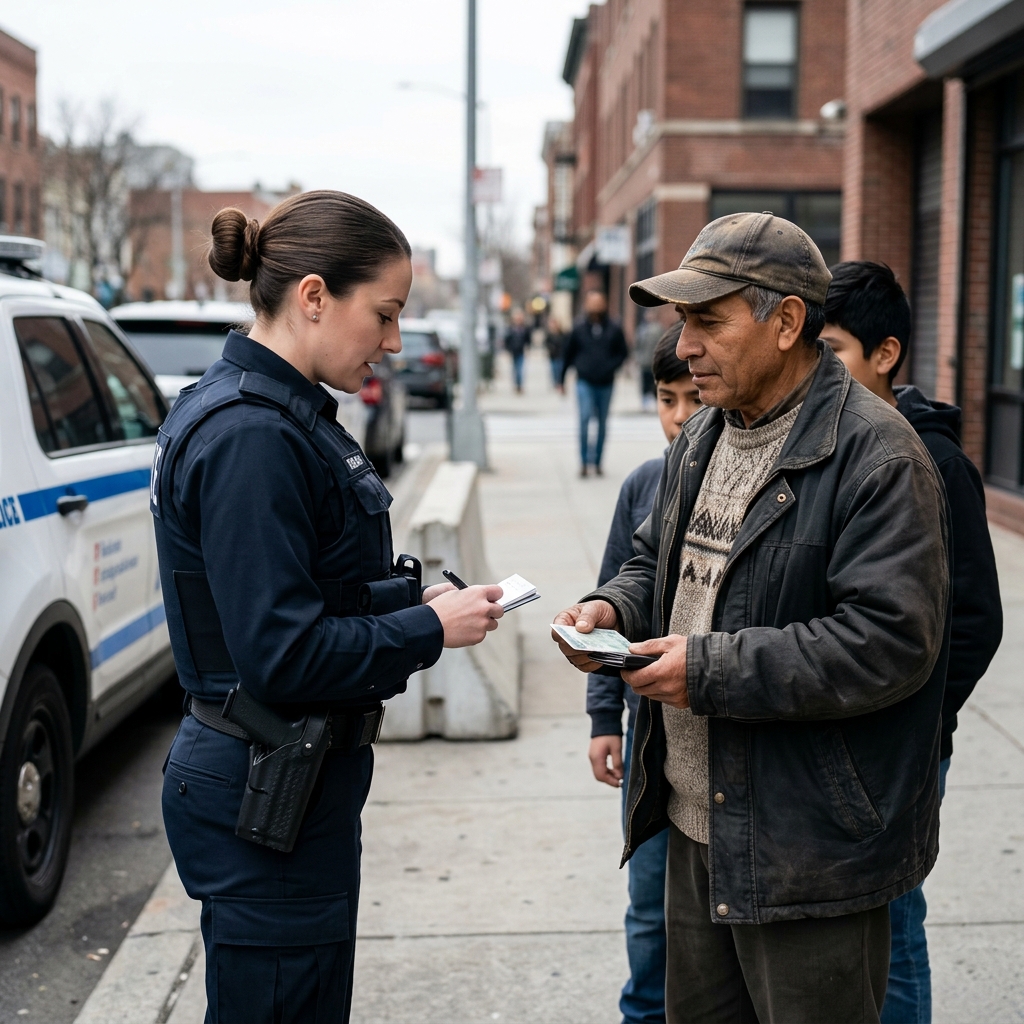
Encounters with police or immigration officers can be stressful for anyone, and they can be especially intimidating for immigrants. Yet, regardless of immigration status, people in the United States have important legal protections that can help them stay safer and avoid serious mistakes during these interactions.
This article explains those protections in clear, practical terms. It focuses on how to respond when approached, questioned, or detained by police or immigration agents, what to say and what to avoid, and how to prepare yourself and your family in advance.
Core Legal Protections Immigrants Should Know
Several fundamental rights apply to all people in the United States, including citizens, lawful permanent residents, visa holders, and undocumented immigrants.
- Right to remain silent: You generally do not have to answer questions about where you were born, how you entered the country, or your immigration status.
- Right to be free from unreasonable searches: Officers usually need consent, a valid warrant, or probable cause to search your body, belongings, home, or vehicle.
- Right to ask if you are free to leave: You can ask whether you are being detained or arrested and if you are allowed to walk away.
- Right to an attorney: If you are arrested or detained, you have the right to consult a lawyer before answering questions or signing documents, though a free lawyer is not always provided in immigration cases.
- Protection against discrimination: Law enforcement cannot legally target you solely based on race, ethnicity, or perceived national origin.
These rights come from the U.S. Constitution and federal law and apply broadly, even if your immigration status is uncertain or undocumented.
General Safety Principles for Any Encounter
Regardless of whether you are dealing with local police, Immigration and Customs Enforcement (ICE), or Customs and Border Protection (CBP), certain basic safety principles apply.
- Stay calm: Do not run, argue, or physically resist, even if you believe your rights are being violated.
- Keep your hands visible: For example, keep them on the steering wheel during a traffic stop or at your sides in public.
- Do not lie: Never give false information or present fake documents; false statements can lead to criminal charges and harm your immigration case.
- Use simple, clear phrases: Calmly state that you are choosing to remain silent or that you do not consent to a search.
- Document the encounter later: When it is safe, write down details such as officer names, badge numbers, and what happened.
Street Encounters and Public Stops
Many interactions with police or immigration officers happen in public places: on sidewalks, at bus stops, in parking lots, or inside stores. Knowing how to respond can reduce risk and confusion.
Initial Contact and Questioning
If an officer approaches you in public, they may ask basic questions about your name or what you are doing. In many situations, you are not required to provide more information than identifying yourself, and in some states, you are not required to identify yourself unless you are under arrest.
- You may calmly ask: “Am I being detained or arrested?”
- If the officer says no, you can then ask: “Am I free to leave?”
- If the officer says yes, you may choose to walk away quietly and without arguing.
If you do not feel free to leave, you can choose to remain silent and avoid discussing where you were born or your immigration status.
Asserting the Right to Remain Silent
Remaining silent is a powerful protection, especially when immigration status is involved.
- To use this right, say calmly: “I choose to remain silent and would like to speak to a lawyer.”
- Do not answer follow-up questions about citizenship or how you came to the United States.
- Remember that anything you say can later be used in immigration court or criminal court.
Traffic Stops: When You Are in a Vehicle
Traffic stops create a unique situation because police can demand certain documents related to driving. At the same time, you still retain important rights over questioning and searches.
What You Must Show
During a lawful traffic stop by police, the driver is generally required to show:
- Driver’s license
- Vehicle registration
- Proof of insurance
Beyond these documents, you do not have to answer questions about your immigration status or where you were born.
Searches of Your Car
Officers sometimes ask for permission to search a vehicle. You have the right to refuse.
- You may say: “I do not consent to a search of my car.”
- If officers believe they have probable cause that the vehicle contains evidence of a crime, they may legally search without your consent.
- Do not physically try to stop the search; instead, calmly restate that you do not consent and note what is happening for future reference.
When Immigration Officers Are Involved
Immigration officers may participate in traffic stops or identify themselves as “police.” It is reasonable to ask which agency they represent.
- You can ask: “Are you with the police department or immigration?”
- If they are immigration officers and you are undocumented, you can choose to remain silent and decline to discuss your status.
- Lawful permanent residents and citizens can present valid immigration documents if they choose, such as a green card or passport.
At Home: When Officers Come to Your Door
Officers sometimes go to homes looking for specific individuals or conducting broader operations. The home is one of the most protected places under U.S. law, and it is important to know the difference between various kinds of warrants.
Do Not Open the Door Without a Valid Judicial Warrant
Immigration officers and police often knock and ask to enter, but you generally are not required to open the door.
- Communicate through the closed door or a window if possible.
- Ask: “Do you have a warrant signed by a judge?”
- If they claim to have a warrant, request that it be slipped under the door or shown through a window so you can read it.
A judicial warrant is signed by a judge and usually includes your name or address. An administrative warrant issued by immigration authorities alone typically does not authorize entry into a home without consent.
| Type of Warrant | Who Issues It | Allows Entry Into Home? |
|---|---|---|
| Judicial warrant | Judge or magistrate in a court | Yes, if it lists your name or address, subject to limits described in the warrant. |
| Administrative warrant | Immigration agency (e.g., ICE) | Generally no; does not by itself authorize forced entry without consent. |
If Officers Enter or Search Anyway
If officers enter your home or conduct a search despite your refusal, do not physically resist. Instead:
- State clearly: “I do not consent to this search.”
- Observe as much as you safely can and later write down details such as names, dates, and what was taken.
- Contact a lawyer as soon as possible to review what happened.
If You Are Arrested or Detained
Being taken into custody by police or immigration officers is serious, but your rights remain in place. How you respond can have long-term consequences for your immigration status and potential criminal charges.
Key Steps After Arrest or Detention
- Ask to speak with a lawyer: Clearly request an attorney and avoid signing documents until you have legal advice.
- Remain silent about your immigration history: Do not discuss how you entered the country, prior border crossings, or any past immigration issues.
- Request a phone call: Ask to call a lawyer, trusted family member, or friend.
- Do not sign forms you do not understand: Some forms may include agreements to be removed from the United States; you can say you need an interpreter and legal advice first.
In immigration detention, the government is not required to provide a free lawyer, but you still have the right to consult an attorney and hire one.
Preparing Yourself and Your Family in Advance
Planning ahead can significantly reduce panic and confusion if an unexpected encounter occurs. Many legal and advocacy organizations recommend creating a simple family plan.
Practical Preparation Steps
- Keep important numbers, including an immigration lawyer and trusted contacts, written on paper and saved in phones.
- Teach family members, including children, not to open the door for unknown officers and to refer officers to adults.
- Gather key documents such as passports, birth certificates, and immigration records and keep them in a safe, accessible place.
- Discuss what will happen if someone is detained: who will pick up children, manage rent, and handle finances.
Documenting Encounters and Filing Complaints
If you believe your rights were violated, recording what happened can be important for legal challenges and complaints.
- Write down the date, time, and location of the incident.
- Note the agency involved: police department, ICE, CBP, or another entity.
- Record officer names, badge numbers, and vehicle or patrol car numbers if visible.
- Collect contact information for witnesses who saw the encounter.
- Seek medical care and record injuries if you were hurt.
- Consider filing a written complaint with the relevant agency’s internal affairs unit or a civilian review board, and consult legal organizations such as civil liberties groups for guidance.
Frequently Asked Questions (FAQs)
Do I have to tell officers my immigration status?
In most situations, you do not have to answer questions about your immigration status, how you entered the country, or where you were born. You can state that you wish to remain silent and speak with a lawyer first.
Can officers stop me just because I look like an immigrant?
Law enforcement is not permitted to legally target you solely on the basis of race, ethnicity, language, or appearance. Stops must be supported by lawful reasons, such as reasonable suspicion of a specific crime.
What if I am a lawful permanent resident?
Lawful permanent residents generally have the same constitutional protections as U.S. citizens and may also have obligations, such as carrying proof of status when over age 18. You may choose to show valid documentation, but you still have the right to consult a lawyer and avoid signing documents you do not understand.
Will I get a free lawyer in immigration court?
Unlike criminal court, immigration proceedings do not guarantee a government-paid attorney. You have the right to hire a lawyer, but you may need to find legal assistance through nonprofit organizations, private attorneys, or pro bono programs.
Is it safe to film or record officers?
Many advocates encourage documenting encounters when it is safe and does not interfere with official operations. However, you should not obstruct officers, place yourself in danger, or post unverified information online that could create confusion or risk.
References
- What to Do if You Are Arrested or Detained by Immigration — National Immigration Law Center. 2023-03-01. https://www.nilc.org/resources/know-your-rights-what-to-do-if-arrested-detained-immigration/
- What to Do if You’re Stopped by Immigration Officers — New York Civil Liberties Union. 2017-06-01. https://www.nyclu.org/resources/know-your-rights/what-do-if-youre-stopped-immigration-officers
- What to Do if Stopped by Police, Immigration Agents or FBI — ACLU of Texas. 2022-08-15. https://www.aclutx.org/know-your-rights/what-to-do-if-stopped-by-police/
- Know Your Rights: If You Encounter ICE — National Immigrant Justice Center. 2021-11-10. https://immigrantjustice.org/for-immigrants/know-your-rights/ice-encounter/
- What To Do If You’re Stopped by Police, Immigration Agents or the FBI — ACLU of Arkansas. 2020-05-20. https://www.acluarkansas.org/know-your-rights/what-do-if-youre-stopped-police-immigration-agents-or-fbi/
- Know Your Rights — Informed Immigrant. 2023-01-05. https://www.informedimmigrant.com/guides/know-your-rights/
- Know Your Rights: If ICE Stops You in Public — George Washington University International Services Office. 2025-04-01. https://internationalservices.gwu.edu/sites/g/files/zaxdzs6431/files/2025-04/KYR.pdf
- Know Your Rights / Conozca Sus Derechos — Office of U.S. Representative Brittany Pettersen. 2023-09-01. https://pettersen.house.gov/services/know-your-rights-conozca-sus-derechos.htm
Similar Articles








Read full bio of medha deb




