
How to Recognize and Report Hate Crimes Safely
Learn how to identify hate crimes, report them safely, and support victims while protecting your rights and your community.
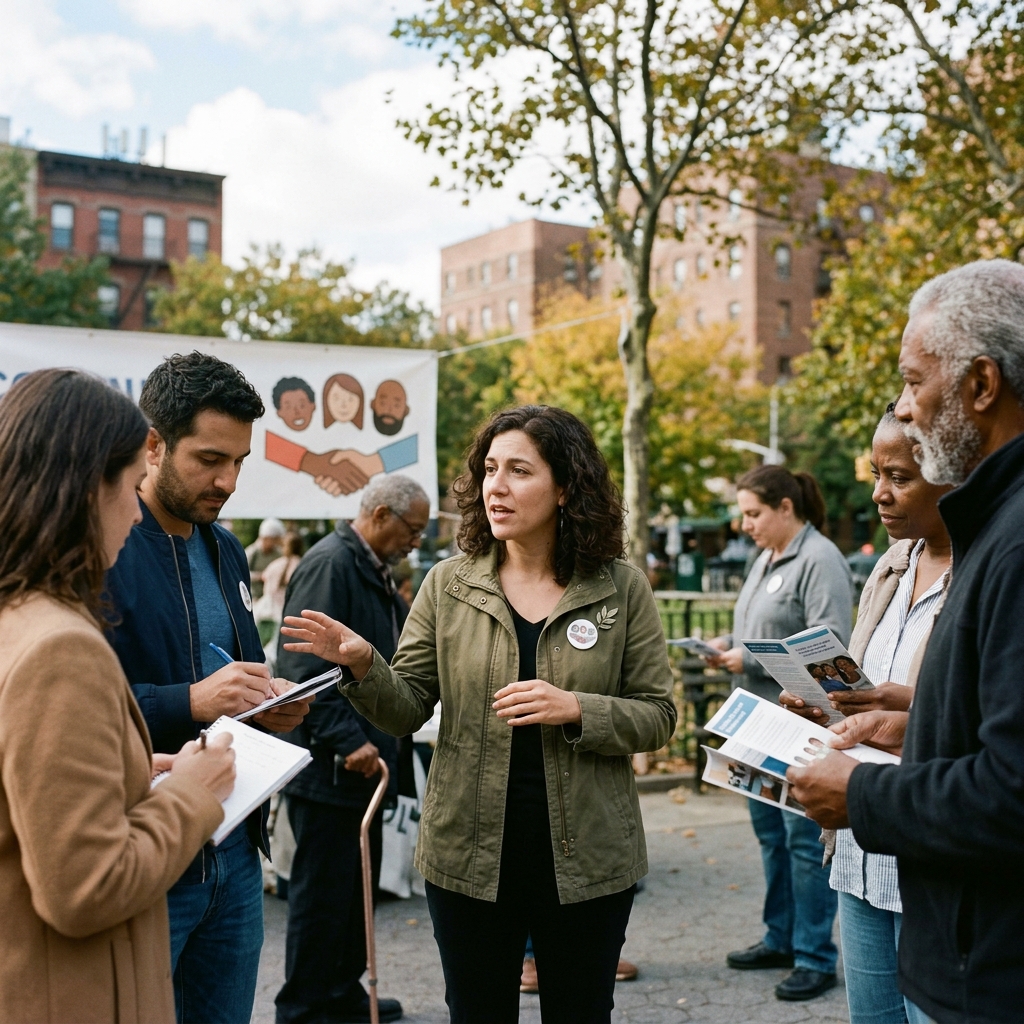
Hate crimes and bias-motivated attacks do more than injure individual victims. They send a message of fear to entire communities and undermine trust in public safety systems. Understanding how these crimes are defined, how to report them, and what support is available can help protect your rights and strengthen your community’s response.
This guide provides an overview of what hate crimes are, how they differ from other crimes or hateful incidents, and clear steps you can take to document and report them safely. It draws on guidance from U.S. federal agencies, law enforcement organizations, and victim-support services to offer practical, up-to-date information.
What Is a Hate Crime?
In the United States, a hate crime is generally a criminal act (like assault, threats, vandalism, or arson) that is motivated, at least in part, by bias against a protected characteristic. Federal law focuses on crimes where the offender targets a victim because of actual or perceived attributes such as race, color, religion, national origin, sexual orientation, gender, gender identity, or disability.
Key elements usually include:
- Underlying crime – There must be a criminal offense (for example, physical attack, property damage, or credible threats).
- Bias motivation – The action is motivated at least in part by hostility toward a protected group.
- Protected characteristic – The victim is targeted because of a characteristic like race, religion, or sexual orientation, whether real or perceived.
Hate Crime vs. Hate Incident
Not every hateful act is a crime. Law enforcement professionals distinguish between:
| Category | Example | Usually Criminal? |
|---|---|---|
| Hate crime | Assaulting someone while shouting racial or anti-LGBTQ+ slurs. | Yes – involves physical violence plus bias motivation. |
| Hate crime | Spray-painting a religious building with threats and hateful symbols. | Yes – vandalism and threats. |
| Hate incident | Shouting slurs or insults without threats or physical contact. | Often no – may be protected speech unless it reaches the level of threats or harassment. |
Although many hate incidents do not meet the legal threshold for a crime, they can still be reported to civil rights agencies, community organizations, or hotlines and may be important for tracking patterns of bias.
Why Reporting Hate Crimes Matters
Hate crimes are significantly underreported. Many victims are reluctant to come forward due to fear of retaliation, mistrust of authorities, language or immigration concerns, or a belief that nothing will change. Yet reporting plays a crucial role:
- Accountability for offenders – Police and prosecutors cannot investigate and charge hate crimes they never hear about.
- Accurate statistics – Data helps governments and advocacy groups understand where and against whom hate crimes occur, informing policy and resources.
- Community protection – Reporting can alert authorities to patterns or organized groups, allowing prevention and targeted outreach.
- Access to services – Victims may gain access to victim compensation, counseling, and support services that depend on official reports.
International monitoring bodies also rely on national and local reports to track hate crime trends over time and across communities.
Immediate Safety Steps After a Hate-Motivated Attack
If you experience or witness a possible hate crime, your safety and the safety of others is always the first priority. National victim-support organizations recommend a few immediate actions.
1. Get to a Safe Place
- Move away from the attacker or hostile group as soon as it is safe to do so.
- Seek out public spaces with other people, security staff, or employees.
- If you feel in immediate danger, do not stay to argue or film; focus on getting out safely.
2. Call Emergency Services if Needed
If anyone is injured or the situation is ongoing, contact emergency services right away.
- Dial 9-1-1 in the United States for immediate police, fire, or medical assistance.
- Tell the dispatcher where you are, what is happening, and whether weapons are involved.
- If you believe the attack was motivated by bias, mention any slurs or symbols used so responders understand the context.
3. Seek Medical Care
Even if injuries seem minor, medical evaluation is important for health and documentation:
- Get emergency medical help for serious injuries.
- Visit a clinic, urgent care, or doctor to document bruises, cuts, or other harm.
- Ask for copies of medical records; these can be evidence later.
Documenting a Hate Crime or Incident
Memories fade quickly after a traumatic event. Writing down what happened while it is still fresh and preserving any physical or digital evidence can make a significant difference to investigators.
What Details to Record
As soon as you are in a safe place, try to note:
- Date, time, and location of the incident.
- What happened – step-by-step description.
- Words used – especially slurs, threats, or references to your identity.
- Number of people involved – including bystanders or additional perpetrators.
- Descriptions of the perpetrator(s):
- Approximate age, height, build, and gender.
- Race or ethnicity as perceived.
- Clothing, tattoos, jewelry, or other distinguishing features.
- Vehicles – license plate numbers, make, model, color.
- Witness information – names and contact details if they are willing to share.
If you were too overwhelmed to notice details, that is normal. Share whatever you do remember and tell investigators if there were cameras or other potential sources of evidence nearby.
Saving Physical and Digital Evidence
- Photographs – Take photos of injuries, damaged property, graffiti, or symbols as soon as possible.
- Messages – Save voicemails, texts, emails, or social media posts that include threats or slurs.
- Graffiti or objects – Do not clean or remove them until law enforcement has documented the scene, unless leaving them in place creates an ongoing safety risk.
- Surveillance footage – If cameras may have recorded the incident, inform the police promptly so footage can be preserved.
How to Report a Hate Crime to Authorities
In the U.S., hate crimes can be reported at multiple levels. Victims and witnesses are encouraged to contact local law enforcement first, and then, where appropriate, federal agencies that investigate civil rights violations.
Step 1: Report to Local Police
Federal guidance recommends starting with your local or state police department.
- Emergency – Call 9-1-1 if the situation is urgent or ongoing.
- Non-emergency – Use your police department’s non-emergency number or in-person desk if there is no immediate danger.
- Ask for an incident report – Request that the officer file an official report and provide a case number.
- Mention bias motivation – If you believe bias played a role, clearly describe why (slurs, symbols, victim’s identity, prior harassment, etc.).
- Get officer details – Note the reporting officer’s name and badge number and keep any written materials given to you.
Police agencies are encouraged to use specialized forms that capture bias indicators and to treat hate crime victims with particular care, including keeping them informed and connecting them with support services.
Step 2: Report to the FBI (Federal Level)
Some hate crimes violate federal civil rights laws. The U.S. Department of Justice and the FBI accept reports directly from the public.
- Online – Submit a report through the FBI’s online tip portal.
- By phone – Call the FBI at 1-800-CALL-FBI (1-800-225-5324).
- Local field office – Contact a nearby FBI field office using the contact details on the FBI’s website.
When reporting to the FBI, you can refer to any report already filed with local police and provide your case number. The FBI may follow up for more information as they determine whether federal law applies.
Step 3: Civil Rights and Community Reporting Channels
Even when conduct does not qualify as a crime, you may be able to report it through civil or community channels:
- Civil rights complaint portals – The U.S. Department of Justice and state civil rights agencies accept discrimination and harassment complaints involving hate incidents.
- Attorney General hotlines – Many state Attorneys General host online portals or hotlines for reporting hate incidents and discrimination.
- Community organizations – Advocacy groups often maintain reporting tools or hotlines to document incidents, provide support, and advocate for better responses.
Finding Support and Legal Help as a Victim
Experiencing a hate crime can be traumatizing. In addition to legal remedies, victims often need emotional support, practical assistance, and information about their rights.
Victim Assistance Resources
Victim-support hotlines and organizations can help you understand your options, connect you with local resources, and navigate reporting or legal processes.
- National victim hotlines – Provide confidential support, safety planning, and referrals to local services.
- Local victim assistance programs – Many police departments, prosecutors’ offices, and nonprofits have advocates who help victims interact with law enforcement and the courts.
- Specialized services – Some organizations focus on particular communities (for example, LGBTQ+ hotlines or cultural community centers) and can offer culturally competent assistance.
Financial and Legal Assistance
Hate crime victims may face unexpected costs, such as medical bills, counseling, relocation, or property repair. Several avenues may help:
- Crime victim compensation – Many states operate compensation programs that reimburse certain crime-related expenses when the incident is reported to law enforcement.
- Civil legal remedies – In addition to criminal charges, victims may have civil claims, such as lawsuits for damages or discrimination complaints.
- Legal aid organizations – Nonprofit legal services and civil rights groups may assist with protective orders, housing issues, employment rights, or immigration concerns.
Working With Law Enforcement: Rights and Expectations
Law enforcement agencies are encouraged to respond swiftly, document bias indicators thoroughly, and support victims throughout investigations. Understanding what to expect can make the process less intimidating.
What Police Are Encouraged to Do
According to guidance for police leadership and officers, good practice in hate crime cases includes:
- Taking all reports seriously and recording possible bias motivation from the first contact.
- Conducting respectful, thorough interviews with victims and witnesses.
- Photographing hateful graffiti, symbols, or damage and preserving physical evidence.
- Tracking and monitoring organized hate groups’ criminal activity where relevant.
- Keeping victims informed about the progress and outcome of investigations.
- Connecting victims with support services and community organizations.
Your Role as a Reporter or Witness
You do not need to prove that a hate crime occurred; your role is to share honestly what you experienced or saw. To help the process:
- Bring any notes, photos, or recordings when you make a report.
- Explain clearly why you believe the act was motivated by bias.
- Provide contact information for willing witnesses.
- Ask how you can obtain a copy of the police report and case number.
- Follow up if you do not hear back within the time frame the officer described.
Overcoming Barriers to Reporting
Many people face obstacles when deciding whether to report a hate crime. Common concerns include immigration status, fear of retaliation, distrust of law enforcement, or concerns about being outed (for LGBTQ+ victims). Victim advocates and legal aid organizations can help you explore options that fit your situation and risk level.
Some strategies that may help include:
- Anonymous or confidential hotlines – Many community groups and some law enforcement agencies allow anonymous tips or confidential discussions.
- Third-party reporting – A trusted organization or advocate may be able to help you report without you interacting directly with police at first.
- Legal consultation – Immigration, housing, or employment lawyers can explain how reporting might affect your situation and how your information will be handled.
- Support networks – Friends, family, faith communities, and peer-support groups can accompany you to meetings and hearings.
Frequently Asked Questions About Hate Crimes
Do I have to be physically injured for something to be a hate crime?
No. Hate crimes can involve threats, attempted assaults, or property damage such as vandalism to homes, cars, or places of worship. The key elements are that a crime occurred and it was motivated, at least in part, by bias against a protected characteristic.
What if I am not sure whether it was a hate crime or just a crime?
You do not have to decide before reporting. Share all the details with law enforcement, including any slurs, symbols, or prior harassment. Investigators and prosecutors will determine whether hate crime laws apply. It is better to report and let professionals assess the circumstances.
Can I report a hate incident that is not a crime?
Yes. Many civil rights agencies, state Attorneys General, and community organizations encourage reports of non-criminal hate incidents so they can track trends and provide support, even if they cannot bring criminal charges.
Will reporting affect my immigration status?
Law enforcement and victim-service programs generally focus on your safety and the investigation, not immigration enforcement. In some situations, crime victims may also qualify for certain immigration protections. Because circumstances vary, it is wise to consult an immigration or legal services organization for advice tailored to your situation.
What if the police do not take my report seriously?
If you feel your concerns are dismissed, you can ask to speak with a supervisor, contact a local civil rights or advocacy organization, or report the incident to state or federal civil rights agencies. Community groups and legal organizations may assist you in elevating the issue.
References
- Report a Hate Crime — U.S. Department of Justice. 2024-03-15. https://www.justice.gov/hatecrimes/report-a-hate-crime
- United States of America Hate Crime Data — OSCE Office for Democratic Institutions and Human Rights. 2024-11-15. https://hatecrime.osce.org/united-states-america
- Hate Crimes Resources — National Asian Pacific American Bar Association. 2023-08-01. https://www.napaba.org/page/HateCrimeResources
- Report Hate Crimes to the FBI — Federal Bureau of Investigation. 2022-09-13. https://www.fbi.gov/video-repository/report-hate-crimes-to-the-fbi/view
- Responding to Hate Crimes: A Police Officer’s Guide to Investigation and Prevention — International Association of Chiefs of Police. 2017-05-01. https://www.theiacp.org/resources/responding-to-hate-crimes-a-police-officers-guide-to-investigation-and-prevention
- Hate Crime — DC Victim Hotline. 2023-06-10. https://dcvictim.org/hate-crime/
- What to Do If You’ve Been the Victim of a Hate Crime — Human Rights Campaign. 2022-10-20. https://www.hrc.org/resources/what-to-do-if-youve-been-the-victim-of-a-hate-crime
- CA vs Hate — California Civil Rights Department. 2026-07-01. https://calcivilrights.ca.gov/ca-vs-hate-page/
- Hate Crime Response and Prevention Portal — Office of the Attorney General of Maryland. 2024-04-05. https://nohomeforhate.md.gov/
Similar Articles








Read full bio of medha deb




