
How to Locate a Prison Inmate or Sex Offender
A practical guide to official inmate and sex offender search tools across federal and state systems.
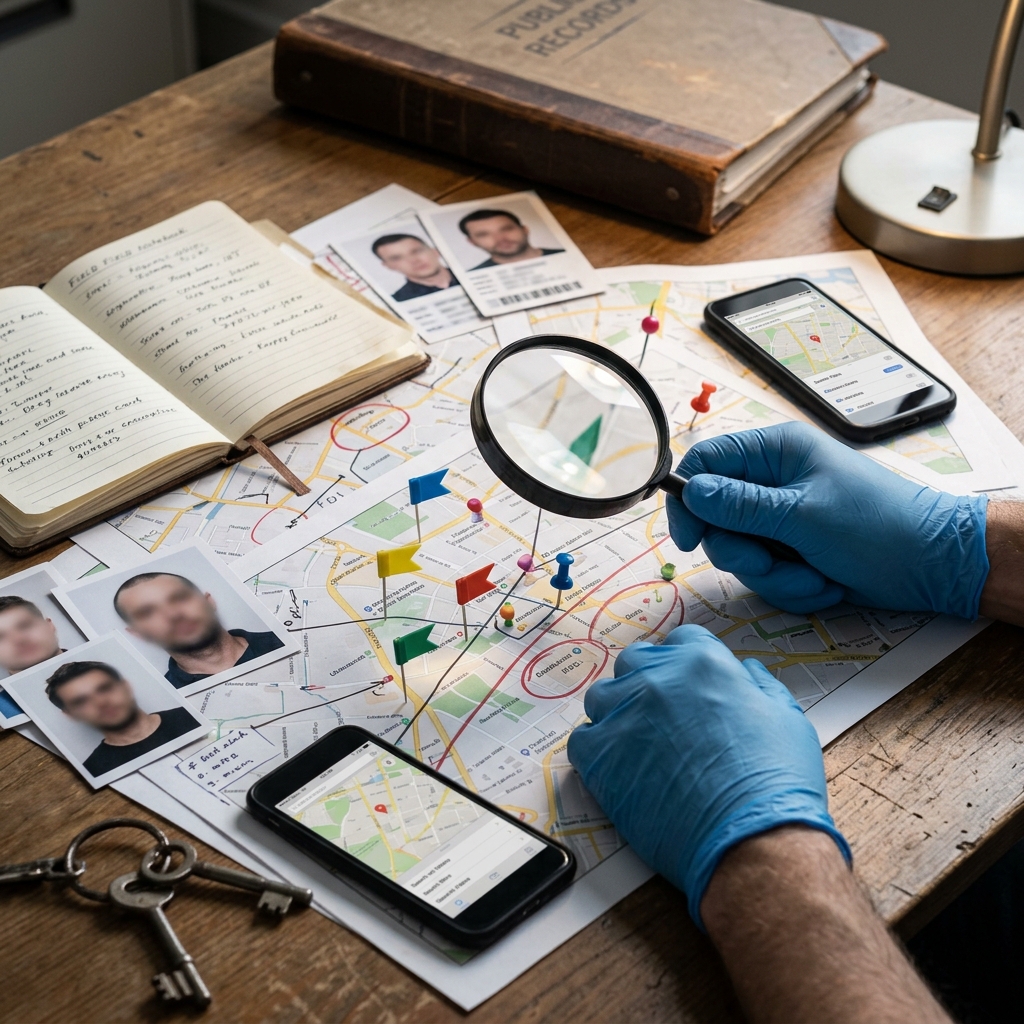
When you need reliable information about a federal inmate, a prison facility, or a listed sex offender, the safest starting point is an official government search tool. These public resources are designed to help people confirm custody status, locate a facility, or search registry information without relying on unverified websites or outdated databases.
This guide explains how those official search systems work, what information they usually provide, and how to narrow a search when you only know a name, a location, or an identification number. It also outlines the limits of these databases so you can interpret results correctly and avoid common mistakes.
What These Search Tools Are Designed to Do
Official inmate and offender databases serve two main purposes: they help the public locate incarcerated people, and they provide access to sex offender registry information maintained by government agencies. The federal resource page from the Department of Justice directs users to tools for finding federal prison facilities, federal inmates, and sex offenders across all 50 states, the District of Columbia, U.S. territories, and Indian Country.
These tools are meant to make public information easier to access, but they do not replace direct contact with a correctional agency when a record is missing, unclear, or recently changed. In practice, search results often depend on the spelling of a name, the exact identification number used by the agency, and whether the person is under active supervision, in custody, or already released.
Ways to Search for a Federal Prisoner
If the person you are looking for is in federal custody, the Bureau of Prisons provides two main search paths: a facility locator and an inmate locator. The facility locator helps users identify prisons by name, state, region, security level, or facility type, while the inmate locator searches a federal database of people incarcerated from 1982 to the present.
These tools are useful for different questions. If you already know the inmate’s name, the inmate locator is usually the fastest option. If you only know the general area or want to confirm where a prison is located, the facility map and facility search can help you identify the correct institution before looking for a specific person.
Information You May Need Before Searching
- The person’s full legal name
- An inmate register number or other agency identification number
- The state or region where the person may be held
- A rough idea of the person’s age or custody timeline
Using more precise information usually produces better results. In many state systems, searching with both first and last name is recommended when possible, and an identification number can reduce the chance of matching the wrong person.[10]
How to Read Facility Search Results
Facility locators are designed to answer practical questions about where a prison is located and what kind of institution it is. The federal facility search can filter by security level, type, region, and state, which helps users distinguish between minimum-security camps, medium-security institutions, and higher-security facilities.
Maps of federal facilities can also be useful when you know the general region but not the exact prison name. A map view is especially helpful for families, attorneys, and advocates who need to understand travel distance or determine which federal institution is closest to a court, airport, or home community.
What the Federal Inmate Locator Typically Shows
The federal inmate locator covers people incarcerated in the federal system from 1982 onward. Search results may show whether a person is in custody, the location of confinement, and other identifying details associated with the record, depending on what the database returns.
Because custody situations can change, the presence of a result does not always mean the person is still in the same facility when you revisit the search later. Transfers, releases, and updates to the record can all affect what appears in the system.
Common Reasons a Search May Not Work
- The name was entered with a spelling error
- The person is in a state or local jail instead of federal custody
- The person was released before the database was updated
- The person entered custody before the database’s coverage period
- The search needs an identification number rather than a name
If a person cannot be found in one database, the next step is often to check the relevant state correctional agency or contact the facility directly. Several state systems also note that recently sentenced individuals may take time to appear in the locator, which means a short delay after sentencing does not necessarily mean the record is missing.
Searching for Sex Offender Registry Information
The Department of Justice also points users to the Dru Sjodin National Sex Offender Public Website, which allows a single national search by name and also supports geographic searches for offenders living in a selected area. This makes it possible to search beyond one state and compare records across jurisdictions without checking every registry separately.
Registry searches are different from inmate searches. A person may appear in a registry because of a qualifying conviction and post-release reporting requirements, even if they are not currently in prison. In other words, the registry is about offender notification and location reporting, not custody status alone.
How Geographic Searches Help
- They show offenders listed in a chosen area
- They can help identify nearby public safety information
- They are useful when a name is incomplete or uncertain
Geographic searches are especially useful when users want to understand local registry information rather than one specific person. They can be helpful for households, schools, landlords, and community groups that need to review public records for a neighborhood or ZIP code.
Why State Databases Matter Too
Not every incarcerated person is in federal custody. Many people are held in state prisons, county jails, or under probation or parole supervision, so state correctional databases are often the right place to begin. Several official state locators support searches by name, offender number, or both, and some include custody status, facility location, and release information.[10]
State resources may also include offenders who are currently imprisoned and those who remain under supervision after release. This is important because an inmate locator and a supervision locator do not always show the same population.
| Search Type | Best For | Typical Result |
|---|---|---|
| Federal inmate search | People in federal custody | Custody location and identifying record data |
| Facility locator | Finding prison names and locations | Institution type, region, and security level |
| State offender locator | People in state prison or supervision systems | Status, facility, or release-related details |
| Sex offender registry | Public registry searches by person or area | Registry listing and geographic information |
Tips for Getting More Accurate Results
A careful search is usually more effective than a quick one. Start with the most exact information you have, then broaden the search only if needed. If the system offers filters such as name, state, birth date range, or offender number, use them to reduce false matches.[10]
- Try both full name and partial name searches
- Use an ID number when one is available
- Check whether the system covers custody, release supervision, or both
- Look for updated information if the person was recently sentenced or transferred
- Confirm details with the agency if the result seems incomplete
Search systems are only as strong as the records behind them. A missing result can mean the person is not in that database, but it can also mean the record is in transit, updated slowly, or maintained by a different agency.
Understanding Limits and Privacy Boundaries
Public inmate and registry tools provide important transparency, but they are not complete personal histories. They are built for public information access, not for private investigative use. As a result, they may not show every detail a family member, attorney, or victim advocate wants to know.
Some systems also note that users should verify information through the relevant correctional authority if accuracy matters for legal, safety, or official purposes. That caution is especially important when records are used in time-sensitive situations such as travel planning, court appearances, or release notifications.
When to Contact an Agency Directly
Direct contact becomes necessary when the search returns no match, when multiple people share the same name, or when you need confirmation beyond what the public database provides. Facilities and correctional agencies may be able to explain whether a person has been transferred, placed under supervision, or entered into the system under another identifier.
In practice, the most useful search strategy is to begin with the official locator, then follow up with the agency that maintains the record if anything remains unclear. This approach reduces guesswork and improves the chance of finding the right record the first time.
Frequently Asked Questions
Can I search for a federal inmate by name? Yes. The federal inmate locator is searchable and covers people incarcerated from 1982 to the present.
Can I look up a prison by security level? Yes. The federal facility locator includes filters such as security level, region, state, and facility type.
Can I search for sex offenders nationwide? Yes. The national public website lets users search by name and also by geographic area across states and other U.S. jurisdictions.
Why might a state inmate not appear right away? Some state systems note that newly sentenced individuals may take several business days to appear in the locator.
What if the result looks wrong? If information appears inconsistent, the relevant correctional agency should be contacted to verify the record.
References
- Locate a Prison, Inmate, or Sex Offender — U.S. Department of Justice. 2026-07-10. https://www.justice.gov/action-center/locate-prison-inmate-or-sex-offender
- Prisoner Locator Tools from State Agency Databases: Home — Government Documents Round Table, library guide. 2026-07-10. https://godort.libguides.com/prisonerdbs
- Public Viewer Search Criteria — Minnesota Department of Corrections. 2026-07-10. https://coms.doc.state.mn.us/publicviewer/
- Indiana Incarcerated Database Search — Indiana Department of Correction. 2026-07-10. https://offenderlocator.idoc.in.gov/
- Offender Search — Ohio Department of Rehabilitation and Correction. 2026-07-10. https://appgateway.drc.ohio.gov/OffenderSearch
- Offender Locator — South Dakota Department of Corrections. 2026-07-10. https://www.doc.sd.gov/adult-corrections/offender-locator
- Find an Offender — Georgia Department of Corrections. 2026-07-10. https://services.gdc.ga.gov/GDC/OffenderQuery/jsp/OffQryForm.jsp
Similar Articles








Read full bio of Sneha Tete




