
Housing Access is America’s Modern Civil Rights Crisis
Why affordable housing remains the frontline for racial and social equity.
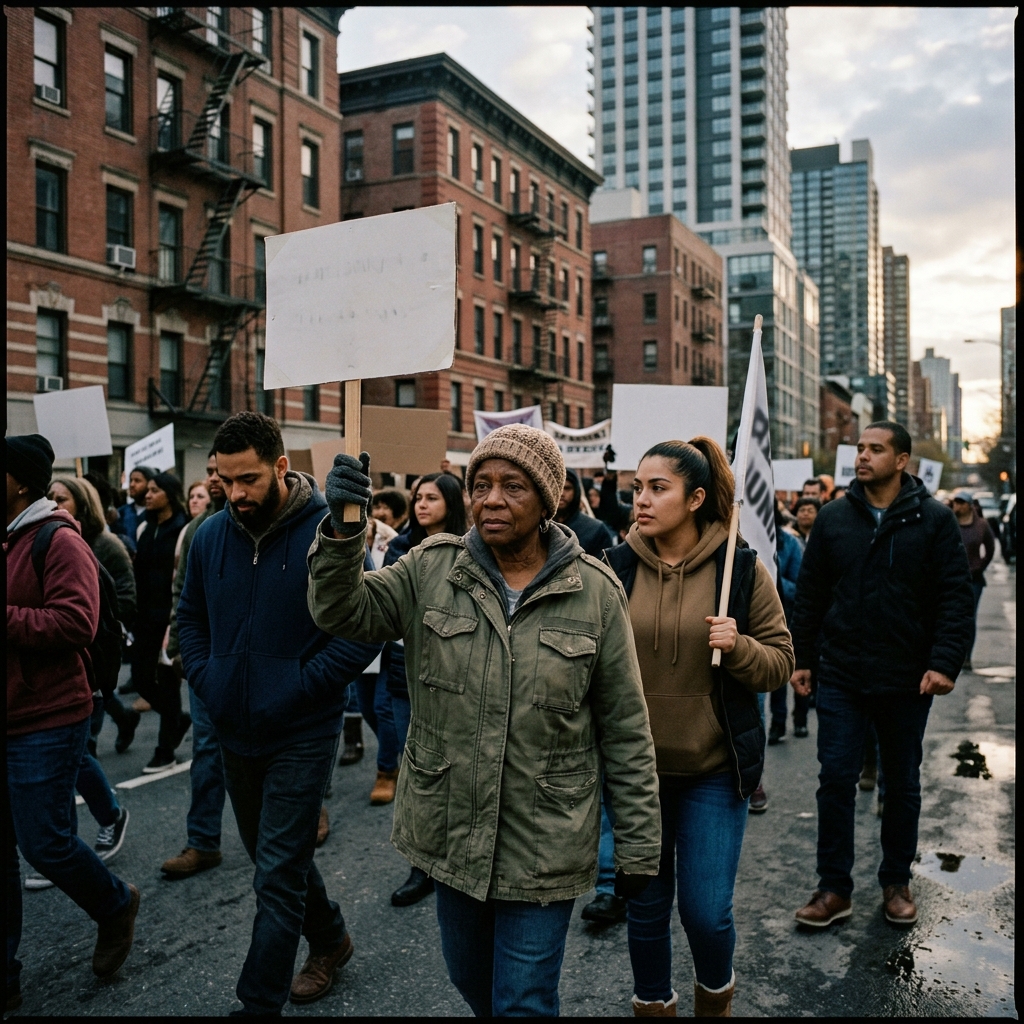
A home is far more than a physical structure comprising walls and a roof; it is the fundamental bedrock of human dignity, economic stability, and physical well-being. Yet, in the United States today, access to safe, affordable, and stable housing has increasingly become a luxury rather than an intrinsic human right. As housing costs skyrocket and wages stagnate across the nation, the struggle to maintain a roof over one’s head has morphed from a purely economic debate into a profound civil rights emergency. The burden of this ongoing housing insecurity is not distributed equally. Instead, it falls disproportionately on the shoulders of marginalized communities, effectively perpetuating historical cycles of inequality, segregation, and economic disenfranchisement. To fully understand why housing access serves as the defining civil rights issue of our modern era, society must critically examine the architectural foundation of systemic exclusion, the modern mechanisms that sustain this divide, and the urgent legal battles currently being waged to dismantle it. A secure home is the starting point for every other opportunity in life.
The Historical Foundation: Redlining and the Engineered Wealth Gap
The severe housing disparities witnessed in modern metropolitan areas are not accidental, nor are they simply the natural byproduct of a competitive free market. They are the direct, lingering result of decades of deliberate, racially discriminatory public policies and private financial practices. Chief among these was the government-sponsored practice of redlining, an initiative that gained prominence in the 1930s. The Home Owners’ Loan Corporation (HOLC) created residential security maps that meticulously color-coded neighborhoods based on their perceived financial investment risk. Neighborhoods with predominantly Black, immigrant, or low-income residents were outlined in red and arbitrarily deemed “hazardous” . This explicit, state-sanctioned spatial discrimination choked off essential capital, effectively preventing residents of these areas from securing government-backed mortgages.
While the passage of the Fair Housing Act of 1968 legally abolished such overt discriminatory practices, the economic and structural scars of redlining remain deeply embedded in the American landscape. Because homeownership has historically functioned as the primary engine of wealth accumulation for the vast majority of American families, the systematic denial of mortgages to families of color created a profound, multi-generational racial wealth gap . Today, the stark difference in homeownership rates between white Americans and Black Americans remains staggeringly wide. Furthermore, properties in historically redlined neighborhoods continue to suffer from chronic infrastructural disinvestment, lower appraisal values, and limited community resources. This deeply rooted historical disenfranchisement dictates that marginalized groups are far more likely to be renters rather than homeowners, leaving them acutely vulnerable to the extreme volatility of the modern rental market and the ever-present threat of sudden displacement.
The Eviction Epidemic: A Crisis with a Disproportionate Toll
For millions of Americans who rely entirely on the private rental market, housing insecurity is an omnipresent threat that frequently culminates in the devastating trauma of an eviction. Eviction is often misunderstood by the broader public as merely a consequence of poverty—a final, inevitable step for those who simply cannot manage their household finances. In reality, eviction acts as a root cause of poverty. It is a profoundly destabilizing force that triggers a catastrophic cascade of detrimental outcomes, including immediate job loss, severe psychological distress, the disruption of children’s educational progress, and long-term homelessness.
The current eviction epidemic is characterized by severe and undeniable demographic disparities. Exhaustive research indicates that the threat of losing one’s home is inextricably linked to race and gender in America. According to comprehensive data compiled by researchers tracking national eviction trends, Black renters face eviction filings at rates that far exceed their actual share of the renting population .
| Demographic Group | Share of Total Renter Population | Share of Total Eviction Filings |
|---|---|---|
| Black Renters | Approximately 20% | Approximately 33% |
| White Renters | Approximately 51% | Approximately 42% |
This systemic crisis falls heaviest on Black and Latina women, who are disproportionately threatened with eviction compared to both white renters and their male counterparts . These stark statistical realities reveal a broken system where marginalized women, who are often serving as the primary or sole caregivers for their children, are systematically pushed to the extreme margins of society. The mere presence of children in a household has been statistically shown to increase the risk of an eviction filing, compounding the immense difficulty of finding stable housing for vulnerable families . When an eviction record is permanently attached to a tenant’s name, it functions as a modern-day scarlet letter. It virtually guarantees that future landlords will reject their rental applications, forcing these families into substandard housing in under-resourced neighborhoods and perpetuating a cycle of poverty.
The Commodification of Shelter: Corporate Landlords and Squeezed Markets
As if the historical disadvantages of redlining and the persistent, daily threat of eviction were not enough, the modern housing landscape has been further complicated by the aggressive financialization and commodification of shelter. In the years following the 2008 global financial crisis, a troubling new dynamic emerged in the American housing market: the mass, coordinated acquisition of single-family homes by large institutional investors, hedge funds, and private equity firms . Capitalizing on the sheer volume of distressed, foreclosed properties available at the time, these well-capitalized corporate entities purchased homes in bulk, permanently converting them from owner-occupied properties into permanent, profit-generating rental units.
While institutional investors own a relatively small overall percentage of the total national housing stock, their aggressive purchasing impact is heavily concentrated in specific regional metropolitan areas and specific, high-growth zip codes . These targeted areas are often the very neighborhoods that historically offered relatively affordable entry points for first-time, middle-class homebuyers. The consequences of this corporate consolidation manifest in several alarming ways:
- Restricted Housing Supply: By utilizing all-cash offers and leveraging massive capital advantages, corporate entities easily outbid individual families attempting to purchase a home, trapping potential buyers in the rental market.
- Aggressive Rent Increases: Corporate landlords frequently utilize algorithmic rent-setting software designed to aggressively maximize profit margins, regularly pushing rents far beyond the pace of local wage growth.
- Higher Eviction Rates: Studies have repeatedly shown that corporate landlords exhibit a significantly higher propensity to file for eviction over minor delays in rent payments compared to traditional, local “mom-and-pop” landlords.
This financialization artificially restricts the supply of homes, driving up regional prices and actively exacerbating the racial wealth gap by denying families the opportunity to build equity.
Leveling the Playing Field: The Push for Tenant Right to Counsel
In the face of these immense systemic pressures, a critical new battlefront for civil rights has emerged within the procedural confines of the nation’s housing courts. The American legal system guarantees the fundamental right to legal representation in criminal proceedings, ensuring that defendants facing jail time are not forced to navigate the labyrinthine complexities of the law alone. However, no such constitutional guarantee currently exists for civil matters, including high-stakes eviction cases. Consequently, a massive, structural power imbalance dictates the outcomes in housing court every single day.
National statistics paint a grim and unequal picture of this judicial imbalance: an estimated 80 to 90 percent of property landlords enter housing court with experienced legal representation, while approximately 96 percent of tenants face the judge entirely unrepresented . This staggering disparity virtually ensures that landlords will prevail by default, often resulting in swift judgments against vulnerable tenants who may not fully understand their legal rights, the complex court procedures, or the potential affirmative defenses available to them .
To rectify this egregious procedural imbalance, a growing, nationwide coalition of legal advocates, social workers, and progressive policymakers have championed “Right to Counsel” (RTC) legislation. These transformative initiatives aim to guarantee free, high-quality legal representation for low-income tenants facing eviction. In jurisdictions that have successfully implemented RTC programs, the data shows a dramatic and immediate reduction in default judgments and overall eviction displacement rates . When tenants have a lawyer by their side, they are far more likely to remain in their homes, secure vital additional time to safely relocate, or successfully negotiate financial settlements that avoid the devastating inclusion of an eviction on their public record.
Charting a Path Forward: Reimagining Housing Policy
Addressing the contemporary housing crisis requires a multi-faceted, aggressive policy approach that acknowledges the deep-rooted structural inequalities of the past while simultaneously tackling the predatory market practices of the present. Providing guaranteed legal representation in eviction proceedings is a vital, necessary defensive measure, but achieving true housing equity demands far more proactive systemic reform from our legislative bodies.
Local and federal policymakers must prioritize the rapid expansion of the affordable housing supply. This cannot be achieved merely by incentivizing private, for-profit developers; it requires exploring robust public and social housing models that intentionally insulate shelter from pure market speculation and greed. Furthermore, exclusionary zoning laws—which have historically been weaponized by wealthy municipalities to keep low-income families and people of color out of high-opportunity neighborhoods—must be comprehensively dismantled.
Additionally, stronger, enforceable tenant protections are absolutely necessary to curb the worst excesses of the modern corporate rental market. Measures such as “just cause” eviction standards, stringent rent stabilization policies, and transparency regulations on corporate landlords can help rebalance the scales between property owners and vulnerable renters. Framing housing as a civil rights issue demands that we view shelter not as a financial commodity, but as essential public infrastructure vital for human survival.
Frequently Asked Questions (FAQ)
What is historical redlining and how does it affect us today?
Redlining was a discriminatory, government-backed financial practice beginning in the 1930s that systematically denied mortgages and essential financial services to residents of predominantly minority neighborhoods. These marginalized neighborhoods were literally marked with red lines on maps to indicate high investment risk. Today, the devastating legacy of redlining persists in the form of a massive racial wealth gap, as families of color were deliberately denied the primary means of building generational wealth through homeownership.
How does the modern eviction crisis intersect with systemic racism?
The eviction crisis disproportionately and aggressively impacts communities of color. Exhaustive statistical analyses demonstrate that Black renters, and specifically Black women, are subjected to formal eviction filings at significantly higher rates than white renters, even when controlling for baseline income levels. This relentless cycle of displacement reinforces historic geographic segregation and acts as a major, ongoing barrier to both economic mobility and overall health equity.
What does “Right to Counsel” mean in the context of housing courts?
“Right to Counsel” refers to modern legislative initiatives that legally guarantee free legal representation to low-income tenants who are facing eviction proceedings in civil court. Because the vast majority of landlords retain lawyers and the vast majority of tenants do not, Right to Counsel programs aim to level the legal playing field, resulting in significantly lower rates of unjust displacement.
How do large institutional investors impact the local housing market?
Large institutional investors and private equity firms have increasingly purchased single-family homes in bulk, particularly since the 2008 financial crisis. By aggressively buying up entry-level homes and converting them into permanent rental properties, these corporate entities restrict the available housing supply for first-time buyers, artificially drive up home prices, and often implement aggressive rent increases.
References
- Who is Evicted in America — Eviction Lab. 2023-10-03. https://evictionlab.org/who-is-evicted-in-america/
- Implications of Housing Conditions for Racial Wealth and Health Disparities — Urban Institute. 2023. https://www.urban.org/research/publication/implications-housing-conditions-racial-wealth-and-health-disparities
- Rental Housing: Information on Institutional Investment in Single-Family Homes — U.S. Government Accountability Office (GAO). 2024-05-22. https://www.gao.gov/products/gao-24-106459
- A Descriptive Analysis of Tenant Right to Counsel Law and Praxis 2017–2024 — PubMed Central (PMC). 2024. https://www.ncbi.nlm.nih.gov/pmc/articles/PMC11364583/
Similar Articles








Read full bio of Sneha Tete




