
Halloween Liability Tips for Property Owners
Practical legal and safety strategies to help property owners enjoy Halloween while reducing risks, preventing injuries, and avoiding costly liability claims.
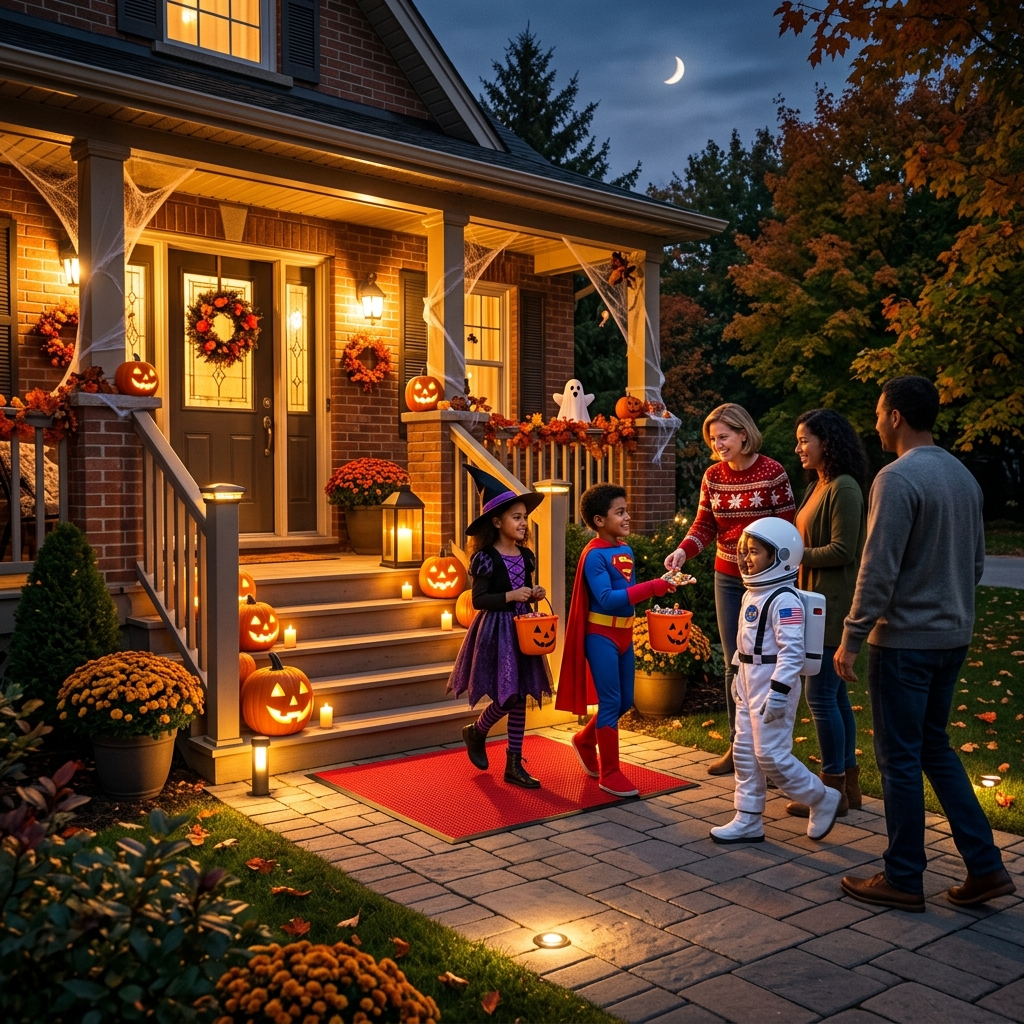
Halloween can be a highlight of the year for many communities, but for property owners it also brings unique legal and safety risks. Crowds of visitors, dark walkways, themed parties, and elaborate decorations can all increase the chance of injuries and property damage. Understanding how liability works and taking reasonable preventive steps can help you enjoy the holiday while reducing the risk of expensive claims and disputes.
Understanding Premises Liability on Halloween
In most places, property owners have a legal duty to keep their property reasonably safe for people they invite or allow onto the premises. This duty applies whether you own a single-family home, a rental property, or a larger multi-unit building.
Two core ideas generally shape Halloween liability for property owners:
- You invite or allow guests, such as party attendees or trick-or-treaters, on your property.
- You may be responsible if you fail to address hazards or warn about non-obvious dangers that cause injuries.
While the specifics depend on local law and facts, courts often look at whether the owner acted as a reasonably careful person would under similar circumstances. That means Halloween decorations, parties, and events should be planned with safety in mind.
Who Is on Your Property? Invitees, Licensees, and Trespassers
Liability often depends on the legal status of the person injured. Common categories include:
- Invitees: People you expressly or implicitly invite, such as party guests or expected trick-or-treaters. You generally owe them the highest duty of care.
- Licensees: Social visitors you allow on the property but do not explicitly invite for business purposes.
- Trespassers: People who enter without permission. Duties to them are typically more limited, though you still may not intentionally create hazards.
Halloween often turns neighbors and children into invitees or licensees, especially when you leave lights on, decorate for the holiday, or otherwise signal that visitors are welcome.
| Visitor Type | Typical Halloween Example | General Duty of Care |
|---|---|---|
| Invitee | Trick-or-treaters approaching a lit, decorated front door | Maintain reasonably safe conditions and warn of non-obvious hazards. |
| Licensee | Friends attending a casual gathering | Warn of known dangers not readily apparent; avoid careless behavior. |
| Trespasser | Person cutting through yard after hours without permission | Generally limited duty; do not intentionally create traps or hazards. |
Common Halloween Hazards on Residential Property
Halloween injuries often arise from predictable hazards that property owners can address with planning and maintenance. Several recurring risks include:
Trip and Fall Dangers
Dark walkways, uneven surfaces, cords for decorations, and cluttered porches are major contributors to Halloween injuries. Children in costumes may have limited visibility or movement, increasing the chance of falls.
- Loose cords or extension cables across sidewalks
- Pumpkins, props, or decorations placed where visitors walk
- Broken steps, loose railings, or uneven pavement
- Leaves, water, or ice creating slippery surfaces
Fire and Electrical Risks
Decorations that use candles, space heaters, or overloaded outlets can dramatically raise the risk of fires. The National Fire Protection Association (NFPA) reports that candles are a leading cause of decoration-related home fires, and many fires start because items are too close to heat sources.
- Open-flame candles inside or near combustible decorations
- Improper use of extension cords or non-weatherproof outdoor wiring
- Overloaded circuits for lights and inflatables
- Flammable costumes or props near heaters or fireplaces
Alcohol, Parties, and Crowd Control
Halloween parties can create issues ranging from noise complaints to serious injuries. Property owners may face claims if hazards at the event contribute to harm.
- Overcrowded spaces with blocked exits
- Intoxicated guests falling on stairs or outside walkways
- Unsupervised minors consuming alcohol
- Fights or altercations in common areas
Animals and Attractions
Pets, haunted-house features, and interactive decorations can also raise liability concerns.
- Dogs startled by costumes, potentially biting visitors
- Fog machines, strobe lights, or loud noises that cause panic or falls
- Homemade haunted-house elements with sharp edges or unstable structures
Safety Planning for Single-Family Homeowners
Individual homeowners can significantly reduce Halloween risks by planning ahead. Many of these steps are simple, inexpensive, and helpful in demonstrating that you took reasonable care.
Preparing Walkways and Entrances
- Inspect paths and steps for cracks, holes, loose boards, or unstable railings. Repair or cordon off areas that present a clear risk.
- Improve lighting by using porch lights, pathway lights, or motion-activated fixtures so visitors can see where they are walking.
- Remove clutter such as garden tools, hoses, and loose decorations from routes guests are likely to take.
- Mark hazards you cannot immediately fix with reflective tape, signs, or temporary barriers.
Choosing Safer Decorations
- Use battery-powered or LED candles inside pumpkins and lanterns instead of open flames.
- Keep decorations away from heaters, fireplaces, and other heat sources to reduce fire risks.
- Secure outdoor items so they do not blow or fall onto walkways, vehicles, or neighboring property.
- Place cords and cables along walls or above head height, not across paths.
Managing Trick-or-Treat Traffic
- Use a clear signal such as a lit porch light or visible decorations to indicate you are participating, and turn lights off once you stop.
- Consider sitting outside to hand out candy, which may reduce crowding and keep visitors away from interior hazards.
- Restrict access to areas that are not safe or intended for guests, such as backyards with pools or construction zones.
Special Considerations for Landlords and Property Managers
Owners and managers of rental properties face additional challenges because tenants control day-to-day use of the premises. Clear policies and communication can help align safety goals with tenant celebrations.
Clarifying Responsibilities in Leases and Policies
Review existing leases and house rules to see how they address decorations, noise, guests, and damage. Many landlords choose to issue short seasonal notices reminding tenants of expectations for Halloween.
- Outline decoration rules, such as where items can be placed, limits on noise-producing displays, and restrictions on open flames.
- Explain guest limits and quiet hours, especially in multi-unit buildings with shared walls and common areas.
- Clarify who is responsible for damages or cleaning related to events or decorations, consistent with local law and lease terms.
Managing Common Areas
Shared spaces like hallways, lobbies, parking lots, and outdoor walkways require special attention because they often fall under the landlord’s control.
- Keep common areas well-lit and clutter-free to reduce trip and fall risks during increased foot traffic.
- Avoid decorations that obstruct exits, emergency equipment, or access to mailboxes and utility meters.
- Ensure smoke alarms and other safety devices in common areas are tested and functional.
Tenant Events and Community Activities
Many property managers host Halloween events to build community, such as costume contests or trick-or-treat hours within a building. When organizing such activities, safety and compliance should be central.
- Plan events that do not encourage risky behavior, such as unsupervised haunted-house mazes with poor lighting and unstable props.
- Set clear start and end times for events to manage noise and crowd size.
- Check that planned activities align with building insurance requirements and local safety codes.
Alcohol, Parties, and Social Host Liability
Halloween parties can lead to injuries or property damage, particularly where alcohol is involved. In some jurisdictions, hosts may face liability for foreseeable harms resulting from unsafe conditions or severe intoxication, especially involving minors.
Risk-Reduction Strategies for Hosts
- Limit the number of guests to a level appropriate for the space, keeping exits clear and manageable.
- Arrange transportation options or encourage ride-share use for guests who consume alcohol.
- Avoid providing alcohol to minors and watch for signs of extreme intoxication.
- Monitor high-risk areas such as stairs, balconies, and outdoor steps during the event.
Insurance and Documentation
Even with strong safety practices, accidents may still happen. Insurance and documentation provide important backup protection for property owners.
Reviewing Homeowners and Landlord Policies
- Confirm that your liability coverage under homeowners or landlord insurance is current and adequate for typical risks.
- Check for any exclusions related to parties, events, or commercial use of the property.
- Ask your insurer whether hosting Halloween activities affects coverage, especially for large gatherings.
Documenting Conditions and Incidents
- Before events, consider noting or photographing the condition of key areas such as entrances, steps, and common spaces.
- If an incident occurs, record what happened, who was involved, and any immediate steps taken, and consider notifying your insurer promptly.
- Keep copies of any written policies or notices provided to tenants or guests regarding Halloween activities.
Practical Halloween Safety Checklist for Property Owners
The following checklist summarizes key actions to reduce Halloween-related risks.
- Inspect walkways, stairs, and railings; repair or mark hazards.
- Improve outdoor lighting and test bulbs before the holiday.
- Remove clutter and decorations from paths used by visitors.
- Use flameless candles and keep decorations away from heat sources.
- Secure cords and outdoor items; avoid blocking exits or emergency equipment.
- Review lease terms and send tenants clear guidance if you own rentals.
- Manage party size, alcohol service, and crowd flow if hosting events.
- Confirm liability insurance coverage and understand any limitations.
Frequently Asked Questions (FAQ)
Am I automatically liable if a trick-or-treater is injured on my property?
No. Liability typically depends on whether you failed to take reasonable care to keep the property safe or warn about non-obvious hazards. If you maintain safe walkways, provide lighting, and avoid obvious dangers, that can reduce the likelihood of being found legally responsible.
Do I have to participate in trick-or-treating to be liable?
Not necessarily. Even if you do not hand out candy, you may still owe a basic duty of care to people who lawfully come onto your property, such as invited guests or delivery drivers. However, signaling participation (such as turning on lights and decorating) can increase expected visitor traffic and related responsibilities.
Can landlords prohibit certain Halloween decorations?
In many cases, landlords can set reasonable rules in leases or property policies that limit decorations likely to cause damage or safety hazards, such as open flames, obstructed hallways, or drilling into exterior walls. Any rules should be consistent with local law, fair housing requirements, and existing contractual obligations.
Are landlords responsible for injuries inside a tenant’s unit?
Responsibility often depends on who controls the area and what caused the injury. Landlords are more likely to be responsible for hazards in common areas they manage, while tenants may bear responsibility for conditions inside their units. However, specifics depend on local law, lease language, and facts.
Should I contact my insurer before hosting a Halloween party?
It is often wise to review your policy and, if necessary, speak with your insurer about coverage limits and any restrictions related to events. Understanding your coverage can help you make informed decisions about the size and nature of gatherings.
References
- Legal Guide to Halloween for Property Owners — Rocket Lawyer. 2021-10-15. https://www.rocketlawyer.com/real-estate/landlords/property-management/legal-guide/legal-guide-to-halloween-for-property-owners
- Halloween Safety Tips for Landlords — Apartments.com Rental Manager. 2023-09-20. https://www.apartments.com/rental-manager/resources/property-management/halloween-safety-tips-landlords
- Home Fires Involving Holiday Decorations — National Fire Protection Association (NFPA). 2020-11-01. https://www.nfpa.org/News-and-Research/Data-research-and-tools/US-Fire-Problem/Holiday-decorations
- Trick-or-Treat Liability: Homeowner Responsibilities and Risks — Pioletti Pioletti & Nichols. 2022-10-10. https://www.pjlesq.com/post/trick-or-treat-liability-homeowner-responsibilities-and-risks
- Halloween Community Guide for Property Management Companies — Market Apartments. 2021-09-30. https://www.marketapts.com/blog/halloween-community-guide/
Similar Articles








Read full bio of medha deb


