
Winter Home Prep: Ready Your House for Cold Weather
Protect your home, budget, and safety with a practical winter readiness plan.
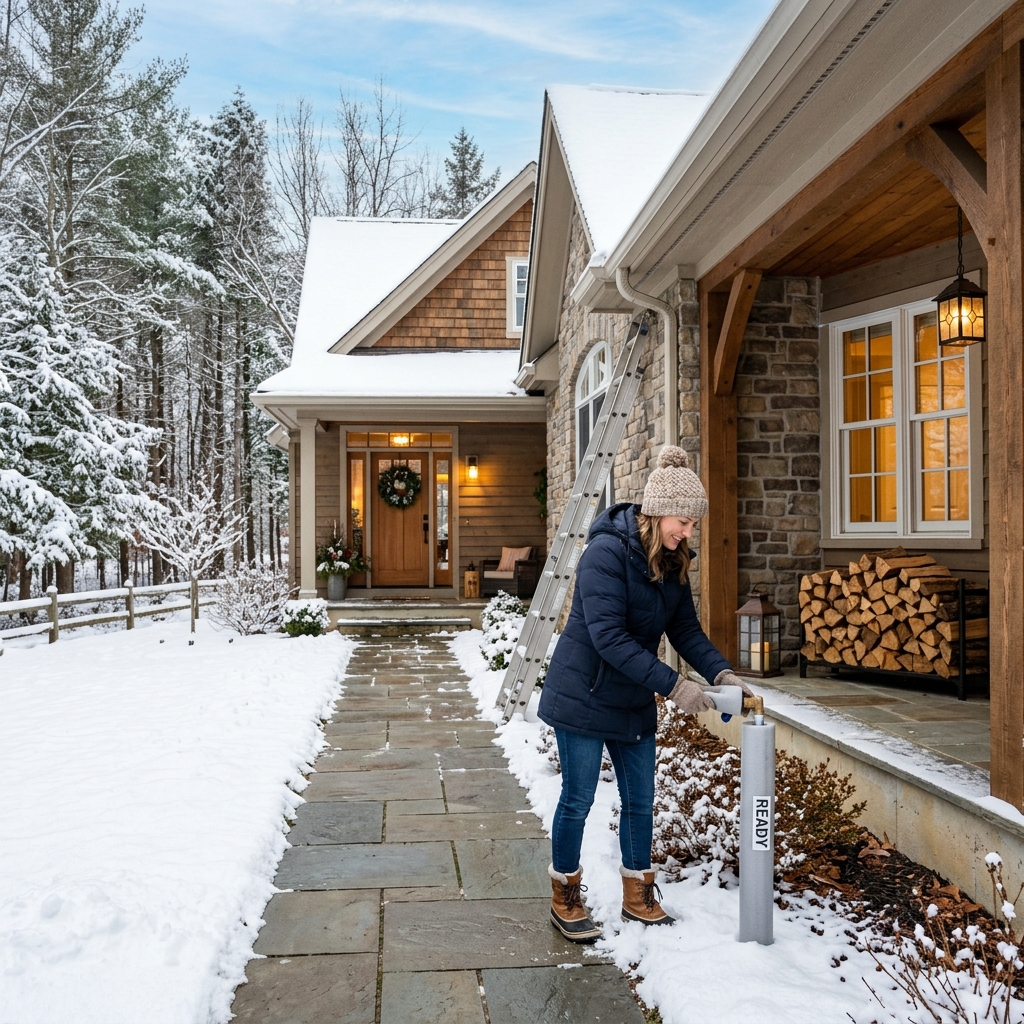
Cold weather can expose weak points in a home quickly, from drafty windows to frozen pipes and overloaded heating systems. A little preparation before the first hard freeze can reduce repair costs, improve comfort, and make your household safer during storms and power outages.
This guide breaks winter readiness into practical steps for the home, the heating system, the yard, and emergency planning. It also includes a simple checklist mindset so you can focus on what matters most before temperatures drop.
Start with the biggest winter risks
The most common cold-weather problems are usually predictable. Heat escapes through leaks and poorly sealed openings, water lines freeze in exposed areas, and snow or ice can create hazards around entrances, roofs, and driveways. Power outages and travel disruptions add another layer of risk, especially when a household is not prepared to stay warm without normal utilities.
When you plan ahead, you are not just protecting the structure of the house. You are also protecting the people inside it, including children, older adults, guests, and pets.
Seal out drafts and conserve heat
Keeping warm air inside is one of the easiest ways to make a home more winter-ready. Focus first on the places where outside air commonly enters: window frames, door edges, attic access points, basement gaps, and utility penetrations.
- Use caulk to close small cracks around windows, trim, and siding.
- Add weather stripping to doors and movable window parts.
- Install or refresh door sweeps where cold air leaks under exterior doors.
- Check attic hatches, crawl space openings, and pipe penetrations for gaps.
- Use insulated curtains or thermal shades to reduce nighttime heat loss.
Simple behavior changes can also help. Close the doors to rooms you are not using, especially in larger homes where heating every space evenly may be unnecessary. During sunny winter days, opening curtains on south-facing windows can capture passive heat; closing them after sunset can help slow heat loss.
Protect pipes before temperatures fall
Frozen pipes can be expensive and disruptive, and the damage often becomes visible only after a thaw causes the pipe to burst. The highest-risk areas are usually exterior walls, unheated basements, garages, crawl spaces, and plumbing near vents or drafty openings.
| Task | Why it matters |
|---|---|
| Insulate exposed pipes | Slows freezing in areas where heat is limited |
| Disconnect outdoor hoses | Prevents water from backing into outdoor spigots |
| Shut off and drain exterior water lines | Reduces the chance of freeze-related damage |
| Know the main water shutoff | Lets you respond quickly if a pipe bursts |
If a cold snap is severe, letting a faucet drip slightly can sometimes reduce pressure in vulnerable lines, but the best protection is insulation and controlling drafts around pipes. If any part of your plumbing is exposed, inspect it before winter rather than reacting after a freeze.
Check the heating system before you need it
Your heating equipment should be serviced before it becomes the only thing standing between your household and freezing temperatures. A neglected furnace, boiler, or chimney can create efficiency problems and safety hazards, including carbon monoxide exposure and fire risk.
- Schedule a professional inspection for the furnace, boiler, or heat pump.
- Replace or clean air filters as needed.
- Make sure vents, radiators, and baseboards are not blocked by furniture or storage.
- Have chimneys and flues cleaned if you use a fireplace or wood stove.
- Test smoke alarms and carbon monoxide alarms throughout the home.
Portable space heaters deserve special caution. Keep anything that can burn at least three feet away, place the heater on a stable surface, and use only models with automatic shutoff features. Never use a kitchen oven or cooktop to heat a home; that practice can create deadly indoor air risks.
Prepare windows, gutters, roof edges, and drainage
Winter weather punishes the parts of a home that manage water and weight. Melted snow can refreeze in gutters, ice can form along roof edges, and clogged drainage systems can send water where it does not belong. Before winter arrives, inspect these areas carefully.
- Clean gutters and downspouts so meltwater can flow away from the house.
- Check for loose shingles, damaged flashing, or visible roof wear.
- Trim branches that could break under snow and strike the roof or power lines.
- Confirm that downspouts direct water away from the foundation.
- Repair cracked window seals or damaged exterior trim.
Good drainage matters in winter because water that freezes near the foundation can contribute to moisture problems later. Roof debris is also worth removing before the first major snow, because a heavy load can stress weak sections and create leaks.
Make the exterior safer for walking and parking
Ice on steps, walkways, and driveways is one of the most common winter safety hazards. The goal is to make high-traffic areas as predictable as possible, especially near front doors, garage entries, and any outdoor stairs.
- Stock salt, sand, or another ice-melting product before storms arrive.
- Keep shovels, brooms, and scrapers accessible near entrances.
- Clear snow early and often so it does not pack down into ice.
- Improve lighting around porches, driveways, and steps.
- Use mats with traction near doors to reduce slipping indoors and out.
Parking areas deserve attention too. If your driveway or street access tends to ice over, think in advance about where you can park more safely and how you will move groceries, children, or medical supplies from the car to the house.
Build a winter emergency supply kit
Winter storms can interrupt power, water, internet service, and travel for hours or even days. A well-stocked emergency kit gives your household more flexibility if roads are unsafe or utility service is delayed.
| Kit item | Purpose |
|---|---|
| Water | Drinking and basic sanitation |
| Nonperishable food | Meals when stores are closed or travel is risky |
| Flashlights and batteries | Safe lighting during outages |
| First-aid supplies | Minor injuries and basic care |
| Portable charger | Keep phones usable for emergency contact |
| Copies of key documents | Useful if you must leave quickly |
Include prescription medications, pet supplies, blankets, warm clothing, and a manual can opener if your food supply depends on canned goods. If your household includes infants, older adults, or anyone with medical needs, tailor the kit to those requirements instead of relying on a one-size-fits-all list.
Plan for power outages and extreme cold
Heating loss during a storm can become dangerous quickly, especially when outdoor temperatures fall below freezing. Your home plan should answer a few basic questions: where will everyone stay warm, how will you charge devices, and what will you do if pipes begin to freeze?
- Identify one or two warm rooms you can use if the rest of the house becomes hard to heat.
- Keep blankets, hats, gloves, and extra socks accessible in one place.
- Charge phones and backup batteries before severe weather arrives.
- Know which neighbors, friends, or relatives could provide backup shelter if needed.
- Set a family communication plan in case power or internet service fails.
If you own a generator, use it only according to the manufacturer’s instructions and never indoors, in garages, or near windows. Carbon monoxide can build up quickly, and symptoms may not be obvious until someone is already seriously affected.
Prepare the vehicle as part of home readiness
Winter preparedness is not limited to the house itself. Your car can become part of your safety plan if you need to leave unexpectedly, commute during bad weather, or wait for help during a breakdown. A small vehicle kit complements your home supplies and reduces avoidable stress.
- Keep an ice scraper, shovel, blanket, jumper cables, and flashlight in the car.
- Store water, snacks, and a phone charger for emergencies.
- Check tire tread, tire pressure, windshield wipers, and fluid levels before the season starts.
- Make sure the gas tank stays at least moderately full during severe cold.
When roads are icy, it is often safer to delay travel than to push through poor conditions. If you must drive, tell someone your route and expected arrival time.
Think about people, pets, and routines
A home is easier to manage in winter when the people who live there know what to do. A simple household plan can assign responsibilities for shoveling, checking supplies, monitoring the weather, and caring for pets. It also helps to think about routines that become harder in cold weather, such as school pickup, trash day, or caring for outdoor animals.
Pets need winter planning too. Make sure water bowls do not freeze, outdoor shelters are dry and protected from wind, and any animals that should not be outside for long periods have a warmer backup plan. If you have plants that are sensitive to frost, move them inside or cover them before a hard freeze.
Use a simple pre-winter checklist
If you prefer a shorter action plan, focus on these essentials before the first major storm:
- Seal drafts around windows and doors.
- Insulate exposed pipes and shut off outdoor water lines.
- Service the heating system and test safety alarms.
- Clean gutters and inspect the roof.
- Stock an emergency kit for the home and car.
- Clear walkways and place ice-melt supplies near entrances.
- Create a communication and backup shelter plan.
That list covers the most common winter failures without demanding a full renovation. Even if you only complete a few items, the difference in comfort and resilience can be substantial.
FAQs
How early should I winterize my home?
It is best to start before freezing weather becomes routine, since repairs and supply shortages are easier to manage when you are not racing a storm. Many homeowners begin in early fall so there is time for inspections, maintenance, and small repairs.
What is the most important winter home task?
There is no single task for every home, but pipe protection, heating-system maintenance, and sealing major drafts usually deliver the most practical benefit. Those three steps can reduce both emergency risk and heating waste.
Can I use candles during a blackout?
Candles add fire risk, especially when people are moving around with blankets, pets, or children. Battery-powered lights and flashlights are a safer choice for most households.
What should I do if I think a pipe has frozen?
Turn the faucet on slightly, keep the area warm if possible, and avoid open flames or high heat directly on the pipe. If you cannot locate the freeze point or if the pipe has already burst, shut off the water supply and call a qualified professional.
Final planning mindset
Good winter preparation is mostly about reducing surprises. When a home is sealed, the plumbing is protected, the heating system is serviced, and the household has a basic emergency plan, cold weather becomes much easier to manage. The work you do before the season starts can prevent the most stressful problems later.
References
- Winter Preparedness — Western Plains Public Health. 2024-01-01. https://www.westernplainsph.org/winter-preparedness
- Winter Storm Preparedness & Blizzard Safety — American Red Cross. 2024-01-01. https://www.redcross.org/get-help/how-to-prepare-for-emergencies/types-of-emergencies/winter-storm.html
- #WinterReady — Ready.gov. 2024-01-01. https://www.ready.gov/winter-ready
- FEMA #WinterReady Toolkit — Federal Emergency Management Agency. 2024-01-01. https://www.fema.gov/sites/default/files/documents/fema_r5_winter-ready-toolkit_2024.pdf
- 11 Tips For Preparing Your Home For Winter — Constellation. 2024-01-01. https://www.constellation.com/guides/winter-storm-preparedness/how-to-prepare-your-home-for-winter.html
- Winter Weather Preparedness Guide — Emergency management public guidance. 2022-01-01. https://www.saoemprepare.com/Portals/16/Files/Reference/guideWinterWeatherPreparedness.pdf
Similar Articles








Read full bio of medha deb


