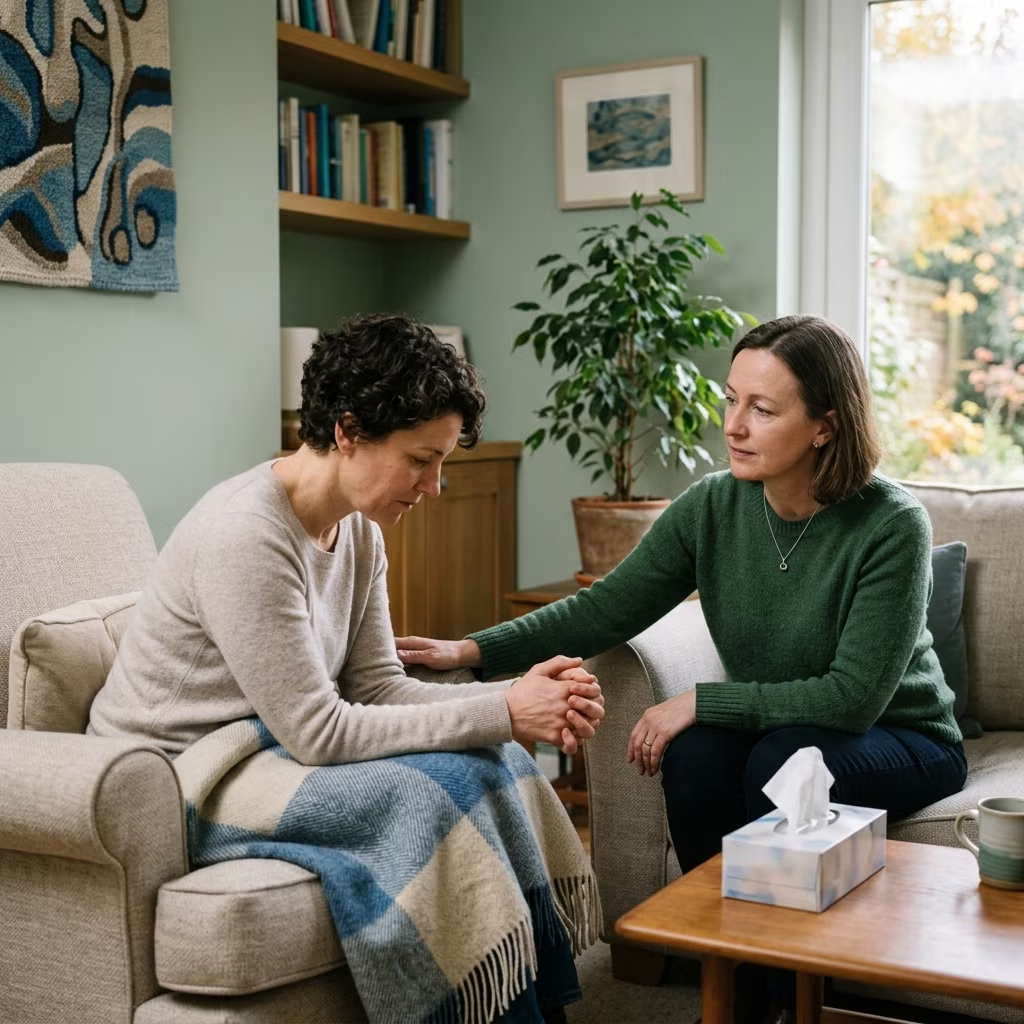
Experiencing sexual assault is a traumatic and deeply personal event. No one deserves this harm, and what happened is not your fault. In the days and weeks afterward, it is common to feel confused, overwhelmed, angry, numb, or unsure of what to do next. This guide offers clear, practical information to help you understand your options, protect your safety, access medical care, decide whether to report, and connect with emotional and legal support. You can use this information at your own pace and choose only the steps that feel right for you.
Immediate Safety and First Steps
Your safety is the first priority. Whether the assault happened minutes, hours, or days ago, you deserve to be safe from further harm and to receive support.
Ensuring Physical Safety
If you are in immediate danger, prioritize getting to a secure place and contacting emergency services.
- Go to a location where you feel safe, such as a trusted friend or family member’s home, a public place, or a crisis center.
- If you can, avoid being alone with the person who harmed you, and consider limiting contact with them (in person, online, or by phone).
- In an emergency, call 911 or your local emergency number so law enforcement or emergency medical services can respond.
Preserving Evidence (If You Might Want to Report)
Evidence can be important if you choose to report the assault now or later. Even if you are unsure, taking steps to preserve evidence keeps options open.
- Try not to shower, bathe, douche, brush your teeth, or change clothes before a medical forensic exam, if possible.
- If you already changed clothes, put the items you wore during the assault in a clean paper bag (not plastic) and keep them in a safe place.
- Avoid cleaning the area where the assault occurred until you have decided whether you want law enforcement to collect evidence.
You can still seek medical care even if you have already washed, changed clothes, or cleaned. These steps simply maximize available evidence, but do not determine whether you can get help.
Medical Care and Forensic Exams
After a sexual assault, medical care serves two important purposes: treating injuries and health concerns, and collecting forensic evidence that may support a criminal investigation.
Understanding the Sexual Assault Medical Forensic Exam
A sexual assault medical forensic exam (sometimes called a “rape kit” or “forensic exam”) is a specialized examination conducted by trained medical professionals to address your health needs and document possible evidence of the assault.
- Health assessment: The provider will check for physical injuries, discuss your symptoms, and address urgent medical needs.
- Evidence collection: This may include photographs of injuries, swabs, and collection of clothing or other items that may contain DNA or trace evidence.
- Testing and medications: You may be offered testing and preventive medication for sexually transmitted infections (STIs), HIV, and pregnancy.
Many jurisdictions recommend having the exam as soon as possible after the assault, often within a specific timeframe (for example, within about 5 days) to increase the likelihood of finding usable evidence. Check with local providers or hotlines for the exact time limits in your area.
Your Rights During Medical Care
Survivors have important rights during medical and forensic care, though specific laws vary by jurisdiction:
- The right to receive medical treatment regardless of whether you choose to report to law enforcement.
- The right to have evidence collected in a forensic exam, even if you are undecided about reporting.
- The right to have a sexual assault advocate or support person present during the exam, if available.
- The right to ask questions, refuse any part of the exam, and stop the exam at any time.
Medical records and forensic evidence are generally handled according to specific privacy and criminal justice rules. Hospitals and clinics may have protocols for storing forensic evidence if you choose to delay reporting. Ask the provider or advocate to explain how your information and evidence will be used and protected.
Reporting Options and Legal Pathways
Deciding whether to report a sexual assault can be complex. There is no single “right” choice. You may report immediately, wait, or choose not to report at all. Whatever you decide, you still deserve support and services.
Formal Reporting to Law Enforcement
Reporting to law enforcement typically involves giving a statement to police or other authorities about what happened. This can initiate a criminal investigation and, potentially, charges against the person who harmed you.
- Once you report, law enforcement may collect evidence, interview witnesses, and work with prosecutors to evaluate the case.
- You may be asked to participate in follow-up interviews and, if charges are filed, to testify in court at a later stage.
- Some jurisdictions allow anonymous or “Jane/John Doe” reporting, where evidence is stored and your identity is protected until you decide how to proceed.
Criminal laws and timelines (statutes of limitations) vary. Some places have extended timeframes for reporting sexual assault, particularly for severe offenses or where DNA evidence is available. A victim advocate, legal aid organization, or prosecutor’s office can explain the laws in your region.
Non-Reporting and Delayed Reporting
Many survivors choose not to report, or to report later. There are valid reasons for either decision, including safety concerns, fear of not being believed, emotional readiness, or cultural and family pressures.
- You can receive medical care, counseling, and advocacy without contacting the police.
- Evidence collected during a forensic exam may sometimes be preserved for a period while you decide.
- You can change your mind over time; reporting later is often still possible depending on local law.
Talking with an advocate, counselor, or legal professional can help you weigh the benefits and challenges of reporting, and plan for safety if you decide to involve law enforcement.
Civil Legal Options and Protective Orders
In addition to criminal reporting, some survivors pursue civil legal remedies. These options do not involve criminal prosecution but can offer protection and relief.
- Protective or restraining orders: Court orders that can limit contact, require the offender to stay away from you, and address safety concerns.
- Civil lawsuits: Legal actions seeking financial compensation for harms such as medical costs, lost income, or emotional distress.
- Campus or workplace processes: For assaults connected to schools or employment, institutional procedures may address policy violations and safety measures.
Eligibility, timelines, and procedures vary by jurisdiction. Legal aid organizations and victim legal services can help you understand which options apply in your situation.
Privacy, Confidentiality, and Your Information
Privacy is critical after sexual assault. Survivors often worry about who will learn about the assault, how information will be used, and whether sensitive records will be shared. Understanding basic privacy principles can help you make informed choices.
Confidential vs. Non-Confidential Support
Different helpers have different duties regarding confidentiality. Knowing who can keep your information private—and who may be required to report—can help you decide where to turn first.
- Confidential advocates and counselors: Many rape crisis centers and counseling services keep your information private and will only share it with your written, informed consent, except in narrow circumstances such as imminent danger.
- Medical providers: Health professionals are generally bound by medical privacy laws (such as HIPAA in the United States), although certain exceptions allow sharing information with law enforcement or other entities under specific conditions.
- Law enforcement and courts: Police reports, prosecution files, and court records may be subject to public disclosure rules, though some jurisdictions allow sealing or redacting sensitive information.
Before sharing details, you can ask:
- “Is this conversation confidential?”
- “Under what circumstances would you have to report what I tell you?”
- “How will my information be stored and who can access it?”
Managing Access to Records
Survivors can take steps to better understand and influence how their information is used.
- Request copies of your medical and counseling records and ask what information is kept in writing.
- Ask providers to explain their privacy practices and to identify who has received your information.
- In some cases, you may request corrections, limitations on sharing, or destruction/return of certain records after legal proceedings end.
- In court, you may be able to file motions to seal sensitive documents or limit public access.
Victim advocates and legal aid attorneys can assist with privacy-related questions and, when necessary, help you navigate formal legal processes to protect sensitive information.
Emotional Reactions and Healing
Sexual assault is a traumatic experience, and survivors react in many different ways. There is no “normal” or “correct” reaction. Emotional responses can change over time and may affect how you think, feel, and function in daily life.
Common Emotional and Behavioral Responses
Trauma affects each person differently. Some patterns are common among survivors:
- Shock and disbelief: Feeling numb, detached, or unable to fully accept what happened.
- Fear and anxiety: Being constantly on edge, worried about safety, or experiencing panic symptoms.
- Self-blame and shame: Thinking you should have done something differently or feeling embarrassed, even though responsibility lies solely with the person who committed the assault.
- Delayed disclosure: Waiting days, months, or years to tell others or report, sometimes initially denying the abuse.
- Mixed feelings about the perpetrator: Especially when the offender is a family member, partner, or acquaintance, survivors may still feel affection or maintain contact for complex reasons.
- Changes in daily life: Difficulty sleeping, changes in appetite, trouble concentrating, or withdrawing from relationships and activities.
These responses are often coping strategies. They are shaped by trauma, personal history, and social circumstances, and do not diminish the seriousness of the assault or your credibility as a survivor.
Counseling and Supportive Services
Professional and peer support can play a powerful role in healing.
- Crisis hotlines: National and local hotlines offer immediate emotional support, safety planning, information, and referrals. In the United States, the National Sexual Assault Hotline provides confidential help 24/7 via phone and online chat.
- Counseling and therapy: Individual or group counseling can help you process the trauma, manage symptoms, and rebuild a sense of control.
- Support groups: Meeting other survivors in a facilitated group can reduce isolation and provide mutual encouragement.
- Advocacy services: Sexual assault advocates help survivors navigate medical, legal, and social service systems, while offering emotional support and information.
It is normal to try several types of support before finding what feels most helpful. You can start with anonymous hotlines or online resources and move toward in-person services when ready.
Practical Safety Planning and Everyday Protection
After an assault, many survivors worry about future safety—especially if the offender is known to them. A safety plan is a personalized, practical strategy to reduce risk and respond to potential threats.
Building a Personalized Safety Plan
A safety plan can be simple or detailed, depending on your situation. It may include:
- Names and phone numbers of trusted friends, family, or advocates you can call in an emergency.
- Safe places you can go quickly if you feel threatened.
- Transportation options, such as routes, public transit, or ride services.
- Strategies for limiting contact with the offender (blocking numbers, changing routines, adjusting online privacy settings).
- Steps to secure your home, such as locks, lighting, and informing neighbors or building staff when appropriate.
Crisis centers and legal aid organizations often help survivors create detailed safety plans tailored to specific risks and needs.
Digital and Communication Safety
Technology can both support and endanger survivors. Consider:
- Changing passwords and using two-factor authentication for email, social media, and financial accounts.
- Reviewing privacy settings on social media and limiting who can see your posts or location.
- Saving threatening or harassing messages as potential evidence, while also using blocking tools to reduce exposure.
- Using secure devices and networks when seeking information or support online.
Support for Friends, Family, and Allies
People close to a survivor often want to help but may feel unsure what to say or do. Supportive responses can significantly affect a survivor’s healing trajectory.
How to Respond When Someone Discloses Sexual Assault
When a survivor shares their experience with you, your reaction matters.
- Listen and believe: Give the survivor your full attention, express belief, and avoid judgment or interrogation.
- Let the survivor lead: Allow them to decide what to share and at what pace. Respect their choices about reporting and services.
- Avoid blaming questions: Do not ask “Why didn’t you fight back?” or “Why were you there?” Such questions imply fault and can be re-traumatizing.
- Offer information, not pressure: Learn about resources and gently share options, making clear that the survivor is in control of next steps.
- Respect confidentiality: Do not share the survivor’s story without their permission, except in rare situations of imminent danger.
Caring for Yourself as a Supporter
Supporting a survivor can be emotionally demanding. Allies also deserve care.
- Seek guidance from hotlines or support services about how to help without overextending yourself.
- Talk to a counselor, advocate, or trusted person about your own feelings, while protecting the survivor’s privacy.
- Set realistic boundaries about what you can and cannot do, and encourage the survivor to connect with professional support.
- Practice basic self-care: sleep, nutrition, movement, and activities that bring you calm or joy.
Key Resources and Support Networks
Survivors do not have to face these challenges alone. Many organizations offer free, confidential support, information, and referrals.
| Type of Resource | What They Provide |
|---|---|
| National crisis hotlines | 24/7 emotional support, safety planning, and referrals to local services; phone, chat, or online options. |
| Local rape crisis centers | Advocacy, counseling, accompaniment to medical exams or court, and help navigating systems. |
| Legal aid and victim legal services | Information about legal rights, protective orders, reporting, privacy protections, and civil remedies. |
| Campus or workplace offices | Support and formal processes for assaults linked to education or employment settings, including policy enforcement and accommodations. |
| Online information centers | Educational materials, survivor guides, and resource directories for locating nearby services. |
Frequently Asked Questions (FAQs)
Do I have to report to the police to get medical care?
No. In many places, you can access emergency medical treatment and a sexual assault forensic exam without making a police report. Ask the hospital or clinic about your options; advocates can also explain local practices.
What if I am not ready to talk about what happened?
It is common to need time before talking about the assault. You can start with anonymous hotlines or online chat services that allow you to control what you share and when. There is no deadline for seeking emotional support.
Will people believe me if I delayed reporting?
Many survivors delay disclosure or initially deny the abuse for reasons including fear, shame, confusion, or concern about others’ reactions. Trauma experts recognize that delayed reporting is common and does not mean the assault is less serious or less credible.
Can I protect my privacy during legal or medical processes?
Yes. You can ask providers to explain how your information is stored and shared, and in some situations you can seek legal orders to limit disclosure or seal records. Advocates and victim legal services can help you explore specific options in your jurisdiction.
Where can I find trustworthy support resources?
National and local organizations specializing in sexual violence provide reliable, survivor-centered support. Look for government-backed victim services, established sexual violence resource centers, or national hotlines recognized for strong confidentiality standards. These organizations can connect you to nearby medical, legal, and counseling services.
References
- Services and Support for Survivors of Sexual Assault — Texas Law Help. 2023-05-01. https://texaslawhelp.org/article/services-and-support-for-survivors-of-sexual-assault
- Resources for Survivors — Sexual Assault Kit Initiative (SAKI). 2022-04-15. https://www.sakitta.org/survivors/
- RAINN’s National Sexual Assault Hotline — Rape, Abuse & Incest National Network (RAINN). 2024-01-10. https://rainn.org/help-and-healing/hotline/
- Strengthening Sexual Assault Victims’ Right to Privacy — Office for Victims of Crime, U.S. Department of Justice. 2012-06-01. https://ovc.ojp.gov/sites/g/files/xyckuh226/files/publications/infores/VictimsRightToPrivacy/pfv.html
- Survivors — National Sexual Violence Resource Center (NSVRC). 2023-03-20. https://www.nsvrc.org/survivors/
- Supporting Survivors — SHARE Center, Yale University. 2021-09-01. https://sharecenter.yale.edu/sexual-misconduct-info/supporting-survivors
- Common Victim Behaviors of Survivors of Sexual Abuse — Pennsylvania Coalition Against Rape (PCAR). 2011-11-30. https://pcar.org/blog/common-victim-behaviors-survivors-sexual-abuse