Digital marketplaces have made it easier than ever to sell cars, electronics, furniture, and other valuable items to buyers across the country. At the same time, criminals have adapted their methods and increasingly use check overpayment scams to siphon money from unsuspecting sellers. Understanding how these schemes work and how to respond is essential if you list items on classified sites, auction platforms, social media marketplaces, or community boards.
What Is a Check Overpayment Scam?
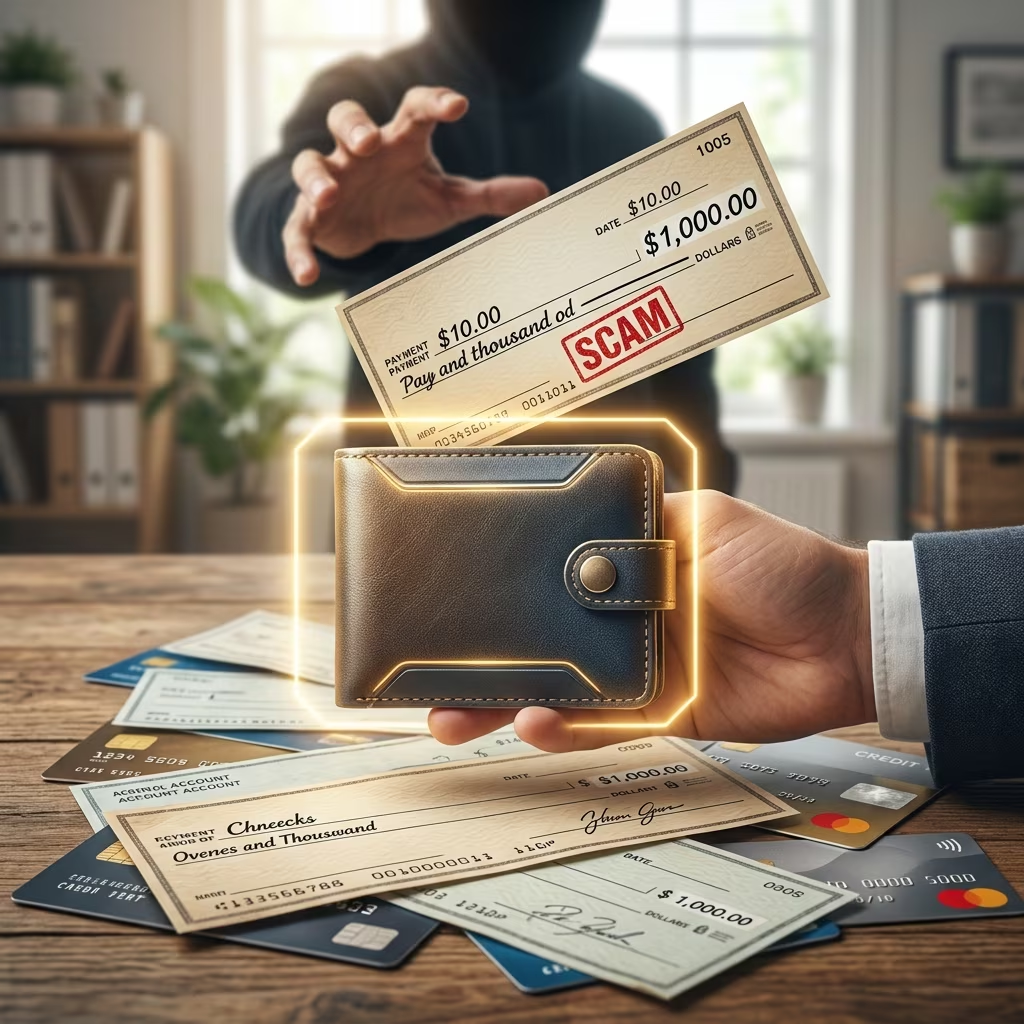
A check overpayment scam occurs when a buyer sends you a payment for more than the agreed price, then pressures you to return the excess funds using a fast, hard-to-trace method such as wire transfer, cash, money orders, or gift cards. The original check eventually turns out to be counterfeit or otherwise invalid, leaving you responsible when the bank reverses the deposit.
These scams typically involve one of the following instruments:
- Personal checks
- Cashier’s checks
- Corporate checks
- Money orders
Although these instruments might appear secure, scammers use sophisticated printing and forged bank information to make them look genuine. Even bank tellers can initially accept such items, which is why waiting for a check to fully clear is critical before you treat the funds as available.
How the Scam Typically Unfolds
While individual details vary, most check overpayment scams follow a predictable pattern. Recognizing the typical sequence can help you spot danger early.
| Step | What Happens | Risk to the Seller |
|---|---|---|
| 1. Contact and Offer | A buyer contacts you about your listing, often using generic phrases like “your item” instead of describing the product. | Difficult to assess the buyer’s identity; communication may be copied and sent to many sellers at once. |
| 2. Overpayment | The buyer sends a check or money order for more than the agreed sale price, claiming it was a mistake or needed for shipping or third-party fees. | The extra funds seem harmless, but the entire payment may be fake. |
| 3. Refund Request | The buyer asks you to send back the difference immediately via wire transfer, gift cards, or another irreversible method. | You risk sending your own real money before the bank discovers the check is invalid. |
| 4. Check Reversal | Days or weeks later, your financial institution determines the check was counterfeit and removes the deposited amount from your account. | You are responsible for the loss, including the refund you already sent. |
| 5. Disappearing Buyer | The buyer stops responding or deletes their account once they receive the refund. | Recovery of funds is extremely difficult or impossible. |
Common Red Flags Sellers Should Watch For
Most overpayment scams share several warning signs. If you see multiple red flags in a single transaction, treat it as high risk and pause the deal.
- Payment exceeds the agreed price. Being paid more than the asking price is one of the clearest indicators of an overpayment scam.
- Urgent pressure to “act now.” Scammers often insist you send money or ship the item immediately, before the bank can detect the fake check.
- Requests for wire transfers or gift cards. Wire transfers, cash, and gift cards are difficult or impossible to reverse, making them ideal tools for fraud.
- Checks from unrelated or distant accounts. The name on the check may not match the buyer, or the issuing bank may be located in a different state or country.
- Vague or generic communication. Messages that don’t mention your item by name, use awkward phrasing, or appear copied-and-pasted can signal mass targeting.
- Insistence on unusual payment services. A buyer may push you to use an obscure escrow or online payment service you’ve never heard of.
Encountering any of these signs should prompt additional verification. If you experience multiple red flags at once—such as an overpayment, pressure to send a wire, and vague communication—the safest decision is to decline the transaction.
Why Banks Accept Fake Checks at First
Many victims believe a check is safe once the bank makes the deposit available, but that is not always true. Under U.S. banking rules, institutions must generally make funds from deposited checks available within a short period, sometimes before they can fully confirm authenticity. This is a provisional credit—meaning the bank can reverse it if the check later proves invalid.
Key points sellers should understand include:
- Deposited funds might appear in your balance within one or two business days.
- Authenticity checks can take significantly longer, especially for cashier’s checks or out-of-state items.
- If the check is fake, the bank will remove the funds, and you are responsible for any money you sent out in return.
This timing gap is exactly what scammers exploit. They want you to see the deposit, believe the money is real, and quickly send a refund before the fraud is detected.
Practical Steps to Protect Yourself When Selling Online
There are several concrete actions you can take to reduce your risk of falling victim to check overpayment scams.
1. Know Who You Are Dealing With
Before accepting payment, independently verify the buyer’s identity as much as possible.
- Ask for a full name, physical address, and working phone number.
- Search their information online to see whether it appears consistent and legitimate.
- Be wary if they refuse to provide basic contact details or push to keep communication only through the platform’s messaging system.
2. Never Accept a Check for More Than the Selling Price
One of the simplest protections is to refuse any payment that exceeds the agreed amount.
- Tell buyers that you only accept the exact sale price.
- If they send a check for more, do not deposit it; return or destroy the item if possible.
- Do not ship the merchandise until you receive legitimate payment in the correct amount.
3. Favor Safer Payment Options
Instead of relying on paper checks, consider more secure alternatives.
- Escrow services operated by reputable providers, which hold funds until both parties satisfy their obligations.
- Well-known online payment platforms that offer some level of buyer and seller protection.
- Local in-person transactions with cash, conducted at a safe public location or your bank branch.
If a buyer insists on using an unfamiliar payment or escrow service, research it thoroughly:
- Visit the official website and read the terms of use and privacy policy.
- Contact customer service using a phone number or email address found independently.
- Decline the transaction if you cannot confirm the service’s legitimacy.
4. Verify Checks Directly with the Issuing Bank
If you do choose to accept payment by check, take steps to validate it before shipping goods or sending any money.
- Ask for a check drawn on a local bank or one with a local branch, so you can visit in person to confirm authenticity.
- Alternatively, call the bank listed on the check using a phone number from a trusted directory, not one supplied by the buyer.
- Ask the bank whether the check number, amount, and account are valid, and whether sufficient funds exist.
5. Wait Until Funds Fully Clear
Even if a bank initially accepts a check, wait until it fully clears before you spend or refund any part of the funds.
- Ask your financial institution how long it takes to fully verify the type of check you received.
- Delay shipping your item and refuse to send any refund until that time has passed.
- If the buyer complains about the delay, treat it as a potential warning sign.
6. Refuse Any Request to Wire Back Funds
A legitimate buyer generally will not ask you to send money via wire transfer or gift card as part of a routine purchase.
- End the transaction immediately if someone insists you return money through Western Union, similar wire services, cash apps, or gift cards.
- Do not purchase gift cards or send payment codes in response to a buyer’s request.
- Remember that once you send these forms of payment, they are almost impossible to recover.
7. Resist High-Pressure Tactics
Scammers often use urgency as a tool to bypass your judgment.
- Slow down if you feel rushed; legitimate offers remain valid after the check clears.
- Decline any deal that depends on you sending money or shipping goods before verification.
- Trust your instincts if something feels off, even if you cannot identify why.
What to Do If You Suspect an Overpayment Scam
If you believe you are dealing with an overpayment scam—whether you caught it early or already sent funds—take immediate action.
1. Stop the Transaction
- Do not deposit suspicious checks or money orders.
- Do not ship your item or send any refund.
- Stop responding to the buyer if they appear to be pressuring you.
2. Contact Your Bank or Credit Union
If you have already deposited the check or sent money, notify your financial institution as soon as possible.
- Ask whether the check has been cleared or is still under review.
- Explain that you suspect fraud and request guidance on potential remedies.
- Quick action may improve your chances of limiting losses.
3. Report the Scam to Authorities
Reporting suspected overpayment scams helps protect both you and others from future harm. Several agencies encourage consumer reports:
- Federal Trade Commission (FTC): You can report fraud through the FTC’s complaint portal.
- U.S. Postal Inspection Service: If the fake check arrived by mail, the Postal Inspection Service investigates related fraud.
- State or local consumer protection offices: State attorneys general often maintain resources and complaint processes for fake check scams.
- The platform used for the sale: Report the buyer’s account to the website or app where you listed the item.
Providing details such as messages, copies of checks, and shipping labels can help investigators identify patterns and warn other consumers.
Frequently Asked Questions (FAQs)
Is a cashier’s check always safe?
No. While cashier’s checks are often considered more secure than personal checks, scammers regularly use fake cashier’s checks in overpayment schemes. Banks may initially accept them but later discover they are counterfeit, leaving you responsible for the loss.
If my bank made the funds available, doesn’t that mean the check is good?
Not necessarily. Funds can appear in your account before the bank has fully verified the check. This is a temporary credit that can be reversed if the institution later determines the check is invalid or fraudulent.
Why would a buyer pay more than the asking price?
Scammers use overpayment to create a reason for asking you to send money back. Common stories include covering shipping, paying a third-party mover, or correcting a “mistaken” amount. Genuine buyers rarely make substantial payment errors and then demand quick refunds via wire transfer or gift cards.
Is it safe to accept a check from a local buyer?
A local buyer can be safer because you can meet in person and verify identity, but the presence of a local address does not guarantee legitimacy. You should still avoid overpayments, verify checks with the issuing bank, and wait for them to clear before spending or refunding any money.
What’s the single most important rule to avoid overpayment scams?
Never send money back to a buyer based on a check that has not fully cleared. Decline any deal that involves overpayment plus a request for an immediate refund through wire transfer, gift cards, or similar methods.
Key Takeaways for Safer Online Selling
Check overpayment scams exploit trust, urgency, and confusion around bank deposit rules. As an online seller, you can significantly reduce your risk by:
- Insisting on exact payment amounts and rejecting overpayments.
- Verifying buyers and payment instruments independently.
- Favoring secure payment methods and reputable platforms.
- Waiting for checks to fully clear before shipping goods or sending refunds.
- Refusing any request to wire funds or send gift cards to buyers.
- Reporting suspicious transactions to your bank, the FTC, and other relevant authorities.
By combining awareness of common red flags with practical safety measures, you can continue to benefit from online marketplaces while keeping your finances and personal information protected.
References
- FTC Warns Consumers about Check Overpayment Scams — Federal Trade Commission. 2004-12-09. https://www.ftc.gov/news-events/news/press-releases/2004/12/ftc-warns-consumers-about-check-overpayment-scams
- Check Overpayment Scams: Seller Beware — State of Connecticut Department of Consumer Protection. 2005-07-01. https://manufacturing.ct.gov/-/media/DCP/pdf/publications/checkoverpaymentscampdf.pdf
- Fake Check Scams — Minnesota Attorney General’s Office. 2023-05-10. https://ag.state.mn.us/Consumer/Publications/FakeCheckScam.asp
- Overpayment Scams: How to Fight Back — Members 1st Federal Credit Union. 2022-09-15. https://www.members1st.org/blog/articles/how-to-avoid-overpayment-scams
- Protect Yourself from Overpayment Scams: Tips and Advice — Space Coast Credit Union. 2023-04-20. https://www.sccu.com/articles/fraud-prevention/beware-of-overpayment-scams