
Fixing Automatic Payment Mistakes from Your Bank Account
Learn how to spot, stop, and resolve errors in automatic bank debits to safeguard your finances effectively.
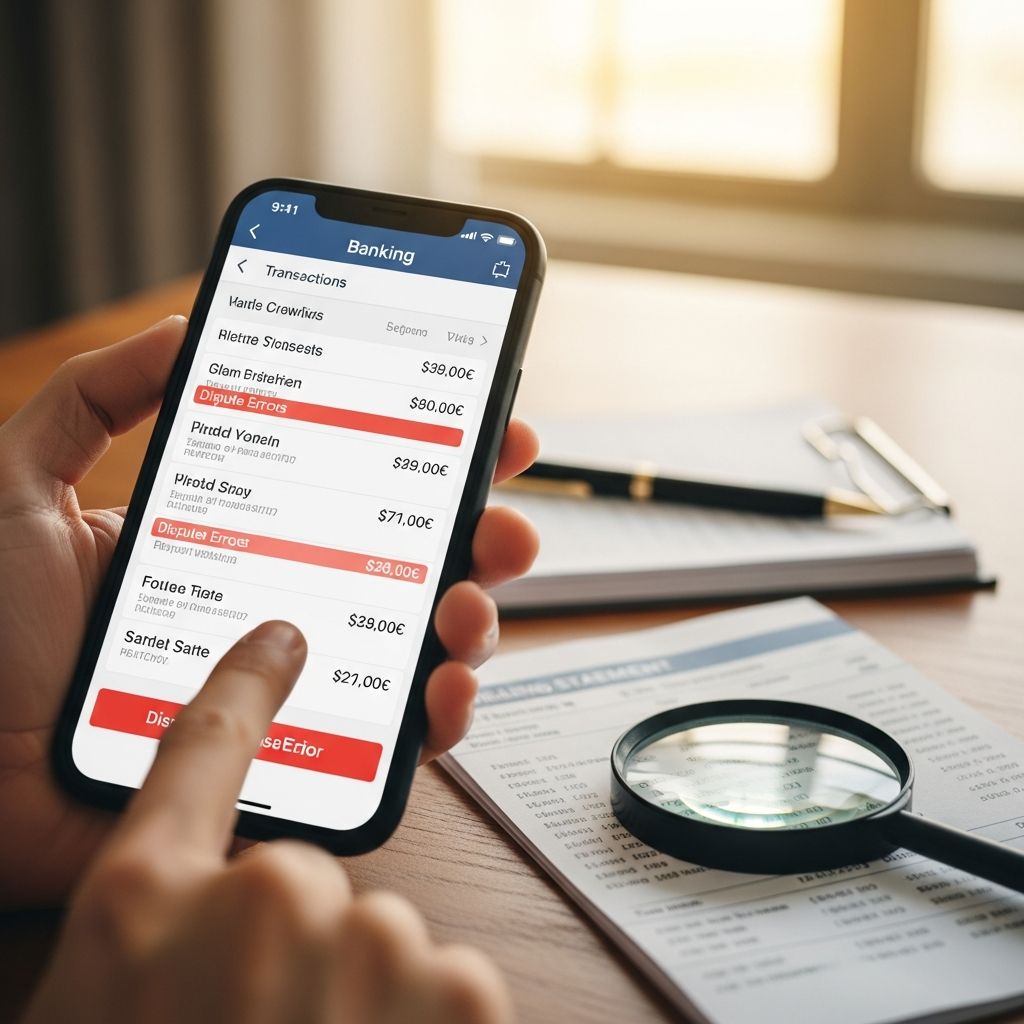
Automatic payments offer convenience for handling recurring bills like utilities, loans, and subscriptions by electronically withdrawing funds from your checking account. However, errors such as unauthorized debits, incorrect amounts, or timing issues can lead to overdrafts, late fees, and financial stress. Understanding your rights and response strategies is crucial to regain control.
Understanding How Automatic Debits Operate
Automatic debits, also known as direct debits or autopay, involve authorizing a creditor or service provider to pull funds from your bank account on a set schedule. This differs from bank-initiated bill pay, where your financial institution pushes payments outward. With debits, the payee initiates the transaction via the Automated Clearing House (ACH) network, using your account and routing numbers provided during setup.
To establish this, you typically share your checking account details and sign an authorization form specifying amount, frequency, and any variability allowances—for instance, fixed mortgage payments versus fluctuating utility bills. Creditors must disclose terms clearly and provide a copy of the agreement. For variable payments, they are required to notify you at least 10 days in advance if the amount deviates from prior transactions or your authorized range.
- Fixed payments: Consistent amounts, ideal for predictable expenses like insurance premiums.
- Variable payments: Allowed within a range, with prior notice required for changes.
- Setup process: Provide routing and account numbers, often found on checks or via online banking.
Monitoring statements regularly ensures debits align with agreements, preventing surprises.
Common Pitfalls and Errors in Automatic Withdrawals
While autopay streamlines finances, glitches occur. Banks or payees might process payments late, duplicate charges, or withdraw unapproved sums, triggering overdraft fees that compound quickly. Other issues include debits after account closure, mismatched amounts due to billing errors, or unauthorized pulls from identity theft.
| Error Type | Description | Potential Impact |
|---|---|---|
| Unauthorized Debit | Withdrawal without valid authorization | Overdraft fees, account restrictions |
| Incorrect Amount | Exceeds agreed sum or range | Insufficient funds, disputes |
| Duplicate Payment | Same charge processed twice | Double billing losses |
| Late Processing | Bank delays causing payee penalties | Late fees passed to you |
| Post-Cancellation Debit | Continues after stop request | Ongoing unauthorized losses |
These problems often stem from processing errors, system failures, or payee non-compliance with disclosure rules.
Your Legal Protections Under Federal Regulations
The Electronic Fund Transfer Act (EFTA), enforced by the Consumer Financial Protection Bureau (CFPB), governs preauthorized electronic transfers from consumer accounts. Key protections include:
- Right to receive a copy of the signed authorization agreement.
- Oral or written notice to stop payments at least three business days before the next debit.
- Advance notice (10 days) for variable amount changes.
- Error resolution procedures mirroring those for unauthorized transactions.
Telephone-only authorizations are insufficient; written, signed consent is mandatory for recurring debits. Violations can entitle you to damages, including actual losses and statutory penalties. Banks must investigate disputes promptly and provisionally credit accounts during review.
Immediate Actions to Stop Problematic Debits
When spotting an error, act swiftly:
- Contact your bank: Notify orally or in writing at least three business days before the next scheduled debit. Request confirmation in writing.
- Review authorization: Verify if you have the signed agreement; demand a copy if missing.
- Monitor notifications: Ensure variable payments include proper 10-day notices.
- Document everything: Keep records of communications, statements, and agreements.
For urgent halts, banks can block future ACH debits from specific payees. If the payee ignores stops, escalate to CFPB complaints. Changing account numbers is a last resort, as it disrupts all autopay setups.
Resolving Disputes and Recovering Funds
Treat automatic debit errors like any EFT dispute: Report within 60 days of the statement date. Banks must:
- Acknowledge within 10 business days.
- Investigate within 45 days (extendable to 90 for new accounts).
- Provisionally credit within 10 days (or three if no provisional earlier).
If resolved in your favor, permanent credits follow; otherwise, funds revert with explanation. For bank errors causing late fees, demand reimbursement. Persistent issues warrant CFPB or state attorney general involvement.
Best Practices to Prevent Future Issues
Proactive management minimizes risks:
- Choose wisely: Opt for fixed-amount autopay for stability; bank bill pay for control.
- Track diligently: Use apps or alerts for low balances and debits.
- Limit authorizations: Authorize only trusted payees; review annually.
- Build buffers: Maintain extra funds to cover fluctuations.
- Interest perks: Some lenders discount rates for autopay enrollment.
Regular audits of active autopays via bank portals prevent forgotten subscriptions draining accounts.
Special Scenarios: Loans, Utilities, and Subscriptions
Student Loans and Mortgages: Fixed debits common; errors rare but impactful due to large sums. Lenders must honor stops without credit dings if timely.
Utilities and Telecom: Variable; confirm notices arrive. Late bank processing? Bank covers fees.
Subscriptions: Easy to overlook; cancel authorizations directly with providers post-free trials.
In debt relief, autopay ensures compliance but verify escrow handling.
Frequently Asked Questions
Q: How soon must I notify my bank to stop an automatic payment?
A: At least three business days before the scheduled transfer, orally or in writing.
Q: What if the payee doesn’t provide the authorization copy?
A: This violates EFTA; report for potential damages and halt debits.
Q: Can I stop payments for a loan without defaulting?
A: Yes, if notified timely; discuss alternatives with lender to avoid credit issues.
Q: Who is liable for overdraft fees from a debit error?
A: The bank or payee, depending on fault; demand reversal.
Q: Is autopay safer than manual payments?
A: Generally yes for on-time payments, but requires vigilant monitoring.
Long-Term Financial Safeguards
Integrate autopay into broader budgeting: Pair with high-yield savings for buffers and credit monitoring for fraud. Educate on ACH reversals—limited to errors, not buyer’s remorse. For businesses, ensure compliant authorizations to avoid lawsuits.
Technology aids: Banking apps flag anomalies; set debit limits. Ultimately, balance convenience with oversight for peace of mind.
References
- How do automatic payments from a bank account work? — Consumer Financial Protection Bureau. 2021-06-01. https://www.consumerfinance.gov/ask-cfpb/how-do-automatic-payments-from-a-bank-account-work-en-2021/
- Automatic Bank Payments: Watch Out for Errors — Nolo. 2023-01-15. https://www.nolo.com/legal-encyclopedia/automatic-deduction-errors-bank-accounts-29823.html
- Automatic Debit — Achieve. 2024-05-10. https://www.achieve.com/glossary/a/automatic-debit
- Automatic Payments: Pros, Cons & Other Considerations — PNC Bank. 2024-08-20. https://www.pnc.com/insights/personal-finance/spend/automatic-payments-what-to-know.html
- Automatic Deductions From Your Checking Account/Debit Card May Violate the Law — Attorney4Life. 2022-11-05. https://www.attorney4life.com/automatic-deductions-from-your-checking-account-or-by-debit-card-may-violate-the-law/
- Electronic Fund Transfer Act (Regulation E) — Consumer Financial Protection Bureau (official regulation). 2024-01-01. https://www.consumerfinance.gov/rules-policy/regulations/1005/
Similar Articles








Read full bio of medha deb


