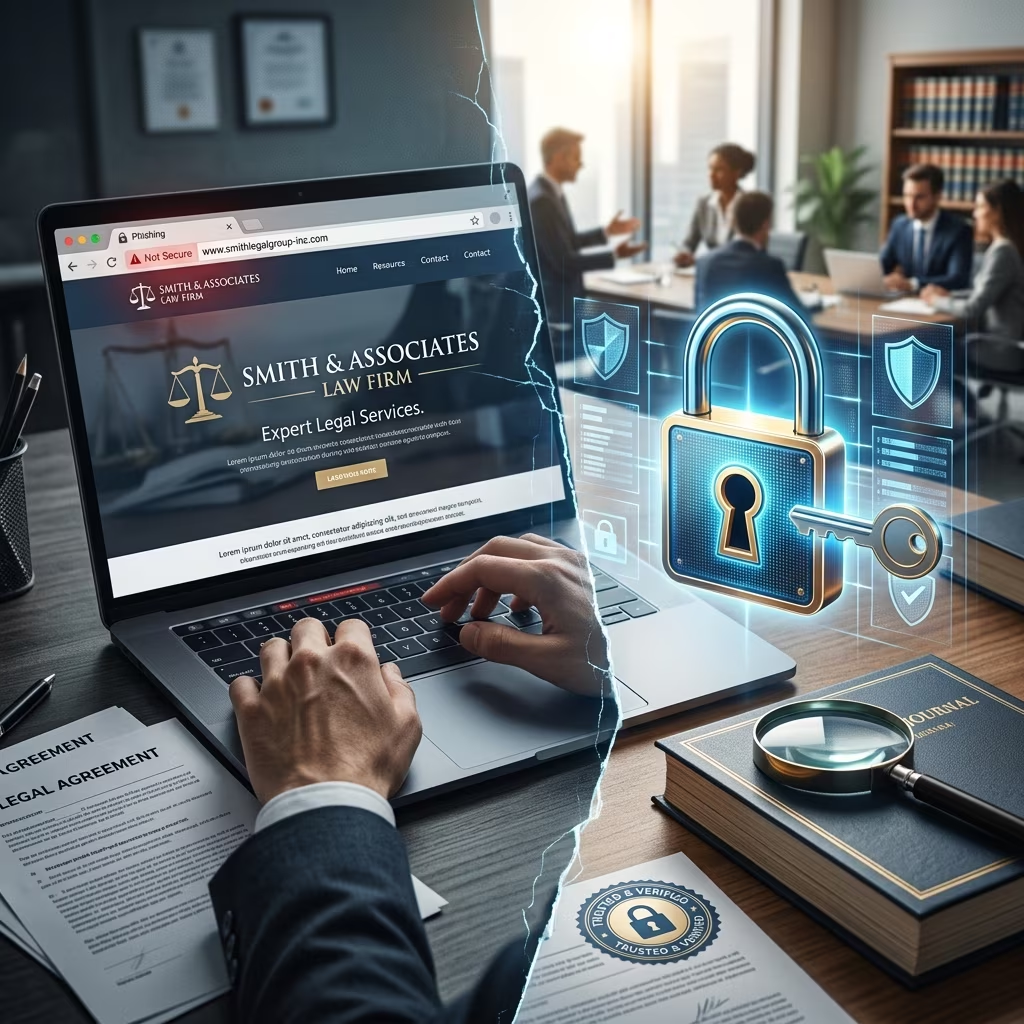
Online legal scams have evolved from crude email tricks into sophisticated fake law firm websites that can deceive both lawyers and clients. These sites use real attorney names, stolen biographies, and polished designs to appear legitimate while funneling money or personal data to fraudsters.
This article explains how these scams work, who they target, how lawyers can protect their professional identities, and how consumers can verify that a law firm is real before handing over money or sensitive information. It draws on guidance from bar associations and regulatory bodies to offer practical, step-by-step advice.
Why Fake Law Firm Websites Are on the Rise
Several trends have made it easier for criminals to create convincing fake legal websites:
- Low-cost web tools make professional-looking sites easy to build in hours.
- Public attorney profiles on bar directories and firm pages provide photos, resumes, and bar numbers that can be copied.
- Search engines and social media drive traffic to new sites quickly, including fraudulent ones.
- AI and deepfake technologies help produce realistic text, images, and even synthetic video or audio that appear authentic.
Bar associations report that some fake sites list real lawyers—who have no connection to the site—as partners or managing attorneys, using their identities to build trust with unsuspecting clients. In other cases, fraudsters invent entire firms using generic names like “Injury Help Center” or “Foreclosure Relief Group” and present themselves as legal professionals.
How Fake Law Firm Websites Typically Operate
While every scam is different, most fake law firm websites follow a similar pattern:
1. Borrowing Real Identities or Creating Generic Brands
Fraudulent sites may:
- Copy the name, photo, and bar number of a real attorney from a public directory without permission.
- Invent generic “centers” or “legal groups” with no identifiable lawyers, using broad promises like “Win big” or “Maximize your claim now”.
- Use addresses that are PO boxes, virtual offices, or locations that do not match any genuine law practice.
2. Targeting Vulnerable Legal Consumers
Fake sites often concentrate on people who may be stressed, unfamiliar with legal processes, or more likely to trust online advertising:
- Older adults seeking estate planning or probate help.
- Immigrants looking for immigration advice or representation, including notario-style fraud.
- Homeowners facing foreclosure or needing mortgage loan modifications.
- Injured workers or accident victims responding to aggressive legal marketing ads and call centers.
These groups are often under pressure and may not have an existing relationship with a trusted lawyer, making them more susceptible to persuasive websites and high-pressure tactics.
3. Collecting Money or Personal Data
Once contact is made, fake law firm operations usually pursue one of two goals:
- Direct financial theft: demanding up-front fees by wire transfer, cash apps, or encrypted messaging platforms, often with promises of guaranteed outcomes.
- Data harvesting: collecting detailed personal and case information through forms or calls, then selling those leads to real law firms or other marketers.
Some operations are not truly law firms at all, but marketing companies masquerading as legal practices in order to sell leads to attorneys, in violation of advertising and ethics rules.
Risks for Lawyers and Law Firms
Fake law firm websites harm not only the public but also legitimate lawyers whose names, credentials, and reputations are misused. The potential consequences include:
- Reputation damage when clients believe a real lawyer is behind a scam and file complaints or post negative reviews.
- Loss of trust among existing clients who see confusing or conflicting online information about the firm.
- Regulatory complications if bar authorities receive reports about actions taken under a lawyer’s stolen identity.
- Financial costs associated with investigating the fraud, working with hosting companies and registrars, and possibly pursuing legal remedies.
To reduce these risks, lawyers need to treat their online identity as a professional asset that requires active monitoring and protection.
How Consumers Can Verify That a Law Firm Is Real
Legal consumers can protect themselves by following a verification routine before hiring any lawyer they find online. Many of these steps are recommended by bar associations and consumer protection programs.
| Verification Step | What to Do | Why It Matters |
|---|---|---|
| Check bar membership | Use your state or provincial bar’s online directory to confirm the lawyer is licensed and in good standing. | Only licensed attorneys can offer legal services; fake lawyers will not appear or will show inactive status. |
| Match contact information | Confirm that the phone, email, and address on the website match what is listed in the official bar directory. | Impersonators may use a real name but different contact details to intercept communication and payments. |
| Search the address | Look up the firm’s address on online maps and street view to see if it corresponds to an actual law office. | Mailbox stores, empty lots, or unrelated businesses are red flags. |
| Look for named attorneys | Check if the site lists specific lawyers with biographies and bar numbers, not just a generic brand. | Real firms are transparent about who is responsible for the legal work. |
| Review client feedback | Search for independent reviews and any disciplinary history from bar authorities. | Patterns of complaints or no trace of the firm beyond its own site warrant caution. |
Key Red Flags for Consumers
When evaluating a law firm website or advertisement, be skeptical if you notice any of the following warning signs:
- No lawyer is named anywhere on the site, only a generic firm label.
- There is no bar license number or information about who is responsible for the content of the advertisement.
- The address is a PO box, private mailbox, or cannot be verified on maps or street view.
- Fees are either unrealistically low or coupled with pressure to pay everything immediately.
- Communication is limited to call centers, chatbots, or messaging apps, with no opportunity to speak to a licensed attorney.
- Promises sound too good to be true, guaranteeing specific outcomes or unusually fast results.
How Lawyers Can Monitor and Protect Their Online Identity
Lawyers and law firms can significantly reduce the impact of fake websites by adopting proactive monitoring and response strategies. Some bar associations explicitly encourage members to periodically search for unauthorized uses of their identity and report them.
1. Regular Online Searches
Self-monitoring is one of the simplest and most effective tools:
- Search your name, firm name, and unique combinations of both on major search engines.
- Look beyond the first page of results to find obscure or recently created sites.
- Repeat searches at scheduled intervals, such as monthly or quarterly.
Creating automated alerts can help:
- Set up email alerts for your name and firm name so you are notified when new pages appear.
- Track social media mentions and online reviews associated with your practice.
2. Strengthen Official Online Profiles
Maintaining strong, accurate official profiles helps the public distinguish real information from fake:
- Keep your law firm website updated with correct contact information, biographies, and practice areas.
- Ensure your entry in your state bar’s directory is complete, current, and easy for consumers to find.
- Consider using domains that require professional verification, such as certain legal-specific extensions, which may help signal authenticity.
3. Train Staff to Spot Client Confusion
Staff members often hear about suspicious websites first, through client questions or unusual inquiries. Train them to:
- Ask clients how they found the firm and note any mention of unfamiliar websites.
- Document suspicious contacts or references to other domains that claim to be part of your practice.
- Escalate potential impersonation issues to firm leadership or designated security contacts promptly.
4. Responding When You Discover a Fake Website
If you discover a website using your name, your firm’s identity, or other unauthorized material, consider the following steps, guided by bar association advice:
- Gather evidence by taking screenshots, saving pages as PDF, and noting the domain registration details.
- Notify your bar association and ask if they can place an alert on your public profile or assist in addressing the fraud.
- Contact the hosting company and registrar with a detailed complaint, requesting removal of the fraudulent site.
- Inform affected clients or the public, if necessary, to clarify that you are not associated with the fake domain.
- Consult legal counsel about possible civil or criminal remedies, especially if significant harm or identity theft has occurred.
Legal Services Fraud and the Role of Regulators
Legal services fraud—including fake law firm websites and unauthorized practice of law—is a growing concern for regulators. Public guidance documents emphasize that fraud is becoming more sophisticated and that clients must verify credentials carefully.
Regulators and bar associations may:
- Publish lists of known fake lawyers and fraudulent websites so that the public can check whether a provider has already been flagged.
- Offer hotlines or contact points where suspected fraud can be reported and investigated.
- Initiate enforcement actions to shut down operations that engage in unauthorized practice of law or deceptive advertising.
- Provide lawyer referral services to connect consumers with vetted attorneys.
Understanding what regulators can—and cannot—do helps both lawyers and clients set realistic expectations about how quickly fraudulent sites can be removed and what remedies may be available.
Practical Tips to Avoid Becoming a Victim
Whether you are a lawyer protecting your brand or a consumer seeking legal help, the following practical tips can reduce your risk when dealing with online legal services.
For Legal Consumers
- Always verify that your lawyer is licensed using the official bar directory in your jurisdiction.
- Confirm that the contact information from the website matches the information listed by the bar.
- Be wary of firms that refuse in-person meetings or video calls and insist solely on text or chat-based communication.
- Avoid paying full fees up front via wire transfers or methods that are difficult to trace, especially if you feel pressured.
- Ask friends, family, or trusted professionals for referrals and cross-check those names in official directories.
- Read reviews on multiple platforms and look for consistent patterns rather than isolated comments.
For Lawyers and Law Firms
- Schedule regular online searches of your name and firm name, and set up automated alerts.
- Engage with your bar’s consumer protection or ethics office to understand reporting procedures for identity misuse.
- Educate clients about how to verify your identity so they know which domains and contact channels are officially yours.
- Consider publishing a brief online safety notice on your website explaining how clients can ensure they are dealing with the real firm.
- Document any incidents of impersonation and keep records of communications with hosting providers and regulators.
FAQ: Fake Law Firm Websites and Online Legal Scams
Are fake law firm websites always operated by unlicensed people?
Not always. Some fraudulent operations involve people with no legal training, clearly engaging in unauthorized practice of law. Others are marketing or lead-generation companies that present themselves as legal service providers without being law firms. In both cases, the public may not receive genuine legal advice from a licensed attorney.
Is it enough to see a lawyer’s name on a website to trust it?
No. Fraudsters often copy the names and profiles of real attorneys from bar directories or firm websites. You should verify that the contact details on the site match what the official bar directory lists, and consider contacting the lawyer using information from the bar rather than the site.
What should I do if I suspect I hired a fake law firm?
First, stop sending money or personal information. Then, contact your state bar or relevant regulator to report the situation and ask for guidance on next steps. If you believe a crime has occurred, you may also wish to contact law enforcement. Keep all documentation, including emails, receipts, and screenshots of the website.
How can I tell the difference between aggressive legal marketing and fraud?
Aggressive but legitimate marketing should still identify a licensed attorney or law firm, provide bar license information where required, and offer verifiable contact details. Fraudulent operations often rely on generic names, vague promises, and difficulty in reaching a specific lawyer responsible for your case.
What role do bar associations play in shutting down fake law firm sites?
Bar associations can investigate complaints, issue public warnings, and in some cases work with authorities to stop unauthorized practice of law or deceptive advertising. They may also help real lawyers whose identities have been misused, for example by adding alerts to their profiles and advising on how to approach hosting providers and registrars.
References
- Avoid Legal Services Fraud — State Bar of California. 2024-01-01. https://www.calbar.ca.gov/public/concerns-about-attorney/avoid-legal-services-fraud
- Beware! Fake Lawyers’ Websites — Barreau de Montréal / Barreau du Québec. 2023-06-01. https://www.barreaudemontreal.qc.ca/en/public/illegal-practice/fake-lawyers-websites/
- Fake Lawyer Websites on the Rise: What Can Firms Do? — FindLaw Legal Technology Blog. 2018-04-10. https://www.findlaw.com/legalblogs/technologist/fake-lawyer-websites-on-the-rise-what-can-firms-do/
- Fake Law Firm Website Lists Real Lawyers as Practicing There — The Florida Bar News. 2019-07-01. https://www.floridabar.org/the-florida-bar-news/fake-law-firm-website-lists-real-lawyers-as-practicing-there/
- Fake Legal Websites Continue to Threaten Law Firms — 101domain Business Development Blog. 2020-09-15. https://blog.101domain.com/business-development-1/fake-legal-websites-continue-to-threaten-law-firms
- How to Spot a Fake Law Firm? — Husain Law + Associates Blog. 2023-05-20. https://hlalawfirm.com/how-to-spot-a-fake-law-firm/
- 6 Tips to Avoid Scams by Fake Law Firms — Pacific Workers Blog. 2025-08-01. https://www.pacificworkers.com/blog/2025/august/6-crucial-tips-to-make-sure-you-are-not-being-sc/