
Gender Discrimination At Work: 5 EEOC Steps To File In 2025 Now
Understand how federal workplace protections address sex-based bias, pay, hiring, harassment, and filing an EEOC charge.
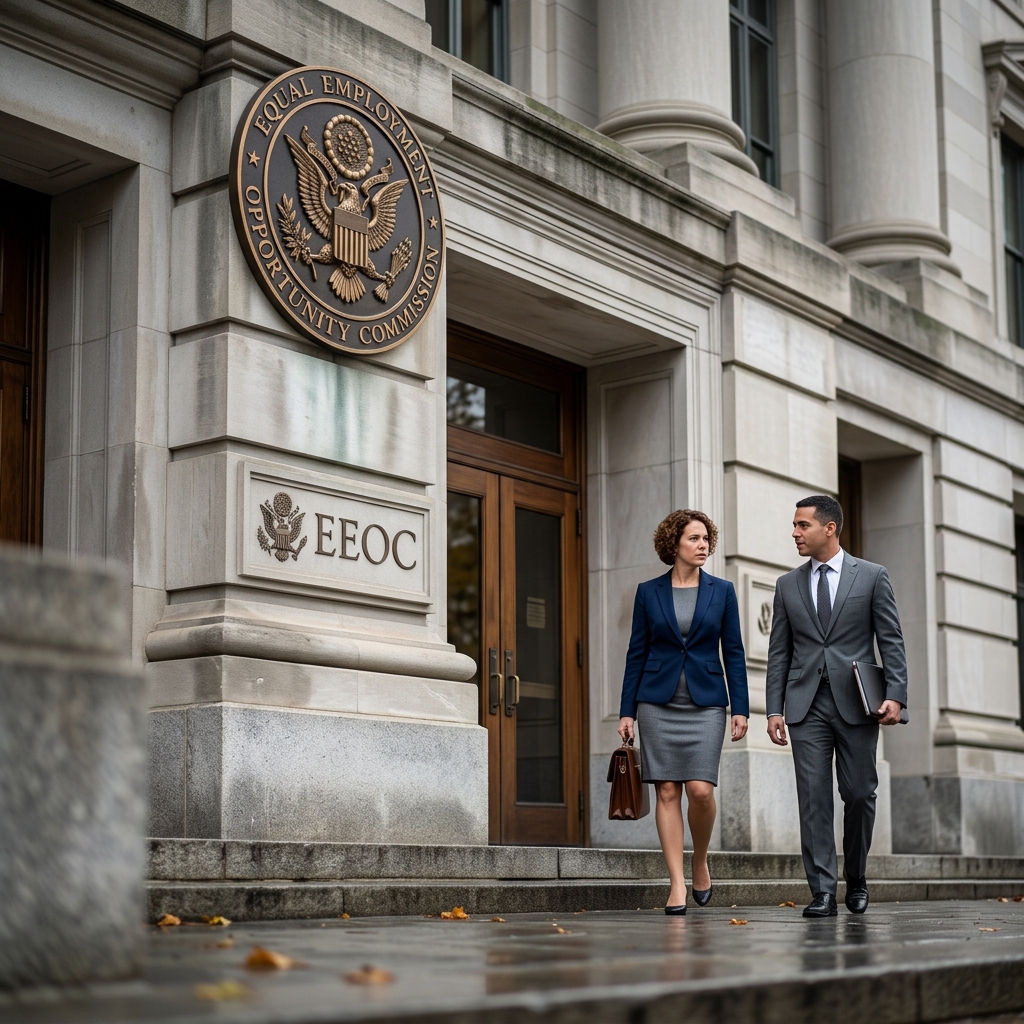
How Federal Law Addresses Gender Bias at Work
Workplace discrimination based on sex or gender can affect hiring, compensation, promotions, job assignments, and everyday working conditions. In the United States, the primary federal framework for these claims is Title VII of the Civil Rights Act, which the EEOC enforces in most private-sector and many public-sector settings. The EEOC also provides charge-filing procedures for employees and applicants who believe they were treated unfairly because of sex, including pregnancy, transgender status, or sexual orientation under current agency guidance.
Although the law is broad, the practical rules can be complicated. Some claims involve direct unequal treatment, while others involve harassment, retaliation, or policies that appear neutral but affect one gender more harshly than another. Understanding the EEOC’s role helps workers and employers identify when a problem may rise to the level of unlawful discrimination.
What Counts as Gender Discrimination
Gender discrimination generally refers to unfavorable treatment because a person is male, female, transgender, nonbinary, or otherwise identifies with a gender. Under EEOC guidance, sex discrimination includes treating an applicant or employee less favorably because of sex, and the agency’s youth resource page explains that Title VII protections extend to pregnancy, sexual orientation, and transgender status.
Discrimination does not have to involve an explicit statement such as, “We do not hire women.” It can also appear through patterns of decision-making, workplace rules, or repeated conduct that disadvantages one group. A claim may exist even if the employer says it was relying on stereotypes or assumptions about how men or women should behave, dress, speak, or perform.
Common Situations That May Lead to a Claim
Gender discrimination can show up at many stages of employment, from the application process through termination. The most common situations include:
- Refusing to hire someone because of sex or gender identity.
- Paying one worker less than another worker who performs substantially similar work.
- Denying a promotion, raise, bonus, or valuable assignment based on gender.
- Subjecting a person to repeated sexist jokes, comments, or unwanted conduct.
- Firing an employee for reasons tied to gender rather than job performance.
- Applying dress codes, bathroom rules, or workplace policies in a way that targets a protected group.
These examples are not exhaustive. A case can also arise when one group is systematically favored over another in benefits, scheduling, training, or opportunities for advancement. In some disputes, the key issue is not a single dramatic event but a pattern of unequal treatment over time.
The EEOC’s Role in Workplace Disputes
The EEOC is the federal agency that receives and investigates many workplace discrimination charges. Its charge-filing portal allows individuals to submit an inquiry, complete an intake interview, and then file a formal charge of discrimination. If the charge concerns conduct covered by federal law, the EEOC may investigate, attempt mediation, issue findings, or authorize the worker to pursue a lawsuit after administrative steps are completed.
The agency’s role is especially important because many employees must first go through the EEOC process before bringing a federal discrimination lawsuit. That makes timing and documentation critical. A worker who waits too long can lose the ability to proceed, even if the underlying facts are strong.
Title VII and the Equal Pay Act
Two major federal laws often appear in gender-discrimination disputes. Title VII prohibits employment discrimination based on sex and is the main statute used for hiring, firing, harassment, and promotion claims. The Equal Pay Act focuses specifically on wage equality and requires men and women to receive equal pay for equal work at the same workplace.
These laws overlap, but they are not identical. Title VII can address broader patterns of unequal treatment, while the Equal Pay Act is centered on compensation for substantially the same work. In many disputes, lawyers may evaluate both laws to determine which legal theory best fits the facts.
| Law | Main focus | Typical issues |
|---|---|---|
| Title VII | Sex-based workplace discrimination | Hiring, firing, promotion, harassment, retaliation |
| Equal Pay Act | Equal pay for equal work | Wage differences between men and women performing substantially the same job |
Examples of Evidence That Can Matter
Strong discrimination cases usually rely on records, witnesses, and consistent documentation. Helpful evidence may include pay statements, performance reviews, written policies, internal emails, complaint histories, and testimony from co-workers who observed the treatment. If a worker was denied a raise or promotion, it may help to compare the employer’s stated reasons with how similarly situated employees were treated.
Context matters. For example, if a company regularly promotes men faster than women with comparable experience, that pattern may support an inference of discrimination. Likewise, if a supervisor repeatedly makes gender-based remarks or applies rules unevenly, those facts may support a harassment or disparate-treatment claim.
Harassment and Hostile Work Environment Claims
Sex-based harassment is another major category of EEOC cases. Harassment may involve unwelcome comments, offensive jokes, sexual pressure, threats, or conduct that becomes severe or pervasive enough to alter the working environment. The law does not require that the victim be terminated or demoted; a hostile environment can be actionable even when the employee keeps the job.
Some harassment claims are based on explicit sexual conduct, while others involve gender stereotyping, insults about masculinity or femininity, or repeated refusal to respect a worker’s identity. The practical question is whether the behavior would make the workplace intimidating, hostile, or abusive to a reasonable person in the same position.
When Employers Raise a Defense
Employers often argue that a challenged decision was based on legitimate business reasons rather than gender. Common defenses include performance concerns, seniority, attendance, restructuring, or documented policy violations. In a compensation case, an employer may argue that differences in pay were tied to experience, education, duties, or other lawful factors.
These explanations matter, but they do not automatically defeat a claim. The EEOC and courts often compare the stated reason with the surrounding evidence. If the explanation changes over time, is unsupported by records, or is applied inconsistently, that inconsistency can strengthen the employee’s case.
How to Start an EEOC Complaint
The charge process begins with an intake inquiry through the EEOC Public Portal or another EEOC channel. After the intake stage, the individual may submit a formal charge of discrimination. The agency’s public materials explain that workers who believe they were discriminated against because of sex, including transgender status or sexual orientation, may file a charge through the portal process.
- Collect documents and note key dates.
- Submit an inquiry to the EEOC.
- Complete the intake interview and formal charge steps.
- Respond to requests for information from the agency.
- Review settlement, mediation, or right-to-sue options if available.
Filing early is usually important because charge deadlines can be short. Even when a person is unsure whether the conduct is illegal, preserving the claim by contacting the EEOC promptly is often the safest first step.
Why State Law May Offer Additional Protection
Federal law is only part of the picture. State and local laws may provide broader coverage, different deadlines, or additional remedies. Some jurisdictions recognize more categories of gender-based protection or impose stricter standards on employers. That means a worker may have a viable state claim even when a federal claim is harder to prove.
Because the rules vary, the best strategy often depends on where the workplace is located and which employer policies are involved. In some cases, state agencies work alongside the EEOC, and one filing can preserve rights under both systems.
Practical Steps for Employees
Employees who suspect gender discrimination should act methodically. First, preserve evidence and keep a private record of events, including dates, names, and what was said or done. Second, review the employee handbook and any written complaint procedures. Third, consider reporting the issue through internal channels if that can be done safely. Fourth, contact the EEOC or a qualified employment lawyer if the conduct continues or if the employer does not respond appropriately.
It is also important to avoid delay. Witnesses move on, documents disappear, and memories fade. A timely record makes it easier to show whether the conduct was isolated or part of a larger pattern.
Practical Steps for Employers
Employers reduce risk when they train supervisors, enforce policies consistently, and respond quickly to complaints. Clear anti-discrimination and anti-harassment rules should cover hiring, pay, promotions, bathroom access policies, dress standards, and complaint procedures. Managers should also be trained not to rely on stereotypes or assumptions about gender roles.
When a complaint is raised, a prompt and neutral investigation is important. Employers that document their decisions and apply standards consistently are usually in a stronger position to defend a claim if one later arises.
Frequently Asked Questions
Is gender discrimination the same as sex discrimination?
In workplace law, the terms are often used together. EEOC materials describe sex discrimination as unfavorable treatment because of a person’s sex and state that Title VII protections include pregnancy, sexual orientation, and transgender status.
Can unequal pay be illegal even if two jobs are not identical?
Yes. The Equal Pay Act focuses on equal pay for equal work, and the comparison usually turns on whether the work is substantially similar, not whether every task is identical.
Do I have to file with the EEOC before suing?
For many federal claims, filing a charge is a required first step. The EEOC charge process creates the administrative record and may lead to mediation, investigation, or a right-to-sue notice.
Can harassment alone support a gender discrimination case?
Yes. Harassment may violate federal law if it is severe or pervasive enough to create a hostile work environment, even if the employee is not fired or demoted.
What if my state has stronger protections?
You may still have claims under state or local law. Those rules can add remedies or expand coverage beyond federal law, so the governing jurisdiction matters.
When to Seek Legal Help
Because gender-discrimination claims can involve overlapping federal, state, and local rules, many workers benefit from legal advice early in the process. A lawyer can help identify the strongest theory, calculate deadlines, organize evidence, and decide whether to pursue a charge, settlement, or lawsuit. This is especially useful when the facts involve pay disparities, retaliation after a complaint, or workplace policies that seem neutral but operate unfairly.
The legal system gives employees a path to challenge unequal treatment, but the path works best when the facts are preserved and the correct process is followed. For many workers, the EEOC is the first formal step toward accountability and, when needed, broader legal remedies.
References
- Sex Discrimination — U.S. Equal Employment Opportunity Commission. 2024-04-19. https://www.eeoc.gov/sex-based-discrimination
- Sex Discrimination | U.S. Equal Employment Opportunity Commission — U.S. Equal Employment Opportunity Commission. 2024-04-19. https://www.eeoc.gov/youth/sex-discrimination
- Filing A Charge of Discrimination — U.S. Equal Employment Opportunity Commission. 2024-04-19. https://www.eeoc.gov/filing-charge-discrimination
- Removing Gender Ideology and Restoring the EEOC’s Role of Protecting Women in the Workplace — U.S. Equal Employment Opportunity Commission. 2025-02-27. https://www.eeoc.gov/newsroom/removing-gender-ideology-and-restoring-eeocs-role-protecting-women-workplace
- The EEOC Is No Longer Protecting Federal Workers From Gender Identity Discrimination — The Nation. 2025-03-06. https://www.thenation.com/article/society/eeoc-gender-identity-discrimination/
- Federal Court Nullifies EEOC Guidance on LGBTQ+ Protections — Ogletree Deakins. 2025-05-16. https://ogletree.com/insights-resources/blog-posts/federal-court-nullifies-eeoc-guidance-on-lgbtq-protections/
Similar Articles








Read full bio of medha deb




