
Fake Court Emails and Legal Notices: How to Stay Safe
Learn how to recognize fake court emails, texts, and calls that deliver malware, steal data, and exploit fear of legal trouble.
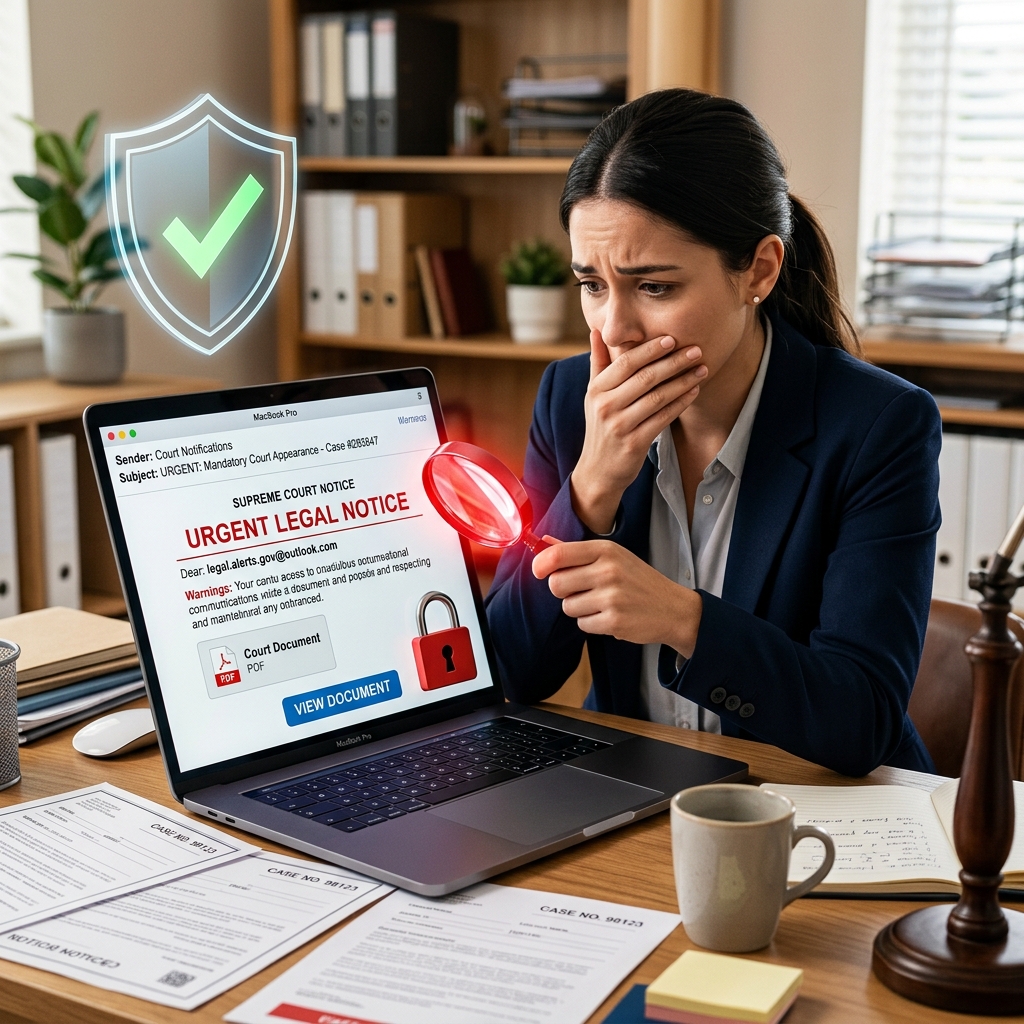
Scammers increasingly impersonate courts by sending realistic-looking emails, texts, and phone calls that claim you have a pending case, missed jury duty, or an upcoming hearing. These messages are designed to scare you into clicking links, opening attachments, or sharing sensitive information, which can lead to malware infections, identity theft, and financial loss. This article explains how these scams work, how genuine courts actually contact you, and the concrete steps you can take to stay safe.
Why Court-Impersonation Scams Are So Effective
Legal systems carry real authority, and most people are understandably worried about court cases, fines, or contempt orders. Scammers exploit this fear by crafting messages that look official and urgent. In many recent campaigns, emails have claimed to be from state or federal courts and instructed recipients to open attached documents to learn details of a supposed case or hearing date; the attachment then installs malicious software on the victim’s computer.
Similarly, some scams threaten default judgments, arrest warrants, or large fines if you fail to respond immediately. These tactics are meant to override your normal caution and push you into rapid, unthinking action.
How Fake Court Emails and Messages Typically Work
Although scams vary, many share a common pattern. Understanding this pattern helps you quickly recognize fraudulent communications.
Common Features of Fake Court Emails
- Claim of a new or unknown court case: The email says you are involved in a lawsuit, criminal case, or hearing you have never heard of before.
- Instructions to open attachments or click links: The message directs you to review an attached “summons,” “complaint,” or “case information” file or follow a link to view court documents.
- Urgent, threatening language: It may warn that you will face a default judgment, fines, or jail if you do not respond immediately or comply with instructions.
- Spoofed or misleading sender addresses: Some emails use domains that resemble official court addresses or mimic e-filing portals but are not legitimate; they may rely on spoofing to make the “from” field look official.
- Malicious attachments: Opening the file launches malware that can infect your device and potentially steal data or give attackers remote access.
Text Messages and Phone Calls Imitating Courts
Scams are not limited to email. Fraudsters also use text messages and calls to impersonate courts:
- Fake “notice of default” texts that include case numbers, seals, and even judges’ names and ask you to scan QR codes or call a number for payment or resolution.
- Jury duty scams where callers claim you missed jury service and must pay a fine immediately over the phone.
- Threatening calls demanding credit or debit card numbers, bank details, or gift cards to avoid arrest or legal penalties.
In each case, the goal is the same: push you into making payments or sharing personal information before you can verify whether the communication is genuine.
How Courts Really Contact You
To identify fraud, it helps to know how legitimate courts typically notify people. Official court systems and agencies have clear rules about service and communication.
Service of Summons and Legal Documents
For many jurisdictions, initial legal documents such as summonses are not served by email. For example, one state attorney general notes that U.S. District Court summonses are served through the postal service or by a process server, not via unsolicited email links or attachments. Similarly, federal judiciary alerts emphasize that emails about “court cases” that require you to open attachments are not a normal method of service for new matters.
Jury Duty and Appearance Notices
- Mail-first notices: Many courts send initial jury summons or notices to appear in court by mail, not solely by email or text.
- Optional reminders: Some courts may send email reminders for jury service, but these follow an official summons that arrives by mail.
- No immediate payment demands: Courts do not demand payment over the phone or via text for missed jury duty or court appearances.
Digital Communication Policies
While courts increasingly use electronic filing and online systems for attorneys, they maintain strict standards for official communication:
- Official domains: Federal court emails should originate from addresses ending in
.gov, not generic or commercial domains. - Secure case portals for attorneys: Lawyers are expected to verify cases and documents through official case management systems rather than downloading files from unknown messages.
- No collection of sensitive data via email: Federal courts state that they will not use phone calls or email to request personal data like Social Security numbers or bank details, nor to threaten recipients with jail if they fail to comply.
Key Differences Between Real and Fake Court Messages
The table below summarizes important distinctions that can help you quickly spot a scam.
| Feature | Legitimate Court Communication | Typical Scam Communication |
|---|---|---|
| Method of initial contact | Postal mail, certified mail, or process server for new summons and complaints. | Unsolicited email or text claiming a new case or urgent legal issue. |
| Sender address or number | Official court domains (e.g., .gov) or published phone numbers on court websites. | Spoofed or unfamiliar domains, generic email services, unknown phone numbers. |
| Attachments and links | Accessed via secure court portals, often after logging in; not sent as unsolicited file attachments. | Executable files, compressed archives, or links that must be clicked to see case details or avoid penalties. |
| Tone and language | Formal, informational, referencing known cases or prior contact. | Highly urgent, threatening, or demanding immediate action to avoid arrest or large fines. |
| Payment requests | Payments made through official court procedures or approved channels; rarely demanded instantly by phone or text. | Requests for card numbers, wire transfers, gift cards, QR-code payments, or direct bank information. |
Risks: What Happens If You Click or Respond
Engaging with fake court messages can have serious consequences. When you open a malicious attachment or follow an infected link, you may trigger a program that compromises your device. Official alerts from courts and law enforcement describe the following risks:
- Malware infections: Viruses, trojans, or ransomware can be installed, giving attackers control over your device or encrypting files for ransom.
- Data theft: Keylogging and other tools can steal passwords, financial credentials, or personal information from your computer.
- Identity theft: Scammers may use stolen data to open accounts, file fraudulent tax returns, or commit other identity-related crimes.
- Financial loss: Responding to payment demands over phone, email, or text can result in direct loss of funds and may be difficult to reverse.
How to Respond Safely to Suspicious Court Communications
If you receive any message claiming to be from a court that you were not expecting or that feels suspicious, take the following steps before you click, call, or reply.
Immediate Protective Actions
- Do not open attachments or click links: Treat all unsolicited files as potentially harmful, especially if they relate to unknown legal matters.
- Do not give out personal or financial information: Never share your date of birth, Social Security number, bank details, or card numbers in response to unexpected messages.
- Delete or ignore: If you are confident it is a scam, delete the message or hang up the phone immediately.
Verify Independently Through Official Channels
When in doubt, you can safely verify whether a real case exists without using the contact information provided in the suspicious message.
- Use official court websites: Search online for the court’s official site, not the link in the message, and use the published phone numbers or case lookup tools to check your status.
- Contact the clerk’s office: Call the clerk of court directly to ask if there is any case under your name or any legitimate communication sent to you.
- Check sender details: If the email claims to be from a federal court but does not end in
.gov, treat it with suspicion and verify through official sources.
Report the Scam
Reporting fraudulent communications helps authorities identify patterns and warn others. Official guidance often includes the following reporting steps:
- Forward phishing emails to the appropriate national consumer agency, such as the Federal Trade Commission’s designated spam address.
- Notify your state attorney general or consumer protection office if you receive court-impersonation scams that target residents in your area.
- Inform local court officials so they can post alerts and educate the public.
Best Practices to Reduce Your Risk
Preventing harm from fake court emails and messages involves a combination of technical and behavioral safeguards. Consider adopting the measures below.
Technical Protections
- Use up-to-date security software: Install reputable antivirus and anti-malware tools and keep their definitions current.
- Enable automatic updates: Ensure your operating system and major applications receive regular security updates.
- Back up important data: Maintain secure backups so you can recover files if ransomware or other destructive malware strikes.
Safe Communication Habits
- Be skeptical of unexpected legal notices: Treat any surprise email, text, or call claiming legal trouble as suspicious until verified.
- Check domain names carefully: Look for small differences in spelling or unusual domain endings in email addresses that appear official.
- Never rush under pressure: If a message uses fear or urgency to demand immediate action, pause and verify independently.
- Educate family and colleagues: Share information about these scams with others, especially those who may be more vulnerable.
FAQs About Fake Court Emails and Legal Notice Scams
1. Can courts ever send legitimate emails?
Yes, some courts use email for certain communications, especially with attorneys or for reminders to jurors, but these typically follow formal enrollment or mail-based contact and originate from official domains. New summonses and complaints are usually served by mail or in person, not through a surprise email attachment.
2. I opened a suspicious attachment. What should I do now?
If you clicked a link or opened an attachment from a suspicious “court” email, disconnect from the internet if possible and run a full system scan with updated security software. Consider seeking professional IT assistance, changing important passwords from a clean device, monitoring your financial accounts, and notifying appropriate authorities or consumer protection agencies.
3. How can I check whether a case against me is real?
Use the official website of the relevant court and its published case search tools or contact information. Call the clerk’s office or visit online case databases provided by courts, rather than relying on links, numbers, or email addresses included in suspicious messages.
4. Are texts or QR codes ever used for legitimate court payments?
Official guidance warns that courts do not send legal notices by text or ask you to resolve a case by scanning a QR code in a message. Payments are made through approved channels, such as official online portals or in-person at court offices, not via unsolicited text links.
5. Who should I contact to report these scams?
You can report suspected scams to national consumer protection agencies, state attorneys general, and local courts. Many federal courts specifically advise contacting the clerk’s office or relevant enforcement agencies, as well as forwarding fraudulent emails to designated addresses for spam and phishing reports.
References
- Scam Emails About Phony Court Cases Carry Computer Virus — United States District Court, District of Maine / U.S. Courts Security Operations Center. 2013-03-05. https://www.med.uscourts.gov/public-alert-scam-emails-about-phony-court-cases-carry-computer-virus
- Fake Court Email Scam Targets Area Residents — Ninth Judicial Circuit Court of Florida. 2015-08-26. https://ninthcircuit.org/news/fake-court-email-scam-targets-area-residents
- Fake “Federal Court Summons” Emails Delivering Malware — Kansas Attorney General, Consumer Protection Division. 2024-02-06. https://www.ag.ks.gov/Home/Components/News/News/262/
- Public Alert: Beware of “Court” Scams — Maryland Judiciary. 2014-08-15. http://www.mdcourts.gov/media/news/2014/pr20140815
- Federal Court Scams — Administrative Office of the U.S. Courts. 2017-11-30 (updated). https://www.uscourts.gov/data-news/news/federal-court-scams
- Fraud Alert: Fake “Notice of Default” Texts — Oxnard Police Department. 2023-09-15. https://www.facebook.com/OxnardPD/posts/1362349809260002/
Similar Articles








Read full bio of medha deb


