
Essential Steps After a Big Rig Collision
Navigate the chaos of a big rig crash with this comprehensive guide to immediate actions, evidence collection, and legal protection for maximum recovery.
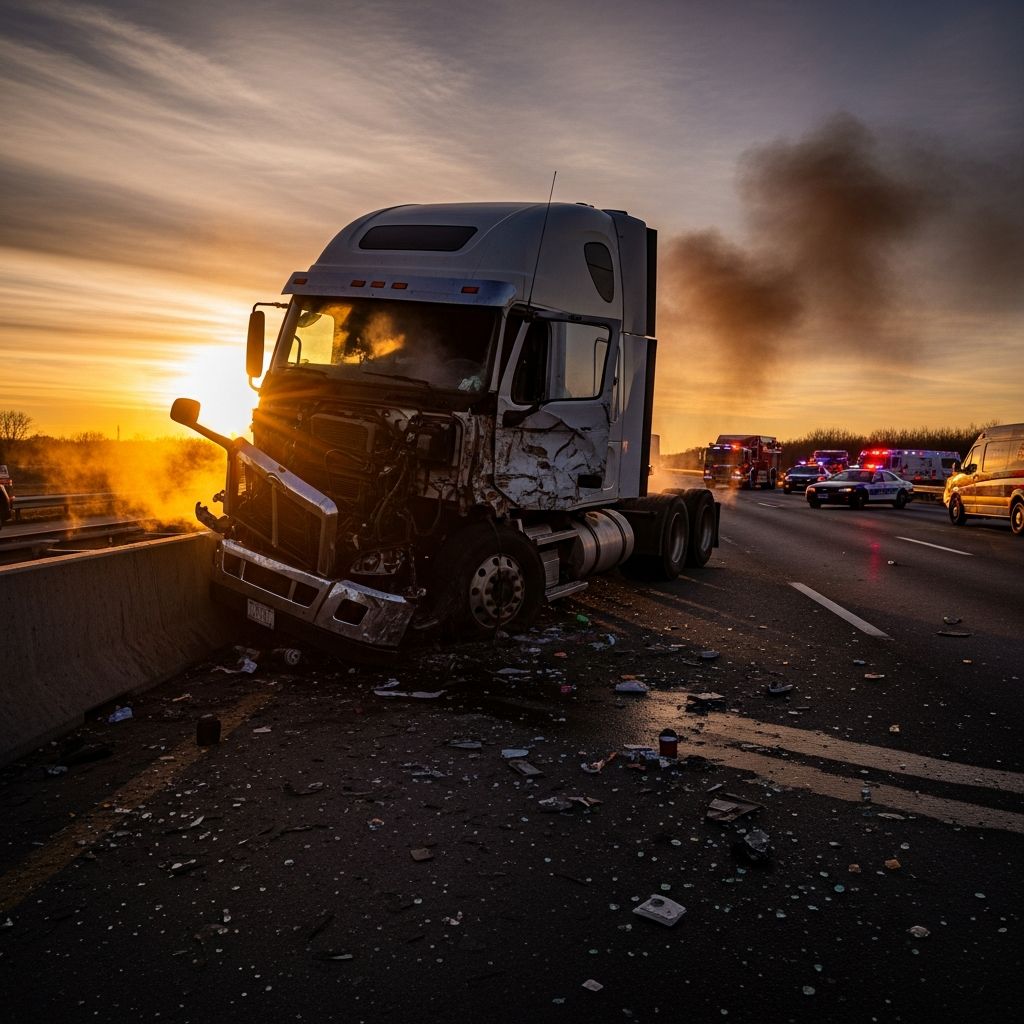
Collisions involving big rigs, also known as semi-trucks or 18-wheelers, often result in severe damage and injuries due to their massive size and weight. These incidents demand swift, methodical responses to safeguard health, preserve evidence, and lay the groundwork for potential claims. This guide outlines a structured approach to handling the aftermath, drawing from established safety protocols and legal best practices.
Immediate Safety Measures: Your First Priority
The moments following a big rig collision are critical for preventing further harm. Adrenaline can mask pain, but hazards like ongoing traffic or leaking fluids pose immediate risks. Begin by assessing your condition and that of others involved.
- Relocate to a secure area: If able, steer your vehicle off the roadway or to the shoulder, activating hazard lights to warn approaching drivers. This reduces the chance of secondary crashes.
- Evaluate for injuries: Check yourself, passengers, and the truck driver for visible trauma. Even minor-seeming issues like dizziness warrant attention, as they may signal concussions or internal injuries.
- Summon emergency services: Dial 911 without delay if anyone appears hurt or if the scene is unsafe. Paramedics provide on-site evaluation, and officers create an official report essential for insurance and liability determinations.
According to the National Highway Traffic Safety Administration (NHTSA), truck crashes account for a disproportionate share of fatalities, underscoring the need for rapid response.
Thorough Scene Documentation: Building Your Case
Once safety is secured, preserve the scene through detailed records. This evidence can prove fault and quantify damages, strengthening future claims against trucking companies or insurers.
Capture comprehensive visuals using your phone:
- Vehicle positions and damage from multiple angles, including license plates and company logos on the rig.
- Road features like skid marks, traffic signals, weather conditions, and debris.
- Injuries, with consent, and any mechanical issues on the truck such as brake failures.
| Element to Photograph | Purpose |
|---|---|
| Vehicle Damage | Demonstrates impact severity and fault indicators like underride. |
| Skid Marks & Road Conditions | Reveals speed, braking, and environmental factors. |
| Truck Markings | Identifies carrier for regulatory violation checks. |
Additionally, note the time, location, and sequence of events in writing. Collect details from witnesses, including names, contacts, and statements, as third-party accounts bolster credibility.
Information Exchange and Authority Involvement
Cooperate with law enforcement but remain cautious in discussions. Provide factual basics—your name, contact, and vehicle details—without speculating on causes.
- Obtain truck specifics: Secure the driver’s license, truck registration, insurance card, and DOT number from the cab door.
- Police report: Ensure an officer files a detailed account, including diagrams and citations, which insurers require for claims processing.
Federal Motor Carrier Safety Administration (FMCSA) regulations mandate commercial drivers to carry specific documents, making this step vital for identifying liable parties.
Medical Evaluation: Addressing Hidden Dangers
Even if symptoms are absent, seek professional care promptly. Shock delays pain recognition, and delayed treatment complicates recovery and claims.
- Visit an emergency room or urgent care for scans detecting soft tissue damage, fractures, or traumatic brain injuries common in truck wrecks.
- Follow up with specialists; retain all records, bills, and prescriptions as proof of economic losses.
Studies from the Insurance Institute for Highway Safety (IIHS) indicate truck accident victims often suffer long-term effects, justifying comprehensive checkups.
Navigating Insurance Communications
Report the incident to your insurer quickly, supplying gathered evidence. However, limit interactions with the trucker’s company, as adjusters may minimize payouts.
- Your policy first: Notify for coverage under uninsured/underinsured motorist provisions if applicable.
- Avoid settlements: Refrain from signing releases or giving recorded statements until advised by counsel.
Legal Consultation: Protecting Your Rights
Big rig cases involve multiple at-fault parties—drivers, carriers, manufacturers—under complex federal and state laws. Engage a specialized attorney early.
Benefits include:
- Investigating violations like hours-of-service breaches or improper loading.
- Handling negotiations for medical bills, lost wages, pain, and punitive damages.
- Meeting statutes of limitations, often 1-3 years varying by jurisdiction.
Attorneys operate on contingency, meaning no upfront fees, maximizing access to justice.
Long-Term Recovery Strategies
Beyond immediates, track ongoing impacts:
- Maintain a damages journal: Daily symptoms, therapy notes, income losses.
- Preserve vehicle pre-repair photos and obtain repair estimates.
- Monitor for psychological effects like PTSD, treatable via counseling.
Common Pitfalls to Avoid
Mistakes can undermine claims:
- Admitting fault or apologizing at the scene.
- Delaying medical visits, implying no injury.
- Posting on social media, which adversaries scrutinize.
- Overlooking commercial policies with higher limits.
Frequently Asked Questions (FAQs)
What if the truck driver flees the scene?
Hit-and-run truck cases invoke criminal charges; provide any details like markings to police for tracing via DOT databases.
Can I claim against the trucking company?
Yes, under vicarious liability or direct negligence like poor maintenance; lawyers probe logs and records.
How much compensation might I receive?
Varies by damages—averaging $100K+ per IIHS data—but depends on evidence strength and jurisdiction.
Should I accept the first settlement offer?
Rarely; initial offers undervalue future costs; expert review ensures fairness.
What’s the timeline for filing a lawsuit?
Typically 2 years, but notify carriers sooner; consult local statutes.
Preventing Future Big Rig Crashes
While reactive steps matter, awareness aids prevention: Maintain distance from trucks, avoid blind spots, report erratic driving. NHTSA campaigns emphasize shared road responsibility.
In summary, methodical actions post-collision transform chaos into a pathway for accountability and healing. Prioritize safety, document rigorously, and seek professional guidance promptly.
References
- Traffic Safety Facts: Large Trucks — National Highway Traffic Safety Administration (NHTSA). 2023. https://crashstats.nhtsa.dot.gov/Api/Public/ViewPublication/813466
- Commercial Motor Vehicle Facts — Federal Motor Carrier Safety Administration (FMCSA). 2024-10-15. https://www.fmcsa.dot.gov/safety/data-and-statistics
- Large Truck Crash Facts 2022 — Insurance Institute for Highway Safety (IIHS). 2024. https://www.iihs.org/topics/fatality-statistics/detail/large-trucks
- Regulations on Hours of Service — FMCSA. 2024. https://www.fmcsa.dot.gov/regulations/hours-service
- Truck Crashworthiness — NHTSA. 2023-05-20. https://www.nhtsa.gov/equipment/trucks
Similar Articles








Read full bio of medha deb




