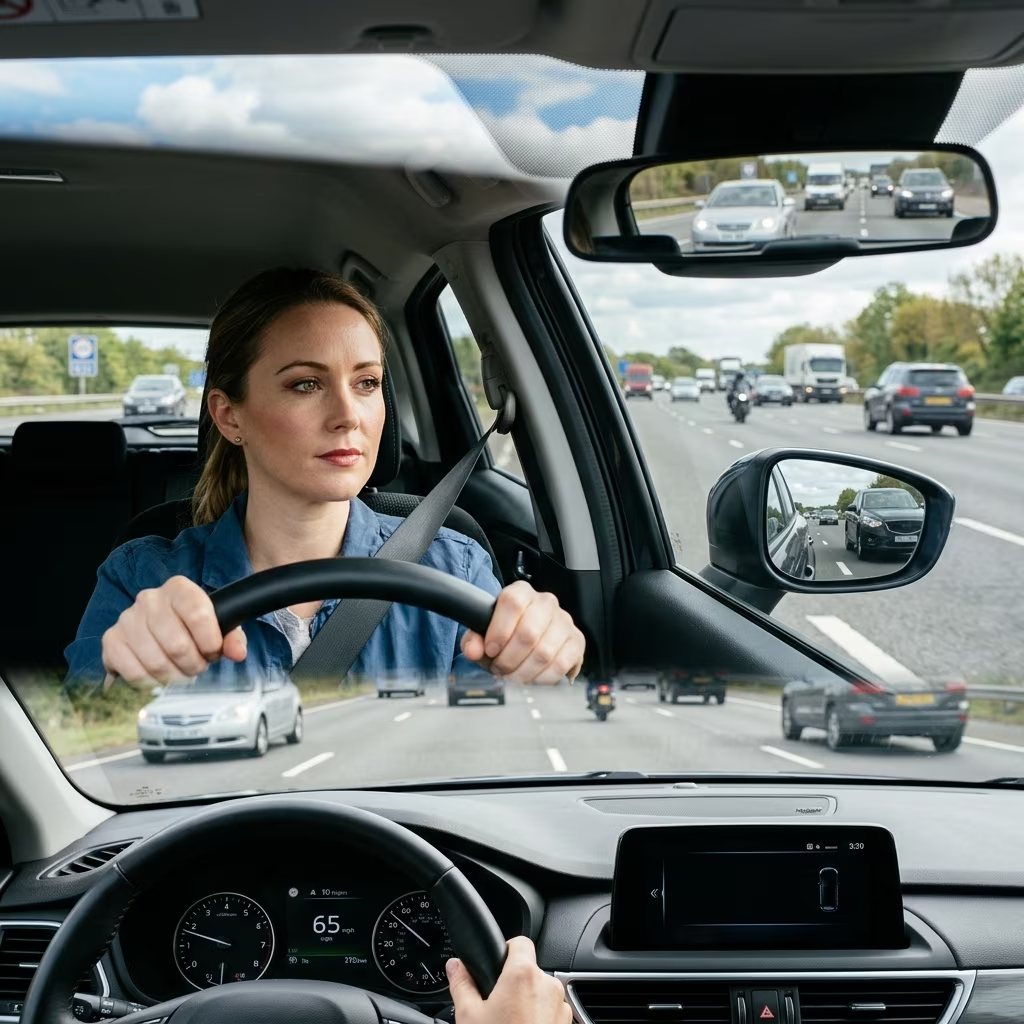
Safe driving is not only about avoiding tickets; it is about protecting lives, preventing serious injuries, and staying compliant with traffic laws. Research shows that driver behavior plays a major role in crash risk, from speeding and distraction to impairment and fatigue. By adopting a set of practical, everyday habits, you can significantly reduce your chances of being involved in a collision and minimize your legal exposure on the road.
Why Smart Driving Habits Matter
Traffic laws are designed to reflect basic principles of safety. When drivers ignore these rules or adopt careless habits, the result is more crashes, higher insurance costs, and increased legal liabilities. National data highlight the importance of:
- Wearing seat belts consistently to reduce risk of death and serious injury.
- Driving sober, as impairment severely affects judgment, reaction time, and coordination.
- Staying focused on the road rather than on phones, food, or in-car devices.
- Controlling speed to match posted limits and existing conditions such as rain, fog, or congestion.
Understanding these fundamentals makes it easier to see how everyday choices—like checking a text message or rushing through a red light—can quickly become legal problems or life-altering events.
Core Safety Principles: The Foundation of Legal, Responsible Driving
While specific rules differ slightly by jurisdiction, most traffic codes are built around a few core principles. Keeping these in mind provides a clear framework for safe driving:
- Control your vehicle at all times: You must be able to stop, steer, and respond safely to hazards.
- Respect right-of-way rules: Yielding incorrectly or aggressively can cause collisions and legal liability.
- Match speed to conditions: Driving too fast for weather, traffic, or visibility is dangerous even when you are below the posted limit.
- Protect vulnerable road users: Pedestrians, cyclists, and motorcyclists are at higher risk, so extra caution is legally and morally expected.
- Minimize distractions: Laws increasingly target mobile device use and other distracting behaviors behind the wheel.
These principles underpin more specific safe driving habits discussed in the sections below.
Building Everyday Safe Driving Habits
Safe driving is largely about consistency. The goal is to turn good practices into automatic behaviors. The following habits are simple but effective when used every time you drive.
Buckle Up Correctly, Every Trip
Seat belts are one of the most effective safety devices in vehicles. Government safety agencies stress that both drivers and passengers must wear seat belts on every trip, no matter how short. Proper positioning matters:
- Place the shoulder belt across the middle of your chest and away from your neck.
- Position the lap belt snugly across your hips, not your stomach.
- Never tuck belts under arms or behind your back, as this reduces protection.
Many jurisdictions can issue tickets for failing to wear a seat belt, and failure to buckle up may increase liability in civil claims after a crash.
Manage Speed Thoughtfully
Speeding is a leading contributing factor in severe crashes. Insurance and safety organizations consistently recommend driving at a speed that allows ample time to react to hazards and stop safely.
- Obey posted limits and never treat them as a minimum.
- Slow down in poor conditions, such as rain, snow, fog, or heavy traffic.
- Increase following distance as speed rises, to maintain enough space to stop.
Driving too fast for conditions, even below the legal limit, can still lead to tickets, citations for careless driving, or civil liability if a crash occurs.
Stay Focused: Avoid Distractions Behind the Wheel
Distraction includes anything that takes your eyes off the road, your hands off the wheel, or your mind off driving. Safety agencies urge drivers to keep 100% of their attention on driving and avoid multi-tasking while the vehicle is moving.
Common distractions include:
- Texting, browsing, or calling on a phone.
- Eating, drinking, or adjusting in-car devices.
- Reaching for items in the vehicle or dealing with unrestrained pets.
Many regions have specific laws against handheld phone use or texting while driving. Violations may result in fines, points on your license, or increased penalties if a crash occurs.
Drive Sober and Recognize Impairment
Driving while impaired by alcohol, illegal drugs, or certain medications is both unsafe and illegal. Official guidance is clear: if you are impaired, you must not drive.
- Do not drive after consuming alcohol beyond minimal amounts, particularly if you feel any effect.
- Review medication labels for drowsiness or cognitive side effects, which can make driving hazardous.
- Plan for alternative transportation if you expect to be impaired.
Impaired driving offenses can result in criminal charges, license suspension, high fines, and civil liability, even for first-time incidents.
Combat Fatigue and Drowsy Driving
Fatigue reduces alertness and slows reaction time. Safety guidance recommends being well-rested before driving and avoiding long stretches without breaks.
- Stop for a short break at least every two hours on long trips.
- Pull over and rest if you feel sleepy or your concentration fades.
- Set realistic daily driving distances to avoid exhaustion behind the wheel.
Drowsy driving can be as dangerous as impaired driving, and some jurisdictions treat egregious fatigue-related crashes similarly to other negligent conduct.
Defensive Driving: Anticipating Hazards and Other Drivers
Defensive driving means expecting potential hazards and other drivers’ mistakes, then giving yourself extra time and space to respond. State highway safety programs emphasize several key defensive strategies.
Know and Plan Your Route
Planning your route before leaving reduces stress and distraction. Mapping your trip, setting up navigation, and checking traffic or weather conditions ahead of time helps you stay focused while driving.
Maintain Safe Following and Passing Distances
Following too closely is both unsafe and often illegal. Defensive driving guidelines recommend keeping at least three to four seconds of space between you and the vehicle ahead in normal conditions, and more in poor weather.
When passing:
- Ensure you have clear visibility and enough time to complete the maneuver safely.
- Return to your lane only when you can see the entire vehicle you passed in your mirrors.
- Move out of the left lane once you have passed, especially on multi-lane highways.
Unsafe passing and tailgating can lead to citations and may be considered aggressive or reckless driving.
Expect the Unexpected at Intersections
Intersections are common sites of crashes. A defensive approach includes verifying that your path is clear even when you have the right of way. For example, when a light turns green, pause briefly to confirm other vehicles are not running the red light.
This habit is not only safer but can also help avoid complex disputes over fault if a collision occurs.
Stay Calm and Avoid Aggressive Driving
Aggressive behaviors such as tailgating, hostile gestures, rapid lane changes, or speeding in response to frustration can quickly escalate into dangerous situations. Workplace safety and highway agencies encourage drivers to keep calm, be patient, and avoid taking other drivers’ behavior personally.
Key practices include:
- Allow extra travel time to reduce the temptation to speed.
- Use signals consistently and change lanes gradually.
- Resist engaging with aggressive drivers; instead, create distance and focus on your own safety.
Legal Consequences of Unsafe Driving Behaviors
Unsafe habits are not just risky—they carry legal consequences. Typical outcomes may include:
| Unsafe Behavior | Common Legal Consequences |
|---|---|
| Speeding or driving too fast for conditions | Fines, points on license, possible reckless driving charges if extreme, higher insurance premiums. |
| Distracted driving (e.g., texting) | Tickets under handheld phone or texting laws, elevated penalties if a crash or injury occurs. |
| Impaired driving (alcohol or drugs) | Criminal charges, license suspension, substantial fines, potential jail time, and civil liability. |
| Failure to wear seat belts | Citations, possible impact on injury claims and comparative fault in civil cases. |
| Aggressive or reckless driving | Serious traffic offenses, potential criminal charges, more severe penalties for crashes. |
Because laws and penalties differ by state or country, drivers should review local traffic codes and, when necessary, seek legal advice after a citation or collision.
Practical Preparation Tips Before You Start Driving
Safe driving begins before the vehicle moves. Good preparation can prevent distractions and help you respond effectively if something goes wrong.
- Adjust seat, mirrors, and climate controls before shifting into gear to avoid fiddling while driving.
- Secure loose cargo so it does not become a hazard in sudden stops.
- Keep needed items within reach, such as toll cards, avoiding the need to search while driving.
- Prepare an emergency kit with items like a first-aid kit, blankets, and jumper cables.
- Charge your phone and maintain fuel to reduce the risk of being stranded in unsafe locations.
Frequently Asked Questions About Safe Driving
Do I really need to wear a seat belt on short trips?
Yes. Most serious crashes occur close to home, often during routine trips. Safety agencies recommend buckling up on every trip, no matter the distance.
Is hands-free phone use always safe and legal?
Hands-free systems may be permitted in some jurisdictions, but they can still be cognitively distracting. Laws vary, so you should check local regulations. Even when legal, minimizing phone use while driving is safer.
How much following distance should I keep?
A common recommendation is at least three to four seconds in normal conditions, with more space in bad weather or at higher speeds. This helps ensure you have enough room to stop if the vehicle ahead brakes suddenly.
What should I do if another driver behaves aggressively?
Do not engage. Avoid eye contact, do not respond with gestures, and attempt to increase distance safely. If you feel threatened, consider contacting law enforcement and stopping in a public, well-lit area.
When should I seek legal help after a traffic incident?
If you receive a serious citation, face charges for impaired or reckless driving, or are involved in a crash with injuries or significant property damage, consulting an attorney can help you understand your rights, potential penalties, and options for defense or settlement.
References
- 10 Safe Driving Tips for 2026 — National Highway Traffic Safety Administration (NHTSA). 2026-01-10. https://www.nhtsa.gov/ten-tips-for-safe-driving
- Safe Driving Practices for Employees — Occupational Safety and Health Administration (OSHA). 2015-11-01. https://www.osha.gov/sites/default/files/publications/SAFE_DRIVING_PRACTICES.pdf
- Safe Driving — NIH News in Health, National Institutes of Health. 2020-06-01. https://newsinhealth.nih.gov/2020/06/safe-driving
- Driving Safety Tips Every Responsible Driver Should Know — Nationwide Insurance. 2024-03-01. https://www.nationwide.com/lc/resources/auto-insurance/articles/driving-safety-tips
- Safe Driving Practices for Employees — SFM Mutual Insurance Company. 2023-09-15. https://www.sfmic.com/safe-driving-practices-for-employees/
- 9 Tips for Being a Defensive Driver — Zero Deaths Maryland, Maryland Department of Transportation. 2022-05-20. https://zerodeathsmd.gov/news/9-tips-for-being-a-defensive-driver/