
Ending Foster Care Placement Instability Through Lawsuits
Systemic lawsuits force child welfare agencies to end foster care instability.
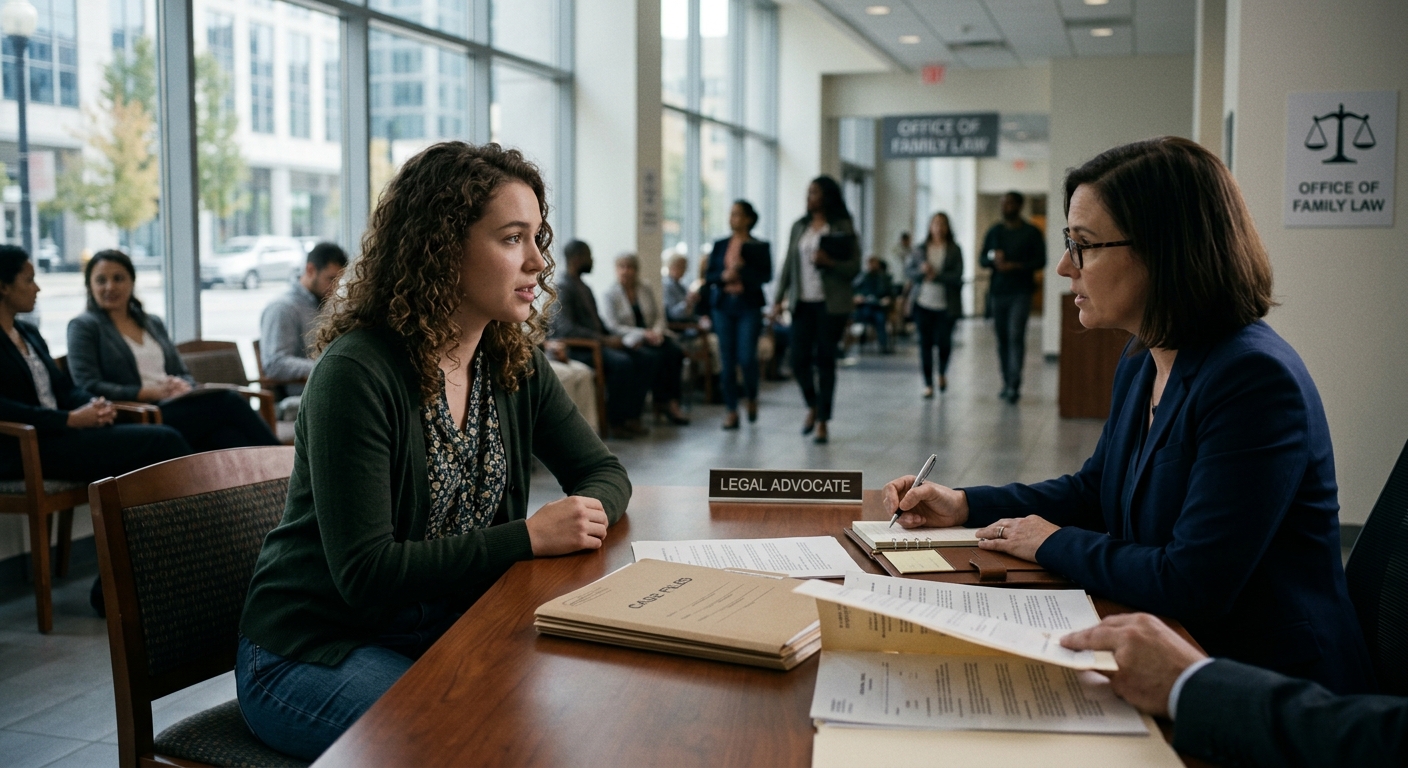
When a state removes a child from their biological family due to allegations of abuse or neglect, the government assumes a profound legal and moral responsibility. The ultimate goal of the child welfare system is to provide a safe, stable, and nurturing environment where youth can heal. Unfortunately, for thousands of vulnerable children nationwide, entering state custody introduces a new, deeply damaging form of system-induced trauma: severe placement instability. Instead of finding a consistent home, many children find themselves trapped in a bureaucratic nightmare, repeatedly bounced from one temporary bed to another.
As state agencies fail to correct these structural deficiencies on their own, child advocacy groups and civil rights attorneys have increasingly turned to the federal courts. By filing sweeping class-action lawsuits against state child welfare departments, advocates are demanding constitutional accountability, forcing system-wide reforms, and fighting to ensure that no child is re-victimizing by the very institution designed to protect them.
What is Placement Instability?
Placement instability occurs when a child in government custody is subjected to frequent, excessive moves between family foster homes, emergency shelters, group homes, or institutional facilities. While a single, planned move might sometimes be necessary to transition a youth to a specialized therapeutic setting or to reunite them with biological relatives, chronic instability represents a fundamental collapse of the child welfare safety net. This systemic failure manifests in several disturbing, highly disruptive practices that rob children of their basic dignity and sense of security:
- Night-to-Night Placements: Due to a severe lack of available licensed homes, caseworkers are frequently forced to check a child into a temporary foster home or shelter late at night, only to pick them up early the next morning because the bed is no longer available.
- Office Sleeping: When all placement options are utterly exhausted, youth are often left to sleep in child welfare agency offices. They spend the night on air mattresses, couches, or waiting room chairs while workers scramble to find a temporary spot for the following day.
- Hotel and Motel Stays: Rather than placing children in licensed, family-like settings, under-resourced agencies increasingly rely on commercial hotels. In these environments, rotating shift workers are paid to watch over the youth, offering zero emotional connection or long-term security.
The Psychological and Developmental Toll on Youth
The human cost of treating vulnerable children like logistical puzzle pieces is catastrophic. Research overwhelmingly demonstrates that chronic placement moves inflict severe emotional, cognitive, and psychological damage. Each time a child is forced to pack their belongings—often in nothing but black plastic trash bags—they experience a profound loss. Every move severs their vital connections with foster parents, teachers, friends, and therapists, compounding the intense abandonment they may have already felt from their initial removal from their biological family.
When children do not know where they will sleep from one week to the next, their developing nervous systems remain trapped in a constant state of “fight or flight.” This chronic hyperarousal floods the brain with cortisol, inhibiting healthy cognitive development and severely damaging the child’s capacity to form trusting attachments with adults. The educational impacts are equally devastating. Frequent moves inevitably lead to changing school districts, which causes foster youth to lose academic credits, fall behind their peers, and dramatically increases their likelihood of dropping out entirely.
According to peer-reviewed research published in medical journals such as Pediatrics, there is a heavily documented correlation between a child’s cumulative Adverse Childhood Experiences (ACEs) and their likelihood of experiencing foster care placement instability. The data reveals a grim reality: youth who enter the system having already survived profound trauma are ironically the most susceptible to being moved frequently. Without targeted, trauma-informed interventions, the system punishes these children for their complex behavioral needs, creating a vicious cycle of rejection and instability that pushes them closer to the juvenile justice system and chronic adult homelessness.
Systemic Failures: A Case Study in Florida’s Southern Region
To truly grasp the mechanics of this widespread crisis, one must intimately examine the specific conditions that trigger federal intervention. The child welfare system in South Florida prior to recent legal settlements serves as a prime case study. For years, the state faced an extreme, widely documented shortage of licensed foster homes across the region, particularly in high-demand areas. Because the state and its private contractors failed to adequately recruit and retain traditional foster families, a terrifying bottleneck occurred in the system.
This capacity bottleneck resulted in a human rights crisis for the children moving through the system. Court documents from federal litigation revealed staggering statistics: hundreds of children had endured 10 or more separate placements. Even more shockingly, some youth had been shuttled between 80 and 140 different homes, shelters, and facilities during their time in state custody. The sheer lack of available beds forced desperately overwhelmed caseworkers into inappropriate, dangerous stopgap solutions.
Infants and toddlers, who are in a highly critical window for neurological development and require the consistent bonding of a single caregiver, were warehoused in emergency group homes overseen by rotating shift workers. Meanwhile, older teenagers with behavioral health needs were kept in locked psychiatric facilities long after doctors had clinically cleared them for discharge, simply because the state had no therapeutic family homes available for them to step down into.
The Power of Civil Rights Litigation
When state legislatures and child welfare departments fail to correct dangerous structural deficiencies on their own, civil rights litigation often becomes the only viable mechanism to force change. By launching federal class-action lawsuits, advocacy groups can leverage the power of the judiciary to demand constitutional accountability. In these legal battles, plaintiffs typically argue that the state’s severe operational failures violate the substantive due process rights of foster youth under the Fourteenth Amendment of the United States Constitution.
By routinely subjecting vulnerable children to the trauma of excessive movement and deliberately denying them necessary mental health care, the state breaches its affirmative legal duty to protect the youth in its custody from harm.
Mandatory Benchmarks and Independent Audits
The landmark federal lawsuit aimed at the aforementioned crisis in South Florida culminated in a sweeping settlement agreement that did far more than issue a vague mandate for the state to improve. Instead, the legal settlement established strict, legally enforceable operational benchmarks. The state was ordered to impose a hard, mathematical cap on placement moves, stipulating that the overall rate of instability could not exceed a specific metric per thousand days in care. Furthermore, the agreement instituted an absolute prohibition on placing children in hotels, motels, or child welfare offices unless highly extraordinary circumstances were explicitly documented and signed off by executive-level regional directors.
Crucially, the settlement required the state to conduct comprehensive gap analyses to pinpoint the exact deficit of family homes and mental health professionals, followed by the immediate implementation of actionable, fully funded recruitment plans. To ensure these promises were not hollow, the court mandated the appointment of a neutral, independent auditor to meticulously track the state’s progress, validate its internal data, and report directly back to the judge. If the state agency failed to meet its legally binding benchmarks, the plaintiffs retained the powerful right to return to federal court and seek further enforcement actions.
Beyond Florida: A Nationwide Epidemic
While systemic reform in one region represents a monumental victory for children, the crisis of foster care placement instability is by no means confined to a single state. Legal summaries compiled by national organizations demonstrate that federal class-action lawsuits regarding extreme placement instability and lack of mental health care have been successfully waged across the United States.
In the Pacific Northwest, advocates sued state agencies over policies that effectively rendered foster youth homeless by systematically shuttling them between one-night motel stays and commercial office buildings. In the Midwest, major legal settlements have targeted the extreme movement of youth and the outright denial of critical community-based psychiatric care. These interconnected legal battles highlight a universal, nationwide reality: public child welfare systems are consistently underfunded, severely understaffed, and far too reliant on institutionalization.
Strategic Solutions to Fix the Foster Home Shortage
While class-action litigation successfully forces the issue into the public spotlight, actualizing long-term stability requires states to implement comprehensive, well-funded policy shifts. State agencies and their private contractors must pivot away from daily crisis management and adopt proactive, multi-pronged strategies to solve the foster home shortage and end the traumatic practice of bouncing youth.
- Targeted Foster Parent Recruitment: Agencies must move beyond generic advertising and actively recruit families who are specifically trained to care for older teenagers, large sibling groups, and children with complex behavioral health diagnoses.
- Enhanced Support for Caregivers: Foster parents frequently request the removal of a child when they feel overwhelmed and entirely unsupported by the agency. Providing 24/7 crisis intervention hotlines, adequate respite care, and immediate access to in-home therapies can prevent existing placements from suddenly disrupting.
- Reducing Caseworker Caseloads: High caseworker turnover is directly and inextricably linked to placement instability. When a child is assigned a new caseworker every few months, their case loses momentum and oversight. Dramatically reducing individual caseloads and increasing worker salaries are foundational steps to stabilizing the system.
- Expanding Community-Based Care: Building out robust step-down programs and intensive therapeutic networks keeps youth out of psychiatric lock-ups and emergency group homes, allowing them to safely heal in a less restrictive, family-oriented environment.
| Systemic Flaw | Legal & Policy Remedy |
|---|---|
| Severe shortage of licensed family foster homes. | Mandatory gap analyses and targeted recruitment for therapeutic homes. |
| Caseworkers utilizing hotels and offices for temporary housing. | Strict legal prohibitions and required executive sign-offs for emergency stays. |
| Youth cycling through dozens of temporary placements. | Enforceable placement move caps monitored by court-appointed neutral auditors. |
Frequently Asked Questions
What exactly is foster care placement instability?
It refers to the chronic, unplanned movement of a child in state custody between various foster homes, emergency shelters, and institutional facilities. Instead of securing a permanent home, the child is constantly transferred, sometimes experiencing dozens of separate placements in a single year.
Why do child welfare systems rely on “night-to-night” placements?
Night-to-night placements occur when a state agency suffers from a severe, systemic shortage of licensed foster homes. Lacking permanent beds, under-resourced caseworkers scramble daily to find any available space, resulting in vulnerable youth sleeping in a different temporary location almost every single night.
How does constant moving affect a foster child’s education?
Every placement change often necessitates a change in school districts. This forces the child to constantly adapt to new curriculums, lose critical transfer credits, and break relationships with supportive teachers, which dramatically lowers their statistical chances of achieving high school graduation.
How do federal lawsuits actually improve the child welfare system?
Federal civil rights lawsuits compel failing state agencies to adopt legally binding benchmarks. Through rigorous court oversight and the appointment of independent auditors, states are legally forced to reduce caseloads, halt the use of commercial hotels for housing, and drastically increase mental health funding.
Conclusion
Children enter the foster care system because they have already experienced profound loss, abuse, or neglect. To subject these highly vulnerable youth to further psychological trauma through systemic instability is an egregious violation of the public trust. As federal civil rights lawsuits across the country have conclusively demonstrated, relying on internal agency promises is rarely enough. Holding government agencies legally accountable through the judicial system is often the necessary, unavoidable catalyst for true, lasting reform. The ultimate mandate of any child welfare system must be to aggressively prioritize healing, prioritize permanence, and fiercely protect the fundamental right of every single child to a safe and stable home.
References
- Adverse Childhood Experiences and Foster Care Placement Stability — Pediatrics. 2020-08-01. This foundational study remains a definitive peer-reviewed resource on the relationship between childhood trauma and foster care disruptions. https://publications.aap.org/pediatrics/article/146/2/e20193852/77180/Adverse-Childhood-Experiences-and-Foster-Care
- H.G. v. Carroll — Children’s Rights. 2018-02-20. This official litigation summary is strictly cited to document the historical facts of the federal class-action lawsuit discussed. https://www.childrensrights.org/class_action/h-g-v-carroll/
- Justice for Children: Federal Lawsuit Settlement in South Florida Promises Major Reforms for Children in Foster Care — University of Miami News. 2019-03-26. This university publication is cited to establish the academic and factual record of the finalized 2019 settlement agreement. https://news.miami.edu/law/stories/2019/03/justice-for-children-federal-lawsuit-settlement-in-south-florida-promises-major-reforms-for-children-in-foster-care.html
- What is a summary of child welfare class-action litigation? — Casey Family Programs. 2019-10-31. This foundation report is utilized to provide necessary historical context regarding comparable nationwide systemic litigation. https://www.casey.org/class-action-litigation-summary/
Similar Articles








Read full bio of medha deb


