
Intoxication And Criminal Liability: What Defendants Should Know
How intoxication affects criminal liability, intent, and common misunderstandings in defense law.
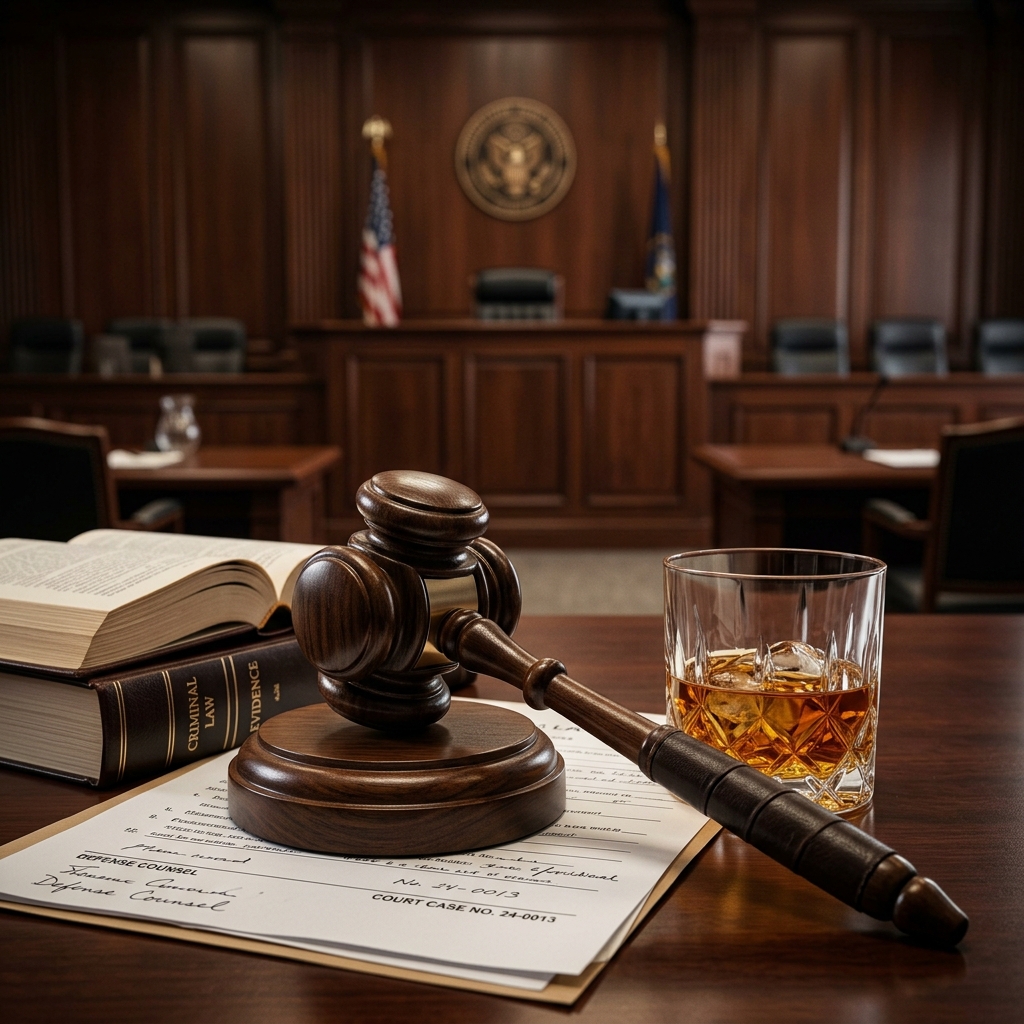
When Intoxication Does Not Excuse Criminal Conduct
A common misunderstanding in criminal law is that drunkenness can erase responsibility for breaking the law. In most cases, it does not. Courts generally do not treat voluntary intoxication as a full defense to a criminal charge, especially when the offense involves reckless behavior, violence, or driving under the influence.
That said, intoxication can still matter in some cases. It may affect how prosecutors prove intent, how a judge or jury views the facts, and whether a defendant can raise a limited defense to certain charges. The key point is that being impaired is not the same as being legally excused.
- Voluntary intoxication usually does not erase criminal liability.
- Intoxication may be relevant to intent for specific offenses.
- DUI and similar offenses often remain chargeable even at lower alcohol levels.
Why the Law Usually Holds People Accountable
Criminal law is built around the idea that people should answer for their choices. If someone chooses to drink or use drugs and then commits a crime, the law usually treats the decision to become impaired as part of the risk the person accepted. This is one reason courts are reluctant to let intoxication become a broad escape hatch.
Public policy also plays a role. If drunkenness could excuse most crimes, defendants could too easily avoid responsibility by claiming they were out of control after voluntarily consuming alcohol. The legal system therefore draws a distinction between impairment and legal excuse.
How Intoxication Can Affect Intent
Although intoxication is not a blanket defense, it can sometimes affect a prosecutor’s burden of proof. Many crimes require a specific mental state, often called intent. In those cases, a defendant may argue that intoxication prevented the formation of that intent.
This argument is more likely to arise in crimes that require planning, purpose, or knowledge. It is much less helpful for offenses based on reckless conduct or general wrongdoing. In other words, intoxication may sometimes create doubt about what the person meant to do, but it rarely eliminates the act itself.
| Type of offense | How intoxication may matter | Typical result |
|---|---|---|
| Specific-intent crime | May create doubt about whether the defendant formed the required intent | Possibly relevant, depending on the facts |
| General-intent crime | Usually not a strong defense | Intoxication often does not help |
| Strict-liability offense | Mental state is usually not a required element | Intoxication generally irrelevant |
Voluntary vs. Involuntary Intoxication
The law treats different kinds of intoxication differently. Voluntary intoxication means a person knowingly consumed alcohol or drugs. This is the most common situation, and it usually does not excuse a crime.
Involuntary intoxication is far less common and may involve being unknowingly drugged, taking medication without warning about its effects, or consuming a substance without awareness of its intoxicating nature. When intoxication is truly involuntary, the legal analysis changes because the person did not freely choose the impairment.
- Voluntary intoxication is usually not a full defense.
- Involuntary intoxication may support a defense in limited situations.
- The facts matter, especially what the defendant knew and when.
What Happens in DUI and Drunk Driving Cases
Driving under the influence is one of the clearest examples of why intoxication is not a defense. In many jurisdictions, a person can be charged based on a prohibited blood alcohol concentration, impaired driving, or both. The fact that the driver was drinking is not a shield; it is the very reason for the charge.
Many DUI cases turn on evidence such as the traffic stop, the officer’s observations, field sobriety tests, and chemical testing. A defense lawyer may challenge whether police had a lawful reason to stop the car, whether the tests were administered correctly, or whether the machine was properly maintained. These are procedural and evidentiary defenses, not claims that drunkenness itself should excuse the conduct.
Common DUI defense themes
- The traffic stop lacked reasonable suspicion.
- Field sobriety tests were given or scored improperly.
- Breath or blood testing equipment was inaccurate or poorly calibrated.
- Medical conditions or environmental factors affected performance.
- The reported alcohol level did not reflect the driver’s condition at the time of driving.
Why Some People Think Being Drunk Should Help Their Case
People often assume intoxication should matter because it affects judgment, memory, and self-control. That intuition has some truth, but criminal law is more precise than everyday reasoning. The law does not ask whether a person was acting poorly; it asks whether the prosecution can prove the required elements of the offense.
In practice, intoxication may explain behavior without excusing it. A person may remember little, make irrational decisions, or behave aggressively after drinking, but those facts do not automatically prevent a conviction. Courts focus on legal standards, not sympathy for bad decisions.
How Prosecutors Respond to an Intoxication Argument
When a defendant claims intoxication, prosecutors often point to surrounding evidence showing purposeful conduct. Witness testimony, text messages, planning, concealment, flight, or repeated acts may all suggest the person was still capable of acting knowingly or intentionally. Even when alcohol is involved, those facts can support the state’s case.
Prosecutors may also argue that the defendant’s conduct was reckless or dangerous regardless of intent. If the offense does not require a highly specific state of mind, intoxication generally has little effect on the outcome.
When Intoxication Might Reduce, Not Eliminate, Exposure
Even when intoxication does not defeat a charge, it may still influence the case in indirect ways. It may affect plea negotiations, sentencing arguments, or the decision to charge a lesser offense. A defense attorney may use the surrounding facts to argue that the conduct was less deliberate than the prosecution claims.
That does not mean intoxication is a free pass. Instead, it may be one factor among many that shapes the final result. The strength of the evidence, the seriousness of the offense, and the defendant’s record usually matter far more.
Practical Differences Between Criminal Charges and DMV Consequences
In drunk driving cases, criminal court and administrative consequences often move on separate tracks. A person may face license suspension, ignition interlock requirements, fines, or treatment obligations even before the criminal case ends. Administrative agencies can impose penalties based on refusal or failure of chemical testing, independent of whether the driver later fights the criminal charge.
This is another reason intoxication is not a defense. The law often treats impaired driving as a public safety issue that can trigger immediate consequences even before a full trial.
What a Defense Lawyer Usually Looks For
A defense lawyer does not usually argue, “My client was drunk, so the case should disappear.” Instead, counsel looks for legal and factual weaknesses in the government’s proof. That may include stopping issues, unreliable testing, chain-of-custody problems, lack of probable cause, witness inconsistencies, or improper police procedure.
In some cases, the defense may also examine whether an alleged intoxication-related statement was voluntary, whether the accused understood their rights, or whether medication or a medical condition created a misleading picture of impairment.
Examples of Legal Issues That May Matter More Than Intoxication
- Whether law enforcement had a lawful basis to detain the suspect.
- Whether the evidence was collected and preserved correctly.
- Whether a crime required proof of a specific intent the state cannot show.
- Whether the defendant’s conduct was misinterpreted by witnesses or police.
- Whether the accused has a viable constitutional challenge to the search or seizure.
Frequently Asked Questions
Can being drunk ever be a defense to a crime?
Only in limited situations. It may matter when the prosecution must prove a particular mental state and intoxication creates reasonable doubt about that element. It is not usually a full defense.
Does intoxication excuse violent or reckless conduct?
Usually no. Courts generally do not excuse assault, reckless endangerment, or similar conduct simply because the person had been drinking.
Is drunk driving different from other crimes?
Yes. DUI laws specifically target impairment, prohibited alcohol levels, or both. Drinking is not a defense in a DUI case; it is often the basis for the charge.
Can a person be convicted if they do not remember the event?
Yes. Memory loss does not prevent a conviction if the prosecution can prove the elements of the offense through other evidence.
What is the biggest mistake people make about intoxication and criminal charges?
The biggest mistake is assuming impairment automatically creates legal excuse. In reality, intoxication usually affects evidence, not accountability.
What the Law Is Really Saying
The underlying rule is straightforward: choosing to become intoxicated generally does not give someone permission to break the law. At most, intoxication may influence how a case is charged, argued, or proven. It does not wipe away the conduct or the consequences that follow.
For that reason, anyone facing a criminal charge after drinking should focus less on the idea that intoxication is a defense and more on whether the police followed the law, whether the evidence is reliable, and whether the prosecution can prove each required element beyond a reasonable doubt.
References
- DUI Defense Strategies — FindLaw. 2024-01-01. https://www.findlaw.com/dui/cases/defenses-to-drunk-driving.html
- Driving Under the Influence (DUI) in Connecticut — Connecticut Department of Motor Vehicles. 2026-01-01. https://portal.ct.gov/dmv/licenses-permits-ids/license-suspension/driving-under-influence
- Defenses to DUI & DWI Charges Under the Law — Justia. 2024-01-01. https://www.justia.com/criminal/drunk-driving-dui-dwi/handling-a-dui-stop/drunk-driving-defenses/
- Connecticut DUI Attorney | Fairfield County Drunk Driving Defense — Allan F. Friedman Law. 2024-01-01. https://www.allanffriedmanlaw.com/dui-dwi.html
- Connecticut OUI Laws — NCDD. 2024-01-01. https://www.ncdd.com/connecticut-oui-laws
Similar Articles








Read full bio of medha deb




