
Domestic Violence Awareness Month: Why October Matters
Explore the history, legal context, warning signs, and practical ways to support survivors during Domestic Violence Awareness Month and beyond.
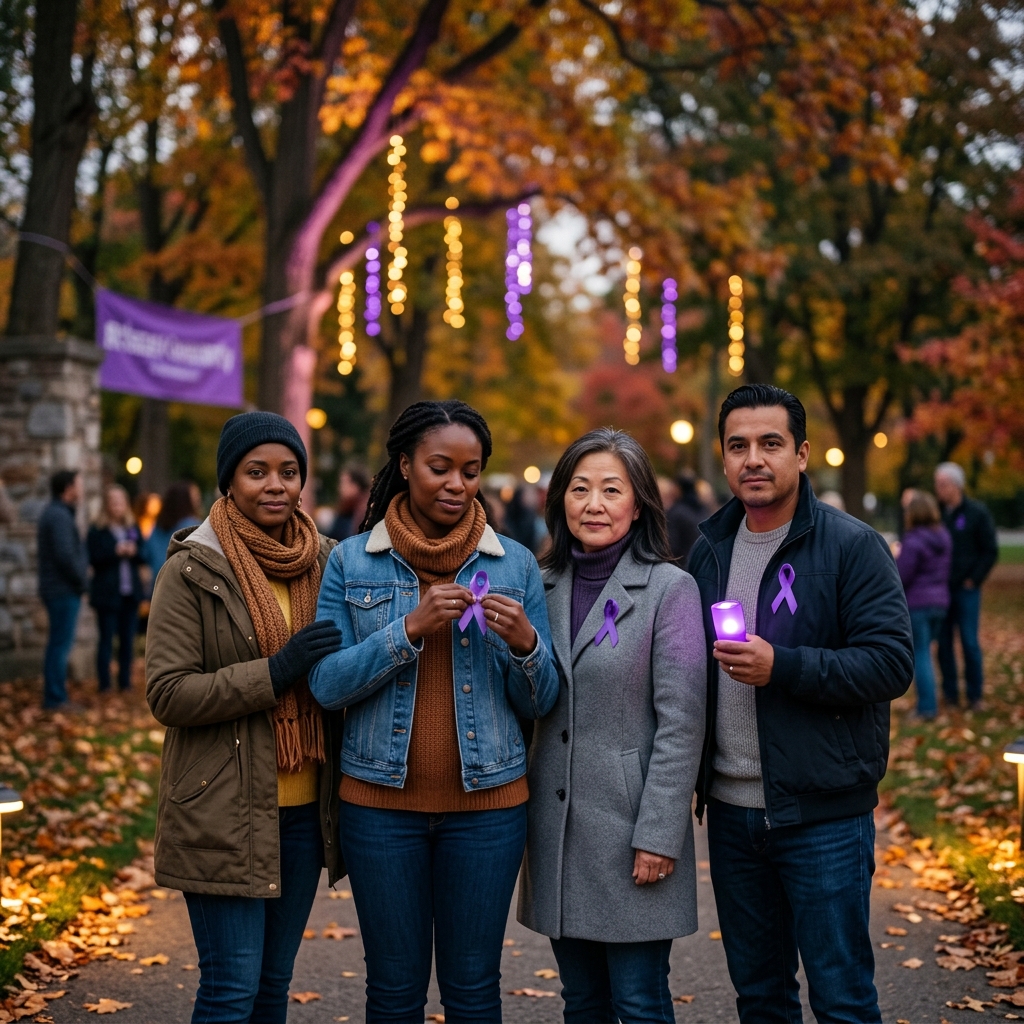
Every October, communities across the United States highlight Domestic Violence Awareness Month as a time to recognize survivors, remember victims, and strengthen efforts to end abuse in all its forms. While a single month cannot solve a systemic problem, it provides a powerful focal point for education, advocacy, and healing.
This article explains how October became Domestic Violence Awareness Month, outlines the dynamics and warning signs of abuse, explores key legal protections, and offers practical ways individuals and communities can support survivors all year long.
How October Became Domestic Violence Awareness Month
Domestic violence activism in the United States grew out of the broader movement to address violence against women and children in the late 20th century. Advocates pushed for shelters, legal reforms, and public recognition that abuse is not a private family matter but a serious human rights and public safety issue.
From Day of Unity to National Awareness
In the early 1980s, advocacy groups began organizing a Day of Unity in October to bring together local and national organizations working to end domestic violence. Over time, this single day expanded into a full month of coordinated events and campaigns designed to:
- Increase public understanding of domestic and dating violence
- Highlight resources available to victims and survivors
- Encourage policy reform and better enforcement of existing laws
- Honor those who have lost their lives to abuse
In 1989, the U.S. Congress formally designated October as National Domestic Violence Awareness Month, cementing its role as a recurring national observance. Each year, many organizations adopt a shared theme—recently, “With Survivors, Always”—to emphasize survivor-centered approaches and collective responsibility.
Understanding Domestic Violence: Beyond Physical Harm
Domestic violence is more than isolated incidents of physical aggression. It is typically a pattern of behaviors used by one person to exert power and control over another in an intimate, family, or household relationship. Recognizing its full scope is essential for effective prevention and response.
Forms of Abuse
Abuse can be visible or hidden. Common forms include:
- Physical abuse — hitting, choking, shoving, restraining, or using weapons.
- Emotional and psychological abuse — insults, humiliation, threats, gaslighting, and isolation.
- Sexual abuse — coercion or force in any sexual activity, including marital rape.
- Economic abuse — controlling access to money, sabotaging employment, or imposing extreme financial dependence.
- Technological abuse — monitoring phones or social media, using GPS tracking, or online harassment.
This spectrum of behaviors often operates together to keep the victim fearful, controlled, and cut off from support.
Prevalence and Impact
Domestic violence is prevalent in every community, affecting people of all genders, ages, races, socioeconomic backgrounds, and sexual orientations. Research in the United States consistently shows high lifetime rates of intimate partner violence, with significant consequences such as physical injury, chronic health problems, mental health conditions, and economic instability.
The National Domestic Violence Awareness Month observance underscores this reality by emphasizing that domestic violence is not a rare or private issue but a widespread public health and human rights concern.
Recognizing Warning Signs of Abuse
Many people experiencing abuse do not immediately recognize it as domestic violence, especially when the harm is primarily emotional or financial. Awareness Month campaigns often focus on helping the public understand common warning signs so friends, family, and professionals can respond earlier and more effectively.
Behavioral Red Flags in a Partner
While no single behavior proves abuse, certain patterns are cause for concern:
- Extreme jealousy, possessiveness, or constant accusations of cheating
- Monitoring phone, email, or social media and demanding passwords
- Insisting on knowing where the partner is at all times
- Isolating the partner from friends, family, or work colleagues
- Belittling, insulting, or humiliating the partner in private or public
- Threatening self-harm or harm to others if the partner leaves
- Destroying personal property or hurting pets
- Refusing to respect boundaries around sex or reproductive choices
These behaviors often escalate, particularly when the abusive partner feels their control is being challenged, such as during a breakup or major life transition.
Signs a Loved One May Be Experiencing Abuse
Friends, relatives, and co-workers may notice changes that suggest someone is living with abuse:
- Unexplained injuries or vague explanations for frequent accidents
- Visible anxiety around messaging or calling their partner
- Cancellation of plans at the last minute under pressure
- Loss of contact with social networks or family
- Sudden changes in work performance or attendance
- Expressions of fear about making their partner “angry”
Domestic Violence Awareness Month encourages people to take these signals seriously and approach loved ones with care rather than judgment.
Legal Protections and the Role of the Law
Domestic violence is a crime in every U.S. state, and a range of civil and criminal remedies exist to protect victims and hold offenders accountable. Awareness efforts in October often highlight the legal system’s role and its limits, encouraging survivors to seek both legal and non-legal supports.
Key Legal Tools
Although procedures vary by jurisdiction, common legal protections include:
| Legal Tool | Primary Purpose | Typical Features |
|---|---|---|
| Protective / restraining orders | Limit contact by an abusive person | May prohibit contact, require distance, address firearms, and protect children |
| Criminal charges | Hold offenders accountable for violent or coercive acts | Can involve arrest, prosecution, sentencing, and post-conviction conditions |
| Family law remedies | Address custody, visitation, and financial support | Courts may consider abuse in custody and visitation decisions |
| Immigration relief | Protect noncitizen victims dependent on abusive sponsors | Includes specific visas and self-petition options under federal law |
Because the legal landscape is complex, many survivors benefit from consulting attorneys or legal advocates experienced in domestic violence cases.
Accessing Legal Assistance
During Domestic Violence Awareness Month, many organizations highlight free or low-cost legal resources. National and local programs provide:
- Information on how to obtain protective orders
- Support in navigating criminal proceedings
- Advice on custody, housing, and financial issues related to abuse
- Guidance for immigrant survivors facing additional legal barriers
For example, online legal information platforms focusing on domestic violence and family law offer materials in multiple languages and connect survivors with lawyers or advocates who understand the intersection of safety and legal rights.
Supporting Survivors: Practical Steps for Individuals
Awareness campaigns consistently emphasize that everyone has a role in supporting survivors and challenging abuse. The most effective responses are survivor-centered, trauma-informed, and respectful of autonomy.
Listening Without Judgment
If someone confides in you about abuse, your response can significantly affect whether they seek further help. Good practices include:
- Believe them — avoid questioning their story or minimizing the harm.
- Validate their feelings — acknowledge that mixed emotions, including love, fear, guilt, and hope, are common.
- Avoid victim-blaming — do not ask why they stayed or suggest they caused the abuse.
- Let them decide next steps — respect their judgment about what is safest, even if you wish they would leave immediately.
Abuse removes control from victims; supportive conversations should help restore that sense of control rather than impose new demands.
Offering Concrete Help
Emotional support is essential, but practical assistance can also make a critical difference. Examples include:
- Helping with childcare, transportation, or safe storage of important documents
- Assisting with pets when leaving an abusive home is complicated by animal care
- Sharing information about hotlines, shelters, and legal resources
- Being a safe contact person if they need to check in during a transition
Domestic Violence Awareness Month often highlights simple acts—such as knowing hotline numbers or understanding how to respond to disclosures—that anyone can learn and offer.
Community Action and Public Events in October
Local governments, schools, nonprofits, and advocacy coalitions use October to organize events that make domestic violence visible, promote solidarity, and provide information. These activities help shift the narrative from private suffering to collective responsibility.
Common Awareness Month Activities
Examples of widely used engagement strategies include:
- Walks and rallies honoring survivors and victims, often featuring speakers and resource tables.
- Educational workshops on consent, healthy relationships, and bystander intervention.
- Purple campaigns, such as “Purple Thursday,” where people wear purple to symbolize commitment to ending domestic violence.
- Social media campaigns sharing survivor-centered messages and safety information.
- Vigils and remembrance events for those who have died as a result of domestic violence.
These events help survivors feel seen and supported, while reaching people who may not otherwise engage with domestic violence issues.
The Symbolism of Purple
Purple is widely recognized as the color associated with domestic violence awareness, representing courage, survival, honor, and personal dedication to ending abuse. Wearing purple during October is a simple statement of solidarity and a prompt for conversations that might not otherwise occur.
Resources for Immediate Help and Ongoing Support
Domestic Violence Awareness Month messaging consistently stresses that help is available year-round, not only in October. National hotlines and local service providers offer crisis intervention, safety planning, advocacy, and referrals to shelters or community programs.
Hotlines and Crisis Support
National crisis hotlines provide free, confidential assistance 24 hours a day, seven days a week. Trained advocates can:
- Help assess immediate safety risks
- Collaborate on personalized safety plans
- Offer emotional support and validation
- Connect callers to local shelters, counseling, and legal services
These services operate via phone, text, and online chat, making them accessible to people who cannot safely make a phone call or who prefer written communication.
Local Service Providers
Across the country, domestic violence programs provide a network of supports, including:
- Emergency shelter and longer-term housing assistance
- Support groups and individual counseling for survivors and their children
- Legal advocacy and court accompaniment
- Economic empowerment services, such as job readiness or financial counseling
- Specialized programs for youth, LGBTQ+ survivors, and immigrant communities
October’s awareness campaigns often highlight these local resources, encouraging people to familiarize themselves with options in their own region.
Frequently Asked Questions about Domestic Violence Awareness Month
Is Domestic Violence Awareness Month only about women?
No. While women are disproportionately affected, domestic violence can impact people of any gender. Awareness Month emphasizes that abuse is unacceptable in all relationships, including those involving men, nonbinary people, and LGBTQ+ partners.
Why focus on one month instead of the whole year?
Domestic violence work continues year-round, but dedicating October as Domestic Violence Awareness Month helps concentrate public attention, funding, and media coverage. This concentration increases visibility, encourages collaboration, and creates a recurring moment for reflection and action.
What can workplaces do during Domestic Violence Awareness Month?
Workplaces can host training on recognizing and responding to domestic violence, review policies regarding leave and confidentiality, share information about employee assistance programs, and participate in awareness activities like wearing purple or supporting local events.
How can I support a friend who is not ready to leave?
Leaving can be dangerous and complicated. You can support by listening without judgment, respecting their decisions, sharing information about resources, and offering practical help such as transportation or childcare when they choose to take specific steps.
Does Domestic Violence Awareness Month have an official theme?
Many years feature a national theme developed by advocacy coalitions, such as “With Survivors, Always,” to emphasize survivor-centered and community-focused approaches. Individual organizations may also create their own slogans or focus areas.
References
- National Domestic Violence Awareness Month — National Child Traumatic Stress Network. 2023-10-01. https://www.nctsn.org/resources/public-awareness/national-domestic-violence-awareness-month
- October is Domestic Violence Awareness Month — New York State Office for the Prevention of Domestic Violence. 2023-10-01. https://opdv.ny.gov/october-domestic-violence-awareness-month
- Domestic Violence Awareness Month (DVAM) — National Domestic Violence Hotline. 2024-10-01. https://www.thehotline.org/stakeholders/domestic-violence-awareness-month/
- October Is Domestic Violence Awareness Month — Everytown Support Fund. 2023-10-01. https://everytownsupportfund.org/october-is-domestic-violence-awareness-month/
- October: Dating/Domestic Violence Awareness Month — Stanford University SHARE. 2023-10-01. https://share.stanford.edu/education-and-outreach/education-and-outreach-programs/awareness-months/october-datingdomestic
- Domestic Violence Awareness — Texas Council on Family Violence. 2023-10-01. https://tcfv.org/awareness/
- DVAM 2025: With Survivors, Always — Domestic Violence Awareness Project. 2025-10-01. https://www.dvawareness.org/WithSurvivors
Similar Articles








Read full bio of medha deb


