
The Hidden Crisis: Combating Sexual Harassment in Housing
Defend your rights and combat housing-based sexual harassment today.
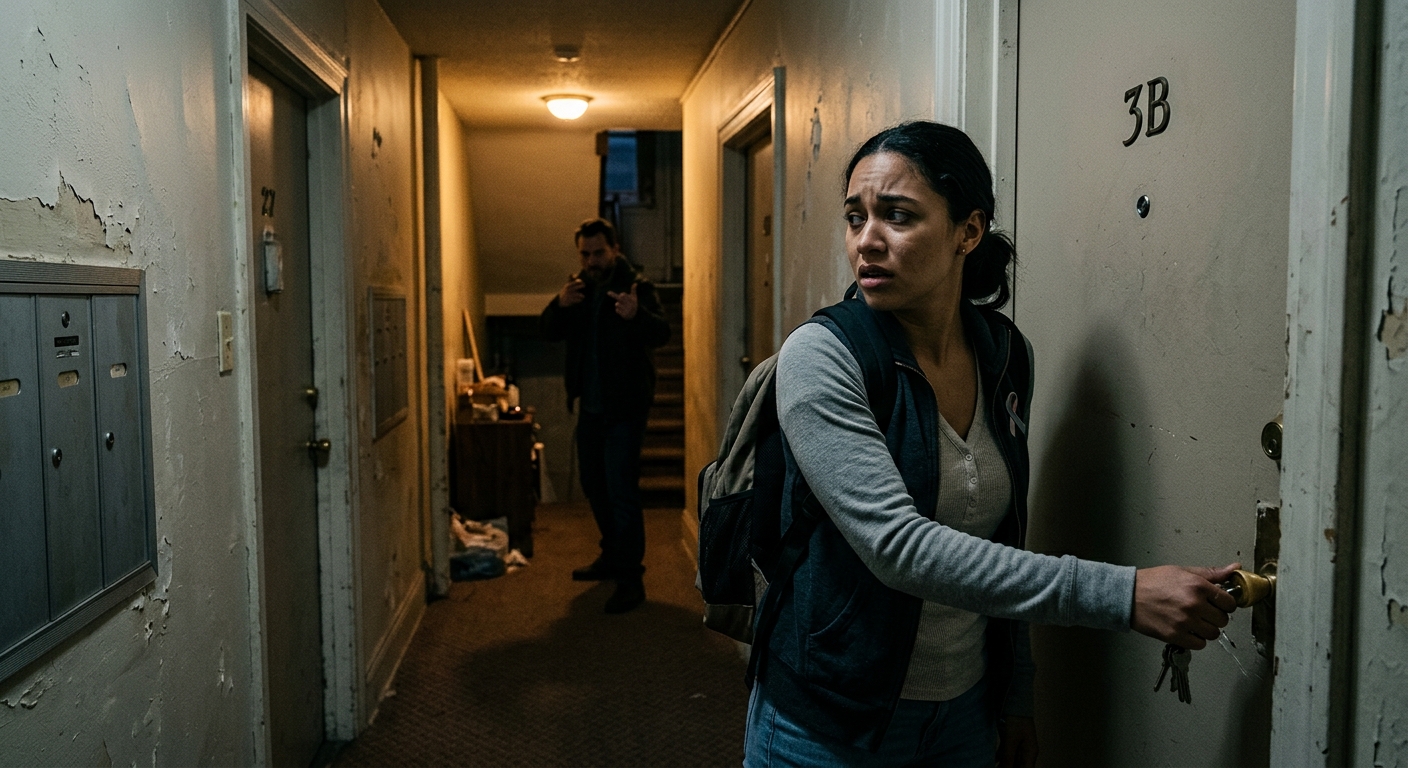
For the vast majority of individuals, the concept of home is fundamentally tied to safety, security, and peace of mind. It is the one place where a person is supposed to be free from the anxieties and pressures of the outside world. However, for a disturbing number of renters across the United States, this sanctuary is transformed into a daily nightmare due to sexual harassment perpetrated by landlords, property managers, and maintenance personnel. When the very individuals entrusted with providing and maintaining shelter weaponize their authority to exploit tenants, it creates a profound crisis that compromises both civil rights and basic human dignity.
Despite being explicitly illegal, housing-based sexual harassment remains a pervasive and underreported epidemic. Abusers operate in the shadows of power imbalances, utilizing the fundamental human need for shelter as leverage to coerce, intimidate, and assault. Dismantling this systemic abuse requires a comprehensive understanding of the legal frameworks designed to protect tenants, an awareness of the insidious tactics used by perpetrators, and a commitment to empowering survivors with actionable strategies to reclaim their homes and hold their abusers accountable.
Decoding the Legal Landscape: The Fair Housing Act
To effectively combat sexual harassment in the housing sector, one must first understand the legal scaffolding that exists to protect renters. The primary federal shield against this form of abuse is Title VIII of the Civil Rights Act of 1968, commonly known as the Fair Housing Act (FHA). The FHA explicitly prohibits discrimination in the sale, rental, and financing of dwellings based on race, color, religion, national origin, familial status, disability, and sex. Over the decades, federal courts and regulatory bodies have firmly established that sexual harassment is a direct form of sex-based discrimination.
In 2016, the U.S. Department of Housing and Urban Development (HUD) issued a critical Final Rule that formally codified the standards for evaluating harassment claims under the FHA. This landmark regulatory update provided much-needed clarity, ensuring that both property owners and tenants understand the strict liabilities involved. Under these federal standards, housing providers are not only responsible for their own discriminatory actions but can also be held vicariously liable for the actions of their employees or third-party agents—such as maintenance workers or leasing agents—if they knew or should have known about the harassment and failed to take prompt, corrective action.
Identifying the Abuse: Two Primary Legal Standards
Sexual harassment in residential settings generally manifests in two distinct, legally recognized forms. Understanding the difference between these two categories is essential for victims and advocates seeking to build a compelling legal case against abusive housing providers.
The Quid Pro Quo Dynamic
The Latin phrase quid pro quo translates to ‘something for something.’ In the context of housing, this occurs when a housing provider conditions a rental agreement, maintenance service, or the avoidance of penalties on the tenant’s submission to unwanted sexual advances. This is an explicit abuse of transactional power. A landlord might, for instance, offer to waive a late rent fee, approve a lease application, or finally repair a broken heater in exchange for sexual favors. Alternatively, they may threaten to initiate eviction proceedings or report a tenant to immigration authorities if their sexual demands are rejected. Because the basic human need for shelter is held hostage, quid pro quo harassment is exceptionally coercive.
The Hostile Living Environment
A hostile environment is created when a housing provider, or their agent, engages in pervasive, severe, and unwelcome sexual conduct that fundamentally interferes with a tenant’s right to peacefully enjoy their dwelling. Unlike quid pro quo harassment, a hostile environment does not necessarily require a direct transactional demand. Instead, the abuse is characterized by its frequency and intensity. This can include continuous sexually explicit comments, non-consensual touching, stalking, sending unsolicited intimate photographs, or utilizing master keys to enter a tenant’s apartment without proper notice or justifiable cause. When a renter is terrified to leave their bedroom or walk down their own hallway, the law recognizes this as a profound deprivation of their housing rights.
Comparing the Two Standards
| Feature | Quid Pro Quo Harassment | Hostile Environment Harassment |
|---|---|---|
| Core Definition | Trading housing benefits for sexual favors, or threatening negative action for refusal. | Severe or pervasive sexual conduct that ruins the tenant’s ability to enjoy their home. |
| Transactional Nature | Highly transactional. Direct demands are made. | Non-transactional. Focuses on the psychological and physical environment. |
| Examples | Waiving rent for sex; refusing repairs unless sexual demands are met. | Relentless sexual remarks, unannounced entry, stalking, unwanted touching. |
| Legal Burden | Requires proof that a housing benefit was explicitly or implicitly conditioned on sex. | Requires proof that the conduct was severe or pervasive enough to alter tenancy conditions. |
The Weaponization of Eviction and Poverty
The core mechanism that allows housing-based sexual harassment to thrive is the extreme asymmetry of power between landlord and tenant. Property owners control a resource that is absolutely vital for survival. In an era marked by a severe shortage of affordable housing, skyrocketing rental costs, and lengthy waitlists for federal housing assistance, the threat of losing one’s home is catastrophic.
Abusers are acutely aware of the housing market’s volatility. They know that marginalized tenants cannot simply break a lease, afford sudden moving costs, and find a new, affordable apartment overnight. The threat of eviction is frequently weaponized to silence victims. An eviction on a tenant’s record can completely destroy their credit and render them virtually un-rentable to future landlords, effectively pushing them into homelessness. This weaponization of poverty forces many victims into a horrific psychological trap where they must endure relentless abuse just to keep a roof over their family’s heads.
Who Bears the Brunt? Intersectionality in Housing Discrimination
While sexual harassment can happen to anyone, the data consistently shows that it does not impact all demographics equally. Abusers are opportunistic predators who deliberately target individuals they perceive as vulnerable, isolated, or lacking the resources to fight back. Consequently, housing-based sexual harassment is deeply intertwined with other forms of systemic discrimination, a concept known as intersectionality.
Low-income women, single mothers, and women of color are disproportionately targeted by abusive landlords. Additionally, individuals who rely on federal housing vouchers (such as Section 8) often face unique vulnerabilities, as corrupt housing inspectors or property managers may threaten to revoke their subsidies. Undocumented immigrants are also heavily victimized; abusers frequently use the threat of calling Immigration and Customs Enforcement (ICE) as a mechanism of supreme coercion. Furthermore, LGBTQ+ individuals—particularly transgender women of color—often report severe harassment and sexual violence from housing providers. The National Fair Housing Alliance (NFHA) consistently highlights in its annual trends reports that sexual harassment claims frequently intersect with race and national origin discrimination, proving that abusers exploit multi-layered vulnerabilities.
The Chilling Effect: Why Survivors Suffer in Silence
Despite the robust legal protections outlined in the Fair Housing Act, a staggering number of sexual harassment cases in residential settings go completely unreported. The barriers to justice are immense and deeply intimidating. Foremost among these is the intense fear of retaliation. Even though the FHA explicitly outlaws retaliatory actions against tenants who report discrimination, the reality is that the legal system is slow, and the threat of immediate homelessness is fast.
Survivors often fear that if they speak out, their utilities will be shut off, they will be subjected to frivolous lease violation notices, or they will be given terrible references that prevent them from securing future housing. Furthermore, navigating the civil rights legal system requires significant emotional endurance. Without guaranteed access to free legal representation in civil matters, many low-income tenants feel overwhelmed by the prospect of fighting a wealthy property owner in federal court. This chilling effect allows serial harassers to victimize multiple tenants over the course of years without ever facing legal consequences.
A Blueprint for Tenant Empowerment
Breaking the cycle of abuse requires taking decisive, calculated steps. If you or someone you know is experiencing sexual harassment from a housing provider, it is crucial to transition from a defensive posture to an empowered, legally protected stance. Here is a blueprint for taking action:
- Document Everything Meticulously: Start a contemporaneous log of every harassing incident. Record the date, time, location, and specific details of what was said or done. Save all text messages, voicemails, emails, and notes from the abuser. Do not delete any communication, no matter how disturbing it may be, as this is critical evidence.
- Establish Firm Boundaries in Writing: If it is safe to do so, communicate to the landlord in writing (via certified mail or email) that their sexual advances are unwelcome and must stop immediately. Clearly state that they may only enter the apartment with proper legal notice (usually 24 to 48 hours, depending on state law) and only for legitimate maintenance reasons.
- Refuse Isolation: Abusers thrive in isolation. Tell trusted friends, family members, or neighbors about the harassment. Not only does this build a support system, but these individuals can also serve as corroborating witnesses in a future legal proceeding. Never meet with the abuser alone behind closed doors.
- File a Formal Complaint: Tenants can file a housing discrimination complaint directly with the U.S. Department of Housing and Urban Development (HUD). Furthermore, the Department of Justice (DOJ) operates a specific Sexual Harassment in Housing Initiative designed to aggressively pursue landlords who systematically abuse tenants.
- Seek Specialized Legal Aid: Contact a local fair housing organization, a tenant’s union, or a legal aid society. Many of these non-profit organizations offer free legal representation to low-income tenants facing civil rights violations and can help navigate the complexities of filing federal lawsuits.
Systemic Reforms Needed to Protect Renters
While empowering individual tenants is crucial, ending housing-based sexual harassment requires aggressive systemic reform. Local and state governments must enact stricter licensing requirements for property managers and landlords, including mandatory, recurring anti-harassment training. Municipalities should establish comprehensive rental registries that track civil rights complaints, allowing authorities to easily identify and penalize serial offenders. Additionally, governments must drastically increase funding for fair housing organizations and HUD enforcement programs to ensure that every complaint is swiftly and thoroughly investigated. Finally, expanding right-to-counsel laws in eviction courts would prevent abusive landlords from using the threat of eviction to silence survivors, leveling the legal playing field for vulnerable renters.
Frequently Asked Questions (FAQ)
Does the Fair Housing Act apply to all types of housing?
The FHA covers the vast majority of housing in the United States, including private rentals, public housing, and subsidized housing. There are a few very narrow exemptions, such as owner-occupied buildings with four or fewer units (often called the ‘Mrs. Murphy’ exemption), but even these are often covered by stricter state or local anti-discrimination laws.
What if the harasser is a maintenance worker, not the property owner?
Under the FHA, a property owner or management company can be held vicariously liable for the discriminatory actions of their employees or agents. If a maintenance worker is harassing you, and the landlord knew or should have known about it but failed to take immediate corrective action, the landlord can be sued for the violation.
Can my landlord legally evict me for rejecting their sexual advances?
Absolutely not. Evicting a tenant for refusing sexual demands is a textbook example of quid pro quo sexual harassment and is a severe violation of the Fair Housing Act. Retaliation against a tenant for asserting their fair housing rights is also a separate, punishable federal offense.
How long do I have to file a formal complaint?
Under the federal Fair Housing Act, you generally have one year from the date of the last harassing incident to file an administrative complaint with HUD. If you choose to file a civil lawsuit directly in federal or state court, you typically have two years from the date of the last incident. However, it is always best to document and report the abuse as soon as safely possible.
What kind of compensation might a survivor receive in a lawsuit?
Victims who successfully prove sexual harassment in housing may be entitled to a variety of remedies. This can include out-of-pocket expenses (like moving costs or security deposits), compensation for emotional distress and psychological trauma, and in cases of egregious abuse, punitive damages designed to punish the landlord. Additionally, courts can mandate policy changes and anti-harassment training for the housing provider.
References
- Sexual Harassment in Housing Initiative — U.S. Department of Justice. 2023-08-10. https://www.justice.gov/crt/sexual-harassment-housing-initiative
- Quid Pro Quo and Hostile Environment Harassment and Liability for Discriminatory Housing Practices Under the Fair Housing Act — Federal Register / U.S. Department of Housing and Urban Development. 2016-09-14. https://www.federalregister.gov/documents/2016/09/14/2016-21868/quid-pro-quo-and-hostile-environment-harassment-and-liability-for-discriminatory-housing-practices
- 2024 Fair Housing Trends Report — National Fair Housing Alliance (NFHA). 2024. https://nationalfairhousing.org/resource/2024-fair-housing-trends-report/
Similar Articles








Read full bio of medha deb




