
Choosing Will Witnesses: Who Qualifies and Who to Avoid
Learn who can legally witness a will, who should be avoided, and how to choose reliable witnesses for your estate plan.
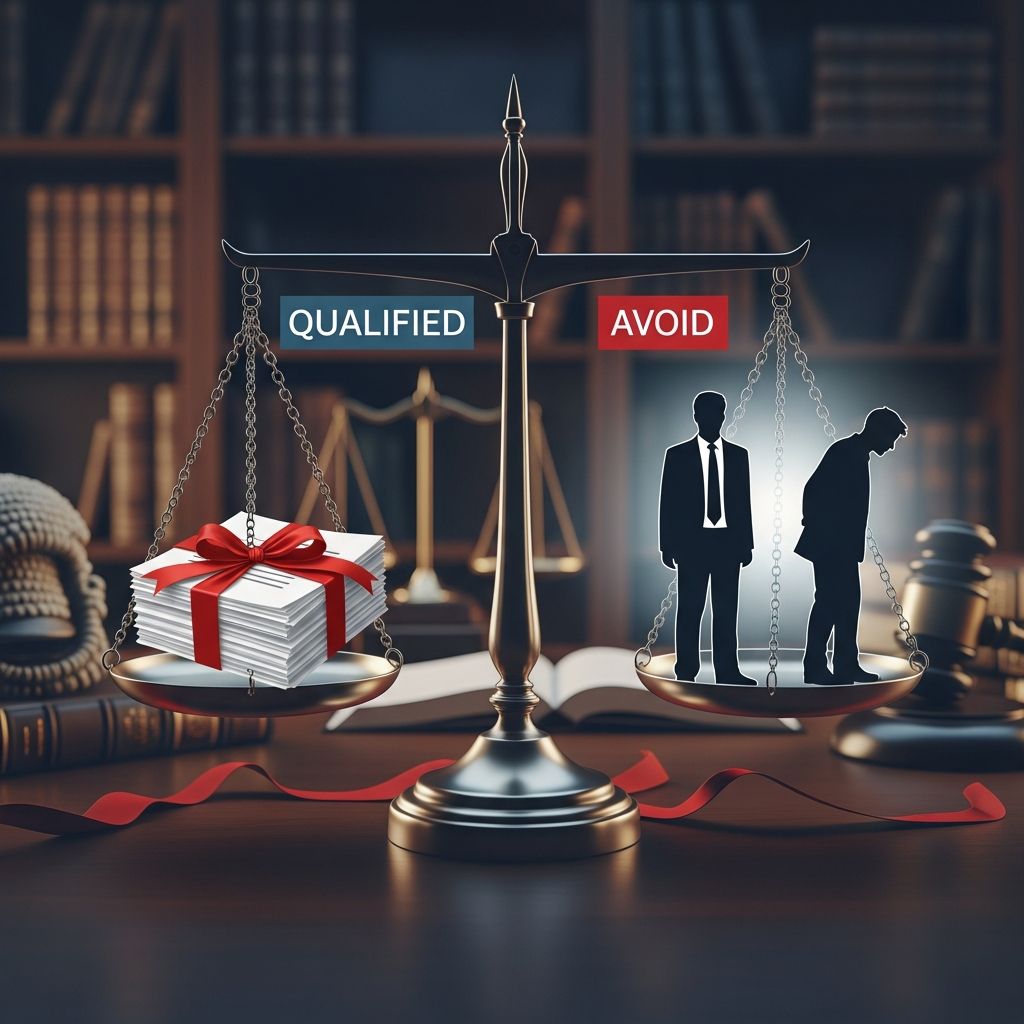
Why Witnesses Matter in a Will
Creating a last will and testament is one of the most important steps in managing your estate. But a will is not just a personal document—it’s a legal instrument that must meet specific formalities to be valid. One of the most critical of these is the requirement for witnesses.
Witnesses serve as independent observers who confirm that the will was signed voluntarily, that the person signing it (the testator) was of sound mind, and that the document being signed is indeed their will. Without properly qualified witnesses, even the most carefully drafted will can be challenged or invalidated, leaving your estate subject to state intestacy laws instead of your own wishes.
Basic Legal Requirements for Will Witnesses
While state laws vary, most jurisdictions in the United States follow similar core rules for will witnesses. These rules are designed to ensure that the will is authentic and that the testator was acting freely and with full understanding.
Age and Legal Capacity
Witnesses must be legal adults, which in most states means they must be at least 18 years old. A minor cannot serve as a witness, even if they are otherwise responsible or mature. The law treats this as a bright-line rule: if a witness is under the age of majority, the witnessing requirement is not satisfied.
In addition, witnesses must be of sound mind at the time of signing. This does not mean they need to be experts in law or finance, but they must be able to understand what they are doing—namely, that they are watching someone sign a will and that their own signature confirms that fact. Someone who is severely mentally impaired, heavily medicated, or otherwise unable to comprehend the act should not be asked to witness a will.
Number of Witnesses
Most states require at least two witnesses to sign a will. A few states allow for holographic (handwritten) wills that may not require witnesses, but these are the exception and often come with additional risks. For a standard typed will, two witnesses are the norm.
It is not enough for two people to sign the will at different times or in different locations. Both witnesses must be present at the same time when the testator signs the document, or at least when the testator acknowledges that the signature is theirs. This shared presence helps prevent disputes about whether the will was actually signed in front of them.
Who Should Not Serve as a Witness
Even if someone meets the basic legal criteria—age and mental capacity—there are strong practical and legal reasons to avoid certain individuals as witnesses.
Beneficiaries and Their Close Relatives
The most important rule is to avoid using anyone who is named in the will as a beneficiary. This includes:
- Spouses and domestic partners
- Children, grandchildren, and other direct heirs
- Friends or relatives who are left money, property, or specific items
- Anyone related to a beneficiary (in some states, this can disqualify the gift)
When a beneficiary also serves as a witness, it creates a conflict of interest. A court may question whether the beneficiary influenced the testator or pressured them into including certain provisions. In some states, if a beneficiary witnesses the will, their inheritance may be voided, though the rest of the will can still be valid. Even in states without that strict rule, it opens the door to challenges and delays in probate.
Executors and Guardians
While not always prohibited by law, it is generally unwise to use your nominated executor or guardian as a witness. These individuals already have a significant role in carrying out your wishes, and adding the role of witness can blur the lines of impartiality. If a dispute arises, their dual role may be used to argue that they had undue influence over the testator.
People with Visual or Cognitive Impairments
A witness must be able to see the testator sign the will or acknowledge their signature. Someone who is blind or has severe vision problems may not be able to reliably confirm that the signature is genuine. Similarly, someone with significant cognitive decline or dementia should not be asked to witness, as they may not be able to testify later about the circumstances of the signing.
Individuals Likely to Predecease You
Witnesses may be called upon during probate to testify about the signing of the will. If a witness dies before the testator, it can be harder to prove that the will was properly executed. For this reason, it is often recommended to choose witnesses who are younger than you and in good health, so they are more likely to be available if needed.
Who Makes a Good Will Witness?
Once you know who to avoid, the next step is identifying who would make a strong, reliable witness. The ideal witness is someone who is:
- Over 18 and mentally competent
- Not a beneficiary or closely related to a beneficiary
- Trustworthy and willing to be contacted later if necessary
- Available and likely to outlive the testator
Friends and Neighbors
Close friends or neighbors who are not related to you and do not stand to inherit anything are often excellent choices. They are usually familiar enough with you to recognize your signature and demeanor, but distant enough from your estate that their impartiality is not in question.
Coworkers and Professional Associates
Colleagues or professional contacts (such as a doctor, accountant, or financial advisor) can also serve as witnesses, as long as they are not beneficiaries. These individuals often have a professional reputation to uphold, which can add credibility to their testimony if the will is ever challenged.
Attorneys and Other Legal Professionals
An attorney who helps draft your will can usually serve as a witness, provided they are not also a beneficiary. In fact, having a lawyer as one of the witnesses can strengthen the will’s credibility, since the court may give more weight to the testimony of someone with legal training. However, it is still best practice to have at least one non-lawyer witness to avoid any appearance of a closed loop.
Practical Steps for Selecting and Using Witnesses
Choosing witnesses is not just about legal compliance—it’s also about practical planning. Here are some steps to follow when arranging for your will to be signed.
Plan Ahead
Do not wait until the last minute to find witnesses. Identify two or three potential witnesses in advance and confirm that they are willing to help. Make sure they understand that they may be contacted years later during probate.
Ensure Proper Signing Procedure
When the time comes to sign the will, follow these steps:
- Have both witnesses present at the same time.
- Clearly state that the document being signed is your last will and testament.
- Sign the will in their presence (or acknowledge a prior signature).
- Have each witness sign the will, usually on a designated witness line.
- Consider adding a self-proving affidavit, which is a notarized statement that the will was signed voluntarily and with testamentary capacity. This can simplify the probate process in many states.
Document Witness Information
Keep a separate record of your witnesses’ names, addresses, and contact information. Store this with your estate planning documents or give it to your executor. This makes it easier for the executor to locate the witnesses if they are needed during probate.
Common Mistakes to Avoid
Even small errors in the witnessing process can undermine the validity of a will. Here are some of the most frequent mistakes and how to avoid them.
Using a Beneficiary as a Witness
This is the single most common error. It may seem convenient to have a spouse or child witness the will, but it can lead to serious complications. If a beneficiary witnesses the will, their gift may be at risk, and the entire will may be challenged on grounds of undue influence.
Signing in Different Locations or Times
Witnesses must be present when the testator signs or acknowledges the will. If one witness signs today and another signs next week, the will may not meet the legal requirements. Always have all witnesses together at the same time.
Failing to Verify Mental Capacity
Witnesses are expected to confirm that the testator appeared to be of sound mind and not under pressure. If the testator is confused, disoriented, or being pressured by someone else, the witnesses should not sign. In such cases, it is better to delay the signing until the testator is clearly capable of making decisions.
Not Using a Self-Proving Affidavit
In many states, a self-proving affidavit can be attached to the will and signed by the testator and witnesses in front of a notary. This affidavit states that the will was signed voluntarily and that the testator was of sound mind. With a self-proving affidavit, the witnesses may not need to appear in court, which can speed up probate and reduce costs.
What Happens If Witnesses Are Invalid?
If a will is signed with improper witnesses, the consequences can be serious, even if the rest of the will is well-drafted.
Will Challenges and Disputes
An improperly witnessed will is more vulnerable to challenges from disgruntled heirs. They may argue that the testator was not of sound mind, was under undue influence, or did not actually sign the document. Without credible, disinterested witnesses, it can be difficult to rebut these claims.
Partial or Total Invalidation
In some states, if a beneficiary serves as a witness, only that beneficiary’s gift may be voided. In others, the entire will may be set aside, and the estate distributed according to state intestacy laws. This can result in assets going to people the testator never intended to benefit.
Delays and Costs in Probate
Even if the will is ultimately upheld, disputes over witnesses can lead to lengthy court proceedings. Legal fees, court costs, and delays in distributing assets can significantly reduce what is left for the beneficiaries.
State-Specific Considerations
While most states require two disinterested adult witnesses, there are important variations. For example:
| State | Witness Requirement | Special Rules |
|---|---|---|
| California | 2 witnesses, 18+ | Witnesses must be present at signing; beneficiaries as witnesses may void their gift |
| Texas | 2 witnesses, 14+ | Beneficiaries as witnesses may invalidate their gift |
| Massachusetts | 2 witnesses, 18+ | Beneficiaries can witness but strongly discouraged; self-proving affidavit recommended |
| Florida | 2 witnesses, 18+ | Witnesses must sign in presence of testator and each other; self-proving affidavit standard |
Because of these differences, it is important to consult an estate planning attorney in your state to ensure that your will and its witnesses comply with local law.
Frequently Asked Questions
Can my spouse witness my will?
Legally, in many states, a spouse can sign as a witness. However, because spouses are almost always beneficiaries, it is strongly discouraged. Using a spouse as a witness can lead to challenges and may result in their inheritance being reduced or voided.
Can a friend who lives in another state be a witness?
Yes, as long as they meet the age and capacity requirements of your state. However, consider whether they will be available and willing to testify if needed. A local witness may be more practical for probate purposes.
Do witnesses need to read the will?
No. Witnesses do not need to read or understand the contents of the will. Their role is to confirm that the testator signed the document in their presence and appeared to be of sound mind and acting voluntarily.
What if a witness dies before the testator?
If a witness dies before the testator, it can make it harder to prove the will’s validity, but it does not automatically invalidate the will. A self-proving affidavit can help in this situation by providing a notarized record of the signing.
Can I use a notary instead of witnesses?
No. A notary public cannot replace witnesses. However, a notary can notarize a self-proving affidavit that is signed by the testator and witnesses, which can make the probate process smoother.
Can a beneficiary witness if there are two other witnesses?
In some states, if there are more than the minimum number of witnesses and a beneficiary also signs, the beneficiary’s gift may still be at risk. It is safest to avoid using any beneficiary as a witness, even if there are additional witnesses.
References
- Uniform Probate Code § 2-502 — National Conference of Commissioners on Uniform State Laws. 2010 (amended). https://www.uniformlaws.org/
- Massachusetts General Laws Chapter 190B, § 2-502 — Commonwealth of Massachusetts. https://malegislature.gov/
- California Probate Code § 6110 — State of California. https://leginfo.legislature.ca.gov/
Similar Articles








Read full bio of Sneha Tete


