
Can You Get A DUI On A Horse? State-By-State Guide Explained
A practical look at how state DUI laws can reach horseback riders, and where the law draws the line.
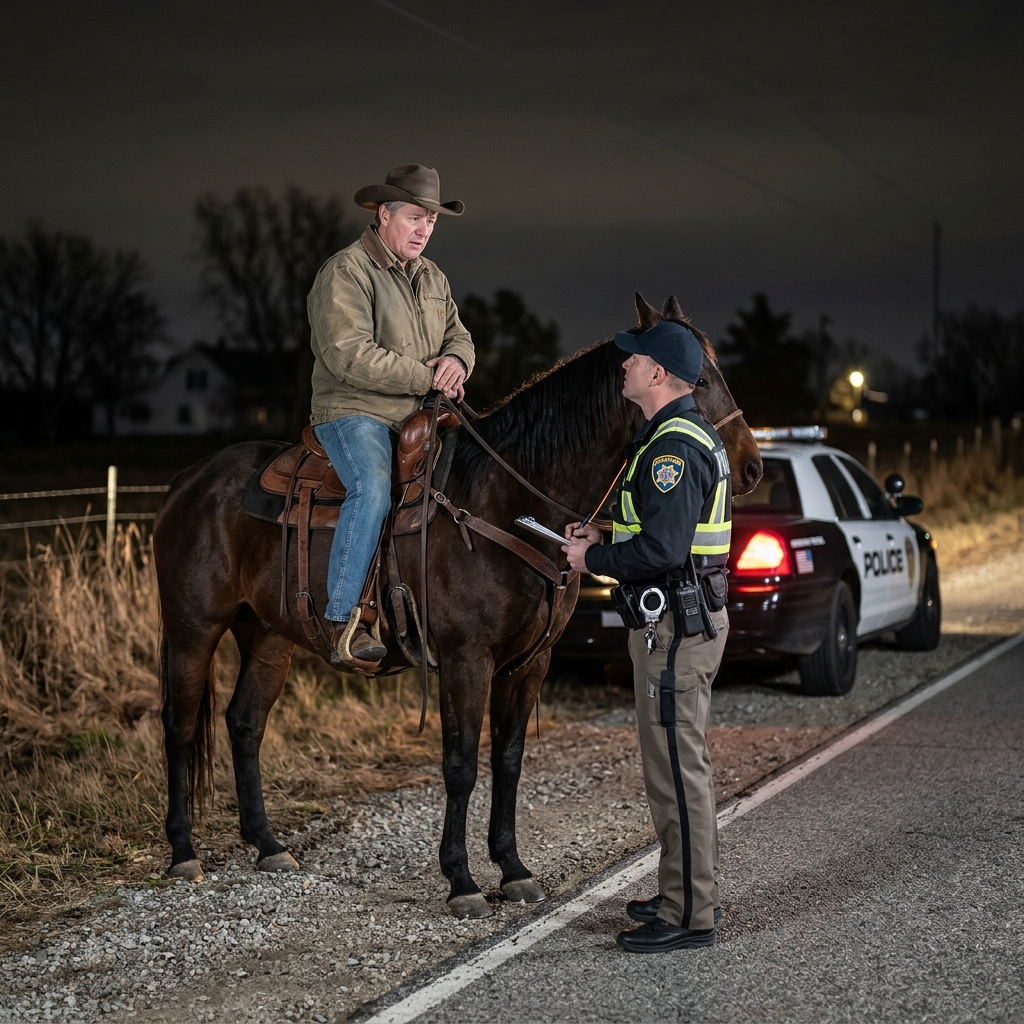
Can a Drunk Rider Face DUI Charges?
The short answer is that yes, in some states, a person can face DUI-style charges while riding a horse after drinking. The legal outcome depends on how a state defines a vehicle, how its traffic laws treat animals on roadways, and whether prosecutors view the rider as operating something covered by the DUI statute.
That does not mean every intoxicated rider will be charged the same way everywhere. In some jurisdictions, horseback riding falls within traffic rules that apply to road users generally. In others, the law is narrower and focuses on motor vehicles, which can leave prosecutors looking at different offenses instead of DUI.
Why the Answer Changes From State to State
DUI laws are not written identically across the country. Some statutes are broad enough to reach unusual forms of transportation, while others are limited to motorized vehicles. That distinction matters because a horse is not a car, truck, or motorcycle, but it may still be treated as a road user in some places.
The key questions are usually these:
- Does the DUI statute apply to a vehicle generally, or only to a motor vehicle?
- Does state traffic law say that a person riding an animal on a roadway has the same duties as a driver?
- Has the state’s case law interpreted those terms to include horses or other animal-powered travel?
If the answer to those questions is yes, a drunk rider may be exposed to a DUI charge. If the answer is no, other offenses may still be available.
How Traffic Laws Can Pull Horses Into the Picture
Many people assume DUI law is only about cars, but that is not always true. Some states have traffic provisions that treat horseback riders as users of the road with duties similar to drivers. Once that happens, a horse can become legally relevant even though it is not mechanically powered.
This is why the legal analysis often begins with the traffic code rather than the DUI statute alone. A state may not mention horses in the drunk-driving section, yet still apply general road rules to riders. In that situation, a prosecutor may argue that operating a horse on a public roadway while impaired creates the same public safety risk as driving a vehicle while impaired.
States that have taken this approach are typically focusing on risk rather than machinery. The issue is not whether the rider is behind a steering wheel, but whether the person is controlling a moving presence on public roads while intoxicated.
Where Charges Are More Likely
States with broader language in their traffic and DUI laws are more likely to support an arrest or charge involving a horse. In those states, law enforcement may treat a rider on a roadway much like any other impaired road user. The exact charge can vary, but DUI is more plausible when the legal definition of operating a vehicle is expansive.
By contrast, states that limit DUI to motor vehicles often make it harder to prosecute horseback riding as a DUI offense. In those jurisdictions, the rider may still be detained or cited, but the charge is more likely to be something other than DUI.
| State law style | Possible result for a drunk rider |
|---|---|
| Broad traffic and vehicle definitions | DUI or similar alcohol-related driving charge may apply |
| Motor-vehicle-only DUI statutes | DUI may not apply, but other offenses still may |
| Ambiguous or mixed language | Outcome depends on local statutes, case law, and prosecutorial discretion |
Why Public Roads Matter
Where the rider is located also matters. A horse being ridden on a public roadway raises different issues than a horse on private land or a closed riding trail. Public roads are where traffic safety laws are most likely to apply, because the rider is sharing space with cars, cyclists, pedestrians, and other roadway users.
That is why intoxicated riding on a highway, street, or shoulder can create legal exposure even in states that do not expressly mention horses in their DUI laws. The public setting strengthens the argument that law enforcement has authority to intervene when a rider appears impaired and potentially dangerous.
Other Charges That May Apply Instead of DUI
Even where a DUI charge is unavailable, riding while intoxicated can still create serious legal problems. Prosecutors may use other laws to address the conduct, especially if the rider is acting dangerously, disrupting traffic, or mistreating the animal.
- Public intoxication, when the person is visibly impaired in a public place.
- Disorderly conduct, if the behavior creates a disturbance or public safety concern.
- Reckless endangerment, if the rider’s conduct puts others at risk.
- Animal cruelty or animal endangerment, if the horse is exposed to unsafe conditions.
- Traffic violations, if the rider disobeys roadway rules.
Those charges can be significant even when they do not carry the same label as DUI. A rider who avoids a DUI conviction may still face arrest, fines, court appearances, and possible collateral consequences.
What Prosecutors and Police Look At
In practice, officers and prosecutors usually consider the total situation. They may ask whether the rider was visibly intoxicated, whether the horse was on a roadway, whether the animal appeared controlled, and whether the conduct created danger for the public or the horse itself.
Relevant facts can include:
- How much alcohol the rider consumed
- Whether the rider could safely control the horse
- Whether the horse was on a road, shoulder, or sidewalk area
- Whether the rider nearly collided with vehicles or pedestrians
- Whether the horse appeared agitated, exhausted, or unsafe
These details matter because they can influence both the legal theory and the seriousness of the charge.
Why the Same Behavior Can Be Treated Differently in Different States
The biggest reason for inconsistent outcomes is statutory language. Some states write DUI law around operation of a vehicle, while others focus on public safety more broadly. Courts may also interpret similar wording in different ways, especially when the law was drafted with cars in mind and later applied to unusual facts.
That is why a rider who would not face DUI charges in one state might be charged in another. The same horse, the same level of intoxication, and the same roadway can produce different legal consequences simply because the governing law is different.
This also means online advice should be treated cautiously. General statements such as “you can always get a DUI on a horse” or “you can never get one” are too simple. The actual answer depends on local law, and sometimes on how a court has previously interpreted the statute.
Practical Risks Beyond the Criminal Case
Even if criminal exposure is uncertain, horseback riding after drinking can still create major problems. A horse is a living animal with its own reactions, and impaired judgment can lead to falls, traffic incidents, injuries, or harm to the animal. A rider may believe the horse is calm and manageable, but intoxication can reduce reaction time and judgment at exactly the moment those skills matter most.
There are also civil and administrative consequences. If a rider causes an accident, injuries, or property damage, that person may face lawsuits or insurance issues. If the horse is injured or placed in unsafe conditions, there may be additional scrutiny from animal welfare authorities.
A Closer Look at the Legal Logic
The law often asks a basic question: was the person in control of a moving thing on a public road while impaired? If the answer is yes, some states are willing to treat that conduct like impaired driving, even if the “vehicle” is unconventional.
That does not mean horses are identical to motor vehicles. They clearly are not. But legal systems often classify conduct based on risk and control, not just mechanical design. A rider who cannot safely guide a horse can still pose danger to others, and that risk is what motivates many prosecutions.
At the same time, courts may be reluctant to expand criminal law beyond the text of the statute. If a DUI law plainly targets only motor vehicles, judges may refuse to stretch it to horses. In those places, prosecutors may need to rely on other laws instead.
Frequently Asked Questions
Can you get a DUI on a horse everywhere?
No. The answer depends on the state. Some jurisdictions allow DUI-type charges for horseback riding under the influence, while others do not because their statutes are limited to motor vehicles.
Can police stop a rider they think is drunk?
Yes, if the rider is on a public roadway or otherwise creating a safety issue. Officers can investigate intoxication and may use local laws to determine whether an arrest or citation is appropriate.
If DUI does not apply, does that mean there are no consequences?
No. Public intoxication, disorderly conduct, reckless endangerment, traffic violations, and animal cruelty laws may still apply depending on the facts and the state.
Does it matter whether the horse is on a road or a trail?
Yes. Public roadways are more likely to trigger traffic-related enforcement. A private trail or private property may raise different legal issues, though intoxicated conduct can still lead to other problems.
Is the horse itself treated like a vehicle?
Not in the ordinary sense. But some states’ traffic laws may treat a rider on a horse as a roadway user with duties similar to a driver, which can make DUI laws relevant.
What This Means for Riders
The safest legal assumption is simple: if alcohol has impaired your judgment, do not ride a horse on public roads. The law may or may not call it DUI where you live, but the risk of arrest, injury, and other charges is real.
If you are trying to understand your exposure after an incident, local law matters more than general internet advice. A state’s wording, court decisions, and enforcement practices will determine whether a horseback-riding arrest becomes a DUI case or a different type of offense.
References
- Can You Get a DUI for Riding a Horse Drunk in Georgia? — Bourne Law. 2025. https://www.bourne.law/blog/horse-dui/
- Can You Get a DUI On a Horse? – FindLaw — FindLaw. 2024. https://www.findlaw.com/dui/charges/can-you-get-a-dui-on-a-horse.html
- Can You Get A DUI On A Horse In California — Attorney Scott Henry. 2025. https://topcriminallawfirm.com/can-you-get-a-dui-on-a-horse-in-california/
- Can You Really Get a DWI on a Horse in Texas? — BHW Law Firm. 2024. https://www.bhwlawfirm.com/can-you-really-get-a-dwi-on-a-horse-in-texas-a-viral-question-and-a-real-answer/
- Can You Get a DUI on a Horse? Here’s What You Need to Know — RoadGuard Interlock. 2025. https://roadguardinterlock.com/blog/uncategorized/can-you-get-a-dui-on-a-horse-heres-what-you-need-to-know/
Similar Articles








Read full bio of medha deb




