
Buying a Newly Built Home: Legal and Practical Guide
Understand contracts, warranties, inspections, and legal protections before purchasing a newly constructed home from a builder.
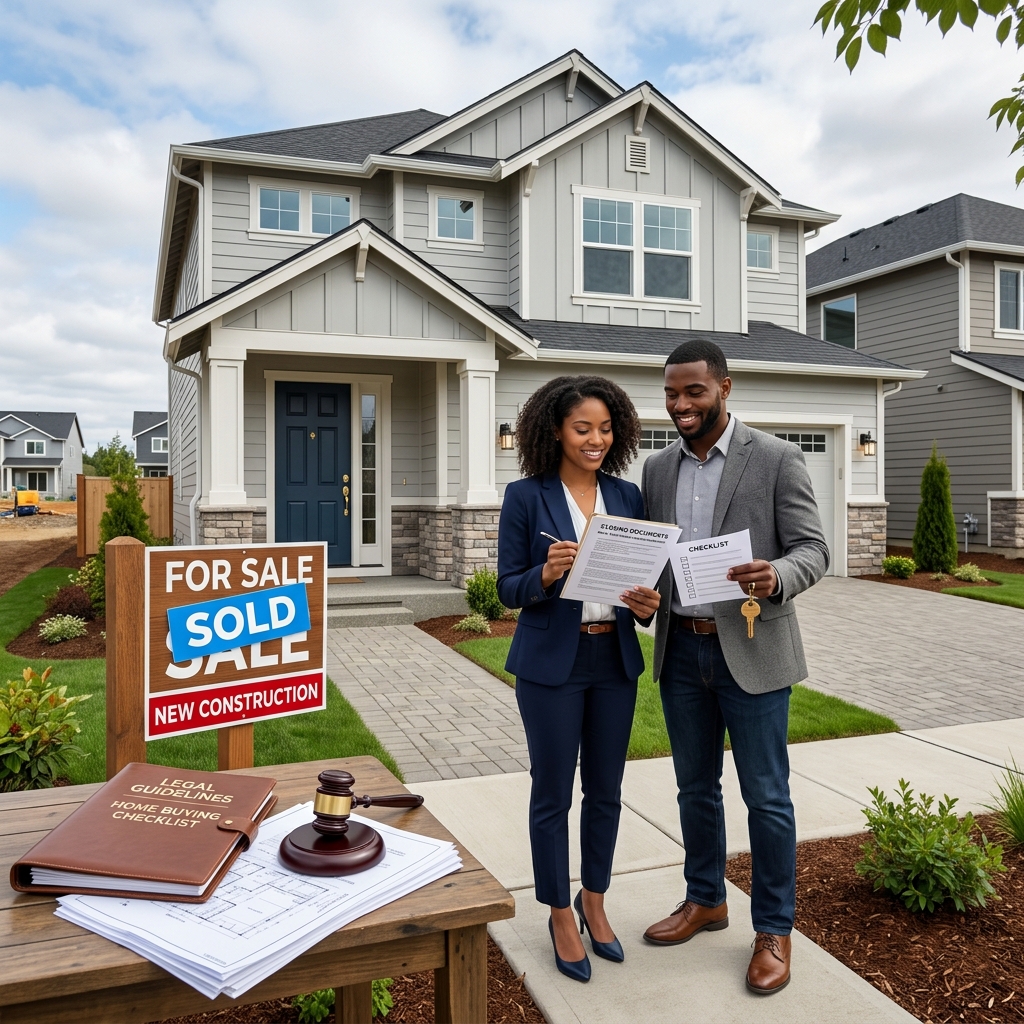
New construction can be attractive: modern layouts, energy-efficient systems, and the satisfaction of being the first occupant. Yet buying a newly built home is legally more complex than purchasing an existing property, because you are dealing with construction quality, builder obligations, and a contract that often favors the developer. This guide explains the key legal and practical issues to consider so you can approach a new-build purchase with confidence.
Why New Construction Is Different from Resale Homes
When you buy an existing home, you are purchasing a completed structure that has a history, prior occupants, and usually an established record of maintenance. With new construction, you are often buying from plans or an unfinished house, and relying heavily on the builder’s promises and contract terms. That shifts risk and requires more attention to documents than cosmetic features.
- Builder is the primary decision-maker: In many developments, the builder controls design options, timelines, and closing procedures.
- Contract forms are builder-drafted: Unlike standard real estate forms, new home contracts often originate from the builder’s lawyers and may tightly limit buyer remedies.
- Construction quality issues emerge later: Problems with foundations, roofs, or plumbing may not be apparent until months or years after move-in.
- Warranties replace some traditional disclosures: Builders typically offer written warranties instead of extensive property histories.
Because of these differences, new construction purchases should be approached more like a business transaction with a contractor than a simple home sale.
Understanding the Builder’s Contract
The builder’s contract is the centerpiece of a new construction deal. It sets price, specifications, completion dates, and what happens if something goes wrong. Unlike many resale transactions that use standardized forms, new-build contracts can vary widely between builders and communities.
Common Features of New Construction Contracts
Typically, the contract will include specific provisions about the property, construction process, and dispute resolution. Pay close attention to these elements:
- Specifications and plans: Attachments describing materials, finishes, appliances, and structural details.
- Change order terms: Rules for upgrades or alterations in design and pricing.
- Completion and closing dates: Target dates, extension clauses, and language about delays.
- Remedies for defects: Procedures for claims, limits on types of damages, and required notice.
- Arbitration or mediation provisions: Clauses requiring private dispute resolution instead of court.
Contracts may also include broad disclaimers of implied warranties or representations. Several state laws regulate how far builders can go in limiting legal protections, so buyers should review these clauses carefully.
Negotiating Unfavorable Terms
Builders often present contracts as non-negotiable, but some provisions may be adjusted, especially in less competitive markets. Consider requesting modifications where clauses heavily favor the builder, such as:
- More specific completion timelines and clearer definitions of “substantial completion.”
- Reasonable caps on delay extensions for weather or supply issues.
- Expanded rights to inspect during construction.
- Less restrictive limitations on damages for serious structural problems.
Having a private real estate attorney review the builder’s contract before signing can reveal risks you might not notice, such as binding arbitration requirements or strict deadlines for making claims.
Warranties and Legal Protections for New Homes
Because new homes lack long-term performance history, warranties play a crucial role. Builder warranties are often divided into different categories with varying durations, especially for structural issues.
Types of Warranties You May Encounter
| Warranty Type | Typical Coverage | Common Duration |
|---|---|---|
| Workmanship & Materials | Finishes, drywall, doors, trim, basic construction quality | 1 year (varies by builder and jurisdiction) |
| Systems | Plumbing, electrical, HVAC, major mechanical systems | Often 2 years or similar period |
| Structural | Foundations, load-bearing walls, roof structure, framing | Up to 10 years in many programs or statutes |
Some states provide statutory warranties that automatically apply to new residential construction, creating minimum standards regardless of contract language. Others rely more on common law implied warranties, such as an implied warranty of habitability or good workmanship.
Key Steps to Make Warranties Work for You
- Get the warranty document in writing: Oral assurances by sales staff may not be enforceable.
- Track deadlines: Many warranties require notice of defects within specific timeframes.
- Follow claim procedures: Comply with steps for reporting issues and allowing inspection or repair.
- Keep records: Save photos, emails, and invoices related to defects and repairs.
If a builder fails to honor warranty obligations, homeowners may have claims under state consumer protection laws, home buyer protection statutes, or general contract principles, depending on jurisdiction.
Inspections for New Construction: Why They Still Matter
New homes often look flawless at first glance, but construction defects can be hidden behind walls or under concrete. Professional inspections are therefore just as important for new builds as they are for older homes. Regulators and consumer advocates consistently emphasize the need for independent inspections even on newly built properties.
Types of Inspections to Consider
- Pre-drywall inspection: Occurs before walls are closed, allowing the inspector to evaluate framing, electrical rough-in, plumbing lines, and insulation placement.
- Final inspection: Conducted before closing to check systems performance, appliances, exterior drainage, and code compliance.
- Warranty-expiration inspection: Scheduled near the end of the primary warranty period to identify issues while repairs are still covered.
Some builders resist inspections during construction, but buyers can often secure inspection rights by including them in the contract. Local building departments also perform code inspections, yet those focus on minimum standards and may not catch every issue affecting long-term durability.
Common Defects Found in New Homes
Inspectors and consumer agencies frequently report issues such as:
- Poor drainage or grading leading to water intrusion.
- Improperly installed roofing or flashing.
- Uneven foundations or slab cracks.
- HVAC systems not balanced properly, causing hot and cold spots.
- Missing or misplaced insulation, reducing energy efficiency.
Identifying these problems before closing gives you leverage to demand proper repairs, rather than facing extensive costs later.
Financing and Closing Issues Unique to New Builds
Lenders treat new construction somewhat differently from existing homes, especially when buyers commit before completion. You may encounter longer rate-lock periods, construction-to-permanent loans, or builder incentives tied to preferred lenders.
Working with Lenders on New Construction
- Rate lock considerations: If construction takes months, discuss extended rate locks or options to re-lock closer to completion.
- Appraisal timing: Appraisers may rely heavily on plans and comparable sales in the community, which can affect valuation.
- Builder incentives: Discounts or closing cost credits may be offered if you use a specific lender. Compare overall terms against independent lenders before deciding.
Federal consumer finance regulations require clear disclosure of loan terms and prohibit certain steering practices, though builder-affiliated lenders remain common in large developments.
Delays and Their Impact on Your Loan
Construction delays can lead to expired rate locks, changed interest rates, or rescheduled closings. Your contract should address how delays are handled and who bears increased costs. Some buyers negotiate clauses providing:
- Defined maximum extension periods for closing dates.
- Options to cancel with refund if construction exceeds certain timelines.
- Shared responsibility for additional loan-related costs caused by builder delays.
Risks with Builders and How to Vet Them
Not all builders have the same track record. Before committing to a new home, research the builder’s reputation and financial stability. Consumer complaints, lawsuits, and past project quality can signal future problems.
Practical Ways to Evaluate a Builder
- Visit prior developments built by the same company and talk to residents about their experience.
- Check public records for litigation involving construction defects or warranty disputes.
- Review licensing or registration status with relevant state authorities where applicable.
- Search for complaints with state or local consumer protection agencies.
Some states maintain specific registries or oversight systems for residential builders, making it easier to verify credentials and disciplinary history.
Balancing Customization and Builder Control
New construction often allows buyers to choose finishes and layout options. However, most builders limit structural changes and may impose strict deadlines for selecting upgrades.
Strategic Choices When Personalizing Your Home
- Prioritize structural and layout decisions: Changes to walls, windows, or room configurations are difficult or expensive to modify later.
- Be cautious with highly personalized finishes: Extremely customized choices might hurt resale value if they appeal only to your taste.
- Get prices for each upgrade in writing: Avoid surprises by confirming how each option affects the final contract price.
Clarify in the contract which selections are guaranteed and which may be substituted if materials become unavailable. Builders sometimes reserve the right to make “equivalent” substitutions that do not match buyer expectations.
Legal Remedies When Problems Arise
Despite careful planning, disputes can occur over defects, delays, or contract terms. Homeowners should understand the hierarchy of remedies and the influence of arbitration clauses in builder contracts.
Common Avenues for Dispute Resolution
- Informal negotiation: Many problems begin with direct discussions and repair requests.
- Warranty claim procedures: Formal pathways established in the warranty documents.
- Mediation: A neutral third party helps the parties reach agreement; sometimes required by the contract.
- Arbitration: Private, binding decision-making that may replace court litigation.
- Court action: Lawsuits based on breach of contract, statutory rights, or construction defect claims, if not barred by arbitration agreements.
State law often sets limitation periods for bringing construction-related claims—sometimes shorter than general contract statutes of limitation. Consulting a lawyer early can prevent missing critical deadlines.
Frequently Asked Questions About Newly Constructed Homes
Do I still need a home inspection if the house is brand new?
Yes. Even with municipal inspections and builder assurances, independent inspections frequently uncover issues that could affect safety, energy efficiency, or long-term durability. Regulators highlight that code inspections do not guarantee overall quality.
Can a builder limit my legal rights through the contract?
Builders can restrict some remedies, such as requiring arbitration or limiting certain damages, but they must comply with state laws on consumer protection, warranties, and unfair contract terms. Courts sometimes invalidate provisions that overreach or conflict with statutory protections.
What should I do if I discover a major defect after the warranty period?
Depending on your state, you might still have claims based on construction defect statutes, implied warranties, or general contract law. However, deadlines and proof requirements can be demanding, so legal advice and expert inspection reports are important.
Is it safer to buy a completed new home than a pre-construction one?
Buying a completed home lets you see the finished product and can reduce uncertainty about design changes or delays. Pre-construction purchases typically offer more customization but involve greater reliance on contractual promises and timelines.
When should I involve a real estate attorney?
Ideally before signing the builder’s contract. Lawyers can identify hidden risks, explain how local laws protect you, and suggest revisions to clauses on warranties, inspections, delays, and dispute resolution.
References
- Buying a Home in a New Development — U.S. Consumer Financial Protection Bureau. 2023-06-15. https://www.consumerfinance.gov/owning-a-home/buying-a-home-in-a-new-development/
- Home Construction and Sales: Consumer Protection Laws — Washington State Office of the Attorney General. 2022-11-10. https://www.atg.wa.gov/home-construction-remodeling-and-repairs
- New Home Construction Inspections — International Association of Certified Home Inspectors. 2024-01-05. https://www.nachi.org/new-home-inspections.htm
- Loan Options for New Construction Homes — Federal National Mortgage Association (Fannie Mae). 2023-09-20. https://www.fanniemae.com/education/homebuyers/new-construction-homes
- Residential Construction Complaints — Texas Office of Attorney General, Consumer Protection Division. 2022-07-01. https://www.texasattorneygeneral.gov/consumer-protection/home-building-repairs
Similar Articles








Read full bio of medha deb


