
Business Data Breaches and Customer Identity Theft
Practical legal and security guidance for small businesses facing data breaches that expose customer information and risk identity theft.
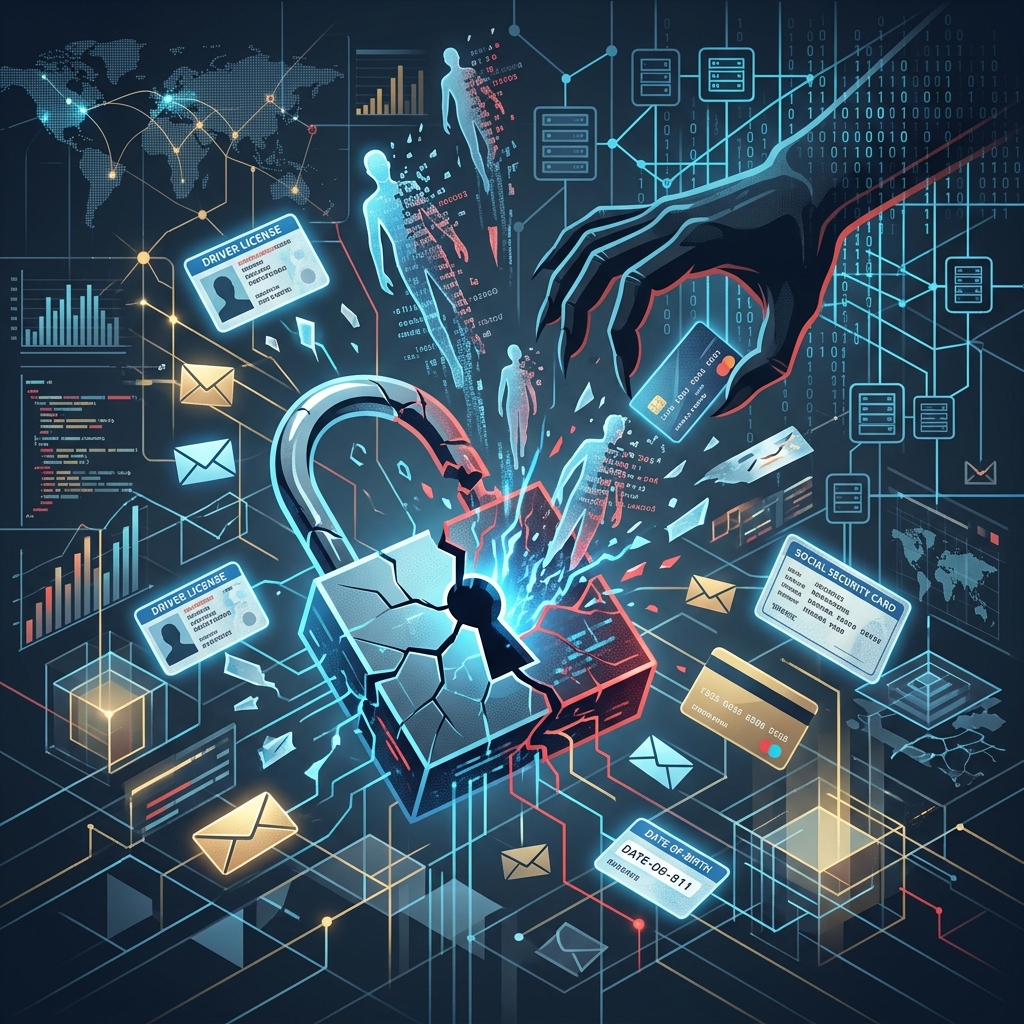
When a small business suffers a data breach, the impact reaches far beyond lost records or temporary downtime. Exposed customer information can fuel identity theft, lead to regulatory penalties, and permanently damage your reputation. This guide explains what a business data breach is, how it can result in customer identity theft, and what steps owners and managers should take to respond quickly, legally, and effectively.
Understanding Business Data Breaches and Identity Theft
A business data breach occurs when unauthorized parties gain access to information your company stores, transmits, or controls. That information might include names, addresses, Social Security numbers, driver’s license numbers, bank or credit card details, login credentials, medical information, or other sensitive data.
Identity theft happens when criminals use that exposed information to impersonate individuals for financial gain, such as opening new credit accounts, filing fraudulent tax returns, or taking over existing online accounts.
Common Types of Data Compromised
- Government identifiers (e.g., Social Security numbers) used to open fraudulent credit lines or file false tax returns.
- Financial account data, including bank account numbers, debit and credit card information, and payment tokens.
- Authentication credentials such as usernames, passwords, security questions, and PINs.
- Contact information (email addresses, phone numbers, mailing addresses) that enable phishing and social engineering attacks.
For small businesses, breaches may arise from lost laptops, weak passwords, unpatched systems, insider misuse, third-party service provider failures, or sophisticated cyberattacks. Regardless of the cause, once personal information is exposed, your legal and ethical obligations to customers begin immediately.
Legal and Regulatory Duties After a Data Breach
In most jurisdictions, businesses that suffer breaches involving personal information must follow specific notification and remediation rules. These obligations vary by location and industry, but several common requirements appear across laws and regulatory guidance.
Core Legal Responsibilities
- Assess whether personal data was involved and whether the incident meets the legal definition of a reportable breach.
- Notify affected individuals without unreasonable delay, especially if there is a risk of identity theft or financial fraud.
- Inform relevant government agencies or regulators where required, such as consumer protection authorities or sector-specific regulators.
- Document your response to demonstrate due diligence if regulators, courts, or customers later scrutinize your actions.
- Implement remediation measures to address security weaknesses and reduce the likelihood of future incidents.
Regulators often stress that early notification helps victims take protective actions such as fraud alerts, credit freezes, and account monitoring. From a business perspective, prompt and transparent communication reduces legal risk and shows that you treat customer privacy seriously.
Immediate Incident Response: First 24–72 Hours
Once you suspect a breach, time is critical. A structured incident response approach helps you limit further damage and manage obligations efficiently.
Step 1: Contain and Investigate
- Secure systems: Disconnect affected devices or networks, revoke compromised access credentials, and apply emergency controls to prevent ongoing data loss.
- Engage technical expertise: If you lack in-house security staff, consult external cybersecurity professionals to identify what data was accessed, how the breach occurred, and whether attackers still have access.
- Preserve evidence: Retain logs, email records, device images, and any artifacts that may be needed for law enforcement or future legal proceedings.
Step 2: Notify Law Enforcement and Key Agencies
Official guidance from federal authorities emphasizes involving law enforcement early in the process, especially when identity theft is likely.
- Contact your local police department to report the incident and obtain an incident number.
- If the breach appears complex or crosses jurisdictions, coordinate with agencies such as the FBI or the U.S. Secret Service for specialized assistance.
- For mail-related breaches (e.g., stolen mailed statements), reach out to the U.S. Postal Inspection Service.
Law enforcement involvement can help deter further misuse, support criminal investigations, and provide documentation for customers working to restore their identities.
Step 3: Notify Affected Businesses and Institutions
If the compromised information relates to accounts held at financial institutions, payment processors, or other service providers, those organizations also need timely notice.
- Inform banks and card issuers as soon as you discover that account data may have been exposed, so they can block or monitor affected cards and accounts.
- If you store data for other businesses (for example, as a vendor), notify them promptly so they can respond on their customers’ behalf.
Communicating with Customers After a Breach
Your communication strategy is central to both legal compliance and trust preservation. Customers need clear, actionable information tailored to the type of data involved.
Designing Effective Breach Notices
Guidance from consumer protection agencies highlights several elements of a strong notice.
- Plain-language explanation of what happened, when the breach occurred, and how you discovered it.
- Description of the information involved, specifying whether Social Security numbers, financial data, login credentials, or other sensitive details were exposed.
- Steps your business is taking to secure systems, assist victims, and prevent similar incidents.
- Concrete actions customers should take, with different advice depending on the type of data compromised.
- Key contact details, such as a dedicated hotline, email address, or webpage for questions, plus information about relevant official resources (e.g., identity theft recovery sites).
Helping Customers Protect Themselves
According to federal consumer advice, the steps individuals should take after a data breach depend heavily on which data elements were exposed.
| Data Exposed | Primary Risks | Recommended Customer Actions |
|---|---|---|
| Social Security numbers | New-account fraud, tax refund theft, long-term identity misuse. |
|
| Bank or card details | Unauthorized charges, account takeover. |
|
| Email addresses and passwords | Account hijacking, phishing attacks. |
|
| Phone numbers | Smishing (SMS phishing), social engineering calls. |
|
Many authorities also recommend that affected businesses consider offering free credit monitoring or identity protection services for at least one year when Social Security numbers or other highly sensitive data have been exposed.
Supporting Identity Theft Victims
Despite your best efforts, some customers may still experience identity theft after a breach. Your business can play a meaningful role in helping them recover.
Directing Customers to Official Resources
- Encourage victims to file reports and obtain customized recovery plans from official identity theft assistance portals managed by consumer protection agencies.[10]
- Remind them to keep copies of police reports, fraud affidavits, and correspondence with creditors or agencies.
Centralized government services provide step-by-step guidance on disputing fraudulent accounts, correcting credit reports, and documenting identity theft for legal and financial purposes.[10]
Practical Actions Customers Can Take
Regulators and consumer banking guidance consistently emphasize a combination of monitoring, alerts, and authentication improvements.
- Credit freezes and fraud alerts: Freezes restrict new credit inquiries, making it difficult for identity thieves to open accounts.
- Ongoing account monitoring: Regularly review bank, credit card, and credit reports for unfamiliar transactions or accounts.
- Enhanced login security: Use strong, unique passwords and multi-factor authentication on financial and email accounts to reduce the risk of takeover.
Building a Business Incident Response Plan
Waiting until a breach occurs to develop your process can leave you scrambling. A proactive incident response plan helps small businesses act rapidly and consistently.
Key Elements of an Internal Response Plan
- Defined roles and responsibilities: Identify who leads technical response, who approves external communication, and who coordinates with law enforcement and regulators.
- Clear escalation criteria: Specify what types of events trigger formal incident procedures, internal notifications, and executive involvement.
- Vendor coordination procedures: Document how you will work with hosting providers, payment processors, and IT consultants if their systems are involved.
- Customer communication templates: Prepare reusable language for emails, mailed notices, and web updates that can be quickly tailored to the specific incident.
- Post-incident review: Establish a process for learning from each event, updating controls, and revising the plan as needed.
Preventing Breaches and Reducing Identity Theft Risk
While no security program can guarantee zero risk, small businesses can significantly reduce the likelihood and impact of breaches through layered controls.
Technical and Organizational Controls
- Access control and least privilege: Limit personal data access to employees who truly need it for their roles, and remove access promptly when roles change.
- Strong authentication: Require unique, complex passwords and multi-factor authentication for administrative accounts and sensitive systems.
- Data minimization: Collect and retain only the personal data you need; securely delete information that no longer serves a legitimate business purpose.
- Encryption and secure storage: Use encryption for data at rest and in transit, and store sensitive data in well-protected environments.
- Regular patching and updates: Keep operating systems, applications, and security tools up to date to close known vulnerabilities.
Employee Training and Awareness
Human error often contributes to breaches. Ongoing training can dramatically improve your security posture.
- Teach staff to recognize phishing emails, suspicious links, and social engineering attempts.
- Implement clear policies for handling customer data, including secure file transfer and storage requirements.
- Conduct periodic drills or tabletop exercises simulating breach scenarios to reinforce incident response steps.
Frequently Asked Questions (FAQs)
1. When am I legally required to notify customers about a data breach?
In many jurisdictions, you must notify customers when a breach involves personal information and creates a reasonable risk of harm, such as identity theft or financial fraud. Laws often require notification without unreasonable delay, and some specify particular timeframes and content requirements for notices.
2. Should my business offer free credit monitoring after a breach?
Regulatory guidance encourages companies to consider offering at least a year of credit monitoring or identity protection services, especially when Social Security numbers or other highly sensitive identifiers are involved. While not always legally mandatory, doing so can significantly help victims and demonstrate good faith.
3. What is the difference between a fraud alert and a credit freeze?
A fraud alert instructs creditors to take extra steps to verify identity before opening new accounts, while a credit freeze largely blocks new creditors from accessing a person’s credit report, making it harder to open any new account in their name. Official consumer guidance describes freezes as one of the most effective tools for preventing new-account identity theft.
4. Do I need to notify federal agencies or only local law enforcement?
Initial contact with local police is generally recommended for any incident that could lead to identity theft. For more serious or complex breaches, guidance suggests reaching out to federal agencies like the FBI or Secret Service, and in some cases to sector regulators or consumer protection authorities.
5. How can a very small business create an incident response plan without a dedicated IT team?
Start with a simple written plan that defines who will make decisions, which external experts you can call (such as managed security providers or legal counsel), and how you will communicate with customers and law enforcement. Many government and consumer protection resources provide free checklists and step-by-step instructions that small firms can adapt.[10]
References
- Has your business become the victim of a data security breach? — Internal Revenue Service. 2023-02-15. https://www.irs.gov/identity-theft-fraud-scams/has-your-business-become-the-victim-of-a-data-security-breach
- National Public Data Breach: What you need to know — Microsoft Support. 2024-04-10. https://support.microsoft.com/en-us/defender/national-public-data-breach-what-you-need-to-know
- Data Breach Response: A Guide for Business — Federal Trade Commission. 2021-09-01. https://www.ftc.gov/business-guidance/resources/data-breach-response-guide-business
- Data Breaches Are on the Rise — And Your Identity Is the Prize — USI Insurance Services. 2025-10-15. https://www.usi.com/executive-insights/executive-series-articles/featured/personal-risk/q4-2025/data-breaches-are-on-the-rise-and-your-identity-is-the-prize/
- What To Do After a Data Breach — Federal Trade Commission Consumer Advice. 2023-06-01. https://consumer.ftc.gov/media/79862
- What to Do After a Data Breach: Protect Your Identity — Wells Fargo. 2023-11-20. https://www.wellsfargo.com/privacy-security/fraud/articles/data-breach-security/
- Identity Theft Victim Assistance: Victim Help Center — Identity Theft Resource Center. 2024-03-30. https://www.idtheftcenter.org/victim-help-center/
Similar Articles








Read full bio of medha deb


