
Alcohol at Park Gatherings: Legal Rules Revealed
Navigate state-by-state laws on enjoying drinks at public parks and outdoor events without legal trouble.
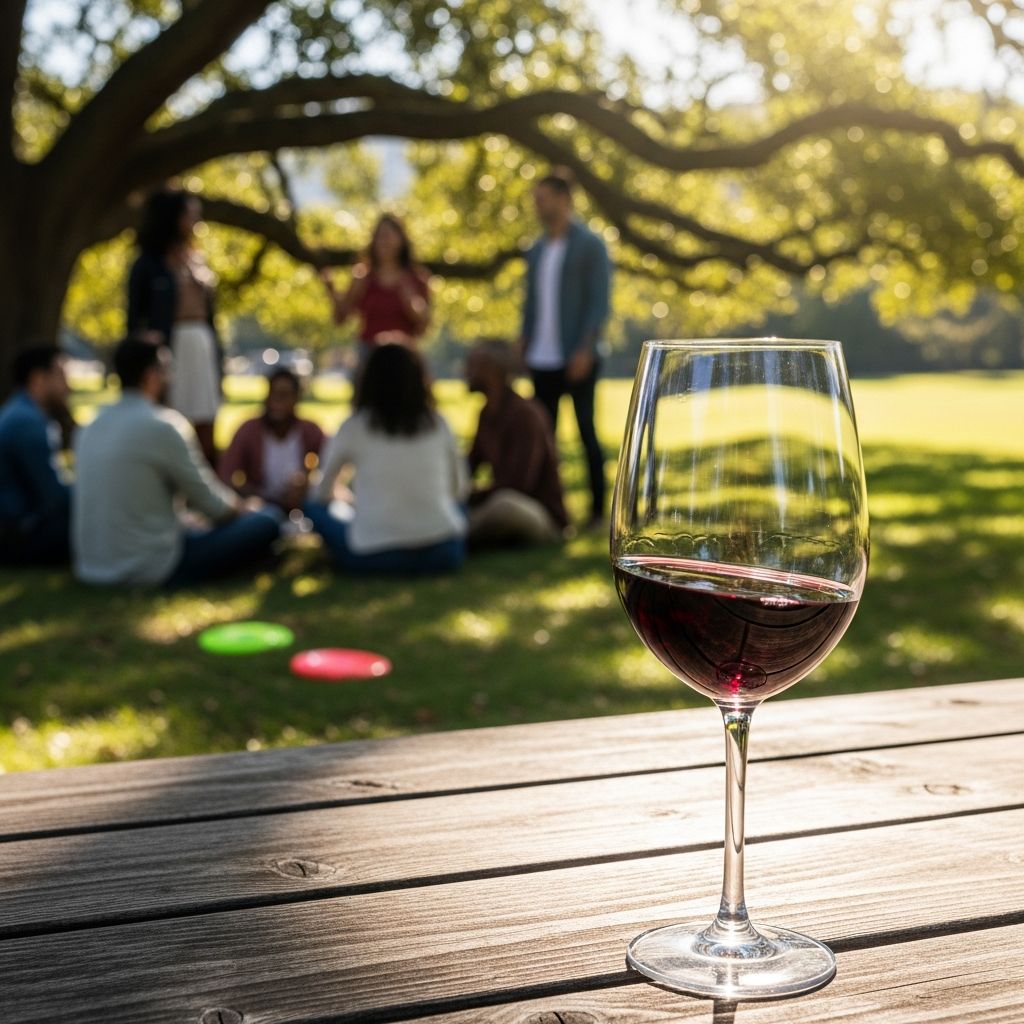
Hosting a barbecue or picnic in a public park often tempts many to include alcoholic beverages for a festive atmosphere. However, U.S. laws on public alcohol consumption vary significantly by state, locality, and even specific park, creating a patchwork of regulations that can catch even well-intentioned revelers off guard. Understanding these rules is crucial to avoid fines, citations, or worse.
Why Public Drinking Laws Exist
Public drinking restrictions stem from concerns over safety, public order, and health. Open container laws aim to prevent intoxication-related incidents like impaired driving, disorderly conduct, or accidents in shared spaces. These statutes typically prohibit possessing or consuming alcohol in open containers outside licensed premises, with parks often classified as prohibited zones to protect families, children, and pedestrians.
Enforcement prioritizes high-traffic areas where crowds gather. While private property like stadiums or bars may allow drinks, public parks fall under stricter scrutiny unless explicitly exempted. Violations can range from infractions with modest fines to misdemeanors if intoxication leads to unsafe behavior.
State Variations in Park Alcohol Policies
No uniform federal law governs public park drinking; instead, states set baselines, with cities and parks adding layers. Some embrace low-alcohol options or designated zones, while others impose blanket bans. Here’s a breakdown of key examples:
- Permissive States: Arizona, Arkansas, Hawaii, Kansas, Maryland, Minnesota, New Mexico, Oklahoma, South Carolina, Utah, Virginia, Washington, and West Virginia generally allow drinking in public parks, though local rules may apply.
- Restricted with Exceptions: Colorado permits beverages at 3.2% ABV or less in parks, favoring light beers.
- Designated Areas Only: Ohio’s Designated Outdoor Refreshment Areas (DORAs) let adults 21+ carry drinks from approved vendors within boundaries.
| State | Park Drinking Status | Key Restrictions |
|---|---|---|
| California | Largely prohibited | Banned in day-use areas; allowed in campsites or vessels. Check local signage. |
| Alabama | Entertainment districts only | One drink max, plastic cups, before midnight in cities like Mobile. |
| Nebraska | Allowed in most parks | No gallons over 1, banned 10pm-6am; exceptions like Lake McConaughy. |
| Texas | Local variations | Banned in state parks; lax in cities like Fredericksburg. |
| Illinois | Generally banned | Strict in Chicago parks; no open containers. |
This table highlights diversity: what flies in one state could land you a ticket in another. Always verify with park-specific resources.
Navigating California’s Strict Standards
California exemplifies caution. Penal Code Section 647(f) criminalizes public intoxication endangering safety or blocking pathways, often tied to drinking violations. Most cities ban open containers in parks, sidewalks, and streets.
State parks prohibit alcohol in day-use zones, confining it to registered campsites or boats—from vessels only, never shores. La Mirada’s code explicitly forbids open containers in parks, punishable as an infraction. Beaches and select spots like Golden Gate Park allow exceptions, but fines for violations are common, escalating with repeats.
Permits and Special Designations
Even in restrictive areas, options exist. Many parks issue permits for events, covering beer, wine, or seltzers—but rarely liquor. Idaho requires permits for over 7.5 gallons; Maine mandates applications with fees.
Entertainment or refreshment districts provide loopholes: Alabama’s districts require logoed cups; Kentucky’s Louisville zone allows bar-purchased drinks. Iowa City now permits light alcohols in shelters post-2021 ordinance. Research ahead—park websites list allowances, like Delaware’s selective parks or Oregon’s county variations.
Penalties for Breaking the Rules
Consequences deter violations. Infractions yield $100–$500 fines; misdemeanors from intoxication add jail time or license points. Boating under influence in parks risks arrest. Repeat offenders face harsher penalties, including community service.
In high-enforcement zones like urban parks, rangers patrol picnics. Confiscation, ejection, or citations follow sightings of coolers or red cups. Open-container laws exempt private venues but not parks.
Practical Advice for Legal Outdoor Fun
To enjoy responsibly:
- Consult official park sites or apps for rules—e.g., California State Parks or state DEPs.
- Opt for designated areas or low-ABV drinks where permitted.
- Secure event permits for groups; designate drivers.
- Use opaque containers if allowed, but don’t hide violations.
- Plan alcohol-free alternatives like mocktails for inclusivity.
Timing matters: nighttime bans in places like Nebraska apply. For barbecues, confirm grill-alcohol combos—some parks restrict both.
National Trends and Future Shifts
Post-pandemic, some areas liberalized rules to boost tourism, like Ohio’s DORAs. Low-ABV seltzers gain traction in restrictive states. Yet, safety drives tightening, especially near waterways where BUI arrests average 50+ yearly in California parks.
Canada mirrors U.S. variability: Quebec parks need permits; Montreal has zones. Globally, attitudes evolve, but U.S. federalism keeps it local.
Frequently Asked Questions (FAQs)
Can I drink beer in a U.S. public park?
Depends on the state and park. Allowed in 13 states like Arizona; banned in places like California day areas. Check locally.
What’s a Designated Outdoor Refreshment Area (DORA)?
Ohio-style zones where 21+ can carry vendor drinks within bounds. Similar districts exist elsewhere.
Are there fines for public park drinking?
Yes, typically $100–$500 infractions; more if intoxicated.
Can I drink on California beaches?
Varies; many ban it. State parks restrict to campsites/vessels.
Do I need a permit for a park party with alcohol?
Often yes, especially for volumes or events. Verify with park authority.
Hosting Compliant Park Events
For barbecues, scout venues: permissive parks save hassle. Inform guests of rules; provide non-alcoholic options. In mixed zones, stick to allowances—no hard liquor where banned.
Family events amplify risks—protect kids from citations. Apps like park finders or state alcohol boards offer real-time checks.
Trends favor controlled zones over bans, balancing fun and safety. Stay informed for seamless gatherings.
References
- These Are the States That Allow Drinking in Public Parks [Map] — VinePair. 2023 (approx., based on content). https://vinepair.com/articles/map-states-drinking-public-parks/
- Can You Drink Alcohol In Public Parks? – CountyOffice.org — YouTube/County Office. 2024-11-15. https://www.youtube.com/watch?v=SDeNT9rJIKs
- California Laws on Drinking in Public: What You Need to Know — Southwest Legal. Recent (2023-2025). https://southwestlegal.com/california-laws-on-drinking-in-public/
- Laws, Regulations, and Public Safety – California State Parks — California State Parks (official .gov). Current as of 2026 access. https://www.parks.ca.gov/?page_id=28984
- 9.12.020 Possession of open containers in public parks– Prohibited — City of La Mirada Code Library (official municipal code). 1998 (ongoing). https://codelibrary.amlegal.com/codes/lamirada/latest/lamirada_ca/0-0-0-18667
- Open-container law — Wikipedia (informational; primary sources preferred). N/A. https://en.wikipedia.org/wiki/Open-container_law
- What Are the Open Container Laws Within the United States? — Alcohol.org. Recent. https://alcohol.org/laws/open-container/
Similar Articles








Read full bio of medha deb


