
Alcohol Overservice and Dram Shop Liability Explained
How dram shop laws hold bars, restaurants and other alcohol vendors accountable when overservice leads to serious injury or death.
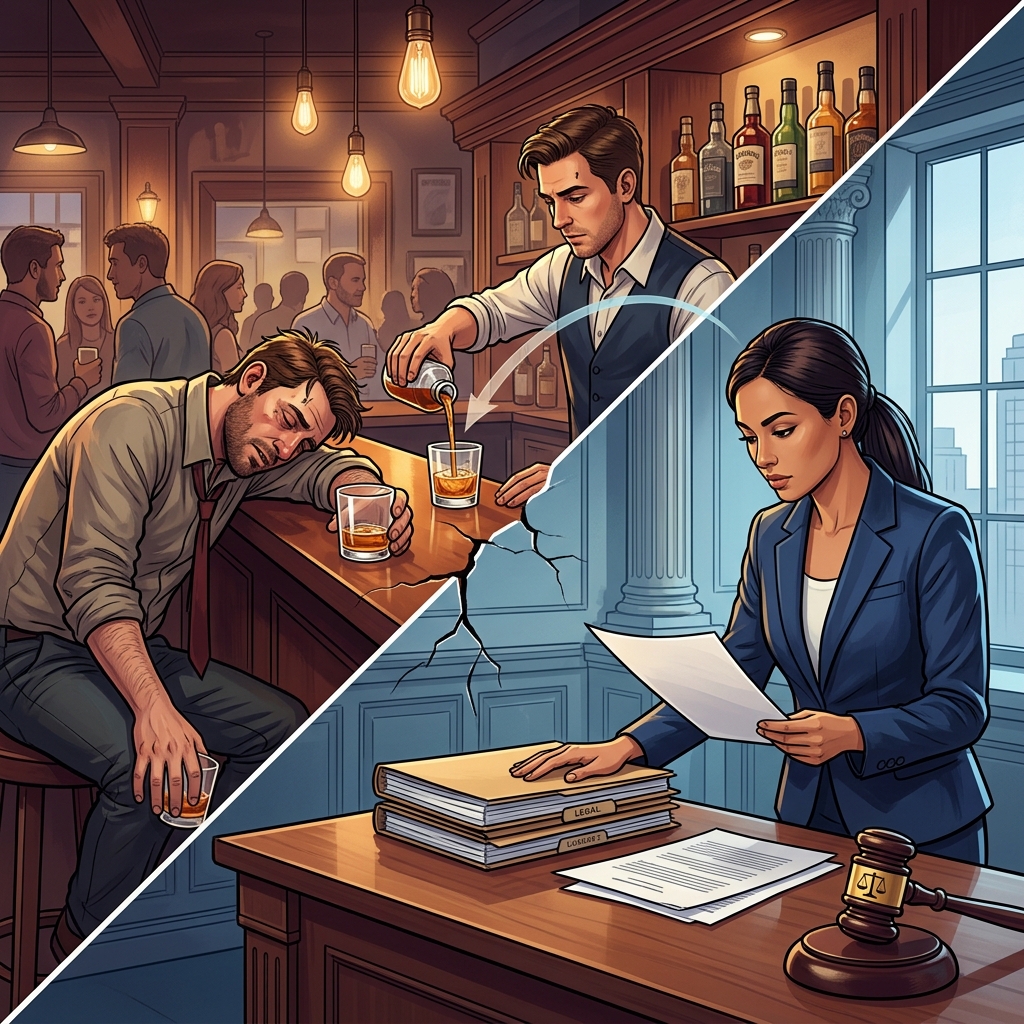
When alcohol misuse turns a night out into a life‑altering tragedy, the responsibility rarely falls only on the person who drank. Across the United States, dram shop laws can make bars, restaurants, clubs, and other alcohol vendors financially liable when they illegally serve intoxicated or underage patrons who later cause injury or death. Understanding how these laws work is crucial for injured people, families, and businesses that sell or serve alcohol.
What Are Dram Shop Laws and Why Do They Exist?
The term “dram shop” dates back to old English taverns that sold spirits by the “dram,” a small unit of measurement. Today, dram shop laws are state statutes that impose civil liability on businesses that sell or serve alcohol when they do so irresponsibly and harm results.
The core idea is simple: establishments that profit from alcohol sales have a legal duty to serve responsibly. If they ignore warning signs and overserve or sell to people who should not be drinking, they can be held accountable when that negligence contributes to injuries such as drunk‑driving crashes, assaults, or other alcohol‑related incidents.
- Primary purpose: Prevent and reduce alcohol‑related harms by encouraging responsible service.
- Target defendants: Commercial vendors like bars, restaurants, nightclubs, liquor stores (where applicable), and other licensed sellers.
- Typical plaintiffs: People injured by an intoxicated patron; in some jurisdictions, the intoxicated person themselves may also sue.
How Dram Shop Liability Works in Practice
Dram shop laws vary widely by state, but most share several common elements. An injured person (the plaintiff) generally must show that a business illegally served alcohol and that this unlawful service contributed to the intoxicated person’s harmful conduct.
Common Elements of a Dram Shop Claim
- Unlawful sale or service: The business sold or served alcohol in violation of state law (for example, to someone who was visibly intoxicated or underage).
- Causation: The illegal service led to or contributed to the intoxication that caused the accident or injury.
- Damages: The plaintiff suffered measurable harm such as medical expenses, lost wages, property damage, pain and suffering, or loss of support.
Proving these elements often requires witness testimony, surveillance video, receipts, medical and police reports, and expert analysis of the intoxicated person’s blood alcohol level and behavior.
Visible Intoxication and Underage Drinking
Many dram shop statutes focus on two categories of patrons:
- Visibly intoxicated adults: People showing clear signs of intoxication, such as slurred speech, difficulty standing, staggering, aggressive or loud behavior, or loss of coordination.
- Underage drinkers: In some states, selling or serving alcohol to anyone under the legal drinking age is automatically unlawful, regardless of apparent intoxication.
For example, New York law bars the sale of alcohol to individuals who are “actually or apparently” under age 21 or “visibly intoxicated,” and allows recovery for injuries caused by violations of that rule. Similarly, in Iowa, liability can exist when a licensee serves someone who they knew or should have known was intoxicated, or serves them to the point they will become intoxicated, and that intoxication leads to harm.
Who Can Be Held Responsible Under Dram Shop Laws?
Dram shop liability generally applies to commercial vendors, not private hosts. While some states also recognize social host liability for individuals who serve alcohol in homes, that is a separate legal concept.
| Type of Alcohol Provider | Typical Dram Shop Exposure |
|---|---|
| Bars, pubs, taverns | High exposure; primary targets of dram shop suits for overserving on premises. |
| Restaurants and cafes | Liable when alcohol sales are part of business operations and patrons are overserved. |
| Nightclubs and music venues | Risk associated with large crowds, late hours, and heavy consumption. |
| Licensed event venues and caterers | Liability when alcohol is served at weddings, corporate events, or private functions. |
| Off‑premises sellers (e.g., stores) | Coverage depends on state law; some limit dram shop liability to on‑premises service. |
Some states restrict dram shop liability to businesses that both sell and serve alcohol for consumption on their premises. In Iowa, for instance, grocery stores and gas stations generally cannot be sued under the state’s Dram Shop Act because they sell alcohol but do not serve it for onsite consumption.
What Injured People Must Prove
Lawsuits under dram shop statutes are often complex. Simply showing that a person drank at a particular establishment before an incident is not enough. The plaintiff must connect the dots between unlawful service, intoxication, and harm.
Key Proof Issues in Dram Shop Cases
- Evidence of illegal service: Witnesses may testify that the patron was stumbling, slurring words, or otherwise obviously intoxicated when more alcohol was served. Receipts can show the volume and timing of drinks.
- Demonstrating intoxication: Medical records, breath or blood tests, and expert testimony may be used to establish that the patron was intoxicated under the legal definition.
- Linking intoxication to the incident: Police reports and accident reconstructions help show how impaired judgment or coordination caused the crash, assault, or other harm.
- Documenting damages: Plaintiffs must present evidence of medical costs, lost income, property damage, and non‑economic losses like pain and suffering.
Because of these challenges, many injured people seek help from attorneys who specialize in personal injury and liquor liability claims. Early investigation is especially important because some states impose short deadlines for providing formal notice to the business before filing suit; missing those deadlines can bar recovery entirely.
Potential Damages in Dram Shop Lawsuits
When a dram shop claim succeeds, courts may award a wide range of damages, depending on the jurisdiction and the facts. These damages are designed both to compensate victims and, in some cases, to deter reckless alcohol service.
- Medical expenses: Hospitalization, surgeries, rehabilitation, medication, and long‑term care.
- Lost wages and earning capacity: Income lost during recovery and reduced future earning potential.
- Property damage: Vehicle repairs, destroyed personal items, and other tangible losses.
- Pain and suffering: Physical pain, emotional distress, anxiety, and post‑traumatic effects.
- Loss of enjoyment of life: Harm to daily activities, hobbies, family involvement, and independence.
- Loss of consortium or companionship: Damages for spouses and family members when severe injury or death disrupts relationships.
- Punitive damages (in some cases): Extra damages intended to punish particularly reckless or willful misconduct and discourage similar behavior.
In wrongful death cases, courts may award additional damages for loss of financial support and the intangible loss of the deceased’s presence and guidance.
Dram Shop Insurance and Risk Management for Businesses
Because a single dram shop lawsuit can involve substantial financial exposure, many states or insurers require or strongly encourage liquor liability insurance for businesses that serve alcohol. This specialized coverage helps pay legal costs, settlements, and judgments when a claim arises from overserving an intoxicated patron.
Why Liquor Liability Coverage Matters
- Legal compliance: Some states require minimum levels of liquor liability insurance for licensed bars and restaurants.
- Financial protection: Insurance can cover medical expenses, property damage, and legal fees associated with dram shop lawsuits.
- Business continuity: Coverage can help keep a business operating even after a costly claim or settlement.
Beyond insurance, responsible businesses implement policies and training to reduce the risk of overservice. These can include formal procedures for checking IDs, cutting off service to visibly intoxicated patrons, arranging safe transportation, and documenting incidents where service is refused.
Practical Risk‑Reduction Steps for Alcohol Vendors
- Train staff to recognize signs of visible intoxication and underage drinking.
- Empower employees to refuse service and call a manager when patrons show concerning behavior.
- Maintain clear written policies on last call, promotional events, and drink specials that can encourage overconsumption.
- Use ID scanners or verification tools where appropriate.
- Keep incident logs documenting decisions to stop serving or remove patrons from the premises.
Public Health Impact of Dram Shop Laws
Dram shop laws are not just about private lawsuits; they are also part of broader public health strategies to reduce alcohol‑related harm. Research reviewed by the Community Preventive Services Task Force found that these laws are associated with meaningful reductions in alcohol‑related outcomes.
- Studies show reductions in alcohol‑related motor vehicle deaths after dram shop laws are adopted or strengthened, with median decreases around 6.4% in evaluated jurisdictions.
- Other alcohol‑related injuries and incidents, including assaults and property damage, also decline when vendors face real consequences for overserving.
By holding vendors accountable, dram shop statutes encourage a culture of responsible service that can complement other measures such as sobriety checkpoints, ignition interlocks, and public education campaigns.
Steps for Injured People and Families
Anyone injured in an incident where alcohol may have played a role should take several immediate steps. These basic actions can protect health, preserve evidence, and keep legal options open.
- Seek medical care promptly: Even injuries that seem minor can have serious underlying complications.
- Document the incident: Obtain a copy of any police report, take photographs of the scene and injuries, and keep all medical records.
- Identify the alcohol provider: Note where the intoxicated person was drinking and whether they appeared intoxicated while being served.
- Preserve receipts and communications: Save bar tabs, text messages, or social media posts related to the drinking event.
- Consult a qualified attorney: Because dram shop laws differ dramatically between states and often include strict deadlines and notice requirements, legal advice is essential.
Time limits (statutes of limitations) and special notice rules can be surprisingly short, sometimes measured in months rather than years. Acting quickly helps ensure potential claims are not lost before they can be investigated.
Frequently Asked Questions About Dram Shop Liability
Do all states have dram shop laws?
No. Most states have some form of dram shop statute or similar liability, but the scope and strength of these laws vary widely. Some jurisdictions allow broad recovery for injured persons, while others limit or do not recognize vendor liability at all.
Can an intoxicated person sue the bar that overserved them?
In many jurisdictions, dram shop laws are primarily designed to protect third parties injured by an intoxicated patron. However, some states allow the intoxicated person to bring claims for their own injuries, depending on local statutes and court decisions.
Are dram shop claims based on negligence or strict liability?
Most dram shop laws are grounded in negligence principles, requiring proof of wrongful conduct and causation. Some statutes, like New York’s, are interpreted as creating strict liability: vendors have an absolute duty not to serve certain categories of people (such as underage or visibly intoxicated patrons), and violation can lead to automatic responsibility if harm results.
How do dram shop laws differ from social host liability?
Dram shop laws focus on commercial vendors—bars, restaurants, and licensed establishments—while social host liability applies to individuals who serve alcohol at private gatherings. The standards of liability and available defenses can differ significantly between these two frameworks.
What role does insurance play in dram shop claims?
Liquor liability insurance, sometimes referred to as dram shop insurance, helps businesses cover defense costs, settlements, and judgments arising from alcohol‑related incidents. Some states mandate minimum coverage levels for businesses that serve alcohol to protect both victims and the financial stability of the establishments.
References
- Dram Shop Laws and Liability for Drunk Driving Accidents — Justia. 2023-01-15. https://www.justia.com/injury/negligence-theory/dram-shop-laws/
- Dram Shop (Alcohol) Liability — New York City Bar Association. 2022-06-10. https://www.nycbar.org/get-legal-help/article/personal-injury-and-accidents/dram-shop/
- Liquor Liability – Dram Shop Liability — Attorney W.D. Kickham. 2021-09-20. https://www.attorneywdkickham.com/liquor-liability-dram-shop-liability.html
- Alcohol-Related Injury Claims Iowa | Dram Shop Claims — GRL Law. 2022-03-01. https://www.grllaw.com/wrongful-death-and-serious-injury/alcohol-related/
- Alcohol Excessive Consumption: Dram Shop Liability — Community Preventive Services Task Force. 2011-10-01. https://www.thecommunityguide.org/findings/alcohol-excessive-consumption-dram-shop-liability.html
- Dram Shop Rule — Legal Information Institute, Cornell Law School. 2023-05-05. https://www.law.cornell.edu/wex/dram_shop_rule
- Dram Shop Laws in Your State — Insureon. 2022-08-12. https://www.insureon.com/small-business-insurance/liquor-liability/dram-shop-laws
Similar Articles








Read full bio of Sneha Tete


