
When Pets Inherit: Pet Trusts, Pet Brands, and Real Animal Wealth
Exploring how pet trusts and pet-focused business ventures can safeguard animal care without turning our furry companions into unsuspecting millionaires.
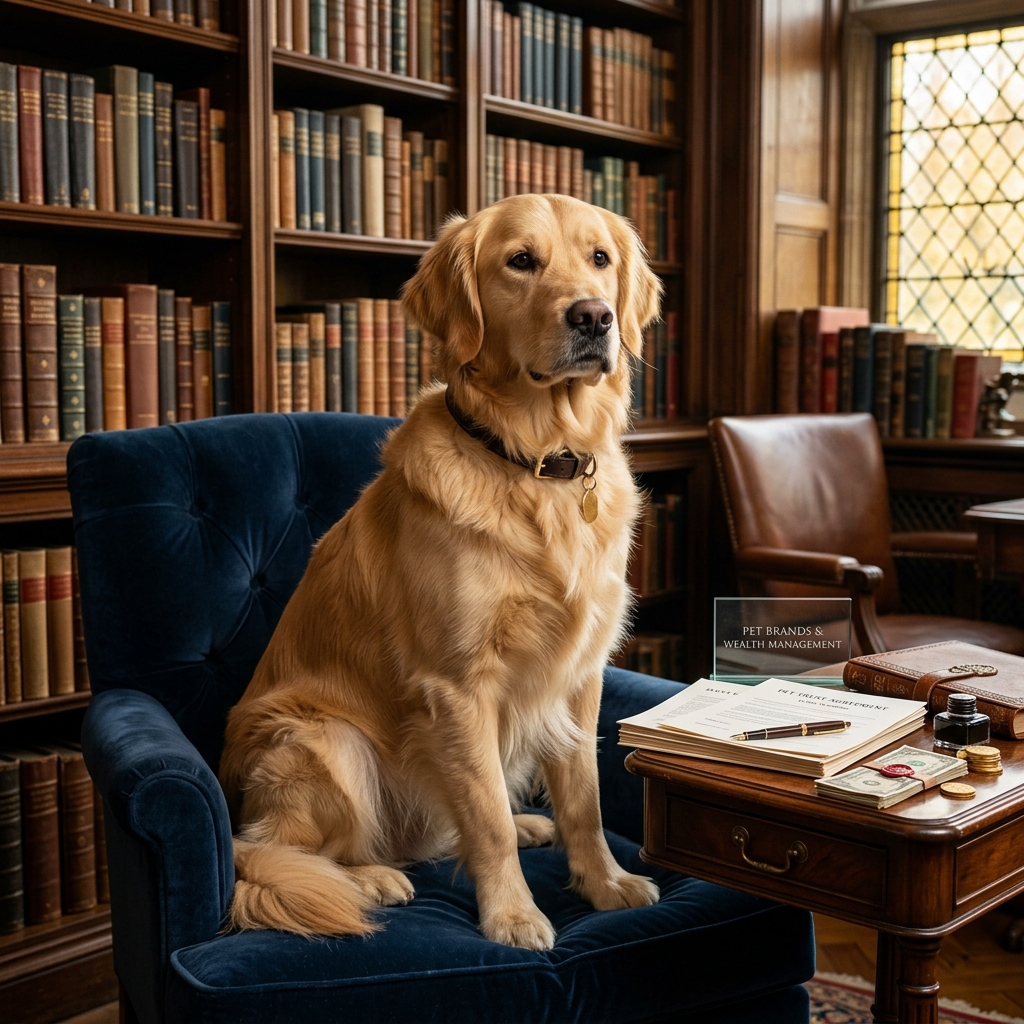
Stories of cats with penthouse apartments and dogs with seven-figure trust funds capture public attention, but they also raise serious questions: can a pet really be wealthy, and what does that even mean in legal and practical terms?
This article explores the modern world of animal “wealth” – from legally enforceable pet trusts to commercial pet brands and social media “petfluencers.” Drawing on estate planning and animal law concepts, we will look at how these tools protect animals, what limits courts place on extravagant arrangements, and how owners can plan responsibly without turning their pets into legal complications.
Do Pets Own Wealth, or Do Humans Own It for Them?
Under U.S. law, animals are generally treated as property, not as legal persons, which means they cannot directly own assets or sign contracts in their own names.[10] As a result:
- Pets cannot open bank accounts or hold title to real estate in their own right.
- Courts do not recognize animals as beneficiaries in the same way they recognize humans or charitable entities.
- Any money “for” a pet must be held and managed by humans or legal entities on the animal’s behalf.
When news reports state that a dog “inherited” millions, what has actually happened is more nuanced: humans have created legal arrangements that direct assets to be used for the care of the animal, not owned by the animal. That distinction is crucial to understanding pet trusts.
Pet Trusts: A Legal Tool to Protect Animal Care
A pet trust is a legally enforceable trust designed to ensure that an animal receives care and financial support after its owner dies or becomes incapacitated. Instead of leaving a pet to a relative with a simple promise, the owner sets up a formal structure with clear instructions and oversight mechanisms.
Core Features of a Pet Trust
Although specific rules vary by state, most pet trusts share several common components.[10]
- Settlor (or grantor): The person creating and funding the trust.
- Trustee: The person or institution that manages the trust assets and ensures funds are used appropriately.
- Caretaker (or custodian): The individual who physically cares for the pet day-to-day.
- Instructions: Detailed guidance on the pet’s care, lifestyle, and medical needs.
- Duration clause: Language specifying that the trust lasts until the death of the animal (or the last surviving animal if multiple pets are covered).
- Remainder beneficiaries: The people or organizations that receive any leftover funds after the pet dies.
Because pet trusts are recognized by statute in many jurisdictions, courts can step in if the trustee or caretaker misuses funds or fails to follow instructions. This is a major advantage over informal agreements, which may be difficult to enforce.
How Pet Trusts Work in Practice
In a typical scenario, the owner signs a trust document, funds it with money or property, and names a trustee and caretaker. If the owner becomes incapacitated or dies:
- The trustee begins managing the assets in the trust.
- The caretaker assumes responsibility for the pet’s daily needs.
- The trustee reimburses the caretaker for approved expenses, such as food, veterinary care, grooming, and housing.
Once the pet’s life ends, the trust terminates and remaining funds pass to the remainder beneficiaries identified by the owner. This structure allows for long-term planning while preventing funds from remaining indefinitely tied to a non-human beneficiary.
How Much Money Is Too Much for a Pet Trust?
High-profile cases of “overfunded” pet trusts have drawn public scrutiny. Many owners wonder whether there is a legal ceiling on how much can be set aside for an animal.
Court Powers to Reduce Excessive Funding
Several states give courts authority to reduce the amount placed in pet trusts if judges conclude the funding greatly exceeds what is needed for the intended care.[10] For example, New York’s pet trust statute allows courts to lower the trust property if it “substantially exceeds” what is required, with the excess then passing to other designated beneficiaries.
The rationale is straightforward:
- Pet trusts must be focused on the animal’s welfare, not on creating a windfall for caretakers or trustees.
- Heirs can challenge pet trusts they believe are unreasonably large, prompting courts to examine whether the amount is justified.
- Documented budgets, vet bills, and lifestyle costs can help defend the chosen funding level.
Estimating a Realistic Budget for Pet Care
Estate planning professionals often recommend that owners start with a detailed estimate of expected costs rather than choosing arbitrary large sums. A basic calculation might include:
- Annual veterinary care, vaccinations, and medications
- Food, treats, and dietary supplements
- Grooming, training, and boarding expenses
- Insurance or emergency medical funds
- End-of-life care, burial, or cremation costs
These annual costs can then be multiplied by the pet’s expected remaining years, with an additional cushion for inflation or unexpected expenses. This method supports a funding level that is generous but defensible if challenged.
| Expense Category | Example Annual Range | Planning Considerations |
|---|---|---|
| Routine Veterinary Care | $300 – $800 | Includes exams, vaccines; higher for chronic conditions. |
| Food & Supplies | $400 – $1,200 | Varies by pet size, diet quality, and special needs. |
| Grooming & Boarding | $200 – $1,000 | Consider travel patterns and breed-specific grooming. |
| Emergency Fund | $300 – $1,500 | Allows for surgeries and unexpected medical care. |
| End-of-Life Care | Lump sum | Planning for humane euthanasia and memorial preferences. |
These figures are illustrative only; actual budgets should reflect local costs and the unique needs of each animal.
Checks and Balances: Preventing Misuse of Pet Funds
Because pet trusts hold money that humans manage, the law emphasizes accountability. A well-structured pet trust creates checks and balances to prevent abuse.
- Separate roles: Many advisors recommend appointing different people as trustee and caretaker to avoid conflicts of interest.
- Clear expense categories: Trusts can specify exactly what expenses the funds may cover (e.g., veterinary bills, food, grooming) and what is excluded.
- Reporting requirements: Caretakers may be required to submit receipts, updates, or photographs to the trustee to show the pet is being properly cared for.
- Court enforcement: If there are concerns, courts can remove trustees or reduce overfunded trusts.[10]
The goal is to make sure the pet’s quality of life—not human enrichment—remains the central purpose of the arrangement.
Beyond Trusts: Pet Branding and “Petpreneurship”
Separate from estate planning, a growing number of owners build businesses, social media accounts, or brands around their pets. This “petpreneurship” can generate revenue through advertising, sponsorships, merchandise, or public appearances.
Legally, these activities are run and owned by humans or business entities, not by the animals themselves. The pet serves as the “face” of the brand, but any:
- Contracts
- Trademark registrations
- Business licenses
- Bank or payment accounts
belong to the human owners or companies.
Does Petpreneurship Make Animals Wealthy?
Financially, the brand’s income flows to humans; ethically, many owners allocate some of that income toward elevated standards of care for the pet. That may include:
- Premium food and veterinary care
- Special housing arrangements
- Travel accommodations designed for animal comfort
- Funding charitable donations to animal welfare causes
From a legal standpoint, however, the pet is not considered “wealthy” in the human sense. It does not own business assets. Instead, it enjoys a lifestyle funded by human decisions, similar to a child in a wealthy family. Pet trusts can later be used to preserve that lifestyle after the owner’s death.
Ethical Questions: Comfort vs. Commodification
Combining pet trusts with commercial pet brands raises ethical questions even when all legal requirements are satisfied. Owners and advisors should consider:
- Animal welfare: Is the pet’s lifestyle designed primarily for its well-being, or is it driven by financial or public-relations motives?
- Workload: Do frequent photo shoots or appearances cause stress or health issues?
- Privacy and dignity: Are medical conditions or behavioral quirks being exposed in ways that could harm the animal’s welfare?
- Succession planning: If a pet brand persists after the animal’s death, how is that narrative handled?
Balancing commercial success with genuine animal care often requires written guidelines and thoughtful supervision—both during the owner’s lifetime and after, via trusts or other documents.
Planning for Pets: Practical Steps for Responsible Owners
Owners who want to protect their animals without creating legal headaches can follow a structured planning process. Estate planning resources highlight several key steps for responsible pet trusts and related arrangements.
Key Planning Steps
- 1. Inventory your pets: List all animals, including species, age, health status, and special needs.
- 2. Choose caretakers: Identify people who genuinely know and care for your animals. Confirm their willingness in advance.
- 3. Select a trustee: Choose a person or institution capable of managing funds responsibly and overseeing the caretaker’s actions.
- 4. Document care instructions: Provide detailed guidance on food, routines, medical providers, medications, and behavioral nuances.
- 5. Estimate costs: Prepare a realistic budget based on your pet’s remaining lifespan and expected expenses, with room for inflation.
- 6. Decide on remainder beneficiaries: Determine who receives leftover funds when the trust ends—family members, charities, or both.
- 7. Coordinate with other documents: Align your pet trust with your will, powers of attorney, and any revocable living trust provisions.
While some jurisdictions allow pet provisions in wills, dedicated pet trusts generally offer more clarity and enforceability, particularly for long-lived animals or substantial funding.
FAQs About Pet Trusts and Pet Wealth
Can my dog or cat legally inherit my house?
No. Pets cannot own real property or act as legal persons. However, you can place a home or other assets in a trust, direct that the caretaker live there with the pet, and instruct the trustee to maintain the property for the pet’s benefit.[10]
Is it possible to set up a trust that starts before I die?
Yes. Many states permit “inter vivos” pet trusts created and funded during the owner’s lifetime, as well as testamentary pet trusts that take effect under a will. Proper drafting allows the trust to help if you become incapacitated, not just after death.
Will my relatives be able to challenge a large pet trust?
They may. Heirs who feel a pet trust is overfunded can ask courts to review its size. Statutes in states such as New York expressly authorize judges to reduce trust property that substantially exceeds the amount required for the pet’s care.
What happens to unused funds after my pet dies?
When the last surviving animal named in the trust dies, the trust terminates and any remaining property passes to the remainder beneficiaries you selected in the trust document. You can direct this money to individuals or charities.
Do I need a lawyer to create a pet trust?
While some owners draft basic arrangements themselves, working with an attorney familiar with animal law and estate planning helps ensure the trust is valid, enforceable, and aligned with state statutes. Professional advice is especially important when significant assets are involved or family dynamics are complex.
Are pet influencer earnings part of the pet trust?
Income from pet-related businesses belongs to the human or entity that owns the brand, not the animal. You can decide to channel some of those earnings into a pet trust as part of your estate plan, but that is a human choice, not a legal entitlement of the pet.
Bullet-Point Summary for Quick Reference
- Pets cannot own property; humans use legal tools like trusts to provide for them.[10]
- Pet trusts are recognized in many states and allow detailed, enforceable care instructions.
- Courts can reduce overfunded pet trusts that far exceed reasonable care costs.
- Realistic budgets and documentation help justify the amount placed in the trust.
- Separate trustees and caretakers create checks and balances and protect against misuse.
- Pet brands and influencer accounts are human-run businesses; pets benefit indirectly from the lifestyle they fund.
- Careful planning ensures pets are comfortable and secure without creating legal or ethical problems.
References
- Pet Trusts — Justia Animal and Dog Law Center. 2023-05-01. https://www.justia.com/animal-dog-law/pet-trusts/
- Planning for Pets: How Leveraging Pet Trusts Can Protect Four-Legged Family Members — American Heart Association. 2022-11-15. https://www.heart.org/en/get-involved/ways-to-give/planned-giving/professional-advisors-and-trustees/planning-for-pets
- Pet Trusts: What They Are and How They Work — Chewy Education. 2023-03-10. https://www.chewy.com/education/dog/pet-parenting/what-is-a-pet-trust
- Estate Planning for Pet Owners: Creating a Pet Trust — Johnson, Gasink & Coury. 2022-07-21. https://jgcg.com/estate-planning-for-pet-owners-creating-a-pet-trust/
- Fur-ever Secure: Understanding Pet Trusts in Wisconsin — Johnson Financial Group. 2023-01-05. https://www.johnsonfinancialgroup.com/resources/blogs/financial-planning-insights/fur-ever-secure-understanding-pet-trusts-in-wisconsin/
- Is a Trust for My Pet a Viable Option? — Enea, Scanlan & Sirignano, LLP. 2021-09-30. https://www.esslawfirm.com/articles/is-a-trust-for-my-pet-a-viable-option/
- Pet Trust — Legal Information Institute, Cornell Law School. 2020-06-10. https://www.law.cornell.edu/wex/pet_trust
Similar Articles








Read full bio of Sneha Tete


