
When Jokes Become Crimes: Legal Risks of Pranks
Explore how seemingly harmless jokes can cross legal lines, trigger criminal charges, and expose pranksters to civil lawsuits and lasting consequences.
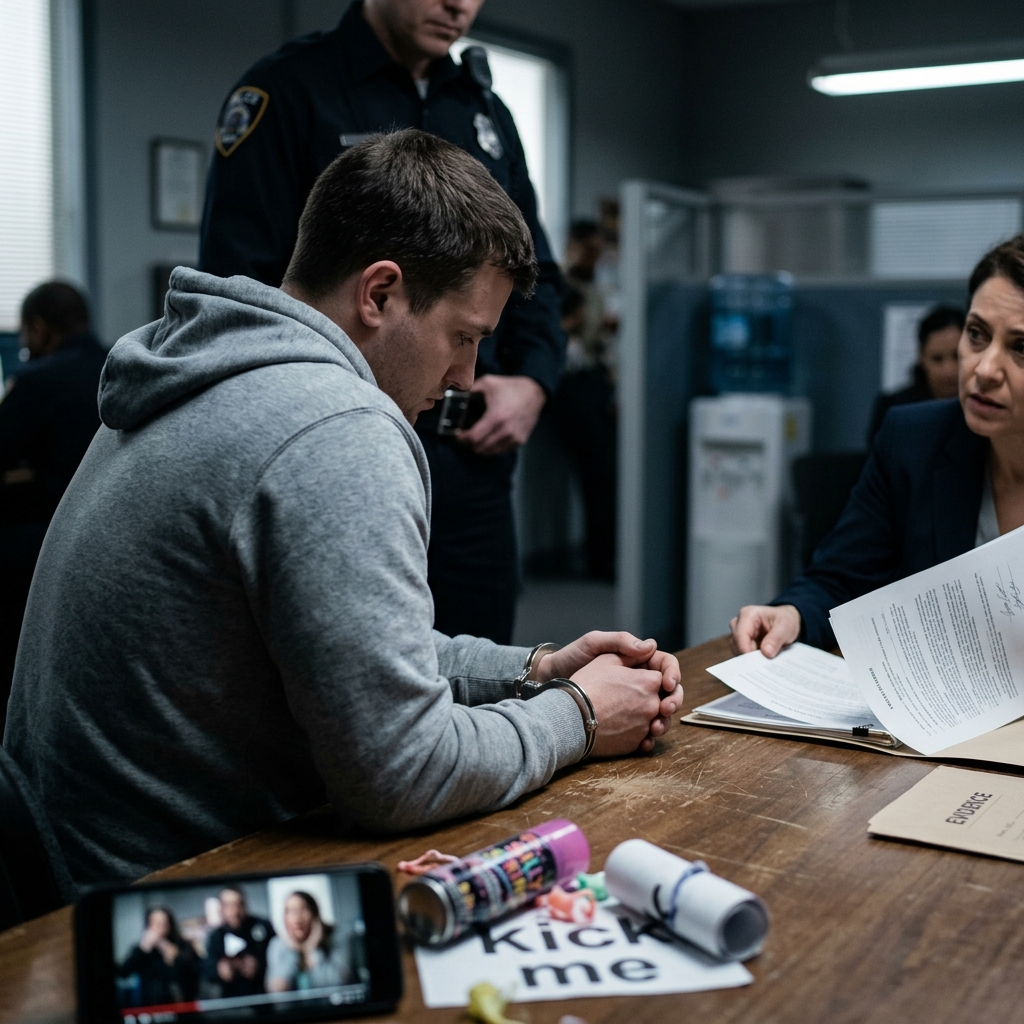
Pranks are often seen as harmless fun, especially around April Fools’ Day, graduation season, or on social media. Yet the law does not excuse dangerous or harmful behavior simply because it was meant as a joke. In many situations, a prank can expose the person who planned or carried it out to criminal charges, civil lawsuits, school discipline, and long-term consequences for employment or education.
This guide explains when pranks cross the line into illegal conduct, which criminal offenses are commonly involved, how civil liability works, and what you can do to reduce legal risk while still enjoying harmless humor.
Why Pranks Can Become Criminal Acts
At the core of criminal liability for pranks are two concepts: intent and impact. You may intend a prank as a joke, but the law focuses on whether your actions were unlawful and whether they caused or risked harm.
- Intent: Prosecutors often look at whether the prankster intended to perform the act, even if they did not intend the final harm. In many crimes, it is enough that you deliberately engaged in the conduct (for example, making a fake emergency call), regardless of whether you meant to hurt anyone.
- Impact: Courts consider the consequences of the prank: physical injury, fear of harm, property damage, disruption of public order, or waste of emergency resources.
Because of this, the excuse “I was only joking” rarely prevents charges if the prank fits the definition of a crime under relevant statutes.
Common Criminal Charges Triggered by Pranks
Pranks can overlap with a wide range of criminal offenses, from minor misdemeanors to serious felonies. The exact charges and penalties depend on the jurisdiction and the facts, but the following categories are common.
Assault, Battery, and Threats
Many “scare pranks” involve suddenly frightening someone, pretending to attack, or using fake weapons. In many jurisdictions, assault includes intentionally causing another person to fear imminent physical harm, even without actual contact.
- Assault: A prank that causes someone to reasonably believe they are about to be harmed—such as a fake knife attack or staged kidnapping—can meet the legal definition of assault.
- Battery: Any unwanted, offensive touching (even if minor) can be treated as battery if done without consent, such as shoving, tripping, or throwing objects at someone as part of a prank.
- Threats: Pretending to have a weapon, threatening violence as a joke, or staging an attack may be prosecuted under statutes criminalizing threats or menacing behavior.
The fact that the prankster did not “mean” real harm often does not prevent liability if a reasonable person would have felt threatened.
Disorderly Conduct and Public Disturbance
Pranks in public spaces that cause alarm, interfere with traffic, disrupt businesses, or create large disturbances can be charged as disorderly conduct or similar public order offenses.
- Creating loud or chaotic scenes to shock passersby
- Blocking sidewalks, stores, or roads for a stunt
- Encouraging crowds to run, panic, or flee
These offenses may seem minor, but they can still lead to arrest, fines, and a criminal record that appears on background checks.
Vandalism and Property Damage
Many pranks involve damaging or tampering with property. Actions such as spray painting, breaking windows, destroying school equipment, or interfering with vehicles can lead to vandalism, criminal mischief, or similar charges.
Key features of vandalism-related charges include:
- Intentional damage to someone else’s property
- Permanent or costly harm (even if meant as a joke)
- Enhanced penalties if the damage amount is high or if the property belongs to a school, government, or critical infrastructure
False Reporting and “Swatting”
Some of the most serious prank-related crimes involve fake emergency reports. “Swatting”—calling in a false emergency to trigger a police SWAT team response—has led to injuries and even deaths, and is treated very harshly under the law.
| Type of Prank | Possible Charge | Potential Outcome |
|---|---|---|
| Fake bomb threat as a “joke” | Felony false reporting, terroristic threat | Prison time, heavy fines, restitution for evacuation costs |
| Calling 911 to report a fake shooting | False emergency report, obstruction, misuse of 911 | Felony or serious misdemeanor, possible jail, restitution to agencies |
| Staged hostage situation for a video | Multiple charges (false reporting, assault, weapons offenses) | Multi-year prison exposure depending on jurisdiction |
For example, California law punishes repeated or obscene prank calls intended to harass as a misdemeanor and treats false emergency reports as serious crimes that can lead to years in prison and restitution to agencies.
Theft, Trespass, and Access Offenses
Pranks that involve entering property without permission or taking items for “joke” purposes can lead to trespassing and theft charges.
- Entering schools or businesses at night to set up a prank display
- Removing signs, decorations, or equipment as part of a joke
- Using someone’s personal accounts, key cards, or passwords to pull a “digital prank”
Even temporary “borrowing” of property without permission can be treated as theft or unauthorized use, especially if the owner suffers loss, damage, or significant inconvenience.
Harassment, Bullying, and Stalking
Pranks aimed at a specific person—repeatedly, intensely, or in humiliating ways—may cross into harassment, stalking, or bullying. This is especially true when the conduct invades privacy, causes severe emotional distress, or is repeated despite objections.
- Recording and posting humiliating prank videos targeting one person
- Repeated prank calls, messages, or surprise appearances
- Using pranks to shame or ostracize classmates or co-workers
Some states have specific anti-bullying or cyber-harassment laws that apply even when the conduct is framed as “just a joke.”
When Schools and “Senior Pranks” Lead to Legal Consequences
End-of-year or “senior” pranks are common traditions, but they frequently involve trespass, property damage, or disruption of school operations. School administrators and local authorities often treat serious pranks as disciplinary and criminal matters, not mere mischief.
Potential consequences include:
- School discipline: suspension, expulsion, loss of graduation privileges, or removal from extracurricular activities
- Criminal charges: vandalism, trespassing, disorderly conduct, or theft, depending on the conduct and damage involved
- Long-term impact: disciplinary records and criminal charges can affect college admissions, scholarships, and job applications.
Parents and guardians may also be held financially responsible for property damage or injuries caused by minors in some jurisdictions.
Civil Liability: Being Sued for a Prank
Separate from criminal law, pranksters may face civil lawsuits if their conduct causes injury, emotional distress, or property damage. In civil court, the focus is on compensation rather than punishment, and the standard of proof is lower than in criminal cases.
Types of Civil Claims
- Negligence: If a reasonable person would have foreseen a risk of harm from the prank (for example, someone running and falling during a scare prank), the prankster may be held liable for injuries.
- Intentional torts: Intentional infliction of emotional distress, battery, trespass, or invasion of privacy can all be alleged when pranks are targeted, extreme, or involve physical touching.
- Defamation: Pranks that involve spreading false statements about someone—particularly online—can lead to claims for damage to reputation.
- Property damage: Victims may sue to recover repair costs, replacement value, and related losses (such as lost business income).
Even if criminal charges are never filed, civil liability can result in substantial monetary judgments or settlements, including medical costs and emotional distress damages.
Online Pranks and Social Media Complications
Posting prank videos and challenges online adds layers of risk:
- Evidence for prosecutors: Videos often clearly show planning, intent, and actions, making it easier for authorities to prove their case.
- Broad distribution of harm: Humiliating or dangerous pranks can go viral, increasing emotional impact and encouraging copycat behavior.
- Platform policies: Social networks may remove content, suspend accounts, or cooperate with law enforcement investigations.
Legal professionals often advise against public discussion of incidents that may involve criminal liability, including removing or not posting prank videos that could be used as evidence.
Risk Factors That Make a Prank Legally Dangerous
While laws differ by jurisdiction, certain patterns consistently increase the likelihood that a prank will lead to legal trouble:
- Involving weapons or realistic props (even fake guns, knives, or explosives)
- Targeting vulnerable people, such as children, elderly individuals, or those with known medical conditions
- Creating panic, large crowds, or stampede-like situations
- Disrupting essential services, such as schools, hospitals, transportation, or emergency responders
- Repeatedly targeting the same individual, especially after they have asked for the behavior to stop
- Damaging or interfering with property, especially high-value or public property
How to Plan Safer, Law-Abiding Pranks
You can reduce legal risk by designing pranks that are more playful than dangerous and by respecting the rights and safety of everyone involved.
Practical Safety Guidelines
- Avoid physical danger: Do not involve weapons, vehicles, heights, or any situation where someone might be injured if they panic or fall.
- Respect consent: Ideally, restrict pranks to willing participants who understand the general nature of the joke. Consent does not remove all legal risk, but it reduces surprise and perceived threat.
- Stay away from emergency systems: Never prank call 911, make false reports, or interfere with police, fire, or medical services.
- Protect privacy and dignity: Avoid recording or distributing content that humiliates, sexually embarrasses, or deeply invades someone’s privacy.
- Limit public disruption: Do not block traffic, disrupt businesses, or cause crowds to panic.
- Plan for worst-case reactions: Consider what happens if someone has a medical emergency, fights back, or calls the police.
Talking to Teens and Students About Prank Risks
Parents, teachers, and youth leaders should discuss legal and safety issues tied to pranks, particularly around times when group pranks are common.
- Explain that “just joking” does not automatically protect them from the law.
- Describe real-world examples where pranks led to arrests or lawsuits.
- Set clear school or household rules about forbidden types of pranks (weapons, emergencies, property damage).
- Encourage creative, harmless humor that does not target individuals or critical services.
What to Do If a Prank Leads to Legal Trouble
If a prank has already resulted in police involvement, charges, or serious injury, it is important to respond carefully.
- Do not try to “explain it away” to police: Anything you say can be used in court; legal experts advise speaking with an attorney before giving detailed statements.
- Seek legal counsel quickly: A criminal defense lawyer can assess possible charges, advise your next steps, and communicate with authorities on your behalf.
- Preserve relevant evidence: Messages, videos, and other materials may help show context and intent—but do not attempt to manipulate or selectively share evidence without legal guidance.
- Avoid posting about the incident online: Public comments can be misinterpreted or used as admissions in both criminal and civil cases.
FAQs: Legal Questions About Pranks
Can I be charged with a crime if my prank causes no physical injury?
Yes. Many crimes do not require physical injury. Assault can be based on fear of imminent harm, and disorderly conduct, harassment, or false reporting charges can apply even when no one is physically hurt.
Is my intent to be funny a defense?
Intent matters, but usually only in determining whether you meant to perform the act. If you intentionally carried out conduct that fits a criminal statute—such as making a fake emergency call—your humorous motive rarely excuses the act.
Can victims sue me even if the prank was minor?
Victims can bring civil claims for emotional distress, minor injuries, and property damage. Whether they win depends on the evidence and legal standards, but even minor pranks can lead to lawsuits and settlement costs.
Are senior pranks treated differently by the law?
Not really. Schools may have specific disciplinary procedures, but conduct that amounts to vandalism, trespass, or disorderly conduct can still be referred to law enforcement and prosecuted like any other offense.
When should I speak to a lawyer about a prank?
You should consult a lawyer as soon as you learn that police, school administrators, or potential victims are investigating or threatening action. Early legal advice can reduce the risk of damaging admissions or unnecessary escalation.
References
- Criminal Liability for Pranks — LegalMatch. 2024-03-01. https://www.legalmatch.com/law-library/article/criminal-liability-for-pranks.html
- Is a Prank a Crime? What to Know — ARAG Legal. 2023-08-15. https://www.araglegal.com/learning-center/using-your-legal-plan/legal-trouble/is-a-prank-a-crime
- April Fools Gone Wrong: When a Prank Turns Into a Criminal Charge — Brock & Hunter PLLC. 2025-04-01. https://www.brockhunterlaw.com/blog/2025/april/april-fools-gone-wrong-when-a-prank-turns-into-a/
- When Pranks Go Too Far: Understanding the Legal Consequences — Dusche & Associates. 2024-10-10. https://www.duschelaw.com/blog/2024/10/50610/
- Ways That Pranks Can Result in Criminal Charges — Blackwelder Law. 2021-09-20. https://www.blackwelderlaw.com/blog/2021/09/ways-that-pranks-can-result-in-criminal-charges/
- Can I Go to Jail for Prank Calls? — Law Office of Arash Hashemi (YouTube summary of CA law). 2023-06-05. https://www.youtube.com/watch?v=Yt6l9qyR31Y
- How a Prank Can Lead to Criminal Charges — Kinney Law, PC. 2026-06-10. https://www.kinney-law.com/blog/2026/06/how-a-prank-can-lead-to-criminal-charges/
Similar Articles








Read full bio of medha deb




