
What to Do If a Card Arrives Unsolicited
Learn how to respond when a credit card shows up in your name without your permission.
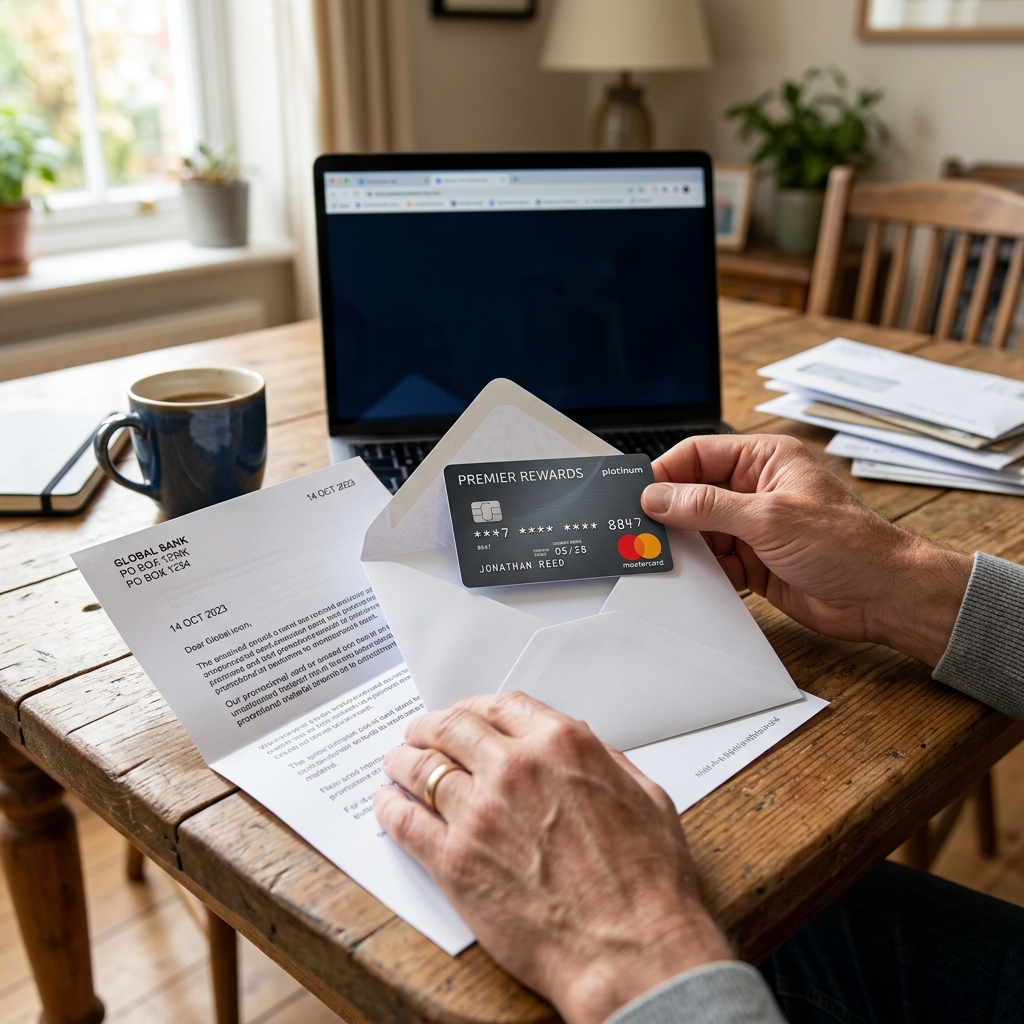
Receiving a credit card you never requested can be unsettling, but it is also a warning sign worth taking seriously. The card may have been issued because of a bank error, a misdirected application, or identity theft, and the right response depends on which of those is most likely. Consumer agencies advise acting quickly: contact the issuer, review your credit records, and place alerts or freezes when needed.
Why an unexpected card matters
An unsolicited credit card is not just an inconvenience. If someone opened the account using your personal information, the card may be the first visible clue that your identity has been compromised. Fraudsters often try to use newly opened accounts quickly, before the real consumer notices suspicious activity.
Even when the card results from a clerical mistake, you still need to document the issue and confirm that no account exists in your name without your consent. A fast, organized response helps reduce the chance of unauthorized charges, collection problems, or damage to your credit history.
First, confirm whether the account is actually yours
Start by looking at the envelope, card, and any paperwork that came with it. Check the name, address, and issuer carefully. If the card is addressed to you but you never applied, that does not mean the matter is harmless; it could still point to identity theft or a marketing error by the issuer.
If the card is in someone else’s name but arrived at your address, avoid activating it or sharing it with anyone who is not authorized to use it. Hold on to the envelope and any inserts, since they may help the issuer trace the account or investigate a mistake.
Contact the card issuer right away
The issuer should be your first call. Explain that you received a credit card you did not apply for and ask whether an account was opened in your name. Federal consumer guidance recommends contacting the issuer immediately when card fraud is suspected and asking that the card be blocked or replaced if necessary.
Keep a record of every conversation. Write down the date, the time, the representative’s name, and any reference number. If the issuer says the card was mailed because of an application, ask for the application details, including the date, method, and address used. If the issuer says no account was opened, ask for written confirmation.
| Step | Why it helps |
|---|---|
| Call the issuer immediately | Stops further use and starts the investigation. |
| Ask for written confirmation | Creates proof that the account was disputed or closed. |
| Save all documents | Supports future disputes with creditors or credit bureaus. |
| Check your credit file | Shows whether other accounts were opened without permission. |
Check your credit reports for unfamiliar accounts
If a card was opened without your knowledge, the issue may extend beyond one account. Review your credit reports to look for any inquiries, new accounts, or address changes you do not recognize. Consumer guidance from the FTC notes that fraud alerts and credit freezes can make it harder for scammers to open new credit accounts in your name.
Look closely at the names of creditors, account opening dates, and balances. A single suspicious entry can be the clue that other identity theft activity has occurred. If you spot an account you never opened, dispute it with the credit bureau and the lender as soon as possible.
Place a fraud alert or credit freeze if needed
If you suspect identity theft, adding a fraud alert is a practical next step. A fraud alert tells lenders to take extra care before granting new credit, while a credit freeze makes it harder for anyone to open new accounts using your file.
These tools serve different purposes. A fraud alert is useful when you want extra scrutiny but still expect to apply for credit. A freeze is stronger protection when you believe your information has been exposed and you want to block new credit applications until you lift the freeze.
Protect your money and other accounts
An unexpected card can be one part of a broader fraud pattern, so it is wise to strengthen your other accounts at the same time. Major financial institutions advise monitoring statements, enabling alerts, and reviewing account activity regularly so that suspicious transactions can be caught early.
- Turn on text, email, or app alerts for card activity.
- Review recent purchases and pending transactions.
- Change passwords for banking and email accounts if you suspect exposure.
- Use unique passwords and two-factor authentication where available.
- Avoid logging in through public Wi-Fi when handling sensitive financial information.
These habits do not solve identity theft on their own, but they reduce the chance that a thief can keep using your information after the first incident is discovered.
Watch for related warning signs
An unsolicited card may be followed by other signs that your personal information is being used. Common red flags include bills you do not recognize, denied credit applications, calls from collection agencies, or changes to your mailing address on file with financial institutions.
Phishing emails and text messages are another risk because fraudsters often try to gather more details after an initial breach. Security guidance from financial institutions recommends being careful with unexpected messages, checking web addresses, and avoiding suspicious links or attachments.
If the card was a mistake, still close the loop
Sometimes a card is mailed because of a processing error, a duplicate application, or a problem with the address on file. Even then, do not simply throw it away. Ask the issuer to confirm in writing that the card has been canceled and that no account remains open in your name.
If the issuer says the card was never activated and no account exists, keep the documentation anyway. If any later bill or collection notice appears, you will want proof that you reported the issue promptly and in good faith.
What not to do
When people receive a card they never requested, they sometimes make avoidable mistakes. The safest approach is to treat the card as sensitive financial property, even if you believe it came to you by accident.
- Do not activate the card “just to see what happens.”
- Do not make a purchase with it, even to test whether it works.
- Do not give the card or the number to anyone else.
- Do not ignore it, even if no charges have appeared yet.
- Do not assume the problem is solved just because the card was not used immediately.
How to reduce the chance of future problems
Preventive habits matter because identity theft often starts with small exposures: a stolen password, a phishing message, a lost wallet, or a compromised mailbox. Banks and consumer safety guidance recommend using strong passwords, checking statements regularly, and keeping devices updated with the latest security patches.
Shred financial documents before discarding them, keep an eye on your mail, and be cautious when sharing personal information over the phone. If someone contacts you unexpectedly and claims to be from a bank or government agency, hang up and call the official number yourself.
When to escalate the matter
If you discover actual unauthorized charges, repeated attempts to open accounts, or signs that multiple parts of your identity have been misused, escalate quickly. The OCC advises consumers to contact the issuer, place a fraud alert, report the theft through appropriate channels, and file a police report when necessary.
Escalation becomes especially important if the fraudulent account is affecting your credit score, if collection notices begin arriving, or if the lender refuses to acknowledge your dispute. In those situations, a written paper trail is essential and may later support a formal complaint or legal follow-up.
Frequently asked questions
Is an unsolicited credit card always a sign of identity theft?
No. It can also result from a bank or mailing error. But because it may signal unauthorized activity, you should treat it as a possible fraud event until the issuer confirms otherwise.
Should I destroy the card if I did not ask for it?
Do not destroy it before contacting the issuer. The card and envelope may help identify how it was issued and whether an account exists in your name.
What is the difference between a fraud alert and a credit freeze?
A fraud alert tells lenders to verify your identity more carefully, while a credit freeze restricts access to your credit file so new accounts are harder to open.
How often should I check my credit reports?
Check them regularly, especially after any sign of suspicious activity. Regular review helps you catch unknown accounts, new inquiries, or address changes before they cause larger problems.
What if the card is in my name but I never applied?
Contact the issuer immediately, ask for an investigation, and review your credit reports for other unfamiliar accounts. If needed, place a fraud alert or credit freeze and dispute any inaccurate records.
References
- How to Help Prevent Credit Card Fraud — Equifax. 2025-01-15. https://www.equifax.com/personal/education/credit-cards/articles/-/learn/how-to-help-prevent-credit-card-fraud/
- How to Prevent & Protect Against Latest Credit Card Frauds — Bank of America. 2025-03-01. https://business.bofa.com/en-us/content/latest-credit-card-frauds-prevention.html
- Credit card fraud detection and prevention — Stripe. 2025-02-12. https://stripe.com/resources/more/credit-card-fraud-detection-and-prevention
- Credit Card and Debit Card Fraud — Office of the Comptroller of the Currency. 2025-06-10. https://www.occ.gov/topics/consumers-and-communities/consumer-protection/fraud-resources/credit-card-and-debit-card-fraud.html
- Tips to Prevent Credit Card Fraud — Regions Bank. 2025-04-22. https://www.regions.com/insights/personal/article/tips-to-prevent-credit-card-fraud
- 10 tips to prevent credit card fraud and keep your card safe — Fidelity. 2025-03-18. https://www.fidelity.com/learning-center/personal-finance/10-credit-card-security-tips
- Credit Freezes and Fraud Alerts — Federal Trade Commission. 2025-05-07. https://consumer.ftc.gov/articles/credit-freezes-and-fraud-alerts
Similar Articles








Read full bio of Sneha Tete




