
Understanding Wobbler DUIs in California
Learn how California wobbler DUI charges work, when a DUI can be a felony or misdemeanor, and why that distinction matters for your record and future.
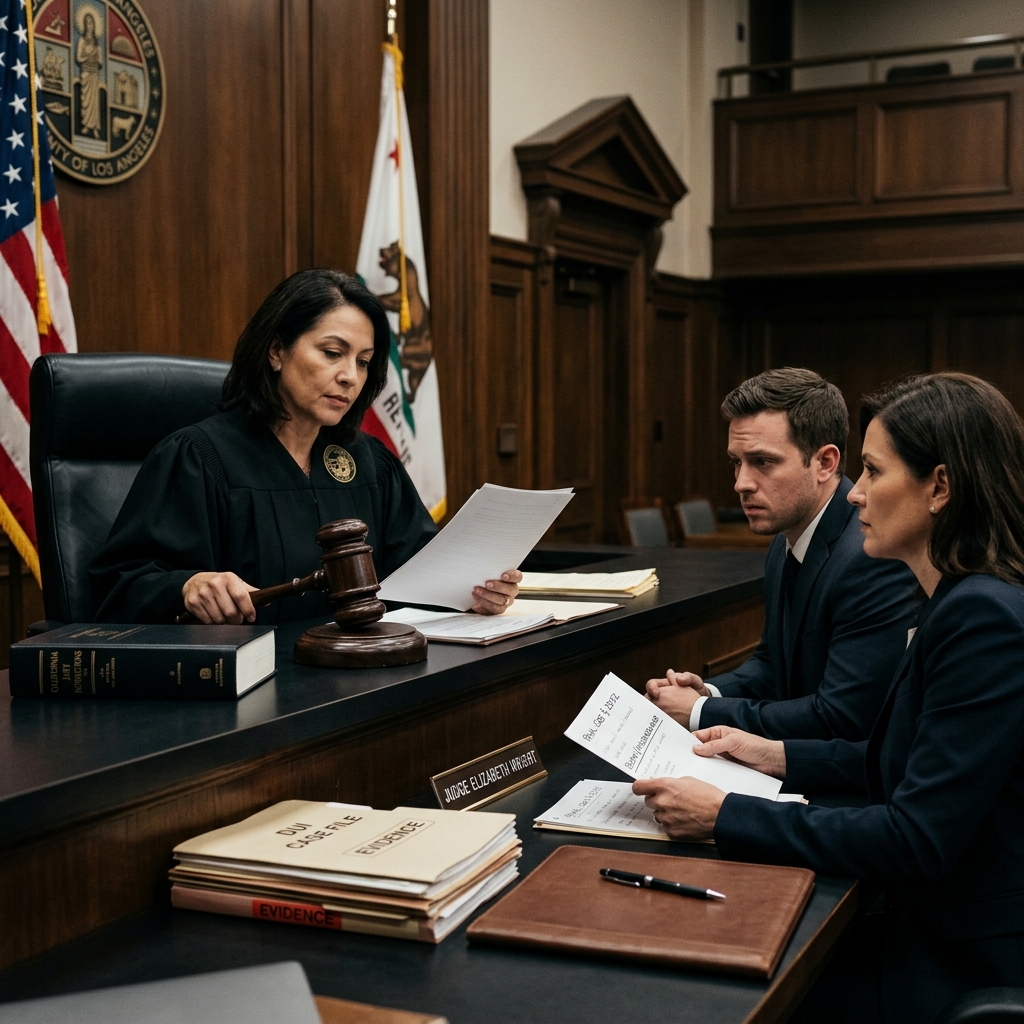
In California, not every driving under the influence (DUI) case is treated the same. Some DUI offenses fall into a special category called wobblers, meaning they can be prosecuted either as misdemeanors or as felonies depending on the facts and the defendant’s history. These cases carry higher stakes because the way they are charged can dramatically change the potential punishment and long-term consequences.
This article explains what wobbler DUIs are, when a DUI might be considered a wobbler under California law, how prosecutors and judges make charging and sentencing decisions, and why understanding this concept is crucial if you or someone you know is facing DUI allegations.
What Is a Wobbler Offense in California?
California recognizes three basic categories of offenses: felonies, misdemeanors, and infractions. A wobbler is a crime that can be punished either as a felony or as a misdemeanor. The same statute can “wobble” between these two levels, and the decision is often made by the prosecutor, and sometimes by the court, at various stages of the case.
- Felony: The most serious category of crime, typically punishable by time in state prison, substantial fines, and long-term collateral consequences.
- Misdemeanor: Less serious than a felony, generally punishable by up to one year in county jail and lower fines.
- Infraction: A non-criminal offense, usually punishable only by a fine and no jail time.
For wobbler offenses, California law allows reduction from felony to misdemeanor at several points, including charging, preliminary hearing, sentencing, or in some situations after successful completion of felony probation.
How DUI Charges Fit Into the Wobbler Framework
Most standard DUI cases in California—where there is no injury and the driver has limited or no prior record—are prosecuted as misdemeanors. However, certain DUI statutes and fact patterns elevate the offense to a wobbler, exposing the defendant to potential felony treatment.
California Vehicle Code provisions distinguish between simple DUI and DUI causing injury. A typical first-offense DUI under Vehicle Code §23152 is treated as a misdemeanor, with penalties that can include up to six months in county jail, fines, and license consequences. By contrast, DUI causing bodily injury, prosecuted under Vehicle Code §23153, can be charged either as a misdemeanor or as a felony depending on the circumstances, making it a classic example of a wobbler.
Key Features of Wobbler DUIs
- Same underlying conduct (driving under the influence) may qualify as either misdemeanor or felony.
- Prosecutors have discretion to choose how to file the charge.
- Injury to others, prior DUI convictions, or other aggravating factors often trigger wobbler treatment.
- Judges can sometimes reduce a wobbler felony to a misdemeanor at specific stages of the case.
When Is a DUI Considered a Wobbler?
Not every DUI qualifies as a wobbler. A DUI is more likely to be treated this way when the law provides for both misdemeanor and felony punishment and serious factors are present. California practitioners often see wobbler DUI charges in the following scenarios:
- DUI causing bodily injury, charged under Vehicle Code §23153.
- Multiple prior DUI convictions within a defined period, particularly three or more in ten years.
- Prior felony DUI conviction combined with a new DUI offense.
When a DUI causes injury, the statute specifically provides sentencing ranges that include both county jail (misdemeanor-level) and state prison (felony-level) options. This structure allows the offense to be treated as a wobbler. For example, a first injury DUI can result in either 90 days to one year in county jail or 16 months, two, or three years in state prison, depending on whether it is sentenced as a misdemeanor or felony.
Cases That Are Not Wobblers
Some DUI-related conduct is automatically treated as a felony and is not subject to wobbler handling. For example, if a DUI collision results in death and the case is charged under more serious statutes such as gross vehicular manslaughter or other homicide-related laws, the offense falls outside the wobbler framework and is prosecuted solely as a felony.
Legal Standards Behind DUI Charges
California’s DUI laws are built on defined blood alcohol concentration (BAC) thresholds and impairment standards. State law makes it illegal to drive with a BAC of 0.08% or higher for most drivers, with lower thresholds for commercial drivers, drivers under 21, and those on DUI probation.
- 0.08% or higher for most adult drivers.
- 0.04% or higher for commercial license holders and drivers transporting passengers for hire.
- 0.01% or higher for drivers under 21 or those on DUI probation.
Additionally, California law treats a BAC of 0.08% or more as raising a rebuttable presumption of intoxication. Even when BAC is below 0.08%, driving may still be illegal if drugs or alcohol impair the person’s ability to drive safely.
Penalty Differences: Misdemeanor vs Felony DUI
The distinction between misdemeanor and felony treatment in a wobbler DUI has substantial consequences. Sentencing ranges, fines, and collateral effects differ sharply between the two categories.
| Aspect | Misdemeanor DUI (Non-Injury) | Injury DUI as Misdemeanor (Wobbler) | Injury DUI as Felony (Wobbler) |
|---|---|---|---|
| Typical jail/prison range | 96 hours to 6 months in county jail for a first offense. | 90 days to 1 year in county jail. | 16 months, 2 years, or 3 years in state prison. |
| Fines | $390 to $1,000 for a first offense. | Similar base fine range to non-injury DUI, often with added conditions. | $390 to $5,000 depending on prior convictions and enhancements. |
| Enhancements | Possible sentence enhancements for refusal to submit to testing. | May include probation conditions and victim restitution. | Additional consecutive prison terms where great bodily injury or multiple victims are involved. |
| Criminal record impact | Misdemeanor conviction; still serious but generally less restrictive than a felony. | Misdemeanor conviction with injury noted, affecting future charging decisions. | Felony conviction with long-term consequences for civil rights and background checks. |
Prosecutorial and Judicial Discretion in Wobbler DUIs
In wobbler cases, the initial decision to charge an offense as a felony or misdemeanor typically lies with the prosecutor. Factors that may influence this decision include the severity of injury, the defendant’s prior record, the BAC level, the presence of aggravating behavior (such as fleeing the scene), and negotiations with defense counsel.
Courts also play an important role. For wobbler offenses, judges can sometimes reduce a felony charge to a misdemeanor at various stages, including at the preliminary hearing, during sentencing, or after probation if the defendant was not sent to prison. This judicial discretion can be critical in DUI injury cases where the facts support less severe treatment.
Examples of Discretion in Practice
- A prosecutor may file a DUI injury case as a felony because the victim suffered significant harm and the driver has multiple prior DUIs.
- A judge may later decide, at sentencing, that the case should be treated as a misdemeanor due to mitigating circumstances such as genuine remorse, prompt restitution, and strong evidence of rehabilitation.
Related Concept: Plea Deals Like “Wet Reckless”
While not itself a wobbler, the concept of a “wet reckless” illustrates how plea bargaining interacts with DUI charges. In California, a wet reckless is essentially a reckless driving conviction involving alcohol, often offered as a plea alternative to a more serious misdemeanor DUI.
Prosecutors have authority under Vehicle Code provisions to allow a defendant charged with DUI to plead guilty or no contest to a lesser reckless driving offense when circumstances justify it. Although this option is generally available only in misdemeanor DUI cases and is more common for first-time offenders, it shows how charging decisions and negotiations can significantly alter the outcome even when the original allegation involves impaired driving.
Collateral Consequences of Wobbler DUI Convictions
Beyond jail or prison and fines, wobbler DUI convictions can affect many aspects of life. The California Department of Motor Vehicles (DMV) imposes license suspensions or revocations following DUI convictions and may require completion of DUI education programs, proof of financial responsibility (such as an SR‑22 or SR‑1P certificate), and installation of ignition interlock devices.
- License suspension or revocation after DUI conviction.
- Mandatory DUI program participation as a condition of reinstatement.
- Proof of insurance filings and related costs.
- Ignition interlock device requirements in some cases.
Felony DUI convictions carry additional consequences, such as restrictions on firearm possession, potential impacts on immigration status, and more severe results in future criminal proceedings. Because wobbler DUIs can result in felony or misdemeanor records, the classification chosen in a particular case profoundly affects these long-term outcomes.
Why Understanding Wobbler DUIs Matters
From a practical standpoint, understanding wobbler DUIs helps defendants and families appreciate why similar-looking incidents can produce very different legal outcomes. Two individuals may both be arrested for DUI after crashes, yet one faces a felony prosecution and substantial prison exposure while the other receives misdemeanor charges and probation.
Awareness of the wobbler framework underscores the importance of:
- Knowing which statute is being charged and whether it allows both misdemeanor and felony punishment.
- Recognizing the role of injury, prior convictions, and aggravating behavior in charging decisions.
- Understanding potential opportunities to seek reduction from felony to misdemeanor at key stages in the case.
Frequently Asked Questions About Wobbler DUIs
1. Is every DUI in California a wobbler?
No. Most first-time, non-injury DUIs are charged under Vehicle Code §23152 and treated as misdemeanors, not wobblers. Wobbler treatment becomes relevant when the statute and facts permit both misdemeanor and felony punishment, such as DUI causing injury under §23153 or cases involving multiple priors or prior felony DUIs.
2. Who decides whether a wobbler DUI is filed as a misdemeanor or felony?
Initially, the prosecutor makes this decision when filing charges. However, judges can later reduce a wobbler felony to a misdemeanor at certain stages, including at the preliminary hearing, at sentencing, or after probation, as long as specific statutory conditions are met.
3. Does a wobbler DUI always result in prison time?
No. A wobbler DUI can be punished as a misdemeanor, with county jail time and probation, rather than as a felony with potential state prison. For example, an injury DUI can lead to 90 days to one year in county jail if sentenced as a misdemeanor, or 16 months to three years in state prison if treated as a felony.
4. How do prior DUI convictions influence wobbler status?
Multiple prior DUI convictions increase the likelihood that a new offense will be treated as a wobbler or outright felony, especially if there are three or more prior DUIs within a ten‑year period or a prior felony DUI on the record. Prior convictions also affect sentencing ranges and available enhancements.
5. What role does the DMV play after a wobbler DUI conviction?
The DMV is responsible for administrative actions following a DUI conviction, including license suspension or revocation, requiring completion of DUI programs, proof of insurance, and possibly ignition interlock devices. These measures apply regardless of whether the DUI is treated as a misdemeanor or felony, although the details may differ based on the severity of the offense and prior record.
References
- Why is a DUI Sometimes Considered a “Wobbler” Charge? — jD LAW. 2019-06-12. https://jdlaw.law/blog/why-is-a-dui-sometimes-considered-a-wobbler-charge/
- Legal definition of a “Wobbler” in California law — Shouse Law Group. 2023-05-01. https://www.shouselaw.com/ca/defense/laws/wobbler/
- What Is a “Wet Reckless” in California? — Brownstein Law Group, PC. 2022-03-10. https://www.brownsteinlawgroup.com/blog/what-is-a-wet-reckless-in-california/
- California DUI Laws — National College for DUI Defense (NCDD). 2020-01-15. https://www.ncdd.com/california-dui-laws
- California Driver Handbook: Alcohol and Drugs — California Department of Motor Vehicles. 2024-01-01. https://www.dmv.ca.gov/portal/handbook/california-driver-handbook/alcohol-and-drugs/
- Being Charged with a Wobbler Offense in California — Wallin & Klarich. 2021-08-30. https://www.wklaw.com/what-does-being-charged-with-a-wobbler-offense-in-california-mean/
Similar Articles








Read full bio of Sneha Tete




