
Understanding Voter Intimidation Laws and Your Rights
Learn how voter intimidation is defined, prohibited, and enforced — and what you can do if your right to vote freely is threatened.
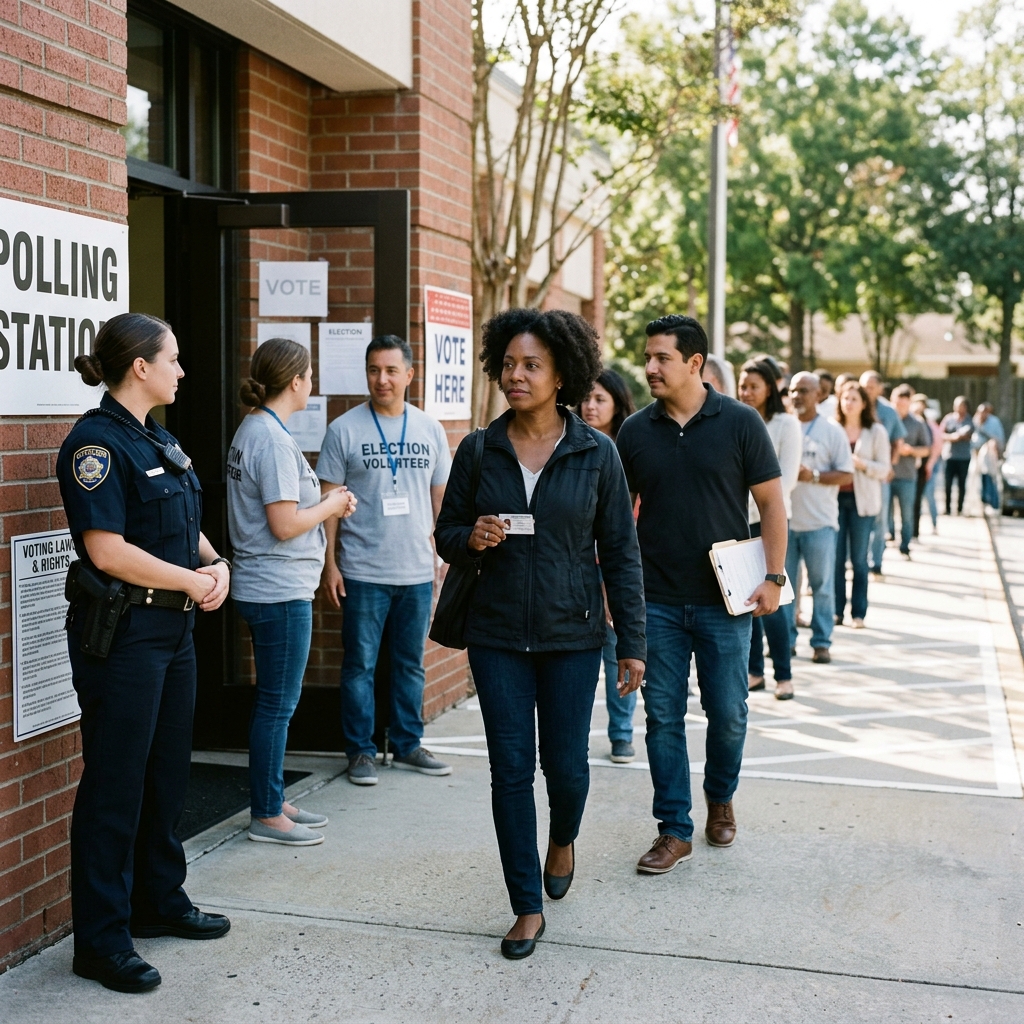
Every eligible voter in the United States has the right to cast a ballot freely, privately, and without fear. Federal and state laws make it illegal to intimidate, threaten, or coerce anyone in connection with voting, from registration through ballot counting. Knowing how voter intimidation works, what legal protections exist, and how to respond is essential to protecting both your individual rights and the integrity of elections.
What Is Voter Intimidation?
Voter intimidation refers to behavior that uses threats, coercion, or pressure to interfere with a person’s right to vote for the candidate or party of their choice. It can involve direct threats of harm, subtle forms of harassment, or actions that make voters feel unsafe or deter them from participating.
Under federal law, voter intimidation includes attempts to intimidate or coerce, even if no physical harm occurs and even if the voter ultimately casts a ballot. The key element is the purpose of interfering with someone’s right to vote or to vote as they choose.
Core elements of voter intimidation
- Targeting a voter or election worker because of their participation in the election process.
- Using threats, coercion, or harassment that could reasonably deter someone from voting or performing election-related duties.
- Intent to interfere with the exercise of voting rights, including attempts and conspiracies.
Legal Framework: Federal and State Protections
Voter intimidation is prohibited nationwide by federal law and further restricted by a network of state statutes. These laws protect voters, volunteers, poll workers, and others who help administer elections.
| Level of law | Main protections | Who is protected |
|---|---|---|
| Federal | Criminal and civil bans on intimidation, threats, and coercion related to voting and elections. | Voters, election workers, volunteers, and individuals involved in registration, voting, and ballot counting. |
| State | Additional criminal offenses, electioneering limits near polls, and rules for removing disruptive individuals. | Voters and third parties involved in the election process, often with specific state definitions. |
Federal criminal prohibition: 18 U.S.C. § 594
The primary federal criminal statute addressing voter intimidation is 18 U.S.C. § 594. It makes it a crime to intimidate, threaten, or coerce, or attempt to intimidate, threaten, or coerce another person for the purpose of interfering with their right to vote or to vote as they choose. Violations can result in fines and up to one year in prison.
Additional federal protections
The U.S. Department of Justice (DOJ) enforces both criminal and civil provisions related to voter intimidation. Other federal laws, including those rooted in voting rights and civil rights statutes, protect against interference at every stage of the election process, such as:
- Registering to vote.
- Receiving assistance at the polls.
- Casting a ballot in person or by mail.
- Counting and certifying vote totals.
State-level protections
Every state prohibits some form of voter intimidation, and many states offer protections that go beyond federal law. For example, states may criminalize harassment outside polling places, restrict electioneering within a specified distance of voting locations, and empower local officials to remove individuals who interfere with voters.
State statutes also commonly:
- Define specific unlawful acts, such as posting intimidating signs near ballot receptacles or mailboxes.
- Protect third parties like poll workers, registration volunteers, and translators who assist voters.
- Provide instructions for reporting intimidation to county election offices or attorneys general.
Examples of Voter Intimidation in Practice
Voter intimidation can take many forms. Some actions are overt, like physical threats, while others involve misinformation or hostile monitoring. The following examples illustrate conduct that may be unlawful when intended to interfere with voting.
Common behaviors that may constitute intimidation
- Physically blocking access to polling places, ballot drop boxes, or county election offices.
- Verbal harassment, including aggressive questioning about citizenship, criminal history, or eligibility to vote.
- Threatening language or gestures directed at voters or election workers.
- Displaying weapons or engaging in menacing conduct near voting locations.
- Posting signs or flyers that threaten arrest, job loss, or other penalties for voting.
- Spreading false information about voting requirements or eligibility, especially aimed at specific communities.[10]
- Filming or photographing voters inside the polling place in a way that could make them fearful or deter them from voting.
- Standing extremely close to voters as they check in or cast ballots, in a way reasonably perceived as intimidating.
Intimidation beyond the polling place
Intimidation is not limited to traditional polling sites. Laws generally cover conduct:
- At secure ballot receptacles and mail ballot drop boxes.
- At USPS mailboxes used to return mail-in ballots.
- At voter registration drives or events.
- During ballot counting and certification processes, where election workers may face threats.
Election Observers and Poll Watchers: Legal Limits
Many jurisdictions allow party representatives, civic organizations, or designated individuals to observe the voting process as poll watchers or election observers. Their presence is intended to promote transparency, not to discourage voting.
However, observers must follow strict rules:
- They may observe procedures but generally cannot interact directly with voters except as allowed by state law.
- They may not confront, challenge, or question voters in ways that could be perceived as threatening or coercive.
- They may not use their role as a pretext to deter eligible voters from casting ballots or to target specific groups.
If observers or poll watchers cross these lines, they can be removed from the polling place and may face legal consequences under voter intimidation statutes.
Consequences for Voter Intimidation
Penalties for voter intimidation can be serious. Under federal law, individuals who intimidate or attempt to intimidate voters may face fines and up to one year of imprisonment. State laws may impose additional or harsher penalties, including longer jail sentences and higher fines.
Potential sanctions
- Federal criminal charges under 18 U.S.C. § 594 and related statutes.
- State criminal charges for intimidation, harassment, or election-related offenses.
- Civil actions, including lawsuits seeking injunctions or damages for rights violations.
- Administrative actions by election officials, such as removal from polling sites and revocation of observer credentials.
Your Rights and Practical Steps if Intimidation Occurs
If you experience or witness voter intimidation, you have the right to seek help and report the incident. Federal, state, and local authorities maintain hotlines and complaint processes to respond quickly.
Immediate actions if you feel threatened
- Prioritize safety. If you are in imminent danger, leave the area if possible and call 911.
- Notify poll workers. Inside or near the polling place, inform an election official or poll worker of the situation.
- Document details. When safe, note time, location, descriptions of people involved, and what was said or done.
Where to report voter intimidation
- Local election officials — such as county election offices or boards of elections.
- State attorneys general or district attorneys — many states provide hotlines for election-related complaints.
- Federal authorities — including the DOJ and FBI.
- Nonpartisan election protection hotlines — such as national coalitions that assist voters.
Reporting intimidation not only protects your own rights but also helps prevent similar conduct from affecting other voters.
Preventive Strategies for Voters
While voter intimidation is illegal and relatively uncommon compared with the number of people who vote each cycle, planning ahead can reduce the risk that you or your community will be deterred from participating.
Before election day
- Learn your rights. Review official guidance from your state election office or trusted civil rights organizations.
- Confirm polling locations and rules. Knowing where to go and what is allowed can reduce anxiety and make it easier to recognize unlawful conduct.
- Consider voting early or by mail if permitted in your state, to avoid potential crowds and confusion.[10]
- Share information with family, friends, and neighbors so they know what voter intimidation is and how to respond.[10]
On election day
- Go with others if you feel more comfortable voting with support from friends or family.[10]
- Stay alert to any behavior that appears designed to scare or deter voters.
- Use official channels to raise concerns with poll workers or election officials if something seems wrong.
Frequently Asked Questions (FAQs)
Is every unpleasant interaction at the polls considered voter intimidation?
Not necessarily. Voter intimidation generally involves threats, coercion, or harassment intended to interfere with a person’s right to vote. Minor disputes or routine enforcement of lawful rules may be uncomfortable but are not automatically illegal. However, if conduct makes you fear consequences for voting or not voting a certain way, it may rise to the level of intimidation and should be reported.
Does voter intimidation have to be successful to be illegal?
No. Federal law covers attempts to intimidate, threaten, or coerce voters, even if the voter ultimately casts a ballot. The legal focus is on the conduct and intent of the person engaging in intimidation, not only on the outcome.
Are election workers and volunteers protected as well?
Yes. Laws against intimidation protect not only voters, but also election workers, volunteers, and others involved in the election process. Threats or harassment aimed at these individuals can undermine the administration of elections and are often treated as serious offenses.
Can law enforcement officers be present near polling places?
In some circumstances, law enforcement may be present for legitimate security needs. However, using a show of force to deter participation or to make voters fearful can itself be unlawful intimidation.[10] The legality depends on intent, context, and compliance with federal and state rules.
How do I know which hotline or office to contact?
Most state election websites list contact information for reporting problems at the polls, including voter intimidation. National nonpartisan election protection hotlines and federal agencies like the DOJ and FBI also accept reports. If you are unsure, start with local poll workers or your county election office; they can direct you to the appropriate authority.
Key Takeaways
- Voter intimidation is illegal under federal and state law, whether it takes the form of threats, coercion, harassment, or attempts to interfere with voting.
- Protections extend across the entire election process, from registration to ballot counting, and cover voters as well as election workers and volunteers.
- Common forms of intimidation include blocking access to polls, aggressive questioning, spreading false information, and threatening job loss or legal consequences for voting.
- Penalties can include fines, imprisonment, civil liability, and removal from polling places for those who engage in intimidation.
- Voters should report suspected intimidation to election officials, law enforcement, or federal and nonpartisan hotlines, prioritizing safety first.
References
- Intimidation of voters — Ballotpedia. 2020-10-01. https://ballotpedia.org/Intimidation_of_voters
- 18 U.S. Code § 594 – Intimidation of voters — Legal Information Institute, Cornell Law School. 2022-01-01. https://www.law.cornell.edu/uscode/text/18/594
- Voter Intimidation: What It Is, and What to Do — FindLaw. 2022-09-20. https://www.findlaw.com/voting/how-do-i-protect-my-right-to-vote/voter-intimidation-what-is-it-and-what-to-do.html
- Protecting Voters from Intimidation — Campaign Legal Center. 2022-10-15. https://campaignlegal.org/democracyu/inclusion/protecting-voters-intimidation
- Guide to Laws Against Intimidation of Voters and Election Workers — Brennan Center for Justice. 2022-08-30. https://www.brennancenter.org/our-work/research-reports/guide-laws-against-intimidation-voters-and-election-workers
- Voter Intimidation Under Federal Law — U.S. Department of Justice, Civil Rights Division. 2021-09-01. https://www.justice.gov/crt/media/1348556/dl?inline
- What is voter intimidation? — American Civil Liberties Union (ACLU). 2020-09-01. https://www.aclu.org/sites/default/files/field_pdf_file/kyr-voterintimidation-v03.pdf
- Voter Intimidation — Commonwealth of Pennsylvania, Department of State. 2022-10-01. https://www.pa.gov/agencies/vote/voter-support/your-rights-and-the-law/voter-intimidation
- Voter Intimidation — New York State Board of Elections. 2022-11-01. https://elections.ny.gov/voter-intimidation
- How to spot (and push back against) federal voter intimidation — Protect Democracy. 2020-10-22. https://protectdemocracy.org/work/how-to-spot-and-push-back-against-federal-voter-intimidation/
Similar Articles








Read full bio of Sneha Tete




