
Understanding Public Insurance Adjusters
Learn how public insurance adjusters work, what they do, and when hiring one can help you maximize and simplify your insurance claim.
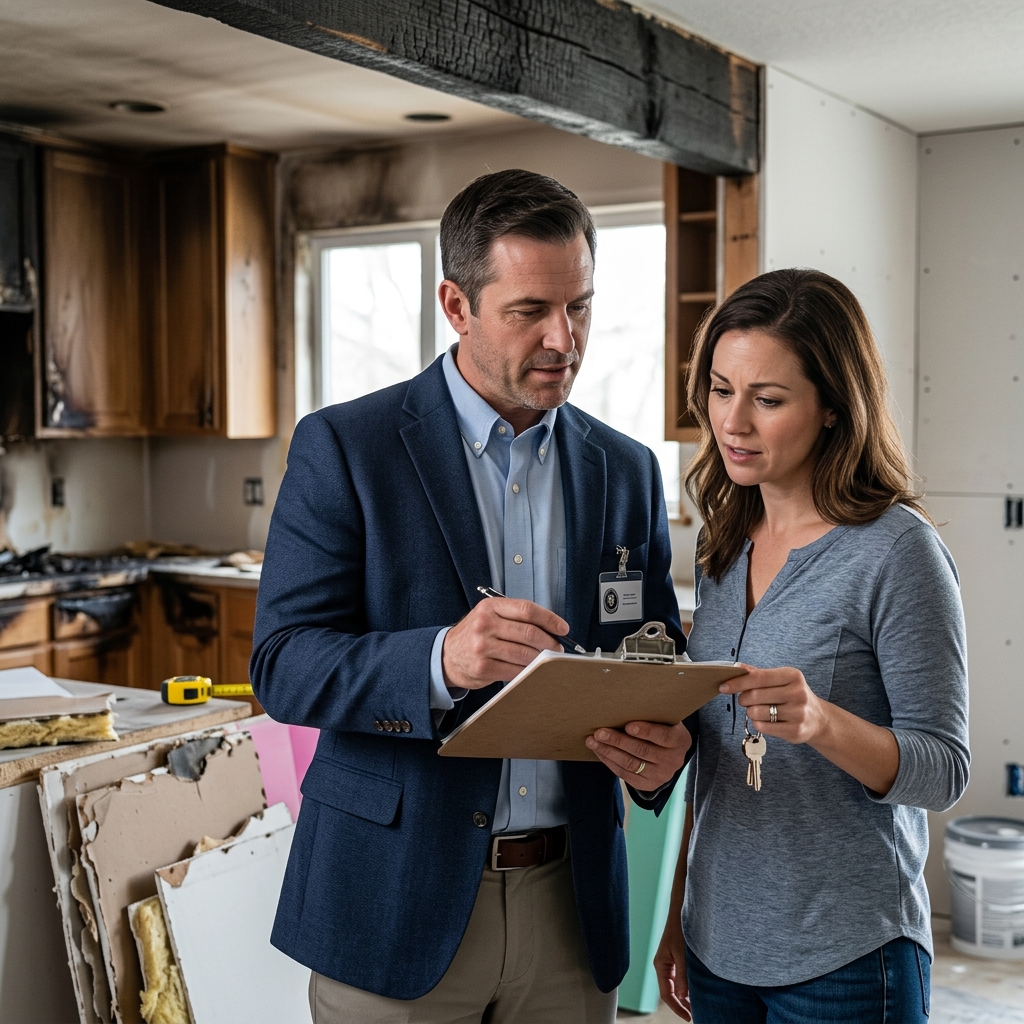
When you suffer a major loss to your home, business, or belongings, dealing with the insurance claim process can be overwhelming. A public insurance adjuster is a licensed professional who can step in to manage and negotiate your claim on your behalf, working only for you, not the insurance company. This guide explains what public adjusters do, how they differ from other types of adjusters, and how to decide whether hiring one is right for your situation.
What Is a Public Insurance Adjuster?
A public insurance adjuster is an independent claim professional hired by a policyholder to help document, present, and negotiate an insurance claim. Unlike adjusters employed or contracted by insurance companies, public adjusters represent the insured’s interests exclusively and charge a fee—usually a percentage of the claim payment—for their services.
Public adjusters typically focus on property damage claims, such as:
- Residential property losses (fire, wind, hail, theft, water damage)
- Commercial property damage and business interruption claims
- Catastrophe-related losses (hurricanes, floods where covered, tornadoes, wildfires)
Their work centers on understanding your insurance policy, assessing damage, preparing detailed claim documentation, and negotiating with the insurer to reach a settlement that reflects the coverage you purchased.
How Public Adjusters Differ from Other Adjusters
Several kinds of adjusters may be involved in a claim. Understanding the differences helps you see where a public adjuster fits in.
| Type of Adjuster | Works For | Who Pays Them | Main Objective |
|---|---|---|---|
| Company (staff) adjuster | Insurance company | Insurance company salary | Investigate and settle claims consistent with company policies and applicable law. |
| Independent adjuster | Insurance company (via contract) | Insurer pays per assignment | Handle overflow or specialized claims for insurers, still serving company interests. |
| Public adjuster | Policyholder (the insured) | Policyholder, based on percentage of settlement | Advocate for the insured by documenting and negotiating the claim to maximize covered recovery. |
Company and independent adjusters are obligated to follow the insurer’s guidelines and protect the company’s financial interests. Public adjusters, by contrast, focus on the policyholder’s rights under the contract and aim to secure the full benefits available under the policy—not more than the policy allows, but not less either.
Core Services a Public Adjuster Provides
Public adjusters offer a range of services designed to make the claims process more manageable and thorough for policyholders.
- Policy review and coverage analysis
They examine your insurance policy, endorsements, and exclusions to determine what is covered and under which conditions. This helps avoid overlooked coverages and misinterpretations of the policy language. - Damage assessment and documentation
Public adjusters inspect the property, identify all affected areas, and prepare a detailed inventory of damaged items, including photos, measurements, repair estimates, and replacement cost calculations. - Claim preparation
They compile supporting documentation—such as contractor estimates, receipts, and business records—and organize it in a format that insurers expect, improving clarity and reducing delays. - Communication with the insurer
Public adjusters handle much of the back-and-forth with the company’s adjuster, responding to information requests and advocating for the policyholder’s position on disputed items. - Negotiation of settlement
Once the insurer issues an offer or partial payment, the public adjuster can negotiate regarding the scope of damage, pricing, and application of coverage limits and deductibles. - Claim strategy and timing
They advise on when to submit items, how to handle supplemental claims, and how to deal with partial payments or reservations of rights from the insurer.
Fees and Compensation: What You Can Expect
Public adjusters do not work for the insurance company and are not paid by the insurer. Their compensation typically comes from a percentage of the final claim payment.
Key points about fees:
- Percentage-based fees: Many states limit public adjuster fees to a percentage of the total amount paid by the insurer on the claim, often in the range of 10–15%, though caps vary by jurisdiction.
- Fee caps and state regulation: Some state insurance departments set maximum fee percentages, especially after catastrophes, to protect consumers from excessive charges.
- Scope of fee: The fee may apply to the entire settlement or only to the additional amount obtained after the adjuster is hired; this must be spelled out in the contract and should be clarified before signing.
- No guarantee of higher payout: Public adjusters cannot legally obtain more than what is owed under the policy; their role is to help you collect the full amount you are entitled to, not to create benefits that don’t exist in the contract.
Before hiring a public adjuster, you should carefully review the fee agreement and understand how the compensation is calculated and when it becomes payable.
Licensing, Regulation, and Consumer Protections
Public adjusters are regulated at the state level in the United States. In most states, they must hold a license issued by the state insurance department, pass an exam, and comply with continuing education and ethical standards.
Typical regulatory requirements include:
- Licensing: Public adjusters generally must be licensed, similar to company and independent adjusters, and may need to post a bond to ensure compliance with the law.
- Contract rules: States often require written contracts that clearly disclose fees, services, and the policyholder’s right to cancel within a specified period.
- Disciplinary oversight: Insurance departments can investigate complaints, issue fines, suspend licenses, or revoke them for misconduct or violations of state rules.
- Continuing education: Many jurisdictions require periodic training or education for license renewal to keep adjusters current on law and practice.
State insurance regulators typically offer consumer information on public adjusters and provide a process for filing complaints if you believe your adjuster has acted improperly.
Benefits of Hiring a Public Adjuster
Working with a public adjuster is not mandatory, but it can be beneficial in certain circumstances. Some of the potential advantages include:
- Expertise in claims handling: Public adjusters understand claim procedures, industry practices, and technical aspects of estimating damage, which can be difficult for policyholders to manage on their own.
- Time savings for the policyholder: Large property claims involve detailed paperwork, repeated inspections, and extensive communication. Having a professional manage these tasks can free the policyholder to focus on recovery and rebuilding.
- More complete documentation: Experienced adjusters are skilled at identifying hidden damage, secondary losses, and applicable coverages that sometimes get overlooked in initial insurer assessments.
- Negotiation support: When there is disagreement about repair scope or price, a public adjuster can present alternative estimates and technical arguments to support a higher covered amount.
- Emotional buffer: After a traumatic event like a fire or hurricane, dealing directly with the insurer can be stressful. A public adjuster can act as an intermediary, reducing the emotional strain.
Risks and Limitations to Consider
Despite the potential benefits, hiring a public adjuster is not always necessary or advantageous. Some important limitations and risks include:
- Cost of representation: The fee you pay reduces the net amount you receive from the claim. For smaller claims or straightforward losses, this cost may outweigh the value of the services.
- No legal representation: Public adjusters are not attorneys and cannot provide legal advice or represent you in court. If your dispute involves legal issues beyond claim valuation, you may need a lawyer.
- Quality varies: As with any profession, skills and ethics vary. Some adjusters provide excellent service, while others may underperform or engage in aggressive marketing that raises concerns.
- Possible delays: In some cases, adding another layer to the process can slow down claim resolution, particularly if communication between the adjuster and insurer is not well managed.
- State restrictions: There may be limitations on when and how public adjusters can approach policyholders, especially immediately after disasters, to prevent exploitation of vulnerable consumers.
When Should You Consider Hiring a Public Adjuster?
Not every claim requires professional representation. However, certain situations often justify considering a public adjuster:
- Large or complex property losses: Major structural damage, extensive contents losses, or business interruption claims can involve complicated calculations and coverage questions.
- Disputes about the insurer’s estimate: If you believe the company’s assessment undervalues the damage or ignores important items, a public adjuster can reassess and present a detailed counter-estimate.
- Limited time or expertise: Policyholders who lack the time, technical knowledge, or comfort level to manage the claim themselves may find professional help worthwhile.
- Language or communication barriers: A public adjuster may help policyholders who struggle with technical terminology or who are unfamiliar with claim procedures.
- Multiple properties or overlapping coverages: Owners with several locations or multiple insurance policies may benefit from coordinated claim management.
How to Choose a Qualified Public Adjuster
If you decide to explore hiring a public adjuster, selecting a qualified professional is critical. Consider the following steps:
- Verify licensing: Confirm through your state insurance department that the adjuster holds an active public adjuster license and check whether there have been complaints or disciplinary actions.
- Ask for references: Request names of past clients and, if possible, speak with them about their experience and results.
- Review experience and focus: Inquire about the types of claims they handle (residential, commercial, specific industries) and how long they have been in practice.
- Evaluate communication style: You should feel comfortable asking questions and receiving clear explanations. Good communication is essential for a productive relationship.
- Compare fee structures: Ask several adjusters about their fees and what those fees cover. A slightly higher fee might be justified if the adjuster offers greater expertise or service.
- Read the contract carefully: Make sure the contract explains what services will be provided, how fees are calculated, whether previously paid claim amounts are included in the fee base, and your right to cancel.
Working Effectively With Your Public Adjuster
Once you hire a public adjuster, there are practical steps you can take to make the relationship more effective:
- Provide complete information: Share your policy documents, prior correspondence with the insurer, receipts, photos, and any damage assessments you already have.
- Set expectations: Discuss timelines, milestones, and how often you will receive updates on claim progress.
- Stay engaged: Even with professional help, you remain the policyholder. Ask questions, review proposals, and understand major decisions.
- Document everything: Keep copies of emails, letters, and notes from conversations with your adjuster and the insurer in case disputes arise later.
- Coordinate with other professionals: If you also hire contractors, engineers, or attorneys, ensure that everyone understands each other’s roles and communicates when needed.
Public Adjusters and Disputes: Your Options
Disagreements may arise, either between you and your insurer or between you and your public adjuster. You have several avenues for resolution:
- Informal negotiation: Many disputes can be resolved through direct discussion and clarification, especially when misunderstandings about coverage or scope are involved.
- State insurance department: You can contact your state insurance regulator to learn more about your rights, verify licenses, and file complaints against adjusters or insurers if you suspect misconduct.
- Professional associations: Some states have public adjuster associations that may help mediate disagreements or offer guidance.
- Legal counsel: For conflicts involving contract interpretation, bad faith, or complex legal issues, you may need to consult an attorney experienced in insurance law.
Frequently Asked Questions About Public Insurance Adjusters
Do I have to use a public adjuster for my claim?
No. Hiring a public adjuster is optional. Many policyholders handle claims directly with the insurer’s adjuster, especially for smaller or straightforward losses. A public adjuster is typically considered for larger, complex, or disputed claims.
Will a public adjuster always increase my payout?
There is no guarantee. Public adjusters cannot obtain more than what your policy allows. Their goal is to ensure that all covered damage is properly documented and valued, which may result in a higher settlement if the original estimate was incomplete or inaccurate.
Can a public adjuster help with liability or injury claims?
Public adjusters more commonly handle property damage and business interruption claims. Liability or injury claims often involve different legal and medical issues and may require legal representation or specialized claim handling by the insurer.
How do I know if a public adjuster is licensed?
You can verify licensing status through your state’s department of insurance, which typically maintains online databases and consumer helplines. These resources may also show complaint histories and disciplinary actions.
Can I cancel my contract with a public adjuster?
Many states give policyholders a short period—such as a few days after signing—to cancel a public adjuster contract without penalty. The exact timeframe and conditions depend on state law and the terms of your agreement, so review your contract and ask about cancellation rights before signing.
References
- What is a public adjuster? — Insurance Information Institute. 2020-06-01. https://www.iii.org/article/what-is-a-public-adjuster
- Public adjusters: What you need to know — Texas Department of Insurance. 2023-03-15. https://www.tdi.texas.gov/tips/public-adjusters.html
- Insurance Adjuster — Hollander Law Firm. 2022-05-10. https://www.hollanderlawfirm.com/resources/insurance-adjuster/
- What is an Insurance Adjuster? — AdjusterPro. 2021-09-20. https://adjusterpro.com/what-is-an-insurance-adjuster/
- How to Choose a Public Adjuster — United Policyholders. 2022-08-18. https://uphelp.org/claim-guidance-publications/how-to-select-a-public-adjuster/
Similar Articles








Read full bio of medha deb




