
Child Neglect: Practical Legal Guide For Parents And Caregivers
A practical legal guide to how U.S. law defines, investigates, and prosecutes child neglect, and what parents and caregivers need to know.
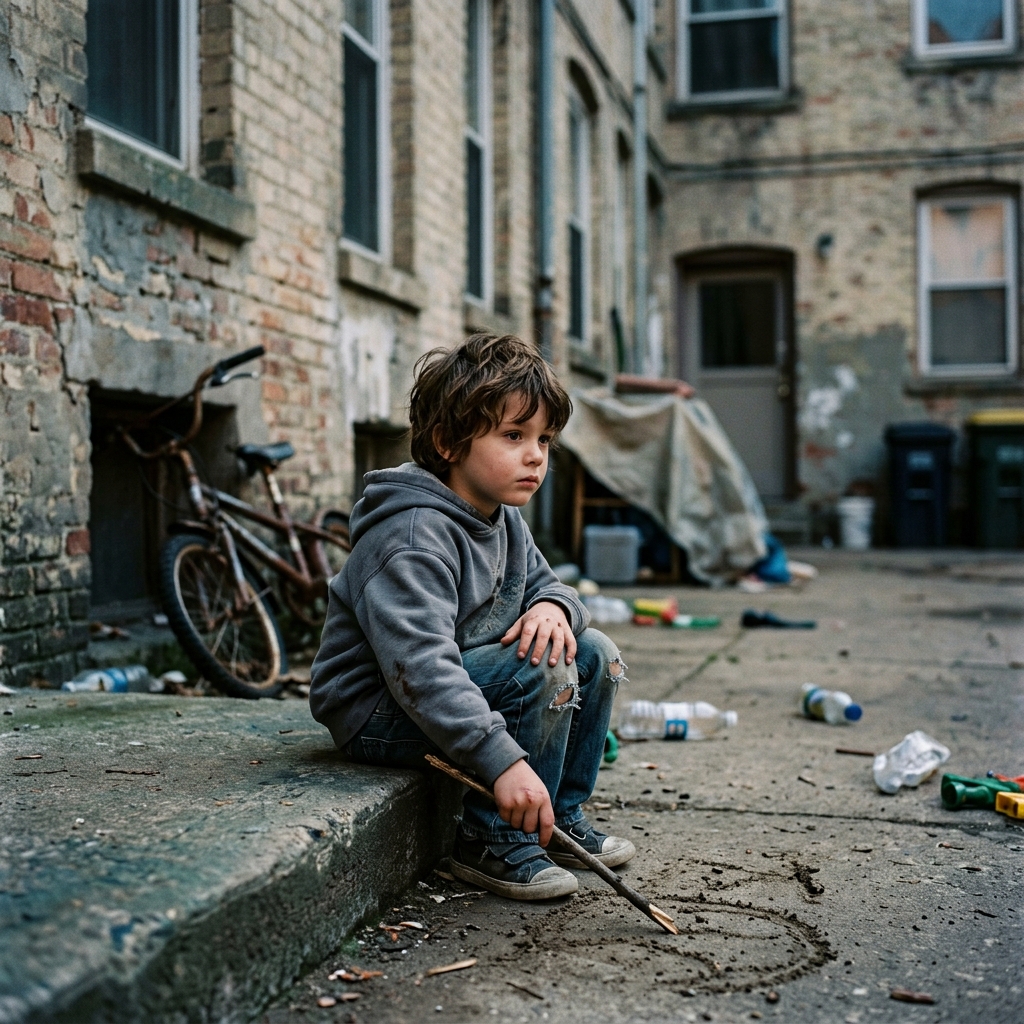
Child neglect is one of the most common forms of child maltreatment and, in many situations, is treated as a crime under state law. While definitions and penalties vary among states, all jurisdictions impose legal duties on parents and other caregivers to provide basic care and safety for children. Failing to meet these duties can lead to involvement with child protective services, juvenile courts, and, in serious cases, criminal prosecution.
This article provides a practical overview of how child neglect is defined, when it becomes a criminal matter, what processes families may face, and how to seek help or legal advice. It is designed for parents, relatives, foster caregivers, and professionals who want a clear, legally grounded explanation, but it does not replace individual legal counsel.
What Is Child Neglect? Core Legal Concepts
Federal law offers a baseline definition of child abuse and neglect, which individual states use as a starting point when drafting their own statutes. Under the Child Abuse Prevention and Treatment Act (CAPTA), neglect generally involves a parent or caregiver’s failure to act in ways that protect a child from harm.
Federal baseline definition
CAPTA defines child abuse and neglect, at a minimum, as:
- Any recent act or failure to act by a parent or caregiver that results in death, serious physical or emotional harm, sexual abuse, or exploitation; or
- An act or failure to act that presents an imminent risk of serious harm to the child.
In this framework, a child is generally defined as a person under age 18 who is not emancipated. States are required to align their civil child protection systems with these minimum standards in order to receive federal child welfare funding.
State-level definitions of neglect
Although wording varies, most state statutes describe neglect as the failure of a parent or other caregiver to provide a child with basic necessities and appropriate supervision. Typical elements include:
- Failure to provide food and adequate nutrition
- Failure to provide clothing suitable for weather and safety
- Failure to provide safe shelter or housing
- Failure to ensure medical and mental health care when needed
- Failure to supervise the child adequately for the child’s age and abilities
- Failure to protect the child from known dangers, including abuse by others[10]
Legal definitions frequently emphasize that neglect may involve a pattern of omissions rather than a single event. States give juvenile courts jurisdiction over children who have been denied proper parental care or whose environment is injurious to their welfare.
| Type of neglect | Typical legal description |
|---|---|
| Physical neglect | Failure to provide food, clothing, shelter, and basic supervision. |
| Medical neglect | Failure to obtain necessary medical or mental health treatment for a child.[10] |
| Educational neglect | Failure to enroll a child in school or ensure regular attendance, where required by law. |
| Emotional neglect | Persistent disregard of a child’s emotional needs or exposure to chronic, harmful environments.[10] |
Neglect vs. Abuse: How the Law Distinguishes Them
Child maltreatment laws usually recognize several categories, such as physical abuse, sexual abuse, emotional abuse, and neglect.[10] These categories overlap, but they are legally distinct and may carry different consequences.
Key differences
- Abuse usually involves intentional acts that inflict harm or create a substantial risk of harm, such as hitting, burning, or sexually exploiting a child.[10]
- Neglect focuses on failures to act—situations where a caregiver does not provide necessary care or protection, allowing harm or risk of harm to develop over time.
Despite this distinction, neglect is often treated as a form of child abuse in legal reporting systems and statistics because it can be just as damaging as overt physical violence.[10] Data from child protective services show that more than three-quarters of substantiated maltreatment cases in the United States are classified as neglect rather than other types of abuse.[10]
When Does Child Neglect Become a Crime?
Not every instance of substandard parenting leads to criminal charges. States generally treat neglect as a criminal matter when it meets statutory thresholds for risk or harm to the child. In many jurisdictions, criminal child neglect is defined as the knowing or reckless failure to provide necessary care, resulting in serious injury or a substantial risk of serious injury.
Common criminal thresholds
While specific language differs, prosecutors often look for evidence of one or more of the following:
- Significant harm to the child’s physical health, emotional well-being, or development
- Imminent risk of serious harm—conditions that make serious injury highly likely if not addressed
- Chronic or repeated neglect after prior warnings or interventions
- Extreme disregard for the child’s safety, such as leaving young children alone for extended periods
- Complicity in abuse, such as allowing another person to harm the child or failing to remove the child from a dangerous situation
In less severe situations, child protective agencies and juvenile courts may respond with civil interventions—such as safety plans, services, and court orders—rather than criminal prosecution. However, when neglect leads to serious injury or death, felony charges may be filed.
Possible criminal charges and penalties
Criminal neglect may be prosecuted under dedicated child neglect statutes or under broader laws such as endangering the welfare of a child. Penalties vary but can include:
- Criminal fines
- Probation with conditions, including parenting classes or treatment
- Jail or prison sentences in serious or repeat cases
- Orders restricting contact with the child or requiring supervised visitation
These criminal consequences are separate from, but often connected with, child protective proceedings that can alter or terminate parental rights.
How Child Neglect Cases Are Reported and Investigated
Preventing and addressing neglect depends heavily on reporting. State laws specify who must report suspected child maltreatment and how agencies respond. Many states now impose a universal duty to report abuse or neglect, not only on professionals but on all members of the public.
Mandatory reporting obligations
Mandatory reporters often include:
- Teachers and school personnel
- Doctors, nurses, and other health professionals
- Social workers and therapists
- Law enforcement officers
- Child care providers
In some states, every adult is required to report suspected child abuse or neglect to the designated authority, typically child protective services or a similar agency.[10] Failure to report can itself be a misdemeanor offense in certain jurisdictions.[10]
Investigation by child protective services
When a report is filed, child protective services (CPS) or an equivalent agency screens the information to decide whether it meets legal criteria for investigation. If accepted, caseworkers may:
- Interview the child and caregivers
- Visit the home to assess living conditions and supervision
- Consult with medical or mental health professionals
- Review school attendance and performance
- Check prior records of complaints or court involvement
Investigations aim to determine whether neglect as defined by state civil law has occurred and whether the child is currently safe. When risk is high, agencies can seek emergency court orders to remove a child or require certain protective actions.
Referral to law enforcement and prosecutors
If CPS identifies potential criminal conduct, it may refer the case to law enforcement for a parallel or joint investigation.[10] Police and prosecutors then decide whether the evidence supports criminal charges based on state statutes. In serious cases, these parallel processes—civil child protection and criminal prosecution—proceed simultaneously.
The Role of Juvenile and Family Courts
Most neglect cases initially go through juvenile or family courts, which focus on the child’s safety and well-being rather than punishment. States grant these courts authority over children who lack proper parental care or who live in conditions harmful to their welfare.
Civil child protection proceedings
In a typical civil neglect case, the court may:
- Determine whether the child has been neglected under state law
- Order services for the family, such as counseling or substance use treatment
- Place the child in foster care or with relatives if safety cannot be ensured at home
- Set conditions for parents to regain custody, including compliance with case plans
The central legal standard is often the child’s best interests, guided by statutory criteria and evidence presented to the court. Long-term outcomes can include reunification, guardianship by relatives, adoption, or termination of parental rights in extreme cases.
Interaction with criminal courts
If neglect meets criminal thresholds, separate proceedings may take place in criminal court. These focus on whether the accused violated a criminal statute and what penalties should apply. Although civil and criminal cases are distinct, findings from one proceeding can influence outcomes in the other—for example, a criminal conviction might support termination of parental rights.
Factors Often Associated With Child Neglect
Research and casework experience reveal consistent patterns in neglect cases, even though each situation is unique. These patterns do not automatically prove neglect, but they frequently appear in situations where neglect is substantiated.
Common risk factors
- Very young children — Children under age three are especially vulnerable to neglect and abuse because they depend completely on caregivers and cannot protect themselves or report harm effectively.[10]
- Parental substance use — Alcohol or drug misuse is commonly present in cases of serious or chronic neglect.
- Poverty and housing instability — Economic hardship can contribute to problems with housing, nutrition, and medical care, though poverty alone does not equal neglect.
- Caregiver mental health challenges — Untreated depression, anxiety, or other conditions may reduce a caregiver’s ability to provide consistent care.
- Domestic violence — Living in a violent household can undermine safety and supervision even if the child is not directly assaulted.
Professional guidelines emphasize that caseworkers and courts should identify specific indicators of neglect rather than relying solely on general risk factors or subjective judgments.
Protecting Children and Preventing Neglect
From a legal standpoint, the strongest protection against neglect charges is consistent compliance with parental duties. From a policy standpoint, effective prevention involves supporting families before problems escalate into crises.
Practical steps for caregivers
Parents and caregivers can reduce legal risk and promote child well-being by focusing on several core responsibilities:
- Ensure regular access to food, safe drinking water, and appropriate clothing.
- Maintain housing that meets basic safety and hygiene standards.
- Provide supervision suited to the child’s age, maturity, and any disabilities.
- Arrange needed medical and mental health care promptly.
- Support school enrollment, attendance, and engagement.
- Protect the child from known risks, including unsafe adults, environments, and activities.[10]
When caregivers face obstacles—such as financial hardship or health issues—they are encouraged to seek support from community resources, social service agencies, or legal aid programs. Early help often prevents situations from deteriorating into neglect.
Legal and social service supports
Depending on the state, available supports may include:
- Public assistance for housing, food, and utilities
- Medical coverage for children, including preventive care
- Parenting education and home-visiting programs
- Substance use and mental health treatment
- Legal aid services for child welfare and family law matters
These programs aim to address underlying problems so families can safely care for their children, reducing the need for court involvement and protecting children from harm.
Frequently Asked Questions About Child Neglect Crimes
Is every poor or unsafe condition in the home considered criminal neglect?
No. Many child welfare systems differentiate between situations that call for support services and those that warrant criminal charges. Criminal neglect typically requires serious harm or a clear, substantial risk of serious harm, often combined with knowledge or recklessness on the part of the caregiver. Minor lapses or poverty-related challenges, by themselves, do not automatically lead to criminal liability.
Can a parent be charged with neglect for someone else’s abuse of the child?
In some states, yes. A caregiver may be charged with neglect or child endangerment if they knowingly allow another person to abuse the child or fail to take reasonable steps to protect the child from known dangers. The precise standard depends on state law and what the caregiver knew or should have known.
What should I do if I suspect a child is being neglected?
State laws generally require suspected child abuse or neglect to be reported to child protective services or a designated hotline.[10] In some jurisdictions, all adults are mandatory reporters. If you have a reasonable suspicion, you should follow your state’s reporting instructions. In emergencies, contacting law enforcement may also be appropriate.
How does neglect affect parental rights?
A finding of neglect in juvenile or family court can lead to orders that limit or restructure parental rights. Depending on the severity and persistence of the problem, the court may impose supervision, place the child in foster care, or ultimately terminate parental rights to free the child for adoption. These decisions are based on state statutes and the child’s best interests.
Do parents need a lawyer in a neglect case?
Because neglect proceedings can affect both parental rights and potential criminal liability, legal advice is strongly recommended. Many states provide appointed counsel for parents in child protection cases who cannot afford an attorney, and legal aid organizations also assist eligible families. An attorney can explain local laws, protect procedural rights, and help parents meet court requirements.
References
- What is child abuse or neglect? — U.S. Department of Health and Human Services (HHS). 2020-05-28. https://www.hhs.gov/answers/programs-for-families-and-children/what-is-child-abuse/index.html
- Definitions of Child Abuse and Neglect — Child Welfare Information Gateway, Children’s Bureau, U.S. Administration for Children and Families. 2019-04-01. https://www.childwelfare.gov/resources/definitions-child-abuse-and-neglect/
- Legislation: Index of Federal Child Welfare Laws — Administration for Children and Families, U.S. Department of Health and Human Services. 2023-01-10. https://www.acf.gov/cb/laws-policies/federal-laws/legislation
- Parental Neglect — Legal Information Institute, Cornell Law School. 2021-06-15. https://www.law.cornell.edu/wex/parental_neglect
- Child Abuse & Neglect — TEDI Bear Children’s Advocacy Center, East Carolina University. 2022-03-01. https://tedibear.ecu.edu/abuse/
- Child Abuse Protection Laws — Darkness to Light. 2021-09-01. https://www.d2l.org/child-abuse-protection-laws/
- Child Abuse Laws and Information by State — FindLaw. 2020-11-15. https://www.findlaw.com/family/child-abuse/child-abuse-laws-state-by-state.html
Similar Articles








Read full bio of medha deb




