
Understanding Car Insurance Photo Inspections
Learn why auto insurers require photo inspections, what to expect, and how to protect your rights and claim after a vehicle accident.
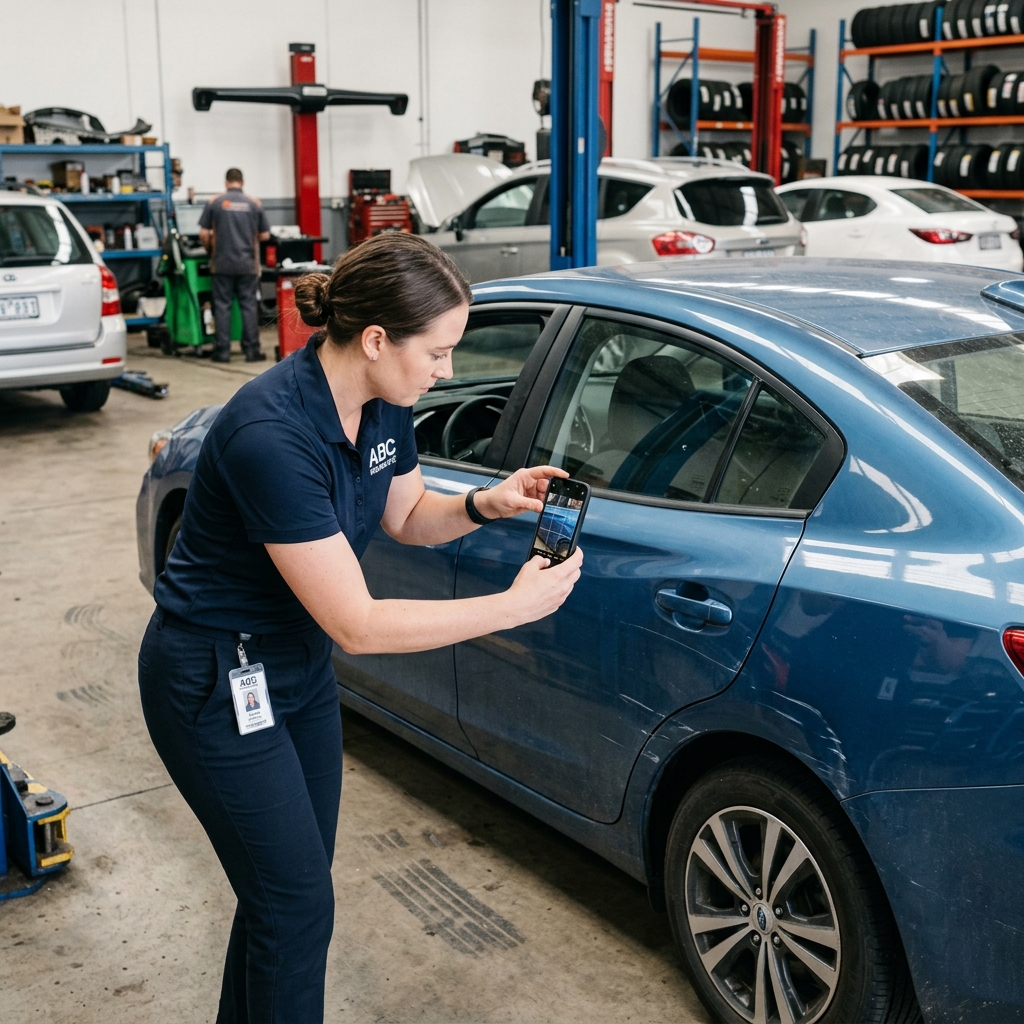
A car insurance photo inspection is a key step in how auto insurers verify the condition of your vehicle and evaluate damage after a crash. It may be required when you first buy coverage, when you change insurers, or when you file a claim after an accident. Knowing how this process works can help you avoid coverage problems and protect the value of your claim.
What Is a Car Insurance Photo Inspection?
A car insurance photo inspection is a visual documentation process where photos of your vehicle are taken to record its condition, features, and any visible damage. These photos are used:
- To prove the vehicle exists and matches the policy details
- To document pre-existing damage and cosmetic issues
- To support liability and damage evaluations after a collision
- To help prevent insurance fraud by creating a baseline record
The inspection can be completed by a third-party inspection company at a designated location, by an adjuster in person, or increasingly through photos you take yourself and upload via a mobile app.
Two Main Situations When Inspections Are Required
Insurers generally use photo inspections in two distinct contexts.
1. Pre-Insurance or Pre-Coverage Inspections
A pre-insurance inspection occurs around the time you buy a new policy or add physical damage coverage (such as collision and comprehensive) to an existing policy. Some states require these inspections as a condition of providing coverage in order to reduce fraud and keep premiums lower.
Pre-insurance inspections help:
- Verify that the vehicle actually exists and matches the vehicle identification number (VIN) on the policy
- Capture the vehicle’s mileage and overall condition
- Record options and accessories that affect value (e.g., custom rims, sunroof)
- Document any prior damage so it is not later claimed as new
2. Post-Accident Claim Inspections
After a collision, insurers often require a photo inspection as part of the claims investigation. A claims adjuster will review photos of the damage to estimate repair costs and determine how much the insurer should pay.
These claim-related inspections help the insurer:
- Confirm that the reported damage matches the accident description
- Assess whether the damage is new, pre-existing, or unrelated
- Estimate repair costs, including labor and parts
- Determine if the vehicle may be a total loss
Why States and Insurers Require Photo Inspections
Some states mandate pre-insurance photo inspections by law, and insurers may require them even where state law does not. The reasons are largely practical and economic.
Fraud Prevention and Cost Control
State regulators and insurers use photo inspections to combat fraud. Photos taken before coverage starts or immediately after a collision create a verifiable record of the vehicle’s condition. This record helps prevent:
- Claims for damage that existed before the policy began
- Inflated repair estimates that include unrelated dents or scratches
- Misrepresentation of vehicle features and options to inflate value
By limiting fraudulent and exaggerated claims, insurers and regulators aim to keep the cost of collision and comprehensive coverage lower for all policyholders.
Consumer Protection Benefits
Although inspections may feel like a hurdle, they can also protect you:
- If you later file a claim, the original photos support your position about prior condition and value.
- Accurate documentation of options and accessories can increase the settlement amount if the vehicle is totaled.
- Some insurers note that compliance with inspection requirements can help you qualify for physical damage coverage at a lower cost.
How the Photo Inspection Process Typically Works
The exact steps differ by insurer and state, but most photo inspections follow a similar pattern.
| Step | Pre-Insurance Inspection | Post-Accident Claim Inspection |
|---|---|---|
| Scheduling | Insurer or state requires inspection within a set timeframe; you visit an approved site or use a mobile app. | Insurer assigns a claims adjuster; you may be asked to upload photos or meet an appraiser. |
| Who Takes Photos | Third-party inspection center staff or the policyholder using an app. | Claims adjuster, staff appraiser, or the policyholder via digital claim tools. |
| What Is Documented | Vehicle existence, VIN, mileage, options, and any existing damage. | All visible collision damage, impact areas, and potentially pre-existing issues. |
| Time Required | Often around 15 minutes at an inspection site. | Varies; digital submissions can be fast, while in-person inspections take longer. |
| Cost to Policyholder | Generally no charge for required pre-insurance inspections. | Usually no direct charge; part of the claims process. |
What Inspectors Usually Photograph and Record
During a photo inspection, inspectors or policyholders are typically asked to capture multiple angles and details.
Core Images and Data Points
- All exterior sides of the vehicle (front, rear, left, and right)
- Close-ups of any noticeable dents, scratches, rust, or cracked glass
- Vehicle Identification Number (VIN), often visible through the windshield
- Odometer reading to document mileage
- Visible options and accessories (e.g., spoilers, alloy wheels, navigation systems)
Additional Items That May Be Checked
Depending on the insurer and state rules, the inspection can also include:
- Interior photos, including dashboard and seats
- Dashboard warning lights and instrument panel
- Tire condition and tread
- Evidence of prior repairs or body work
Digital Photo Inspections and Mobile Apps
In recent years, many insurers have adopted mobile photo inspection tools that allow policyholders to submit photos from their phones instead of visiting a physical site. These systems guide you through the process step by step, often with:
- On-screen outlines showing where to position the vehicle
- Prompts for specific angles and close-ups
- Verification of VIN and odometer information
- Automatic upload to the insurer’s claim or policy system
Digital inspections can shorten claim timelines and make it easier to comply with state or policy requirements, especially after minor accidents.
How Photo Inspections Affect Your Claim and Coverage
Photo inspections are not just a formality; they can directly impact whether your claim is paid and how much you receive.
Influence on Claim Value
After a crash, the claims adjuster will rely on the inspection photos, repair estimates, and sometimes in-person assessments to determine the cost of fixing your vehicle.
Inspection results can influence:
- The estimated repair cost versus the vehicle’s value
- Whether the car is repaired or declared a total loss
- How much is paid for specific components, including labor and parts
- How quickly you receive a settlement offer
Impact on Coverage Availability
If your state requires a pre-insurance inspection and you fail to complete it in time, an insurer may limit physical damage coverage or delay its effective date. In some cases, comprehensive and collision coverage may be suspended until the inspection is completed, leaving you exposed if you are involved in an accident during that gap.
Common Questions About Car Insurance Photo Inspections
Is a photo inspection always required?
No. Whether a photo inspection is required depends on your state’s regulations and your insurer’s underwriting rules. Some states mandate pre-insurance inspections for certain vehicles, while others leave it to insurers to decide. After an accident, most insurers will require some form of photo or physical inspection before paying a significant claim.
Do I have to pay for the inspection?
Pre-insurance inspections that are required under state law or by an insurer are generally provided at no cost to policyholders. For post-accident inspections, the cost is typically built into the insurer’s claim-handling expenses, not billed to you separately.
What happens if I skip or delay a required inspection?
If you do not complete a required pre-insurance inspection within the specified timeframe, your collision or comprehensive coverage may be limited, suspended, or cancelled for that vehicle until the inspection is done. After an accident, delaying a photo inspection can slow down the claim process and may make it harder to prove which damage is related to the collision.
Can I choose my own inspection site?
In states with inspection requirements, insurers often use networks of approved inspection facilities or third-party providers that meet regulatory standards. You generally must use an approved location or method (such as a specific app) so that the inspection meets state and insurer guidelines, but you can usually choose among multiple sites for convenience.
Will a photo inspection affect my premium?
The inspection itself does not usually raise your premium. Instead, it helps ensure that the coverage and rates are based on accurate information about your vehicle’s condition, mileage, and features. Over time, accurate inspections and reduced fraud can contribute to more stable premiums for all policyholders in that market.
Can I get a copy of the inspection report?
Yes. You can typically request a copy of the inspection report and photos from your insurer or the inspection company. Keeping your own copy can be useful if there is a dispute later about the vehicle’s condition before an accident or about the scope of covered damage.
Practical Tips to Prepare for a Photo Inspection
Whether you are completing a pre-insurance inspection or documenting damage after a crash, these steps can help you make the most of the process:
- Clean the vehicle enough to see all surfaces clearly. Dirt or debris can hide damage or make photos less accurate.
- Take advantage of good lighting. Aim for daylight and avoid strong shadows so details are visible.
- Photograph all sides and corners. Capture wide shots and close-ups of any damage, including small dents or scratches.
- Include the VIN and odometer readings. Make sure those photos are sharp and legible.
- Follow the insurer’s instructions exactly. Use required apps, angles, and timeframes to avoid delays.
- Keep your own copies. Save digital photos and confirmation emails in case questions arise later about your claim or coverage.
When to Seek Legal or Professional Help
Most routine photo inspections are straightforward. However, you may want legal or professional advice if:
- Your claim is denied based on an inspection you believe is incomplete or inaccurate
- The insurer disputes whether the damage was caused by the reported accident
- You suspect the repair estimate significantly undervalues the damage
- You are unsure about your obligations under state inspection laws or policy terms
In complex or high-value claims, consulting an attorney experienced in auto insurance disputes can help you understand your rights and options under state law and your policy language.
References
- What Is a Car Insurance Photo Inspection? — FindLaw. 2024-04-15. https://www.findlaw.com/injury/car-accidents/what-is-a-car-insurance-photo-inspection.html
- Policyholder Tools & Inspection Support — Cisive (CARCO). 2023-06-01. https://www.cisive.com/cisive-solutions/policyholder-resources
- New Jersey Vehicle Photo Inspection FAQs — GEICO. 2023-09-10. https://www.geico.com/auto-insurance/states/nj/vehicle-inspection-faqs/
- CARCO Inspection Site Locator — CARCO Group Inc. 2023-05-20. https://sitelocator.carcogroup.com/
- Photo Inspection for Car Insurance Claims — Empire Law Group. 2022-11-05. https://empirelawgroup.com/photo-inspection-for-car-insurance-claims/tips/
- Car Insurance Photo Inspection Process: FAQ — U.S. News & World Report, Law. 2023-08-18. https://law.usnews.com/law-firms/advice/articles/car-insurance-photo-inspection-process-faq
Similar Articles








Read full bio of medha deb




