
Online Marketplace Safety: Practical Guide To Avoid Scams Now
Practical steps to spot scams, compare listings, and shop with more confidence.
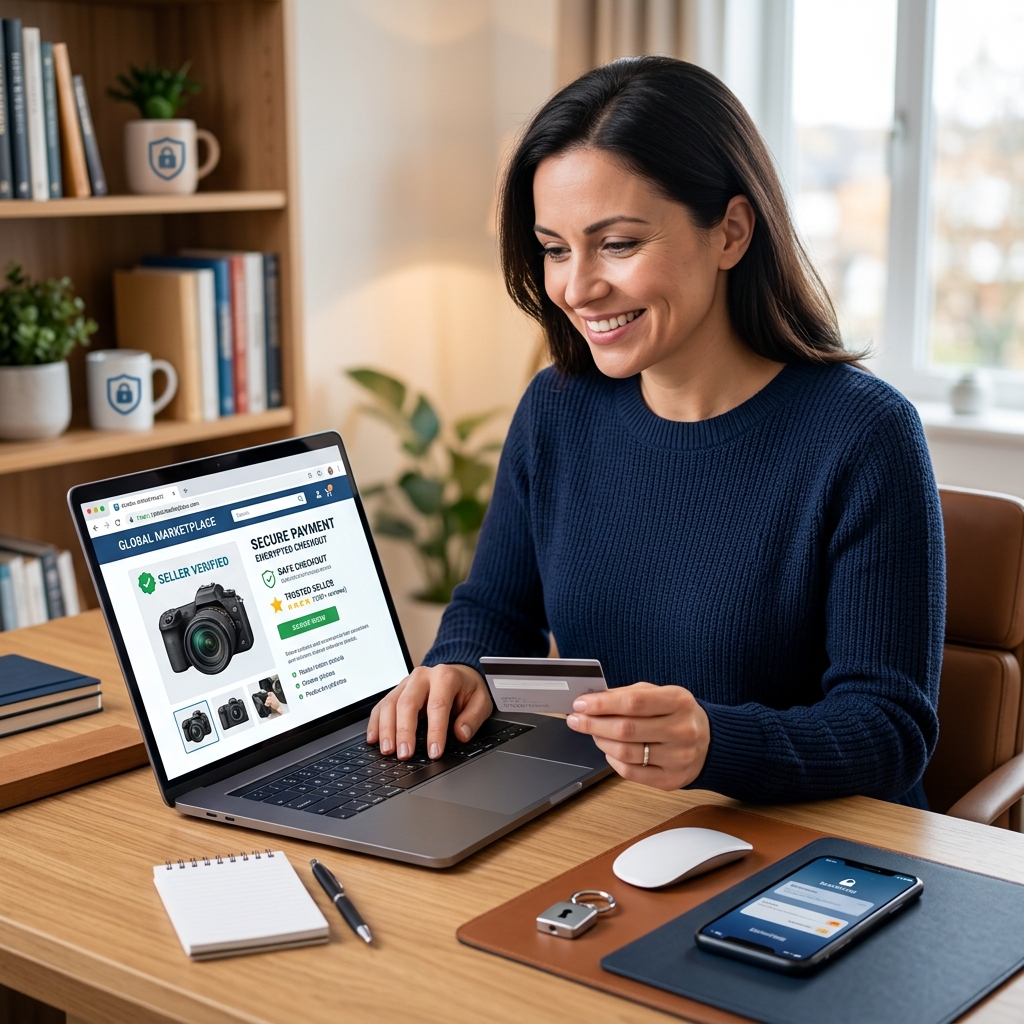
Online marketplaces make it easy to find everything from furniture to electronics, but convenience can also attract scammers. The safest approach is to slow down, verify the seller, keep your communication on the platform, and use payment methods that give you some recourse if something goes wrong.
This guide explains how to evaluate a listing, protect your money and personal information, and know what to do if a transaction starts to look suspicious.
How to judge a listing before you click buy
A good marketplace purchase starts with a careful look at the listing itself. Real sellers usually provide clear descriptions, multiple photos, and enough detail for you to understand what you are buying. Listings with vague wording, stock images only, or prices that are far below similar items deserve extra skepticism.
- Compare the asking price with similar items to see whether the deal is realistic.
- Look for signs that the seller actually owns the item, such as original photos and specific details.
- Watch for rushed language, pressure to act immediately, or stories that do not fit the item being sold.
- Be cautious when the listing is new, incomplete, or oddly repetitive.
If the offer sounds too good to be true, it often is. That is especially true for popular electronics, designer goods, and items with strong resale value.
Check the seller before you commit
Most marketplaces let you review profile information, ratings, and transaction history. That background can help you decide whether the seller is established or potentially fake. A profile with clear identification, some history, and consistent reviews is usually a better sign than an account that was created recently or has little activity.
| What to review | What it can tell you |
|---|---|
| Profile age | New accounts may deserve extra caution |
| Ratings and reviews | Repeated complaints can reveal patterns |
| Photos and bio details | Incomplete profiles can be a warning sign |
| Communication style | Pushy, evasive, or inconsistent messages can indicate risk |
You do not need perfect information to make a safe choice, but you should avoid sellers who refuse basic questions or will not provide additional photos or proof that the item exists.
Keep messages and payments on the platform
One of the most important safety rules is to keep the deal inside the marketplace ecosystem. Scammers often try to move conversations to text messages, email, or other apps so they can avoid moderation tools, platform records, and complaint systems.
- Use the marketplace’s built-in chat whenever possible.
- Do not agree to pay through unfamiliar links sent outside the app.
- Avoid letting the seller redirect you to a different website or payment page.
- Save screenshots of messages, listings, and receipts in case you need proof later.
Keeping the conversation and payment trail on one platform helps create a record if you need to dispute a charge or report a seller.
Choose payment methods that offer protection
The safest payment option depends on the marketplace, the item, and whether you are meeting in person. In general, methods that can be traced and disputed are better than cash sent in advance, wire transfers, gift cards, or cryptocurrency, which are harder to recover once sent.
If you are paying electronically, consider whether the method offers buyer protection or chargeback rights. Credit cards usually provide stronger consumer protections than debit cards, prepaid cards, or bank transfers. When paying in person, use caution and do not hand over money until you have checked the item and are ready to complete the exchange.
| Payment type | Relative risk | Why it matters |
|---|---|---|
| Credit card | Lower | May offer dispute options and fraud protection |
| Cash at pickup | Moderate | Useful in person, but hard to recover if scammed |
| Bank transfer | Higher | Often difficult to reverse once sent |
| Gift card or cryptocurrency | Highest | Usually not recoverable if the seller disappears |
When a seller asks for an unusual payment method, treats it as a warning sign. Honest sellers usually do not need pressure, urgency, or special workarounds to complete a sale.
Meet safely if the transaction is local
For items you plan to pick up in person, the location matters. Public, busy, well-lit places are safer than private homes or isolated parking lots. Some police stations and community centers even offer designated exchange areas for online sales.
- Choose a location with cameras, other people, and easy access to help if needed.
- Bring a friend if possible.
- Tell someone where you are going and when you expect to return.
- Inspect the item before paying, especially for electronics, jewelry, or collectible goods.
If a seller refuses a reasonable public meeting spot, consider that a major red flag. A legitimate transaction should not require secrecy or discomfort.
Inspect the item before money changes hands
Checking the product in person can prevent a lot of regret. Make sure the item matches the listing, functions as promised, and has the condition the seller described. For electronics, test power, charging, sound, and key features. For used goods, look for damage, missing parts, or signs that the item is different from what was advertised.
Be especially careful with branded goods, collectibles, and high-value items that are commonly counterfeited. If you are not confident in judging the item yourself, bring someone who knows the product category well.
Warning signs that a deal may be fraudulent
Fraud on marketplaces often follows recognizable patterns. Sellers may try to create urgency, pressure you to pay quickly, or offer excuses for why you cannot see the item first. They may also send fake links, claim shipping problems, or ask for too much personal information.
- The price is dramatically below market value.
- The seller will not answer basic questions.
- You are asked to move off-platform immediately.
- The seller requests gift cards, wire transfers, or crypto.
- The seller refuses a public meeting or inspection.
- The profile looks newly created, inconsistent, or copied.
Trusting your instincts is useful, but it works best when paired with practical checks. If several warning signs appear at once, walk away.
What to do if something goes wrong
If you think you have been targeted, act quickly. Save evidence first, including screenshots, emails, payment records, seller names, and messages. Then contact your bank or card issuer if money was sent through a payment card or linked account.
You should also report the seller through the marketplace itself so the platform can review the account and potentially warn other users. If the scam involved a broader fraud scheme or a stolen identity, filing a report with appropriate consumer or law enforcement agencies can help document the issue.
After a suspicious purchase, monitor your financial accounts for additional charges and check whether your passwords need to be changed. If you used the same password on other accounts, update those as well and enable two-factor authentication where available.
How careful buyers reduce risk
Buying through a marketplace does not have to be stressful. The safest buyers use the same habits every time: they slow down, verify the seller, keep communication on the site, pay in a traceable way, and meet only when the conditions are safe.
That approach will not eliminate every risk, but it can greatly reduce the chances of losing money or sharing personal information with a fraudster. A few extra minutes of checking can save hours of frustration later.
Frequently asked questions
Is it safe to pay before meeting the seller?
It is usually safer to pay after you have seen and inspected the item in person. Paying in advance increases the chance that the seller disappears or sends something different from what was advertised.
Should I ever move the conversation to text or email?
It is better to keep communication inside the marketplace platform. That preserves a record and makes it easier to report suspicious activity.
What is the safest way to buy expensive items?
For higher-value purchases, use a trusted platform, verify the seller carefully, choose a protected payment method, and inspect the item before completing the sale.
What if the seller says they are in a hurry?
Urgency is often a tactic to keep buyers from checking details. A legitimate seller should allow enough time for questions and reasonable verification.
When should I walk away from a marketplace deal?
Walk away if the price is unrealistic, the seller avoids questions, the payment method is unusual, or the meeting setup feels unsafe.
References
- Helpful Tips for Safe Online Shopping — McAfee Blog. 2024-06-25. https://www.mcafee.com/blogs/family-safety/10-tips-to-safe-online-shopping/
- Buy and sell responsibly on Facebook Marketplace — Facebook Help Center. 2025-05-14. https://www.facebook.com/help/1156544111079919
- What to Do When… You Want to Stay Safe While Buying/Selling on Facebook Marketplace — Facebook / Ludington Police Department. 2024-02-07. https://www.facebook.com/ludingtonpolicedepartment/videos/what-to-do-when-you-want-to-stay-safe-while-buyingselling-on-facebook-marketplac/26814585048159410/
- Before purchasing or selling items through online marketplaces — Suffolk Police Department. 2024-03-18. https://www.facebook.com/SuffolkPD/posts/before-purchasing-or-selling-items-through-online-marketplaces-keep-these-safety/1336920605134228/
- 10 Tips for Staying Safe on Online Marketplaces — Halifax Public Libraries. 2024-01-11. https://www.halifaxpubliclibraries.ca/blogs/post/10-tips-for-staying-safe-on-online-marketplaces/
- Common Scams & How to Prevent Marketplace Fraud — Unit21. 2024-04-10. https://www.unit21.ai/trust-safety-dictionary/marketplace-risk
- 5 Ways to Buy and Sell Safely on Facebook Marketplace — Experian. 2024-08-20. https://www.experian.com/blogs/ask-experian/5-ways-to-buy-and-sell-safely-on-facebook-marketplace/
Similar Articles








Read full bio of medha deb


