
Risks Every Rideshare Driver Should Know
A practical look at the safety, insurance, and financial risks that rideshare drivers can face on the road.
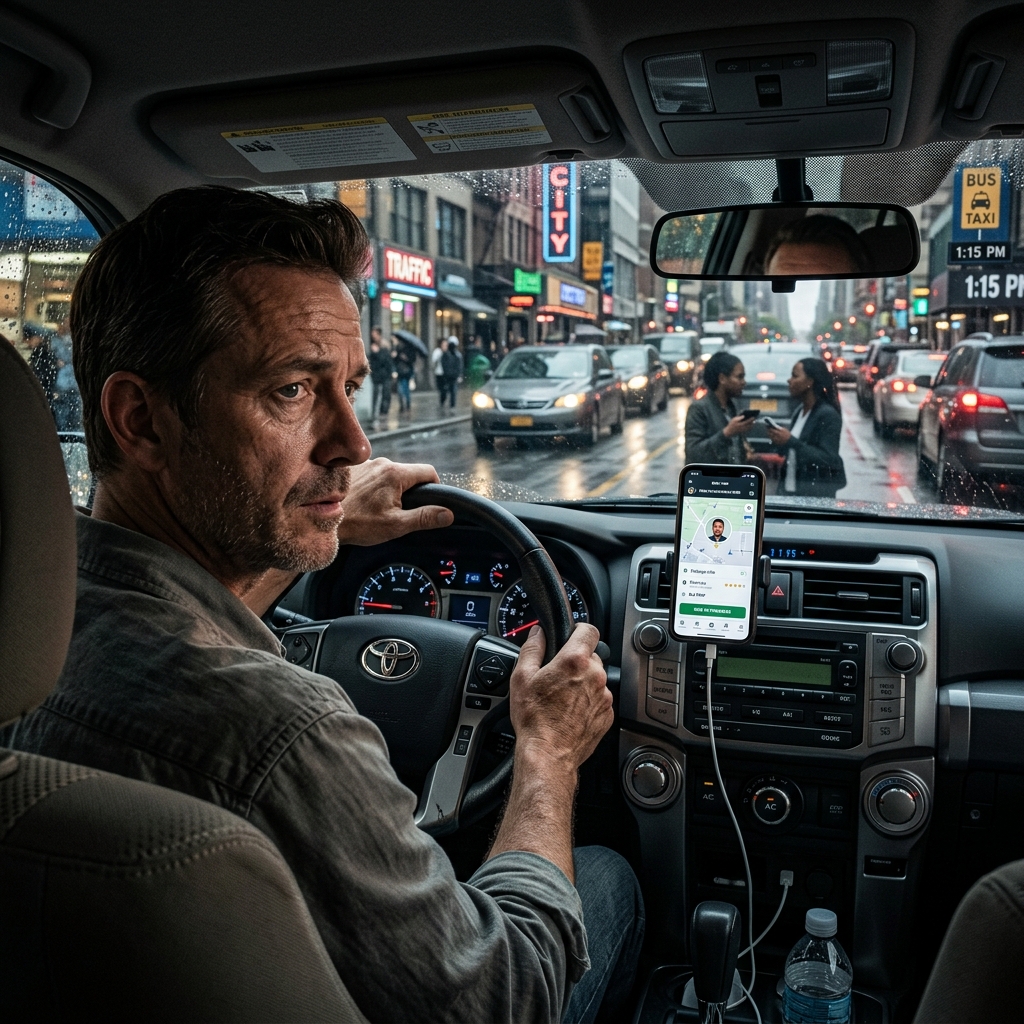
Understanding the hidden risks of driving rideshare
Driving for a rideshare platform can look flexible and easy to enter, but the work carries risks that are often underestimated. Drivers may face threats to their personal safety, uncertainty about insurance, unpredictable earnings, and physical strain from long hours on the road. Research on rideshare work has also found that app-based incentives and rating systems can pressure drivers into unsafe decisions, especially when income depends on staying active and keeping passengers satisfied.
These risks matter because rideshare drivers often operate as independent contractors rather than traditional employees. That means many of the protections workers expect in ordinary jobs may not apply in the same way, leaving drivers to manage much of the exposure themselves. For anyone considering this type of work, it is important to understand not only the opportunity to earn money, but also the practical and legal risks that come with it.
Why the job can feel more dangerous than it appears
Rideshare platforms are designed to make trips feel simple for riders, but that simplicity can hide complexity for drivers. A driver may not know much about a passenger before accepting a ride, may be sent to unfamiliar areas, and may feel pressure to keep moving even when conditions are tiring or unsafe. Research has described this as an environment shaped by asymmetric information, where the app gives passengers and platforms more control over the ride than the driver has.
That imbalance can create a working environment where drivers are expected to be constantly available, patient, and responsive. If a passenger is rude, intoxicated, or threatening, the driver may still hesitate to cancel because of rating concerns or lost income. In that sense, the risk is not limited to individual bad encounters; it is built into the structure of the work itself.
Main categories of risk for rideshare drivers
| Risk area | What it can mean in practice |
|---|---|
| Insurance gaps | Coverage may change depending on whether the app is on, a trip is accepted, or a passenger is in the car. |
| Personal safety | Drivers may face assault, harassment, robbery, or other violent incidents. |
| Financial pressure | Low fares, incentives, and long hours can push drivers to keep working when they should stop. |
| Physical strain | Extended sitting, stress, fatigue, and irregular schedules can affect health. |
| Legal exposure | Drivers may face disputes over crashes, coverage, or whether a claim is covered at all. |
Insurance is often the biggest blind spot
One of the most serious concerns for rideshare drivers is insurance. Many drivers assume the platform’s coverage will always protect them, but coverage can depend on the driver’s status in the app and on what stage of the ride process they are in. This creates a patchwork of protection rather than a single, continuous policy.
Some drivers also avoid telling their personal auto insurers that they use their cars for rideshare work because they worry about higher premiums. That choice can create an even greater problem if a crash happens and the insurer later denies coverage or treats the omission as a misrepresentation. The result can be a costly dispute when the driver most needs help.
In practical terms, a driver should never assume that all miles driven for work are equally covered. The risk is greatest when the app is on but no passenger is in the car, because that period may be treated differently from an active trip. A careful review of both personal and rideshare-specific insurance is essential before relying on the car as a source of income.
Safety risks from passengers and the road itself
Safety risks for rideshare drivers are not limited to collisions. Drivers may experience verbal abuse, threatening behavior, intoxication-related incidents, theft, or physical assault. A large survey of drivers reported frequent experiences with threats, harassment, robbery, and assault, showing that workplace safety can be a serious concern rather than an occasional outlier.
Drivers also face ordinary road risks. Heavy traffic, fatigue, rushed pickups, and unfamiliar neighborhoods increase the chance of a crash. Because many drivers work long or irregular shifts, they may be on the road when they are tired or distracted, which raises the risk of injury to both the driver and passengers.
- Passengers may enter the vehicle intoxicated, angry, or unpredictable.
- Late-night shifts can increase exposure to crime and fatigue.
- Unfamiliar pickup and drop-off zones can create confusion or danger.
- Pressure to complete trips quickly can encourage unsafe driving behavior.
The app can influence unsafe decisions
Rideshare platforms often market flexibility and independence, but the app can still strongly shape driver behavior. Research has found that incentives, ratings, and trip assignments may pressure drivers to accept difficult rides, avoid cancellations, or keep working even when they would rather stop.
That pressure matters because a low passenger rating can affect access to future work. If a driver is afraid of losing income, they may tolerate behavior they would otherwise reject. The app therefore becomes more than a matching tool; it can function as a system that nudges drivers toward riskier choices.
This dynamic is especially important when a driver feels compelled to complete a ride that has become uncomfortable. Even when the driver has the technical ability to end the trip, financial dependence and fear of poor ratings may make that choice harder in practice.
Economic pressure can magnify every other risk
Many rideshare drivers work because they need income quickly, and that financial pressure can make unsafe conditions harder to resist. When earnings are uncertain, drivers may stay online longer, accept more rides, or work at hours they would normally avoid. Research has noted that many of the risks in rideshare work are tied to precarious economic conditions as much as to the platform itself.
Low pay, surge fluctuations, and vehicle expenses can all shrink the real value of a shift. Gas, maintenance, depreciation, cleaning, and insurance costs may reduce take-home earnings far below the amount shown in the app. When income is unpredictable, drivers may feel compelled to keep driving even when tired, stressed, or worried about safety.
Physical and mental health costs are easy to overlook
Driving is often viewed as simple sitting, but long periods behind the wheel can wear down the body. Research on ride-share work has identified stress, fatigue, musculoskeletal problems, and urinary issues as important health concerns for drivers.
Long hours of sitting may contribute to back, neck, and hip pain. Constant route changes and pressure to stay alert can increase mental fatigue, while irregular meals or skipped breaks may worsen exhaustion. Over time, the combination of physical strain and financial stress can make the job harder to sustain safely.
- Take regular breaks to stretch and rest your eyes.
- Stay hydrated and avoid skipping meals during long shifts.
- Plan driving hours around sleep and family obligations.
- Stop driving if fatigue or stress begins to affect judgment.
How drivers can reduce exposure before and during trips
Although rideshare work involves real risks, drivers can take practical steps to reduce exposure. Good habits do not eliminate every problem, but they can lower the odds of a dangerous situation becoming worse. Safety guidance for rideshare users and drivers emphasizes verifying identities, using seat belts, keeping personal information private, and using in-app safety tools when necessary.
Drivers should also understand their insurance position before they begin working. If a policy does not clearly address rideshare activity, that gap should be resolved before a crash or claim occurs. This is especially important because confusion over coverage can turn a routine accident into a major financial problem.
- Confirm the rider’s name before starting the trip.
- Avoid oversharing personal details beyond what is needed.
- Choose well-lit pickup and drop-off locations when possible.
- Trust your instincts and end a ride that feels unsafe.
- Report misconduct through the platform after a serious incident.
When a rideshare incident turns into a legal issue
A rideshare problem can become a legal issue in several ways. A crash may trigger disputes over which insurer must pay. An assault or harassment incident may raise questions about platform policies or whether a driver can pursue compensation. A driver who suffers injuries or economic losses may also need to examine whether the facts support a claim under available insurance coverage or other legal theories.
Because rideshare arrangements are often built around contractor status and layered insurance rules, the legal analysis is rarely straightforward. The most important step after a serious incident is to document what happened, preserve app information, and review coverage immediately. Delays can make it harder to prove what happened and which policy should respond.
Questions drivers commonly ask
Is rideshare driving covered by my personal auto policy?
Not always. Many personal policies exclude or limit coverage when the vehicle is being used for commercial or rideshare purposes, so drivers should confirm the policy terms before relying on it.
Does the rideshare company insure me at all times?
No. Coverage can vary depending on whether the driver is waiting for a request, heading to a pickup, or carrying a passenger. That is why drivers should understand the specific stages covered under each policy.
What is the biggest day-to-day risk?
For many drivers, the biggest risk is not a single event but the combined effect of safety threats, income pressure, and unclear coverage. Those factors can turn ordinary work into an unpredictable and stressful job.
Can I refuse a ride if I feel unsafe?
Yes. A driver is not required to continue a trip that creates a genuine safety concern, and using the platform’s safety tools or ending the ride may be the most responsible choice.
What to remember before treating rideshare work as easy money
Rideshare driving can provide flexibility, but it is not risk free. Drivers may confront insurance uncertainty, passenger misconduct, fatigue, injury, and financial pressure that is difficult to see from the outside. The platform may present the work as independent and simple, yet research suggests the reality is shaped by app-based control and economic vulnerability.
Anyone considering rideshare work should think beyond the hourly fare. The real question is whether the income is worth the legal, physical, and financial exposure that comes with driving for hire. Understanding those risks early is the best way to make a safer and more informed decision.
FAQs
Do rideshare drivers face different risks than ordinary drivers?
Yes. In addition to traffic danger, rideshare drivers face passenger behavior risks, app-driven pressure, and more complicated insurance issues.
Why is insurance such a major issue for rideshare drivers?
Because coverage can change depending on the driver’s status in the app, and personal policies may not fully cover commercial use.
Are health problems really a concern for this kind of work?
Yes. Research has identified fatigue, stress, musculoskeletal problems, and other physical strain as common concerns for ride-share drivers.
What should a driver do after a serious incident?
Report the event through the platform, preserve records, document the trip, and review insurance coverage promptly.
References
- The sharing economy: hazards of being an Uber driver — Occupational and Environmental Medicine. 2018-09-01. https://oem.bmj.com/content/75/Suppl_2/A494.3
- Rideshare Insurance — Insurance Information Institute. 2025-01-01. https://www.iii.org/article/ridesharing-and-auto-insurance
- Driving Danger: How Uber and Lyft Create a Safety Crisis for Their Drivers — Strategic Organizing Center. 2024-04-30. https://thesoc.org/resources/driving-danger-how-uber-and-lyft-create-a-safety-crisis-for-their-drivers/
- Rideshare Safety Guide — AutoInsurance.com. 2026-01-01. https://www.autoinsurance.com/guide/rideshare-safety/
- Stay Safe and Secure on the Road — National Highway Traffic Safety Administration. 2024-06-01. https://www.nhtsa.gov/road-safety/stay-safe-and-secure-road
- Work-related musculoskeletal disorders — Centers for Disease Control and Prevention. 2024-03-15. https://www.cdc.gov/niosh/topics/ergonomics/default.html
- Stressful by design: Exploring health risks of ride-share work — Safety Science. 2020-01-01. https://www.sciencedirect.com/science/article/abs/pii/S2214140519301392
Similar Articles








Read full bio of medha deb




