
How to Recognize and Avoid Health Insurance Scams
Learn the warning signs of fake health plans, Medicare impostors, and medical discount scams before they steal your money or your identity.
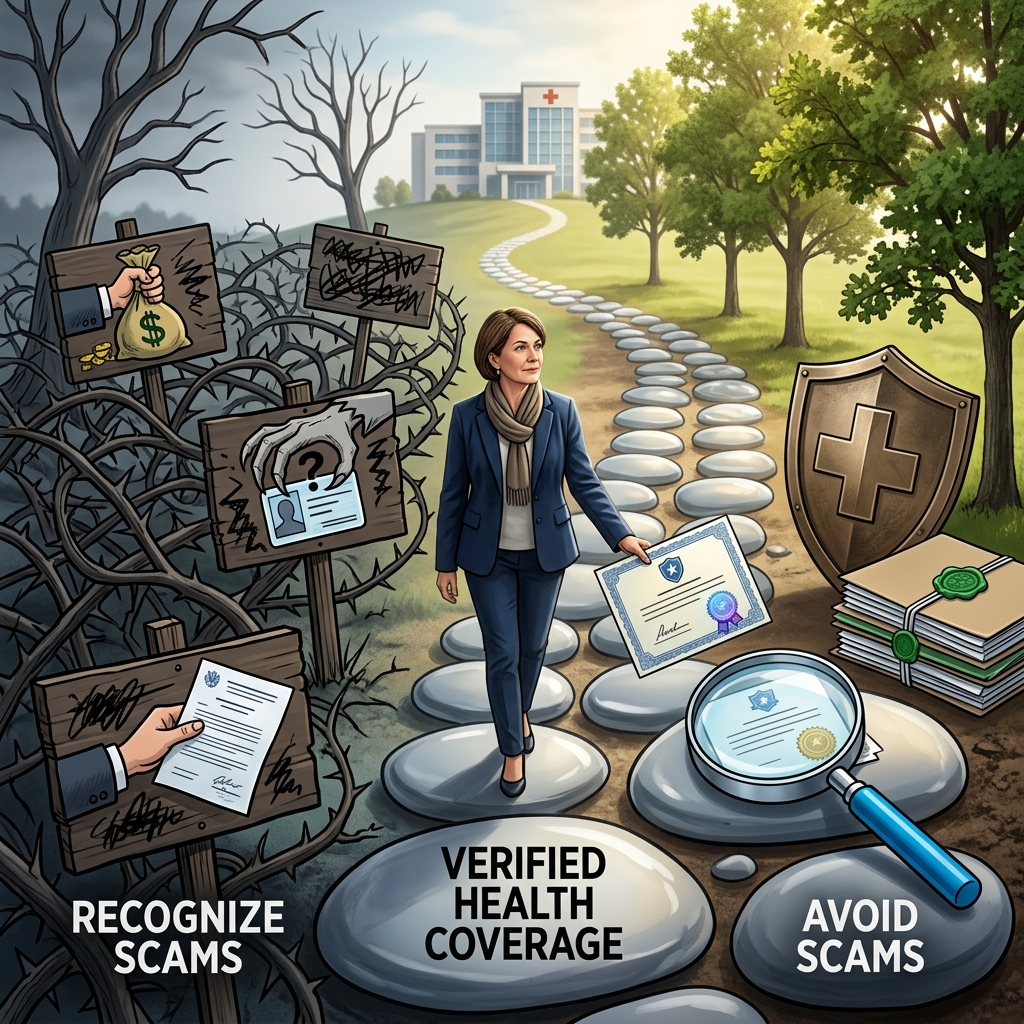
Health insurance and Medicare are complicated enough without scammers trying to exploit the confusion. Fraudsters know that people worry about medical costs, coverage gaps, and changing rules, and they use that fear to trick you into handing over your money and personal information. This guide explains how these schemes work, the red flags to watch for, and what to do if you suspect you have been targeted.
Why Health Insurance Scams Are So Common
Health care is expensive, and many people are unsure whether they have the right coverage or might be missing important benefits. Scammers take advantage of this uncertainty by pretending to offer quick solutions, often promising low-cost plans, guaranteed acceptance, or special government benefits. In reality, many of these offers are either fake, incomplete, or designed to harvest your personal data for identity theft.
Several factors make health insurance fraud especially widespread:
- Complex rules: Programs like Medicare, Medicaid, and the Health Insurance Marketplace have detailed eligibility and enrollment rules that can be hard to follow.
- Frequent changes: Plan options, premiums, and enrollment periods can change from year to year, creating opportunities for impostors to claim you must “act now” to avoid losing coverage.
- High stakes: People worry about losing access to doctors, prescriptions, or needed treatments, which makes them more vulnerable to pressure tactics.
Major Types of Health Insurance Scams
Not all health insurance scams look the same. Understanding the main categories can help you quickly assess whether an offer is legitimate or risky.
Medicare Impersonation and Enrollment Scams
Many scams target people who are on Medicare or approaching eligibility age. Fraudsters pretend to represent Medicare or a related program and claim you must provide information or pay a fee to keep or improve your coverage.
- Calls claiming you need a new Medicare card and must confirm your Social Security number or bank details.
- Messages saying you have been selected for extra benefits if you enroll in a particular plan immediately.
- Unsolicited offers for Medicare Part D drug coverage or Advantage plans that require you to provide personal data over the phone.
According to official Medicare guidance, real program representatives will not call out of the blue asking for sensitive information or payment to issue a new card or maintain coverage.
Fake Health Plans and “Too-Good-To-Be-True” Coverage
Some scammers promote what looks like a complete health insurance policy at a very low cost. They may say the plan is a special offer, a limited-time deal, or a new program created by the government or a major insurer.
- Plans with extremely low monthly premiums but very high hidden fees or limited benefits.
- Policies that are not actually insurance, but short-term or non-compliant products presented as equivalent to full coverage.
- Sales pitches that avoid specifics about deductibles, copays, and exclusions, focusing only on pricing and “guaranteed acceptance.”
These offers may leave you with little or no real protection when you need medical care, even though you are paying regularly.
Misleading Medical Discount Plans
Medical discount plans often claim to provide lower prices on doctor visits, procedures, or prescriptions in exchange for a monthly fee. Some legitimate discount programs exist, but scammers may blur the line between discount plans and real insurance.
- Promoters describe a discount plan as “just like health insurance” or say you do not need other coverage.
- They promise huge savings but cannot provide a clear list of participating providers or actual discount levels.
- They request bank account or credit card information upfront without giving you written details of the plan.
The Federal Trade Commission has warned that discount plans do not replace comprehensive health insurance and that deceptive marketing of these products is a common scheme.
Marketplace and Government Program Assistance Scams
With the growth of online enrollment through the Health Insurance Marketplace and other government programs, fraudsters now pose as “helpers” who claim they can simplify the process for a fee.
- Agents or websites that say you must pay them to apply for coverage or to keep your Marketplace plan active.
- Messages stating that you will lose coverage unless you pay a “reinstatement” or “processing” fee.
- Unsolicited calls asking you to verify account details or give a one-time payment to stay enrolled on HealthCare.gov.
The official Marketplace does not charge application or maintenance fees and will never threaten you or demand payment via gift cards, wire transfer, or cryptocurrency to keep your coverage.
Common Red Flags That Signal a Health Insurance Scam
Although scams take different forms, they often share similar warning signs. Learning these red flags helps you quickly decide when to end a conversation or ignore a message.
| Red Flag | What It Looks Like | Why It Is Risky |
|---|---|---|
| Unsolicited contact | Calls, texts, or emails you did not request about Medicare or health plans. | Legitimate programs and insurers do not randomly reach out demanding action or information. |
| Pressure to act immediately | “Sign up now or lose your benefits” or “Offer expires today” language. | Scammers use urgency so you do not have time to research or compare options. |
| Requests for sensitive data | Demands for Social Security number, bank account, or credit card to get a quote. | Legit marketplaces say you do not need to share this information just to receive plan details. |
| Unusual payment methods | Gift cards, wire transfers, cash apps, or cryptocurrency as the only way to pay. | These methods are hard to trace and often used in fraud schemes. |
| Government or insurer impostors | Callers claiming to be from Medicare, HealthCare.gov, or a major insurer without proof. | Scammers spoof caller IDs and logos; real agencies tell you to contact them directly through official channels. |
How to Verify If a Health Insurance Offer Is Legitimate
When you receive a health insurance pitch, the safest approach is to slow down and independently confirm the details before sharing information or making any payment.
Check the Company and Agent
- Search for complaints: Look up the company name along with words like “complaint,” “fraud,” or “scam.” Major scams often leave a trail of news articles or consumer warnings.
- Use state insurance resources: Your state insurance department or commission typically offers tools to confirm whether a company or agent is licensed.
- Ask for identification: If you choose to speak with an agent, ask for their full name, license number, and the official company they represent, then verify those details yourself.
Rely on Official Government Channels
- Medicare: For anything related to Medicare coverage, cards, or billing, contact Medicare directly at the official phone number (1-800-MEDICARE) listed on the government website or your benefit statements.
- Health Insurance Marketplace: Use the official HealthCare.gov website for Marketplace information, plan comparisons, and enrollment.
- Medicaid and CHIP: Visit your state’s official .gov site or call published numbers to verify any communication claiming to be from these programs.
Review Plan Details in Writing
Legitimate insurers and government programs provide written information and clear explanations of what a plan does and does not cover. Before agreeing to anything:
- Request a summary of benefits, including deductibles, copays, out-of-pocket maximums, and coverage limitations.
- Confirm whether major services—hospital stays, surgeries, prescription drugs, mental health care—are included and under what conditions.
- Check whether your current doctors and preferred hospitals are in the plan’s network.
If the seller cannot or will not provide this information, or tries to dismiss your questions, treat that as a strong sign to walk away.
Protecting Your Personal and Financial Information
One of the main goals of health insurance scammers is to collect enough data to steal your identity or drain your accounts. Protecting your information is just as important as evaluating the coverage itself.
- Limit who gets your details: Share your Social Security number, Medicare number, and banking information only with trusted providers and insurers you have contacted through verified channels.
- Avoid giving sensitive data over unsolicited calls: If someone calls you unexpectedly asking for financial or medical information, hang up and contact the organization using phone numbers from its official website.
- Use secure websites: When submitting information online, make sure the site is secure (look for “https” and reputable domains) and belongs to an official government or well-known insurance company.
- Monitor your statements: Review insurance explanations of benefits, bank statements, and credit card bills regularly to spot unusual charges or claims you do not recognize.
What to Do If You Suspect a Health Insurance Scam
If something feels wrong about an offer, trust your instincts. Acting quickly can limit the damage and help authorities stop similar schemes.
Immediate Steps to Take
- Stop communicating with the scammer: Do not respond to calls, texts, emails, or messages from the suspected source.
- Contact your bank or card issuer: If you shared payment information, ask about cancelling charges or issuing new account numbers.
- Change passwords: If you created or shared account credentials, update them and enable multifactor authentication where available.
Report the Incident
Government agencies and consumer protection organizations track health insurance scams and use reports to identify patterns and take enforcement action.
- Federal Trade Commission (FTC): You can report suspected health insurance or discount plan scams through the FTC’s online complaint system.
- Medicare fraud reporting: For issues involving Medicare impersonation or suspicious claims, contact Medicare using its official phone number and follow instructions for reporting fraud.
- State insurance department: Many states encourage residents to report questionable insurance offers to their insurance regulators, who can investigate and issue warnings.
When you report, include as many details as you can: phone numbers used, website addresses, dates, payment amounts, and any documents or messages you received.
Frequently Asked Questions
Is it ever safe to give my Social Security number when getting health insurance?
Insurers and government programs may legitimately need your Social Security number for enrollment or verification, but they will not ask for it through unsolicited calls or messages. Always initiate contact yourself using official channels, and only provide the number after you have confirmed the organization’s identity.
How can I tell the difference between a medical discount plan and real insurance?
Real health insurance helps pay for covered services and is subject to specific regulations. Discount plans generally only offer reduced prices at certain providers and do not guarantee payment for your medical bills. If a discount plan is marketed as full insurance, or if the seller avoids explaining that it only offers price reductions, consider that a warning sign.
Do government agencies ever charge fees to help with Marketplace enrollment?
The official Health Insurance Marketplace and its approved helpers do not charge fees to assist you with applying, enrolling, or keeping coverage. Any demand for payment to use HealthCare.gov, avoid losing coverage, or process an application is a strong indicator of a scam.
What should I do if I gave my bank details to someone I now suspect was a scammer?
Contact your bank or credit card company immediately, explain the situation, and ask them to review recent transactions and consider closing or changing affected accounts. Then report the incident to the FTC and relevant health programs so they can track the scheme and advise on next steps.
Can health insurance scams affect my medical records?
Some scams focus primarily on financial theft, while others involve billing for services you never received or opening fraudulent accounts using your identity. Regularly checking your insurance statements and asking your providers about any unfamiliar claims can help you spot and address potential problems in your records.
References
- Spot Health Insurance Scams — Federal Trade Commission. 2023-10-31. https://consumer.ftc.gov/articles/spot-health-insurance-scams
- Fraud Protection Tips for the Marketplace — HealthCare.gov (U.S. Centers for Medicare & Medicaid Services). 2024-01-05. https://www.healthcare.gov/protect-from-fraud-and-scams/
- How to Identify and Avoid Health Insurance Scams — Blue Cross and Blue Shield of North Carolina. 2023-06-20. https://www.bluecrossnc.com/blog/insurance-basics/health-insurance-scams
- 5 Signs of Insurance Scams and How to Protect Yourself — McAfee. 2022-09-15. https://www.mcafee.com/learn/insurance-scams/
- Fraud Protection Tips for Health Care Scams — Tennessee Attorney General Consumer Resources. 2022-03-10. https://www.tn.gov/attorneygeneral/working-for-tennessee/consumer/resources/materials/healthcare-scams.html
Similar Articles








Read full bio of medha deb




